
Acquiring your first credit card, or adding a strategic new one to your wallet, is a significant milestone in your personal finance journey. It is not merely about gaining a plastic tool for consumption; it is about establishing a financial identity, building a bridge to future large-scale loans, and leveraging modern financial instruments to your advantage. In the modern economy, your credit profile is often viewed as a “financial resume.” This guide provides an exhaustive look at the process of obtaining a credit card, the prerequisites involved, and the strategic considerations necessary to ensure your application is successful.
Understanding the Fundamentals: Why a Credit Card is Essential for Financial Health
Before diving into the application process, it is vital to understand the “why” behind the “how.” A credit card is a revolving line of credit that, when used responsibly, serves as the foundation for your financial reputation. In the realm of personal finance, this reputation is quantified by your credit score.
Building a Robust Credit History
The primary reason to obtain a credit card is to build a credit history. Lenders, landlords, and even some employers use credit reports to gauge your reliability. By using a credit card and paying the balance consistently, you demonstrate that you can manage debt responsibly. This history becomes crucial when you eventually apply for a mortgage, an auto loan, or a business line of credit. Without a credit card, you are “credit invisible,” which can make major life transitions significantly more expensive or even impossible.
Enhanced Security and Consumer Fraud Protection
From a personal finance perspective, credit cards offer superior protection compared to debit cards. Under federal laws in many jurisdictions (such as the Fair Credit Billing Act in the U.S.), your liability for unauthorized charges is strictly limited. Furthermore, because the money used in a credit transaction belongs to the bank and not directly from your checking account, a fraudulent charge doesn’t instantly drain your cash reserves, giving you a buffer to resolve the dispute with the issuer.
Leveraging Rewards and Financial Incentives
For the financially savvy, a credit card is a tool for optimization. Many cards offer cash back, travel points, or discounts on specific categories like groceries and fuel. When you pay your balance in full every month, you are essentially getting a discount on every purchase you make. High-tier cards also offer secondary benefits like extended warranties, rental car insurance, and purchase protection, all of which add tangible value to your financial ecosystem.
Preparation: Assessing Your Financial Readiness and Eligibility
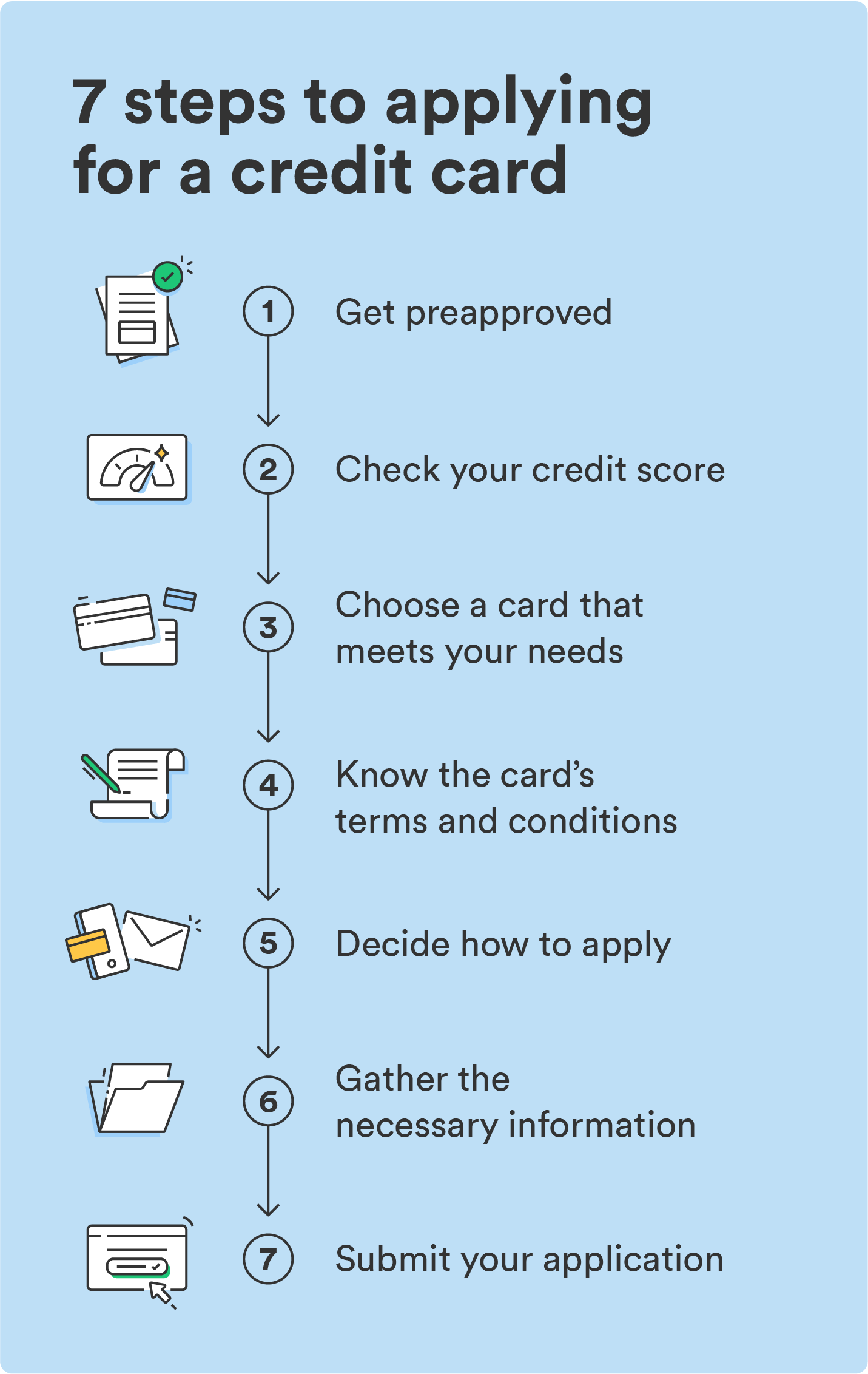
A credit card application involves a “hard inquiry” on your credit report, which can temporarily dip your score. Therefore, you should never apply blindly. Preparation is the key to ensuring a high probability of approval.
Decoding Credit Scores and Reports
The first step in getting a credit card is knowing where you stand. Most lenders look at your FICO score or VantageScore. These scores range from 300 to 850. If you are a student or a newcomer to the country, you might have a “thin file” or no score at all. Knowing this allows you to target “starter” or “secured” cards rather than premium rewards cards that require an “Excellent” rating. You can access your credit report for free once a year from major bureaus to check for errors that might hinder your application.
Income Requirements and the Debt-to-Income Ratio
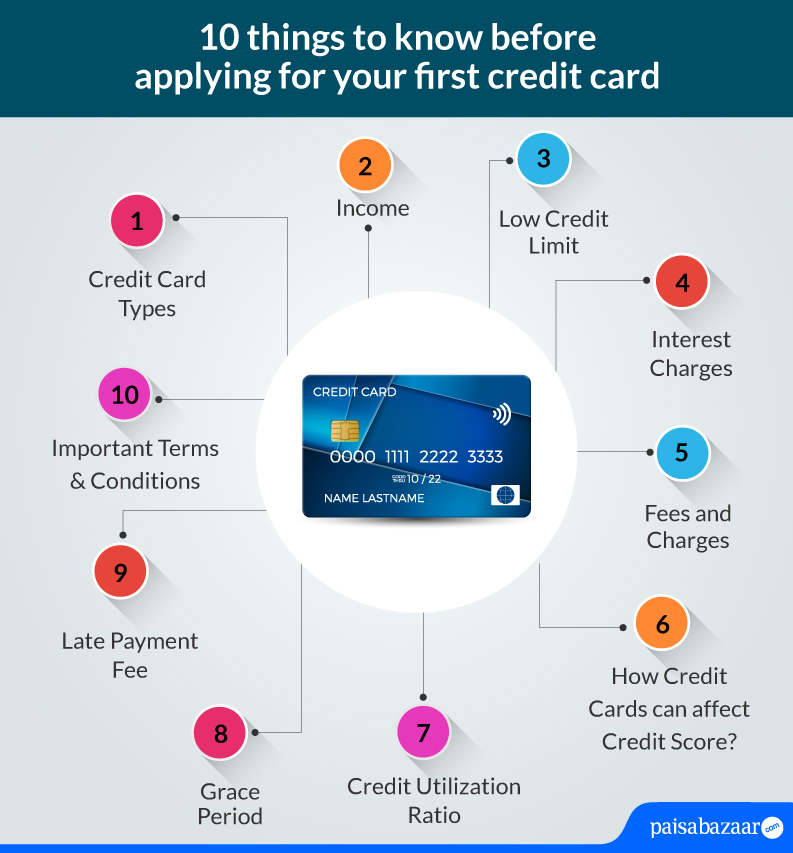
Credit card issuers are legally required to evaluate your ability to repay the debt. This means you must have a steady source of income. For applicants under 21, regulations often require proof of independent income. For those over 21, you can often include “accessible” income, such as a spouse’s salary or government benefits. Lenders also look at your Debt-to-Income (DTI) ratio. If too much of your monthly income is already going toward student loans or rent, a lender might view a new credit card as a high-risk proposition.

Identifying the Right Category of Card
Not all credit cards are created equal. You must match the card to your current financial status:
- Secured Credit Cards: Ideal for those with no credit or poor credit. You provide a refundable security deposit that acts as your credit limit.
- Student Credit Cards: Tailored for college students with limited income and history, often featuring lower limits and educational incentives.
- Unsecured Retail Cards: These are often easier to get but usually carry high interest rates and are limited to specific stores.
- Premium Rewards Cards: Reserved for those with “Good” to “Excellent” credit, offering high limits and significant perks.
Navigating the Application Process: A Step-by-Step Strategy
Once you have assessed your readiness and identified the type of card you need, the application process itself requires precision. Modern applications are mostly digital, providing near-instant decisions in many cases.
The Power of Comparison Shopping
Before clicking “apply,” use financial comparison tools to look at the Annual Percentage Rate (APR), annual fees, and penalty structures. Pay close attention to the “Schumer Box”—a standardized table that discloses all costs associated with the card. If you plan to carry a balance (though not recommended), a low APR is your priority. If you plan to pay in full, focus on the rewards and the absence of an annual fee.
Pre-Approval and Soft Inquiries
Many major banks offer a “pre-approval” or “pre-qualification” tool on their websites. This is a crucial step for any applicant. These tools use a “soft pull” on your credit report, which does not affect your credit score. It gives you a highly accurate estimate of whether you will be approved before you commit to the formal application. If a bank says you are pre-approved for a specific card, your chances of a successful formal application are significantly higher.
Completing the Application with Accuracy
When filling out the application, accuracy is paramount. Discrepancies in your social security number, address, or income can trigger an automatic fraud alert or a manual review, delaying the process. Be honest about your gross annual income. Overstating your income is considered bank fraud, while understating it might lead to an unnecessarily low credit limit. Once submitted, the issuer’s algorithm will analyze your credit-to-debt ratio, payment history, and recent inquiries to provide a decision.
Post-Application Management: Approval, Rejection, and Growth
The journey does not end once you hit the “submit” button. How you handle the outcome and the subsequent months will dictate your long-term financial trajectory.
Managing an Adverse Action (Rejection)
If your application is denied, the lender is legally required to send you an “Adverse Action Notice.” This document explains exactly why you were turned down (e.g., “insufficient credit history” or “too many recent inquiries”). Do not apply for another card immediately, as multiple hard inquiries in a short window suggest financial desperation. Instead, use the feedback to improve your profile—perhaps by opening a secured card or becoming an authorized user on a family member’s account—and wait six months before trying again.
Best Practices for New Cardholders
Upon approval and receipt of your card, the first 90 days are critical. Set up automatic payments for at least the minimum amount to ensure you never miss a due date; however, the gold standard of personal finance is to pay the full statement balance every month. This avoids interest charges entirely, essentially giving you an interest-free loan for 21–25 days. Additionally, keep your “credit utilization ratio” low. If your limit is $1,000, try not to let your reported balance exceed $300 (30%).
Scaling Your Financial Leverage
As you demonstrate responsible usage over 6 to 12 months, your credit score will likely climb. This is the time to look at “graduating” from a secured card to an unsecured one, or requesting a credit limit increase. A higher limit improves your utilization ratio further, creating a virtuous cycle of credit improvement. Eventually, you can leverage your high score to access premium financial products, such as low-interest personal loans for business ventures or high-value travel cards that can save you thousands in annual expenses.
In conclusion, getting a credit card is a strategic move that requires a balance of self-assessment, market research, and disciplined execution. By treating the credit card as a financial tool rather than a source of “extra money,” you position yourself for long-term stability and growth. Whether you are starting from scratch or looking to optimize an existing portfolio, the path to a successful application is paved with financial literacy and a clear understanding of the credit ecosystem.
aViewFromTheCave is a participant in the Amazon Services LLC Associates Program, an affiliate advertising program designed to provide a means for sites to earn advertising fees by advertising and linking to Amazon.com. Amazon, the Amazon logo, AmazonSupply, and the AmazonSupply logo are trademarks of Amazon.com, Inc. or its affiliates. As an Amazon Associate we earn affiliate commissions from qualifying purchases.