
Understanding the current state of the stock market requires more than a cursory glance at a ticker tape or a daily percentage change. To answer the question of how the market looks today, one must synthesize a complex array of macroeconomic data, corporate earnings reports, geopolitical shifts, and psychological indicators. The modern financial landscape is characterized by a high degree of connectivity and rapid information flow, making the “look” of the market a moving target that demands deep analysis. Whether you are a seasoned institutional investor or a retail participant building a retirement fund, evaluating the market today involves looking at the structural health of major indices, the influence of central bank policies, and the evolving dominance of specific sectors.
Analyzing the Pulse of the Major Indices
The primary way most observers gauge the market is through the performance of its major indices. These benchmarks serve as the barometer for different segments of the economy, and their collective movement provides a snapshot of investor confidence and capital allocation.
The S&P 500: A Gauge of Broad Health
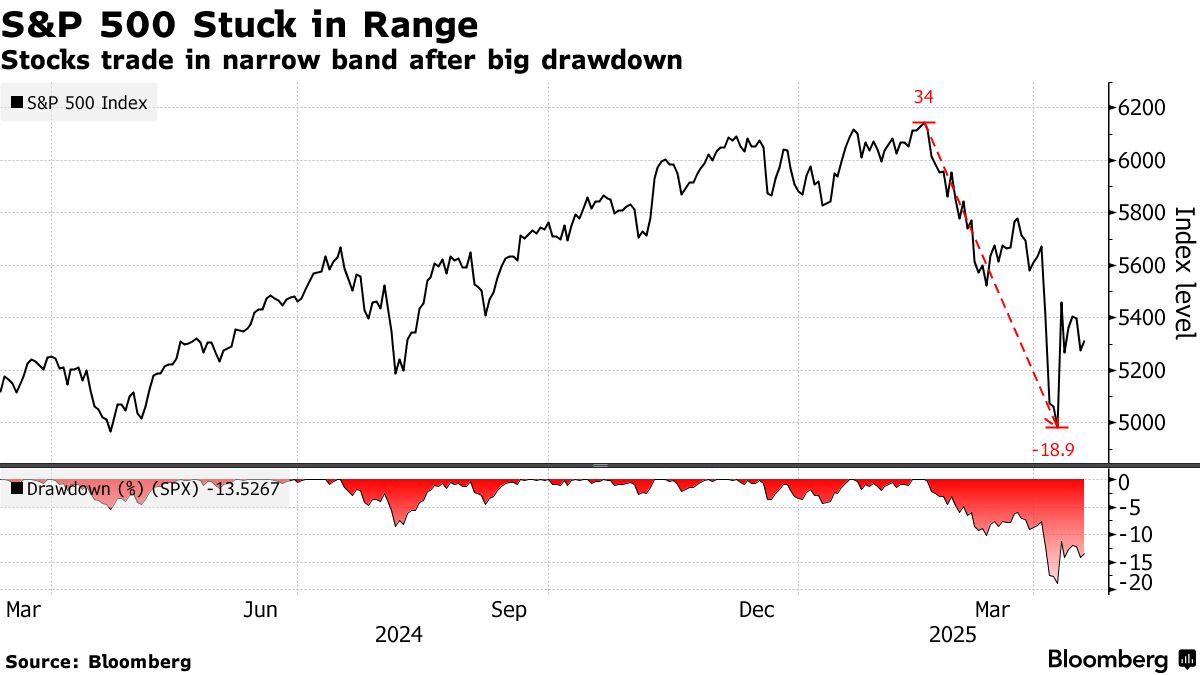
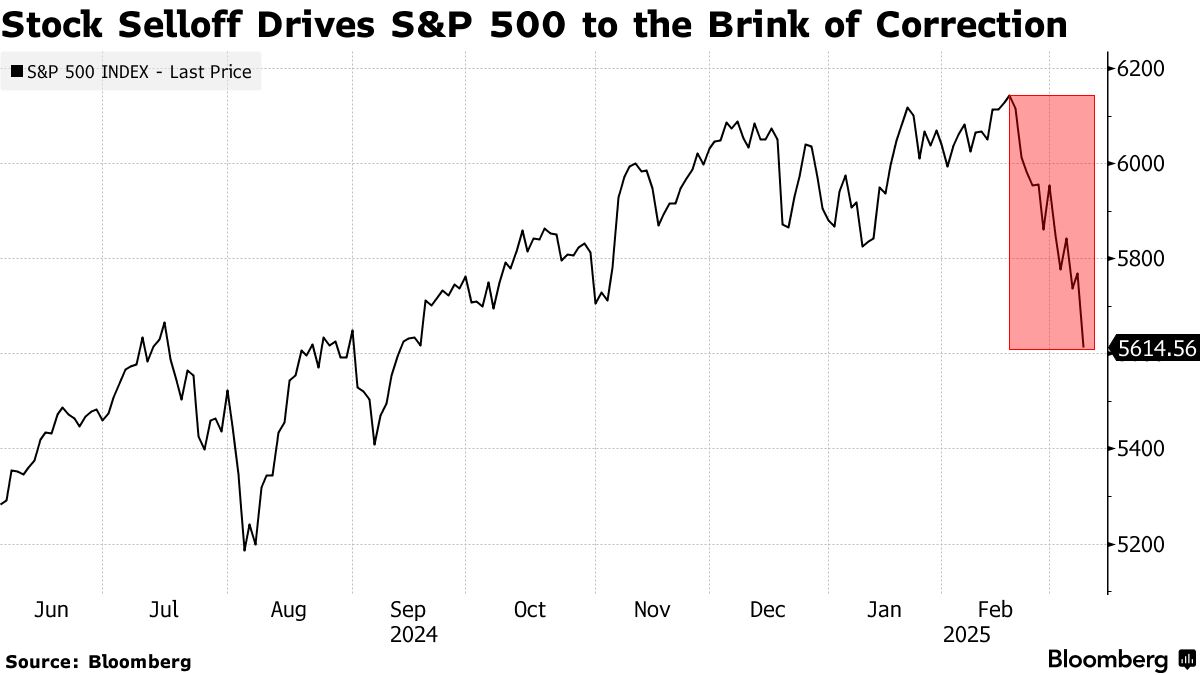
The S&P 500 remains the definitive benchmark for the U.S. equity market. Today, its composition reflects a heavy tilt toward mega-cap technology companies, meaning that the “health” of the broader market is often dictated by a handful of high-performing entities. When we look at the S&P 500 today, we are seeing a tug-of-war between premium valuations and consistent earnings growth. Investors are currently weighing whether the high price-to-earnings ratios of these leading companies are justified by their future cash flow potential. A “healthy” S&P 500 today is one that shows breadth—where it is not just the top ten stocks moving the needle, but a wider participation across industrials, healthcare, and financials.
The Nasdaq Composite: Tech Sentiment and Innovation
The Nasdaq is the home of innovation and growth. Today, this index is the primary staging ground for the artificial intelligence (AI) revolution. The market’s appearance through the lens of the Nasdaq is often one of high beta and high excitement. When the Nasdaq outperforms, it suggests that investors are in a “risk-on” mode, willing to pay for future growth rather than immediate dividends. Today’s Nasdaq is heavily influenced by the semiconductor industry and software-as-a-service providers, making it sensitive to both technological breakthroughs and changes in the cost of borrowing.
The Dow Jones Industrial Average: Stability and Blue-Chip Performance
In contrast to the Nasdaq, the Dow Jones Industrial Average provides a look at the “old guard” of the economy. Comprised of 30 prominent companies, it represents the foundational pillars of American industry. Today, the Dow often acts as a stabilizer. On days when high-growth tech stocks face a sell-off due to rising interest rates, the Dow may hold steady or even gain, as investors rotate capital into defensive sectors like consumer staples and insurance. Observing the Dow today tells us how much confidence remains in the traditional earnings power of the global corporate landscape.
Macroeconomic Catalysts Shaping the Current Landscape
No market exists in a vacuum. The environment today is being sculpted by overarching economic forces that dictate the flow of liquidity and the attractiveness of equities relative to other asset classes like bonds or real estate.
Interest Rates and Federal Reserve Policy
Perhaps the most significant factor in how the market looks today is the trajectory of interest rates. The Federal Reserve’s stance on monetary policy acts as the “gravity” for stock prices. When rates are high or rising, the present value of future earnings decreases, which can weigh heavily on valuations. Conversely, a pivot toward lowering rates provides a tailwind for equities. Today’s market is hyper-focused on every communication from the Federal Open Market Committee (FOMC). Investors are constantly recalibrating their expectations for “higher for longer” scenarios versus a return to a more accommodative environment. This creates a market that is highly sensitive to employment data and GDP growth figures.
Inflationary Pressures and Consumer Spending
Inflation remains a critical variable. A market facing high inflation often sees compressed profit margins as input costs for businesses rise. Today, the stock market’s appearance is largely determined by how well companies can maintain their pricing power. If a brand can pass increased costs onto the consumer without losing volume, its stock tends to thrive. However, we are also seeing the limits of consumer resilience. As household savings from previous years diminish, the market is closely watching retail sales and credit card delinquency rates to see if the engine of the U.S. economy—consumer spending—is beginning to sputter.
Labor Market Resilience and Its Impact
The strength of the labor market is a double-edged sword for today’s investors. On one hand, low unemployment means consumers have the income to spend, supporting corporate earnings. On the other hand, a “hot” labor market can lead to wage-price spirals, forcing the central bank to keep interest rates elevated to cool the economy. Today’s stock market often reacts paradoxically to labor data; “bad” news for the economy (such as a slight increase in unemployment) can sometimes be “good” news for stocks if it implies that the Fed will stop raising rates.
Sector Performance: Where Capital is Flowing
A granular look at the market reveals that not all sectors are created equal. The internal dynamics of the market today show a significant divergence between winners and losers, driven by technological shifts and changing global demand.
The Dominance of Large-Cap Tech and AI
The narrative of the current market is undeniably centered on artificial intelligence. We are seeing a massive influx of capital into companies that provide the infrastructure for AI, particularly hardware manufacturers and cloud computing giants. This “AI gold rush” has created a top-heavy market where a few “Magnificent” companies carry the weight of the entire index. For the market to look sustainable today, many analysts believe we need to see this AI-driven productivity start to show up in the bottom lines of non-tech companies, from manufacturing to logistics.
Energy and Utilities as Defensive Plays
While tech grabs the headlines, the energy sector remains a crucial indicator of global economic activity and geopolitical stability. Today’s market reflects the volatility of oil and gas prices, often influenced by supply-side constraints and international conflicts. Meanwhile, the utilities sector, traditionally seen as a “bond proxy,” is experiencing a transformation. As the demand for electricity surges to power data centers, these traditionally slow-moving stocks are being re-evaluated for their growth potential.
The Resurgence of Financials
The financial sector provides a window into the credit health of the nation. Today, banks are navigating a landscape of high interest rates which, while allowing for higher net interest margins, also increases the risk of loan defaults. The look of the financial sector today is one of cautious optimism. Large institutional banks remain well-capitalized, but the regional banking space continues to face scrutiny as it manages commercial real estate exposure and a shifting deposit base.
Behavioral Finance and Market Psychology
The stock market is not just a collection of numbers; it is a reflection of human emotion. Today’s market psychology is a study in contrasts, alternating between the “Fear of Missing Out” (FOMO) and the fear of a looming recession.
The Fear and Greed Index
Sentiment indicators today suggest a market that is prone to rapid shifts. When the market looks “greedy,” we see high trading volumes in speculative assets and a general dismissal of negative news. When “fear” takes over, we see a flight to quality, where gold and government bonds become the preferred sanctuary. Understanding how the market looks today requires checking the pulse of volatility, often measured by the VIX. A low VIX suggests complacency, while a spiking VIX indicates that investors are hedging their bets against sudden downturns.
Institutional vs. Retail Sentiment
The rise of the retail investor has changed the market’s behavior. Through social media and zero-commission trading apps, retail sentiment can now move individual stocks or even entire sectors in ways that were previously impossible. Today’s market is a blend of algorithmic institutional trading—which relies on high-frequency data and quantitative models—and the more emotional, narrative-driven trading of the retail public. This intersection often creates “pockets” of extreme volatility within an otherwise stable-looking market.
Strategies for Navigating the Current Market
Given the current “look” of the market, investors must adopt strategies that prioritize resilience and adaptability. The days of simply “buying the dip” without consideration for fundamentals are evolving into a more nuanced approach.
Rebalancing in a High-Rate Environment
Today’s market demands active management of one’s portfolio. With bonds finally offering competitive yields again, the “TINA” (There Is No Alternative to stocks) era has ended. A balanced approach today involves looking at fixed income as a genuine diversifier rather than just a placeholder. For equity portions, focusing on “quality” factors—such as low debt, consistent cash flow, and strong management—is becoming the preferred path for navigating uncertainty.
The Role of Diversification and Long-Term Vision
Ultimately, the stock market today is a reminder that short-term fluctuations are noise compared to long-term trends. While the daily “look” of the market can be stressful, the historical trajectory of equities remains tied to innovation and economic expansion. Diversification across sectors and geographies remains the most effective tool for mitigating the specific risks of today’s volatile landscape. By focusing on broad themes—like the transition to renewable energy, the aging global population, and the digitalization of finance—investors can look past today’s volatility and toward tomorrow’s value.
aViewFromTheCave is a participant in the Amazon Services LLC Associates Program, an affiliate advertising program designed to provide a means for sites to earn advertising fees by advertising and linking to Amazon.com. Amazon, the Amazon logo, AmazonSupply, and the AmazonSupply logo are trademarks of Amazon.com, Inc. or its affiliates. As an Amazon Associate we earn affiliate commissions from qualifying purchases.