
In the rapidly evolving landscape of fintech, few names have disrupted the traditional credit model as effectively as Klarna. Founded in Sweden, this “Buy Now, Pay Later” (BNPL) giant has transformed how millions of consumers approach short-term debt and liquidity. As digital transactions become the standard, understanding the mechanics of Klarna is no longer just a matter of curiosity—it is a necessity for anyone looking to navigate modern personal finance. This guide explores the financial intricacies of Klarna, the implications for your credit health, and how to integrate such tools into a responsible financial strategy.

The Mechanics of Buy Now, Pay Later: Understanding Klarna’s Core Products
At its core, Klarna functions as a point-of-sale financing service. Unlike a traditional bank loan that requires a lengthy application process, Klarna integrates directly into the checkout flow of thousands of retailers. It offers three primary financial products, each designed to serve different liquidity needs.
The Popular “Pay in 4” Model
The most recognizable feature of Klarna is the “Pay in 4” plan. This interest-free model splits a purchase into four equal installments. The first payment is made at the time of purchase, and the remaining three are automatically deducted from the user’s linked debit or credit card every two weeks. For the consumer, this acts as an interest-free short-term loan, allowing them to manage cash flow without the immediate sting of a large lump-sum payment.
The “Pay in 30 Days” Option
Primarily used in the fashion industry, the “Pay in 30 Days” feature allows consumers to order goods, receive them, and try them out before any money leaves their account. From a personal finance perspective, this is a powerful tool for consumer protection and liquidity management. If the item is returned within the 30-day window, the transaction is effectively canceled, ensuring the consumer’s capital was never tied up in a refund cycle.
Long-Term Financing and Traditional Credit
For larger purchases, such as electronics or furniture, Klarna offers traditional financing that can span 6 to 36 months. Unlike the short-term models, these are structured more like traditional personal loans and may carry an Annual Percentage Rate (APR). This segment of Klarna’s business operates under stricter regulatory guidelines and requires a more comprehensive assessment of the borrower’s creditworthiness.
The Financial Impact on the Consumer: Interest, Fees, and Credit Scores
While the convenience of BNPL is undeniable, the underlying financial mechanics carry specific implications for a user’s balance sheet. Understanding the cost of “free” money is essential for maintaining a healthy financial profile.
The Cost of Borrowing: Interest and Late Fees
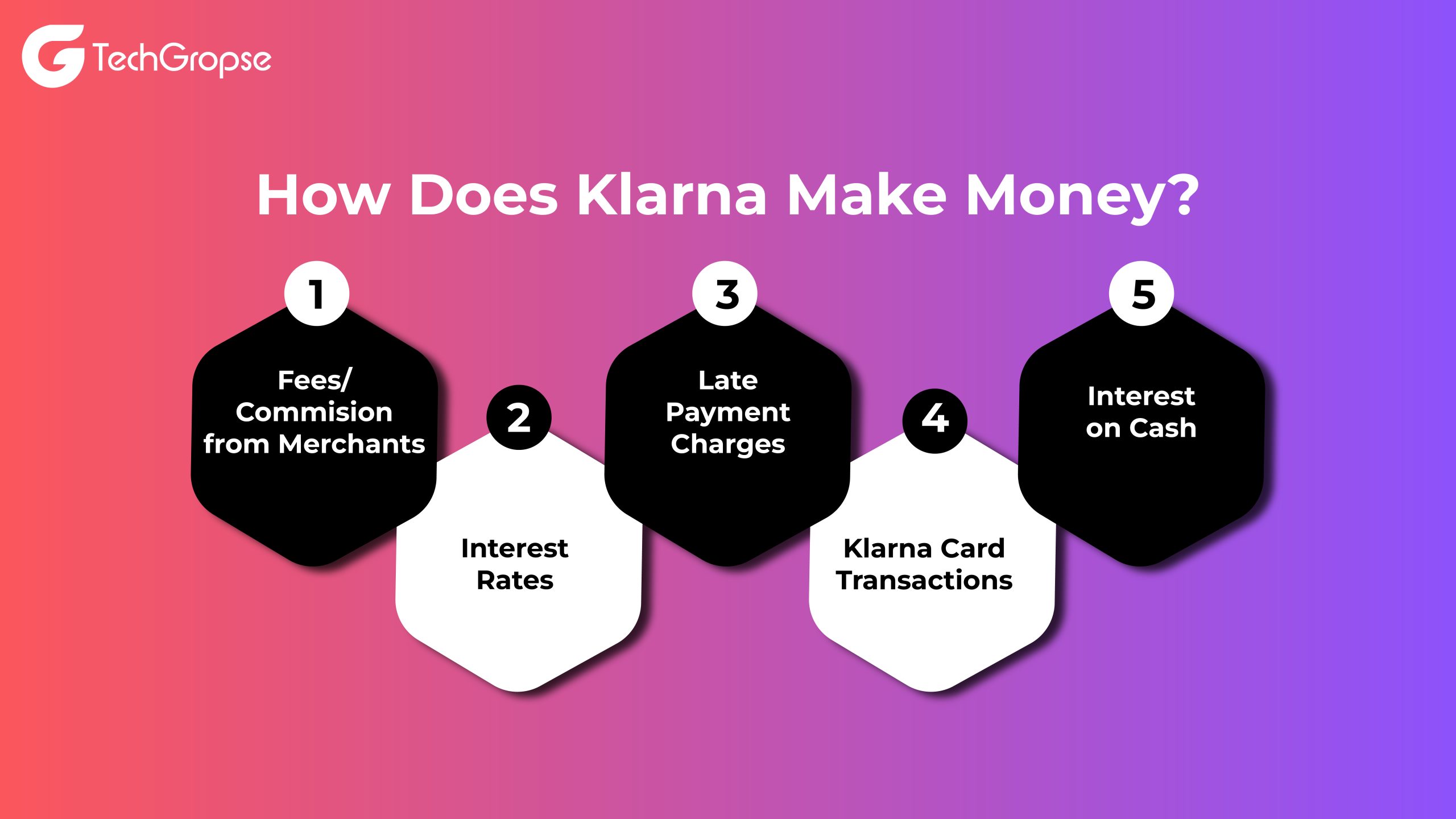
Klarna’s short-term products (Pay in 4 and Pay in 30) are marketed as interest-free. However, the financial risk shifts if a payment is missed. While Klarna has historically been more lenient than credit card companies, they do charge late fees if an automated payment fails and the user does not rectify it within a grace period. These fees, while capped, can represent a high percentage of the total purchase price if the original transaction value was low.
Credit Checks and Their Long-Term Effects
One of the most common questions regarding Klarna is how it affects credit scores. Klarna typically performs a “soft credit check” for its short-term products. This check does not impact your credit score and is not visible to other lenders. However, for their long-term financing products, a “hard credit check” is often required, which can cause a temporary dip in your credit score. Furthermore, as credit reporting agencies evolve, many are beginning to include BNPL payment history in their reports. This means that while a history of on-time payments might eventually help your score, a single missed payment could significantly damage it.
The Risk of “Phantom Debt”
Financial analysts often refer to BNPL obligations as “phantom debt.” Because these small installments do not always appear on traditional credit reports, it is easy for a consumer to lose track of their total liabilities. If a user has five different “Pay in 4” plans active simultaneously, their monthly “small” installments can quickly aggregate into a substantial financial burden that competes with essential expenses like rent or insurance.
Klarna in Your Personal Finance Strategy: Debt Management and Budgeting
When used strategically, Klarna is a sophisticated tool for cash flow management. When used impulsively, it can become a gateway to a debt cycle. The key to using Klarna effectively lies in integrating it into a broader financial framework.
Using Klarna as a Liquidity Tool
In the world of corporate finance, companies often use short-term debt to manage cash flow. Consumers can do the same. For example, if you need to purchase a necessary appliance but your funds are currently tied up in a high-yield savings account or an investment, using a “Pay in 4” plan allows you to keep your capital earning interest for a longer period. As long as the purchase is budgeted for and the payments are automated, you are essentially using Klarna’s capital for free.
The Risks of Over-extension and Impulse Spending
The primary danger of Klarna is psychological. By breaking a $400 purchase into four $100 payments, the “pain of paying” is reduced. This can lead to lifestyle inflation, where consumers purchase items they would not have bought if they had to pay the full price upfront. To mitigate this, savvy users should treat every Klarna purchase as an immediate deduction from their total net worth, rather than viewing the installments as “future” costs.
Comparison with Traditional Credit Cards
For many, the choice is between Klarna and a credit card. Credit cards often offer rewards points or cashback, which Klarna generally does not (though they have introduced their own “Vibe” or rewards programs recently). However, credit cards carry the risk of compounding interest if the balance isn’t paid in full. Klarna’s “Pay in 4” is superior for those who might carry a balance for 6-8 weeks, as they avoid the 20%+ APR typical of credit cards. Conversely, for those who pay their balances in full every month, a rewards credit card remains the more profitable financial tool.
The Economics of Klarna: How the Company and Merchants Make Money
To fully understand how Klarna works, one must look at the “other side” of the transaction. If the consumer isn’t paying interest on short-term plans, how does the platform survive? The answer lies in the value Klarna provides to retailers.
Merchant Fees vs. Consumer Fees
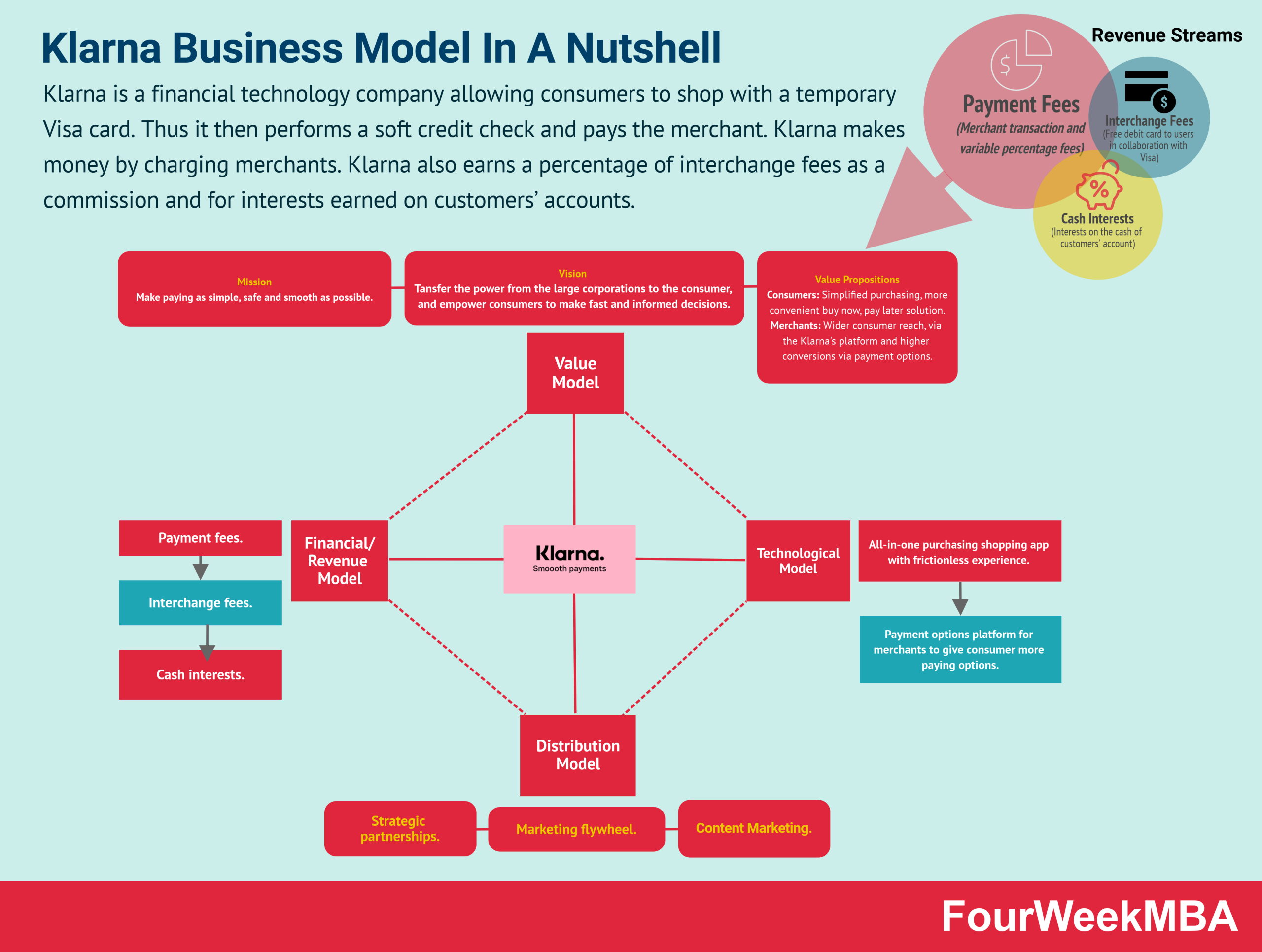
The bulk of Klarna’s revenue comes from merchants, not consumers. Retailers pay Klarna a percentage of each transaction (often higher than standard credit card processing fees) plus a small flat fee. Merchants are willing to pay this premium because Klarna significantly increases “conversion rates”—the likelihood that a browser becomes a buyer. Furthermore, Klarna’s data shows that users tend to have higher “Average Order Values” (AOV) when they can split the payment.
Data Monetization and the Shopping Ecosystem
Klarna is transitioning from a mere payment processor to a comprehensive shopping ecosystem. Their app acts as a hub where users can track deliveries, find deals, and even create wish lists. This provides Klarna with an immense amount of consumer data. By understanding spending habits, Klarna can offer targeted advertising and affiliate marketing, creating a new revenue stream that leverages the financial behavior of its user base.
Credit Risk and Underwriting
Klarna’s success depends on its ability to assess risk in milliseconds. Unlike a bank that looks at years of credit history, Klarna uses proprietary AI algorithms to analyze real-time data points. This allows them to approve or deny a transaction instantly. Their business model relies on the “law of large numbers”—while some users will inevitably default, the merchant fees and the interest from long-term financing cover those losses, provided their underwriting remains accurate.
Conclusion: Navigating the BNPL Era
Klarna represents a significant shift in the democratization of credit. It provides a flexible, often interest-free alternative to traditional banking that aligns well with the digital-first lifestyle. However, from a financial management perspective, it requires a high degree of self-discipline.
The “Pay in 4” model is a double-edged sword: it is an excellent tool for maintaining liquidity and managing monthly cash flow, but it also creates a psychological environment where overspending becomes easy. To master Klarna, a user must see past the “low” installment price and focus on the total cost of ownership. By understanding the credit implications, the fee structures, and the merchant-driven nature of the platform, consumers can use Klarna as a powerful financial asset rather than a liability. As the fintech space continues to grow, the ability to discern between helpful financial tools and predatory debt traps will remain the most important skill in any person’s financial toolkit.
aViewFromTheCave is a participant in the Amazon Services LLC Associates Program, an affiliate advertising program designed to provide a means for sites to earn advertising fees by advertising and linking to Amazon.com. Amazon, the Amazon logo, AmazonSupply, and the AmazonSupply logo are trademarks of Amazon.com, Inc. or its affiliates. As an Amazon Associate we earn affiliate commissions from qualifying purchases.