
Tax season is often met with a mixture of trepidation and confusion. However, in the realm of personal finance, understanding how to file a tax return is more than just a legal obligation; it is a fundamental pillar of financial literacy. Whether you are a salaried employee, a freelancer navigating the gig economy, or a seasoned investor, your tax return is a yearly financial snapshot that determines your liquidity, your eligibility for credit, and your overall wealth-building strategy.
Filing a tax return is the process of reporting your income, expenses, and other pertinent financial information to the government. This allows the tax authorities to calculate whether you owe additional taxes or if you are due a refund. In this comprehensive guide, we will break down the complexities of the filing process, focusing on the strategic financial decisions that can help you retain more of your hard-earned money.
Preparation and Documentation: The Foundation of Financial Compliance
The success of a tax return is determined long before you log into a filing portal or meet with a CPA. Preparation is the most critical phase. Without a systematic approach to documentation, you risk missing out on valuable deductions or, worse, triggering an audit due to inaccuracies.
Organizing Your Income Statements
The first step in filing is gathering all records of income earned throughout the fiscal year. For the traditional employee, this is primarily the W-2 form provided by an employer. However, as the “side hustle” culture and online income streams become more prevalent, many individuals must also account for various 1099 forms.
1099-NEC (Non-employee compensation) is essential for freelancers, while 1099-K forms are issued by payment processors like PayPal or Stripe. Additionally, if you have investments, you must collect 1099-INT for interest earned and 1099-DIV for dividends. Consolidating these documents early prevents the last-minute scramble that often leads to errors.
Identifying Deductions and Credits
In the world of personal finance, the goal is to reduce your taxable income. This is achieved through deductions and credits. A deduction reduces the amount of income that is subject to tax, while a credit is a dollar-for-dollar reduction in the actual tax bill.
Common deductions include student loan interest, mortgage interest, and contributions to Health Savings Accounts (HSAs). On the credit side, the Earned Income Tax Credit (EITC) and the Child Tax Credit can provide significant financial relief. Identifying which of these you qualify for requires a deep dive into your annual spending and life changes, such as moving for work or expanding your family.
The Role of Record-Keeping in Business Finance
For those who operate small businesses or work as independent contractors, record-keeping takes on a higher level of importance. You must track every business-related expense—from home office utilities and marketing costs to travel and software subscriptions. In the eyes of the tax authorities, if a transaction isn’t documented, it didn’t happen. Maintaining a dedicated business bank account and using financial tools like QuickBooks or FreshBooks can simplify this process, ensuring that when it comes time to file, your business finances are transparent and defensible.
Choosing the Right Filing Status and Method
The way you choose to file can significantly impact your tax liability. Your filing status is not just a label; it dictates your standard deduction amount and your tax brackets.
Understanding Filing Statuses
There are five main filing statuses: Single, Married Filing Jointly, Married Filing Separately, Head of Household, and Qualifying Surviving Spouse.
Choosing the correct status is vital. For instance, “Head of Household” generally offers a higher standard deduction and more favorable tax brackets than “Single,” but it requires meeting specific criteria regarding dependents and household maintenance costs. Conversely, for some couples, “Married Filing Separately” might be more advantageous if one spouse has significant out-of-pocket medical expenses or student loans tied to income-driven repayment plans. Evaluating these options is a core component of a sophisticated personal finance strategy.
Manual Filing vs. Electronic Filing (e-file)
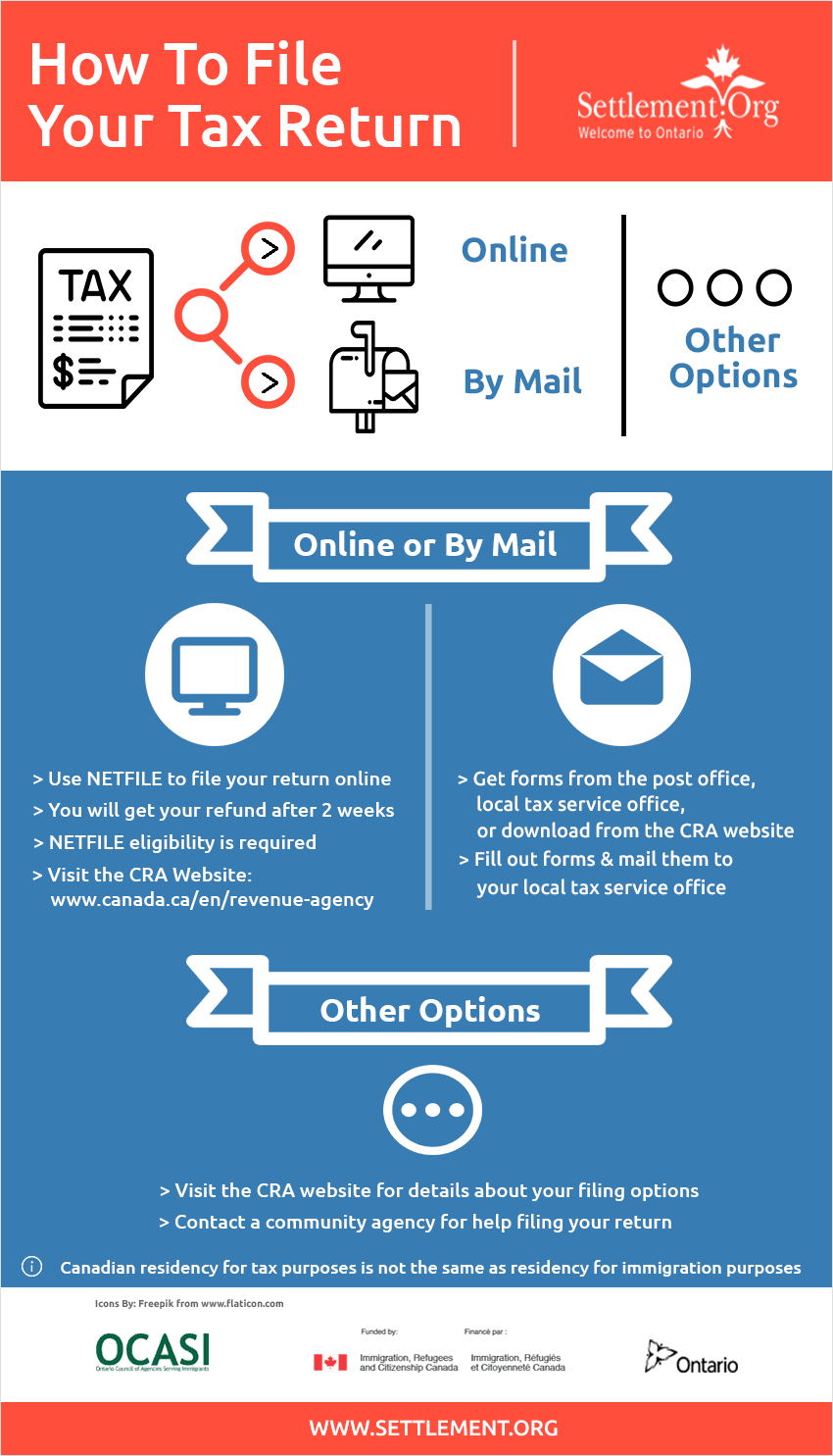
The era of paper forms and “snail mail” is rapidly closing. Electronic filing, or e-filing, has become the industry standard for several reasons: speed, accuracy, and security. Most e-filing platforms have built-in error-checking algorithms that catch common mistakes, such as missing signatures or incorrect Social Security numbers.
Moreover, if you are expecting a refund, e-filing combined with direct deposit is the fastest way to receive your funds—often within 21 days. In contrast, paper returns can take six to eight weeks to process and are more prone to being lost or misdirected.
Leveraging Financial Tools and Professional Advice
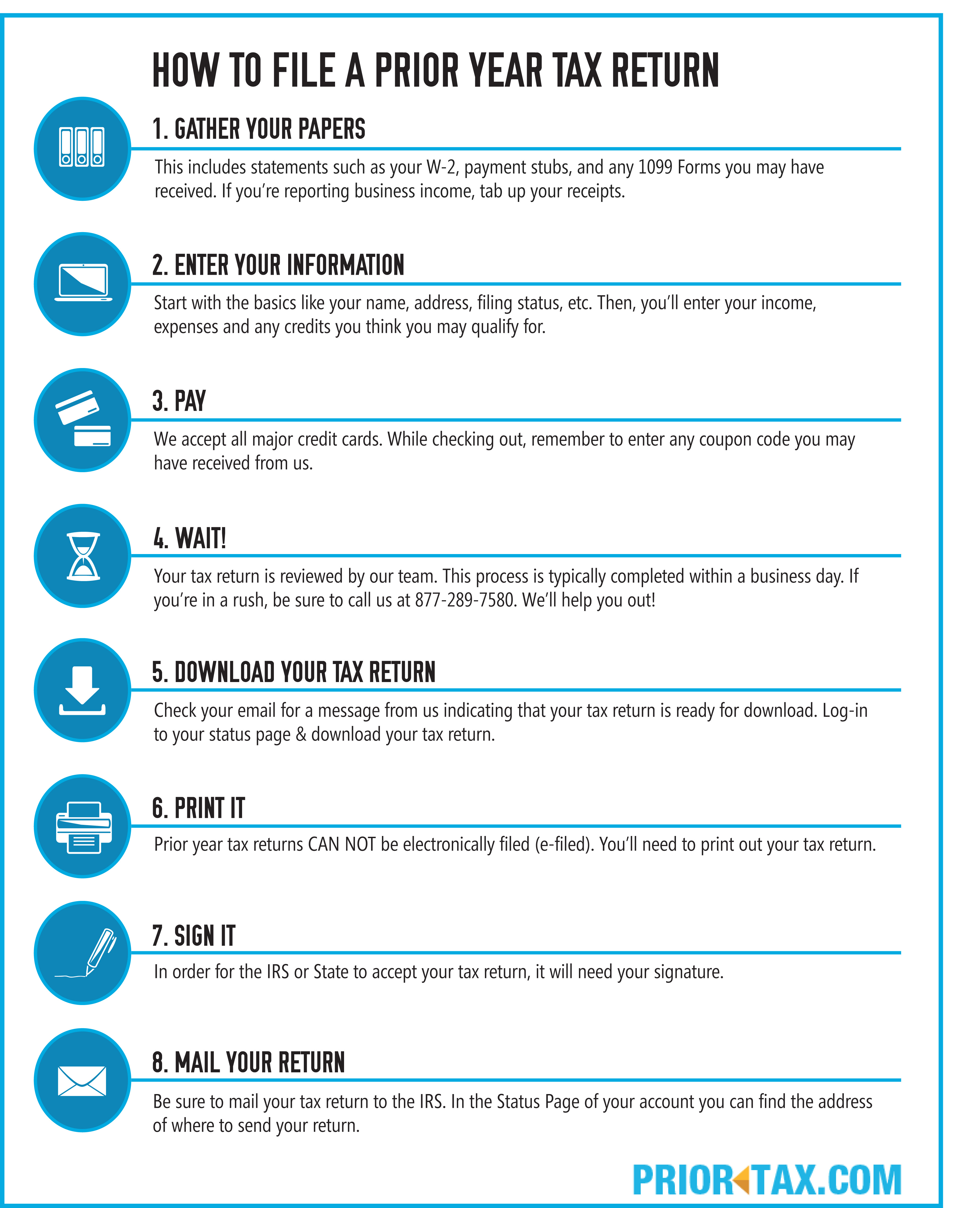
The complexity of your financial life should dictate the tools you use. If you have a single source of income and no dependents, free tax filing software may suffice. However, as your financial portfolio grows to include real estate, stock options, or international business interests, the DIY approach becomes risky.
In these cases, hiring a Certified Public Accountant (CPA) or a tax strategist is an investment rather than an expense. A professional can provide insights into tax-loss harvesting and other advanced maneuvers that software might overlook, ensuring your tax return aligns with your long-term wealth management goals.
Strategic Tax Planning: Maximizing Returns and Minimizing Liability
Effective tax filing is not just about looking backward at the previous year; it’s about positioning yourself for the future. By understanding the mechanics of the tax code, you can make proactive moves to lower your tax burden.
Standard Deduction vs. Itemized Deductions
One of the most significant decisions you will make when filing is whether to take the standard deduction or to itemize. The standard deduction is a fixed dollar amount that reduces the income on which you’re taxed. Itemizing involves listing each individual deduction (like charitable contributions, medical expenses, and state/local taxes).
Since the Tax Cuts and Jobs Act of 2017, the standard deduction has nearly doubled, making it the more beneficial choice for the majority of taxpayers. However, if your total itemizable deductions exceed the standard deduction threshold, itemizing can lead to substantial savings. This is particularly relevant for homeowners in high-tax states or individuals with significant philanthropic contributions.
Utilizing Retirement Accounts for Tax Benefits
Retirement planning and tax filing are inextricably linked. Contributions to a traditional 401(k) or a traditional IRA are often tax-deductible, meaning they reduce your Adjusted Gross Income (AGI) for the year you contribute.
For high-earners, this can be a powerful tool to drop into a lower tax bracket. On the flip side, contributions to a Roth IRA are made with after-tax dollars, meaning they don’t help you on this year’s tax return, but they provide tax-free income in retirement. Balancing these two types of accounts is a key element of a robust personal finance plan.
Investment Implications and Capital Gains
If you sell assets like stocks, bonds, or real estate, you must report capital gains or losses. Understanding the difference between short-term capital gains (assets held for less than a year) and long-term capital gains is crucial. Short-term gains are taxed at ordinary income rates, which can be as high as 37%, whereas long-term gains are taxed at much lower rates (0%, 15%, or 20%). Strategic investors often wait to sell profitable assets until they hit the one-year mark to capitalize on these lower rates, a practice known as tax-efficient investing.
Navigating the Submission Process and Post-Filing Best Practices
Once the forms are filled and the strategy is set, the final stage is submission and the subsequent management of your tax records.
Reviewing for Errors and Common Pitfalls
Before hitting the “submit” button, a thorough review is mandatory. The most common reasons for delayed refunds or IRS notices are simple clerical errors: transposed numbers in a Social Security number, misspelled names, or incorrect bank routing numbers. Ensure that your reported income matches the copies of the W-2s and 1099s that the IRS has also received. Discrepancies here are an immediate red flag for automated systems.
Handling Refunds and Payments
If your return shows that you overpaid throughout the year, you will receive a refund. While many view this as a “windfall,” from a personal finance perspective, a large refund is essentially an interest-free loan you gave to the government. You might consider adjusting your W-4 withholdings to increase your monthly take-home pay instead.
If you owe money, it is imperative to pay by the filing deadline, even if you have to request an extension to file your paperwork. An extension to file is not an extension to pay. Failure to pay on time results in interest and penalties that can compound quickly, undermining your financial stability.

Audit Protection and Future Financial Planning
After the return is filed, your job isn’t quite over. You should keep copies of your tax returns and all supporting documentation for at least three to seven years. In the event of an audit, these records are your only defense.
Finally, use the completion of your tax return as a moment for a “financial check-up.” Did you pay more in taxes than you expected? If so, look into increasing your retirement contributions or exploring other tax-advantaged accounts like 529 plans for education. By treating the tax return as a diagnostic tool for your financial health, you turn an annual chore into a strategic advantage for building long-term wealth.
aViewFromTheCave is a participant in the Amazon Services LLC Associates Program, an affiliate advertising program designed to provide a means for sites to earn advertising fees by advertising and linking to Amazon.com. Amazon, the Amazon logo, AmazonSupply, and the AmazonSupply logo are trademarks of Amazon.com, Inc. or its affiliates. As an Amazon Associate we earn affiliate commissions from qualifying purchases.