
In the intricate world of finance, where trust and clarity are paramount, a promissory note stands as a cornerstone agreement. Whether you’re lending money to a family member, financing a personal sale, or formalizing a business loan, understanding how to properly draft a promissory note is not just good practice—it’s essential for protecting both the lender and the borrower. This legally binding document outlines the terms of a loan, providing a clear roadmap for repayment and safeguarding against potential disputes.
While often seen as a simple “IOU,” a well-crafted promissory note is far more robust, acting as a legally enforceable promise to repay a debt. Ignoring its importance or drafting it carelessly can lead to significant financial headaches and legal battles down the line. This comprehensive guide will demystify the process, walking you through the critical components and best practices for creating an effective promissory note that stands up to scrutiny.
Understanding the Basics of a Promissory Note
Before diving into the specifics of drafting, it’s crucial to grasp what a promissory note is, when it’s typically used, and the various forms it can take. This foundational understanding ensures you choose the right type of note for your specific situation and include all necessary details.
What is a Promissory Note?
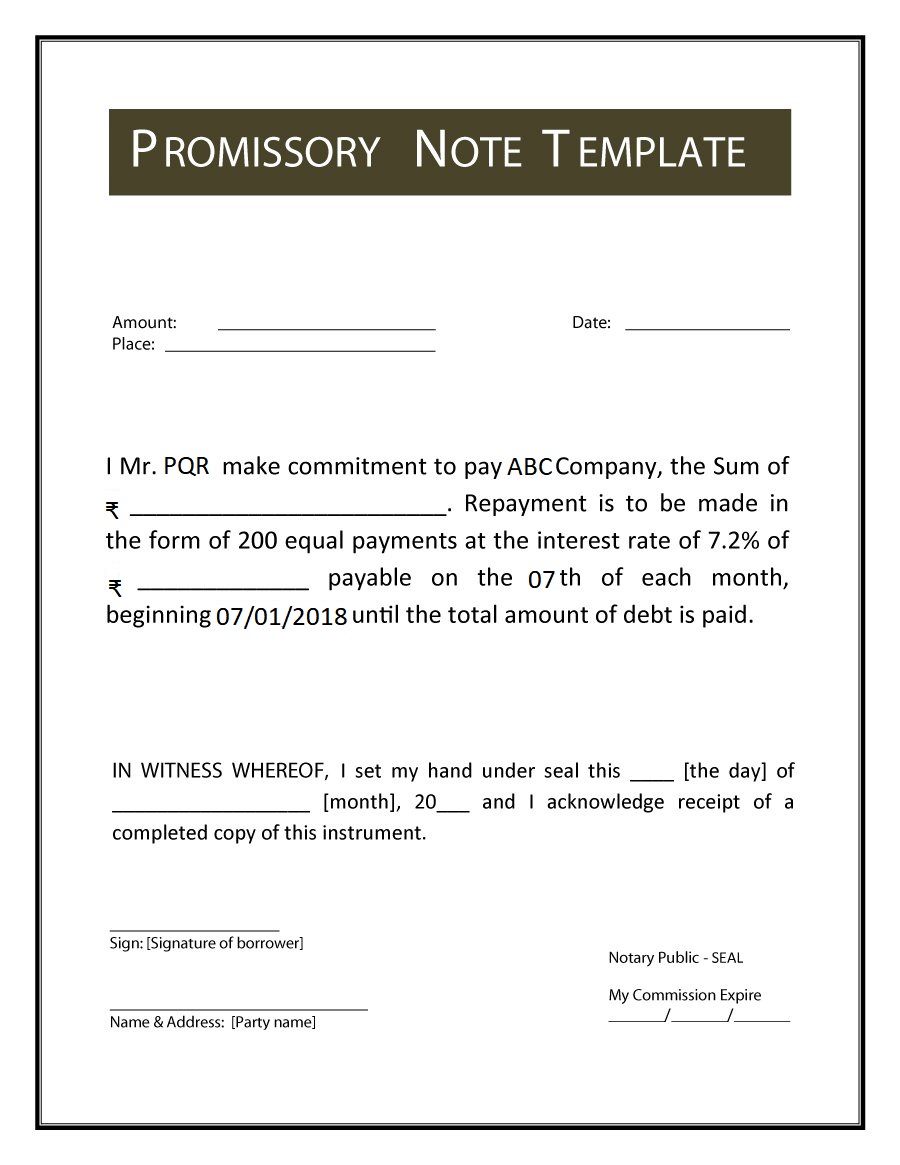
At its core, a promissory note is a written, unconditional promise by one party (the maker or borrower) to pay a definite sum of money to another party (the payee or lender) at a specified future date or on demand. It serves as a formal, legally binding acknowledgement of a debt and outlines the terms under which that debt will be repaid. Unlike a simple verbal agreement, which can be difficult to prove, a promissory note provides tangible evidence of the loan and its conditions. It’s essentially a legally enforceable contract that protects both parties by clearly defining their obligations and rights.
When to Use a Promissory Note
Promissory notes are versatile financial instruments used in a wide array of situations, both personal and commercial. Common scenarios include:
-
Personal Loans: Lending money to friends or family members for a down payment, medical expenses, or education. While these loans often stem from trust, a note formalizes the arrangement and avoids misunderstandings that can strain relationships.
-
Business Loans: When a business borrows money from a private lender, an investor, or even another business. This is common for startups seeking seed funding or established companies needing capital for expansion.
-
Real Estate Transactions: Used in some owner-financed property sales, where the seller acts as the lender, or for secondary financing like a second mortgage.
-
Student Loans: Often structured as promissory notes, particularly those from private lenders, outlining repayment terms post-graduation.
-
Vehicle Purchases: In some private sales, a promissory note can formalize the financing agreement between the buyer and seller.
The common thread in all these situations is the need for a clear, written agreement to prevent disputes and ensure repayment according to agreed-upon terms.
Types of Promissory Notes
Promissory notes aren’t one-size-fits-all; they come in several variations tailored to different lending scenarios. Understanding these types is vital for selecting the appropriate structure for your needs:
-
Simple Promissory Note: This is the most basic form, typically used for straightforward loans with a lump-sum repayment at a specific future date or in a few installments. It might or might not include interest.
-
Demand Promissory Note: Unlike other types, a demand note does not specify a fixed repayment date. Instead, the borrower promises to repay the loan “on demand” by the lender. This type offers flexibility to the lender but can create uncertainty for the borrower.
-
Secured Promissory Note: In a secured note, the borrower pledges an asset (collateral) to guarantee the loan. If the borrower defaults, the lender has the right to seize and sell the collateral to recover their losses. Common collateral includes real estate, vehicles, or business equipment. This type offers greater protection to the lender.
-
Unsecured Promissory Note: This type of note is not backed by any collateral. Repayment is solely based on the borrower’s creditworthiness and promise to pay. If the borrower defaults, the lender’s recourse is limited to legal action, which can be time-consuming and expensive. Unsecured notes are riskier for lenders and often come with higher interest rates if used in formal lending.
-
Installment Promissory Note: The most common type, where the borrower agrees to repay the loan in a series of scheduled payments (installments) over a period, often including both principal and interest.
Essential Elements of a Valid Promissory Note
A legally sound promissory note must contain specific, crucial elements to be enforceable. Omitting any of these can render the note invalid or create ambiguity that undermines its purpose.
Principal Amount and Interest Rate
This is the core financial detail. The note must clearly state:
-
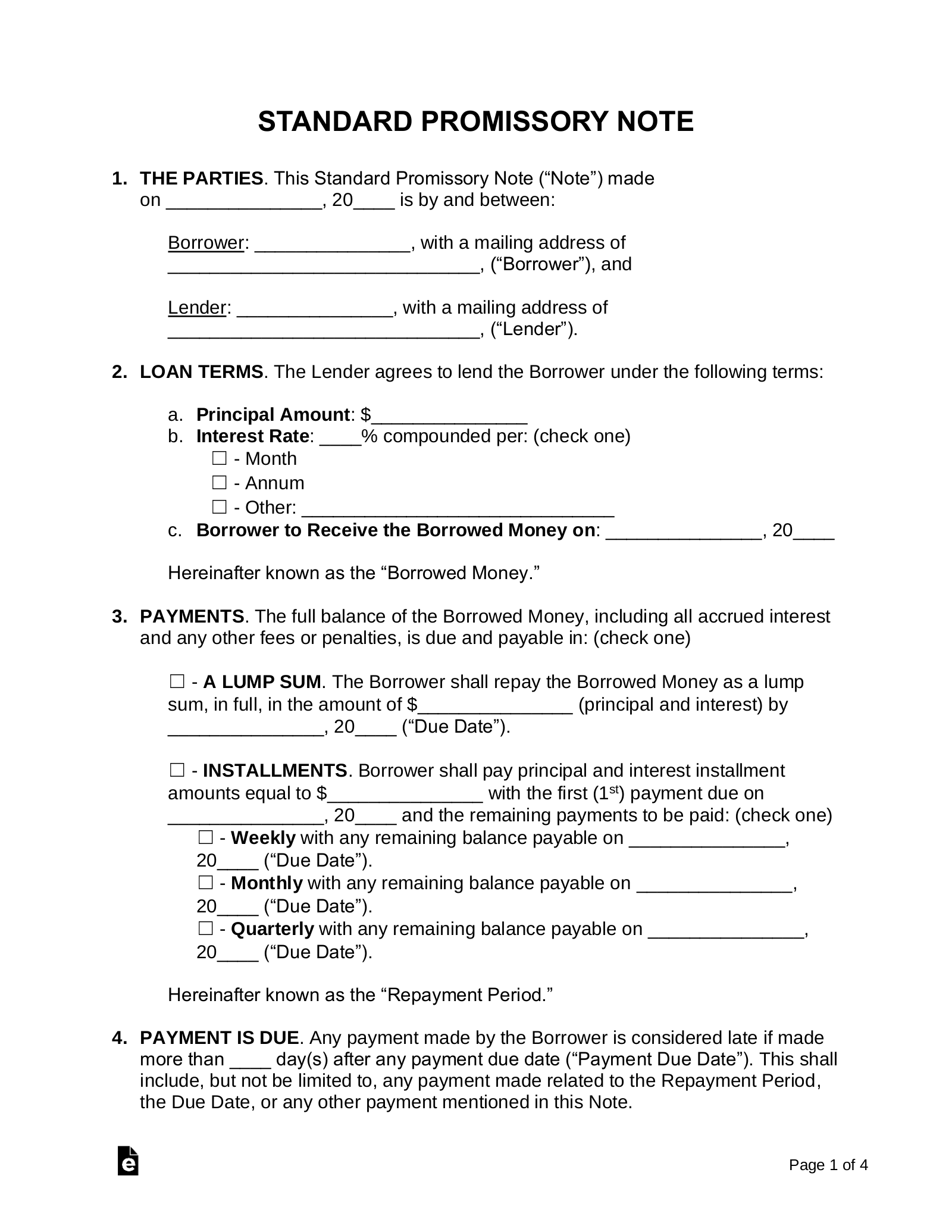
Principal Amount: The exact sum of money being borrowed. This should be written out in both numerical and word format to prevent discrepancies (e.g., “$10,000.00 (Ten Thousand Dollars and Zero Cents)”).
-
Interest Rate: If interest is being charged, the annual percentage rate (APR) must be explicitly stated. It should also specify how interest is calculated (e.g., simple interest, compound interest) and how often it accrues (e.g., monthly, annually). Be mindful of usury laws in your jurisdiction, which cap the maximum legal interest rate. If no interest is charged, the note should state “zero interest” or “no interest.”
Parties Involved (Lender & Borrower)
The note must unequivocally identify the individuals or entities involved in the transaction:
-
Borrower (Maker): Full legal name, current address, and contact information of the person or entity receiving the loan.
-
Lender (Payee): Full legal name, current address, and contact information of the person or entity providing the loan.
Accuracy here is critical for legal enforcement. If either party is a business, include its full legal business name and any relevant registration numbers.
Repayment Schedule and Terms
This section details how and when the loan will be repaid:
-
Payment Due Date(s): For installment notes, specify the due date for each payment (e.g., “on the 1st of each month”). For lump-sum notes, state the single due date. For demand notes, state “payable upon demand.”
-
Payment Amount: The exact amount of each installment payment, or the total lump sum.
-
Payment Method: How payments should be made (e.g., check, bank transfer, online payment platform).
-
Payment Frequency: How often payments are made (e.g., monthly, quarterly, annually).
-
Maturity Date: The final date by which the entire principal and any accrued interest must be repaid.
-
Prepayment Clause: State whether the borrower can repay the loan early without penalty. Most notes allow this, but it’s essential to clarify.
Default Clauses and Consequences
What happens if the borrower fails to meet their obligations? This section outlines the conditions that constitute a default and the remedies available to the lender:
-
Events of Default: Typically include failure to make payments on time, bankruptcy of the borrower, or breach of other terms in the note.
-
Late Fees: Specify the amount of the late fee if a payment is missed and when it will be applied (e.g., “a late fee of $X will be assessed if payment is not received within Y days of the due date”).
-
Acceleration Clause: This powerful clause allows the lender to demand the entire outstanding balance (principal and accrued interest) to become immediately due and payable if the borrower defaults on any payment or condition.
-
Collection Costs: A clause stating that the borrower is responsible for reasonable legal fees and collection costs incurred by the lender in enforcing the note due to a default.
Governing Law and Signatures
These administrative but crucial details ensure the note is legally robust:
-
Governing Law: Specify the state or jurisdiction whose laws will govern the promissory note. This is important because laws regarding contracts and interest rates vary by location.
-
Signatures: Both the borrower and the lender must sign and date the promissory note. This signifies their agreement to the terms. For business loans, the authorized representative of the business must sign.
-
Witnesses/Notarization: While not always legally required, having one or two impartial witnesses sign, or having the note notarized, adds an extra layer of authenticity and can be highly beneficial in proving the validity of the signatures if a dispute arises. A notary public verifies the identity of the signers and witnesses the signing, but does not verify the content of the document.
Step-by-Step Guide to Drafting Your Promissory Note
With a clear understanding of the essentials, let’s walk through the practical steps of creating your promissory note.
Gather Necessary Information
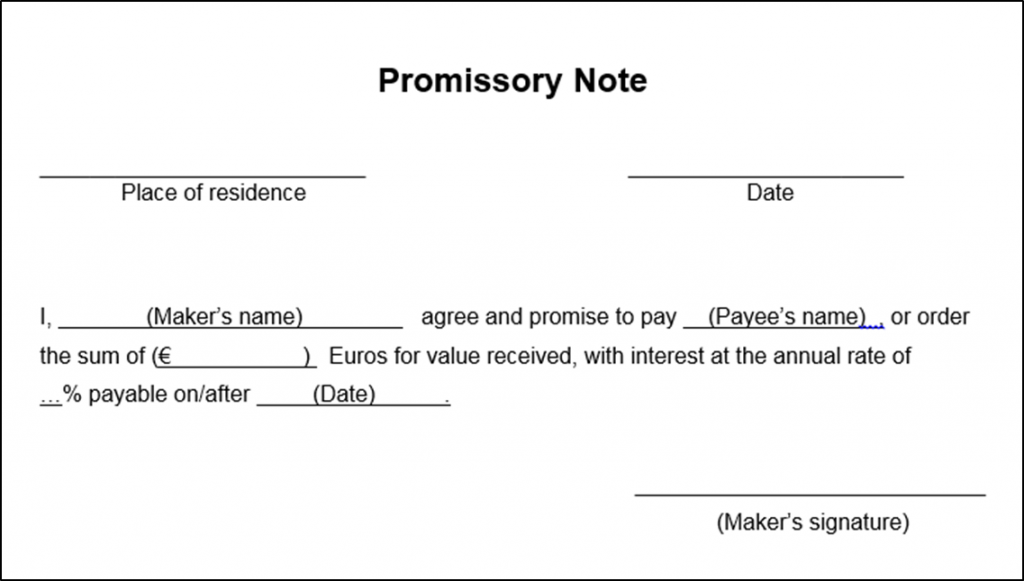
Before you start writing, compile all the pertinent details:
-
Full legal names and addresses of both borrower and lender.
-
The exact principal amount of the loan.
-
The agreed-upon interest rate (if any).
-
Details of the repayment schedule (payment amounts, due dates, frequency).
-
Any collateral being used for a secured note (description, value, location).
-
Desired late fees and default terms.
-
The state whose laws will govern the note.
Choose the Right Template or Software
While you can draft a note from scratch, using a reputable template or financial software can save time and ensure you don’t miss critical clauses. Many legal websites, financial institutions, and business resources offer free or low-cost promissory note templates. Ensure the template is specific to your jurisdiction (e.g., U.S. state, Canadian province) and allows for customization to fit your unique terms. Online legal document services also provide guided processes for creating such notes.
Clearly Define All Terms
Once you have your information and template, meticulously fill in all the details. Be excruciatingly precise and avoid vague language. Use clear, concise English. For example, instead of “pay back soon,” state “repay the full principal and accrued interest by [Date].” Double-check all numerical figures and dates. It’s often helpful to spell out numbers (e.g., “One Thousand Dollars”) in addition to writing them numerically to prevent ambiguity.
Include Legal Safeguards
Don’t overlook clauses that protect your interests. This includes:
-
Waiver of Presentment/Notice of Dishonor: Allows the lender to demand payment without formally presenting the note or providing notice if a payment is late.
-
Non-Waiver Clause: States that if the lender overlooks one default, it doesn’t mean they waive their right to enforce future defaults.
-
Severability Clause: If one part of the note is found to be unenforceable by a court, the rest of the note remains valid.
-
Integration Clause: States that the written note is the entire agreement and supersedes all prior verbal or written understandings.
Review, Sign, and Secure
After drafting, take these final critical steps:
-
Review Thoroughly: Both the borrower and the lender should meticulously review the entire document to ensure all terms are accurate, understood, and agreeable. It’s wise to read it aloud.
-
Sign and Date: Ensure both parties sign and date the document. Make sure signatures are legible and match legal names.
-
Consider Witnesses/Notarization: As mentioned, these add a layer of security. If using witnesses, ensure they are impartial adults not directly involved in the loan.
-
Secure Copies: Make multiple copies of the signed note. Each party should receive an original signed copy. Store your copy in a safe, secure place, such as a fireproof safe or a secure digital vault.
Legal Considerations and Best Practices
Drafting a promissory note involves more than just filling in blanks; it requires an awareness of legal nuances and best practices to ensure enforceability and fairness.
Importance of Clarity and Specificity
Ambiguity is the enemy of a strong legal document. Every clause, every term, and every number should be crystal clear. For instance, when describing collateral, be as specific as possible (e.g., “2020 Toyota Camry, VIN: [VIN Number]”). The more precise you are, the less room there is for misinterpretation or dispute later on.
The Role of Notarization
While generally not a legal requirement for a promissory note to be valid, notarization is a highly recommended best practice. A notary public acts as an impartial third-party witness, verifying the identities of the signers and confirming that they signed the document willingly. This authentication can be invaluable in court if there’s ever a challenge to the validity of a signature or the claim that a party didn’t actually sign the note.
Seeking Legal Counsel
For complex loan arrangements, large sums of money, or situations involving unique terms, it is always advisable to consult with a legal professional. An attorney specializing in contracts or financial law can review your draft, ensure compliance with state-specific regulations (especially regarding interest rates, disclosure requirements, and collection laws), and provide tailored advice to protect your interests. The cost of legal advice upfront is often negligible compared to the potential costs of a legal dispute arising from a poorly drafted note.
Record Keeping and Enforcement
Once the note is signed, the responsibility doesn’t end. Maintain meticulous records of all payments made and received. This includes dates, amounts, and methods of payment. If payments are made electronically, retain confirmation receipts. In the unfortunate event of a default, these records will be crucial evidence. Understand the steps for enforcement in your jurisdiction, which might include sending demand letters, pursuing mediation, or initiating legal action to recover the debt.
Common Pitfalls to Avoid
Even with the best intentions, certain mistakes can weaken a promissory note or render it unenforceable. Being aware of these common pitfalls can help you avoid them.
Vague Terms and Conditions
As emphasized, clarity is key. Avoid phrases like “repay as soon as possible” or “reasonable interest.” These terms are subjective and open to wildly different interpretations, leading to arguments. Every term should be quantifiable and unambiguous.
Ignoring State-Specific Laws
Laws governing interest rates (usury laws), disclosure requirements, and debt collection practices vary significantly from state to state. What’s legal in one state might be illegal or unenforceable in another. Always ensure your promissory note complies with the laws of the state specified as the governing law, especially regarding maximum allowable interest rates.
Lack of an Enforcement Plan
A promissory note is only as good as its enforceability. Some lenders draft a note but don’t consider what they’ll do if the borrower defaults. Thinking through default clauses, late fees, and the acceleration clause provides a roadmap for enforcement and ensures you have legal recourse. Without clear consequences for non-payment, the note can lose its teeth.
Overlooking Security Details
If you intend for the loan to be secured, merely stating it in the note isn’t enough. For assets like real estate or vehicles, you typically need to file additional documents (e.g., a mortgage or deed of trust for real estate, a UCC-1 financing statement for business assets) with the appropriate government authorities to perfect your security interest. This public filing puts others on notice of your claim to the collateral and gives you priority over other creditors in case of default. Failing to do this can leave your “secured” loan effectively unsecured.
A promissory note is a powerful financial tool that formalizes a debt and protects the interests of both borrowers and lenders. While seemingly straightforward, its efficacy hinges on careful drafting, precision, and adherence to legal principles. By understanding its fundamental components, following a structured drafting process, and being mindful of legal considerations and common pitfalls, you can create a robust and enforceable promissory note that serves its purpose effectively. When in doubt, always err on the side of caution and consult with a legal professional to ensure your financial agreements are sound and secure.
aViewFromTheCave is a participant in the Amazon Services LLC Associates Program, an affiliate advertising program designed to provide a means for sites to earn advertising fees by advertising and linking to Amazon.com. Amazon, the Amazon logo, AmazonSupply, and the AmazonSupply logo are trademarks of Amazon.com, Inc. or its affiliates. As an Amazon Associate we earn affiliate commissions from qualifying purchases.