
The landscape of financial transactions has undergone a profound transformation, with digital platforms becoming the norm for everything from daily purchases to investment management. Income tax payments are no exception. The traditional scramble for checks, envelopes, and post offices is rapidly being replaced by the convenience, security, and efficiency of online systems. For individuals and businesses alike, understanding how to effectively navigate the digital realm of tax payments is no longer a luxury but a necessity. This comprehensive guide will demystify the process, offering insights into the benefits, practical steps, available options, and crucial considerations for paying your income tax online. Embrace the future of tax compliance and streamline one of your most significant annual financial obligations.
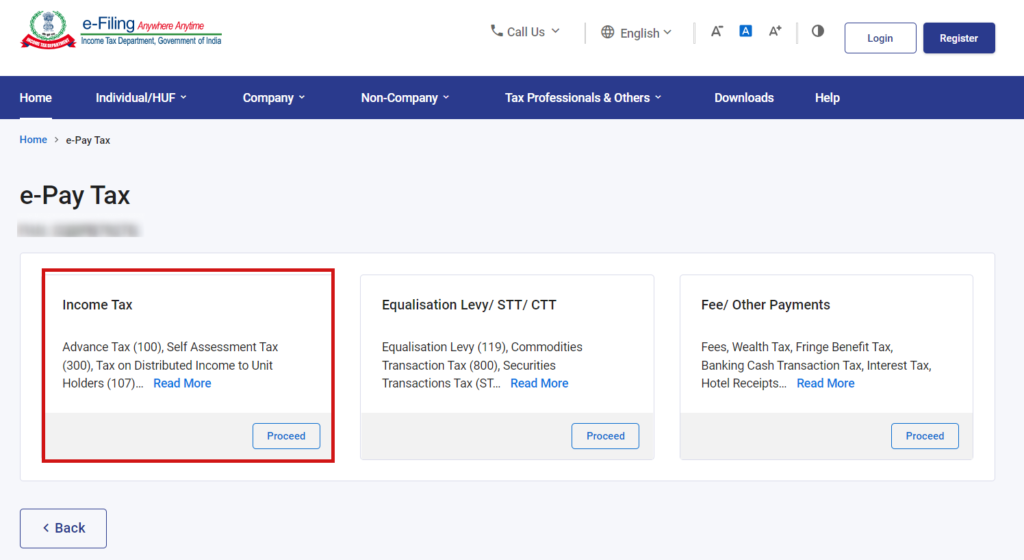
The Evolution of Tax Payments: Why Go Digital?
The shift from paper-based to digital tax payments represents a significant leap forward in financial administration. Driven by technological advancements and a global push for efficiency, tax authorities worldwide have invested heavily in robust online payment infrastructures. This evolution isn’t merely about convenience; it encompasses a range of advantages that benefit both the taxpayer and the government.
Convenience and Accessibility
One of the most compelling reasons to pay your income tax online is the unparalleled convenience it offers. Gone are the days of needing to physically visit a bank or post office during business hours, or worrying about mail delivery times. Online payment portals are accessible 24/7 from virtually anywhere with an internet connection – whether you’re at home, at work, or even traveling abroad. This flexibility allows taxpayers to manage their obligations on their own schedule, eliminating the stress and time commitment associated with traditional methods. Furthermore, the intuitive interfaces of most government tax portals are designed for ease of use, making the process straightforward even for those not highly tech-savvy. This accessibility democratizes the tax payment process, ensuring that everyone, regardless of their location or physical limitations, can meet their tax responsibilities efficiently.
Enhanced Security and Accuracy
When dealing with sensitive financial information, security is paramount. Online tax payment systems employed by government agencies utilize state-of-the-art encryption and security protocols to protect taxpayer data. This is often far more secure than mailing a check, which can be vulnerable to theft or loss. Digital transactions create an immediate, verifiable record, reducing the risk of payments being lost in transit or misapplied. Each online payment generates a confirmation number or receipt, providing irrefutable proof of payment that can be easily retrieved and stored. This digital trail significantly enhances accuracy, minimizing human error in data entry and reconciliation, and offering peace of mind that your payment has been correctly processed and attributed.
Environmental Impact and Efficiency
Beyond personal benefits, the transition to online tax payments contributes positively to broader environmental and administrative goals. Eliminating paper forms, checks, envelopes, and the associated transportation reduces a significant carbon footprint. This eco-friendly approach aligns with global sustainability efforts. From an administrative perspective, digital payments drastically reduce the manual processing burden on tax agencies. This efficiency translates into cost savings for governments, which can then reallocate resources to other critical services or potentially even reduce administrative overhead for taxpayers in the long run. The streamlined workflow allows for faster reconciliation of accounts, quicker identification of discrepancies, and overall more efficient management of national revenue.
Essential Steps to Paying Your Income Tax Online
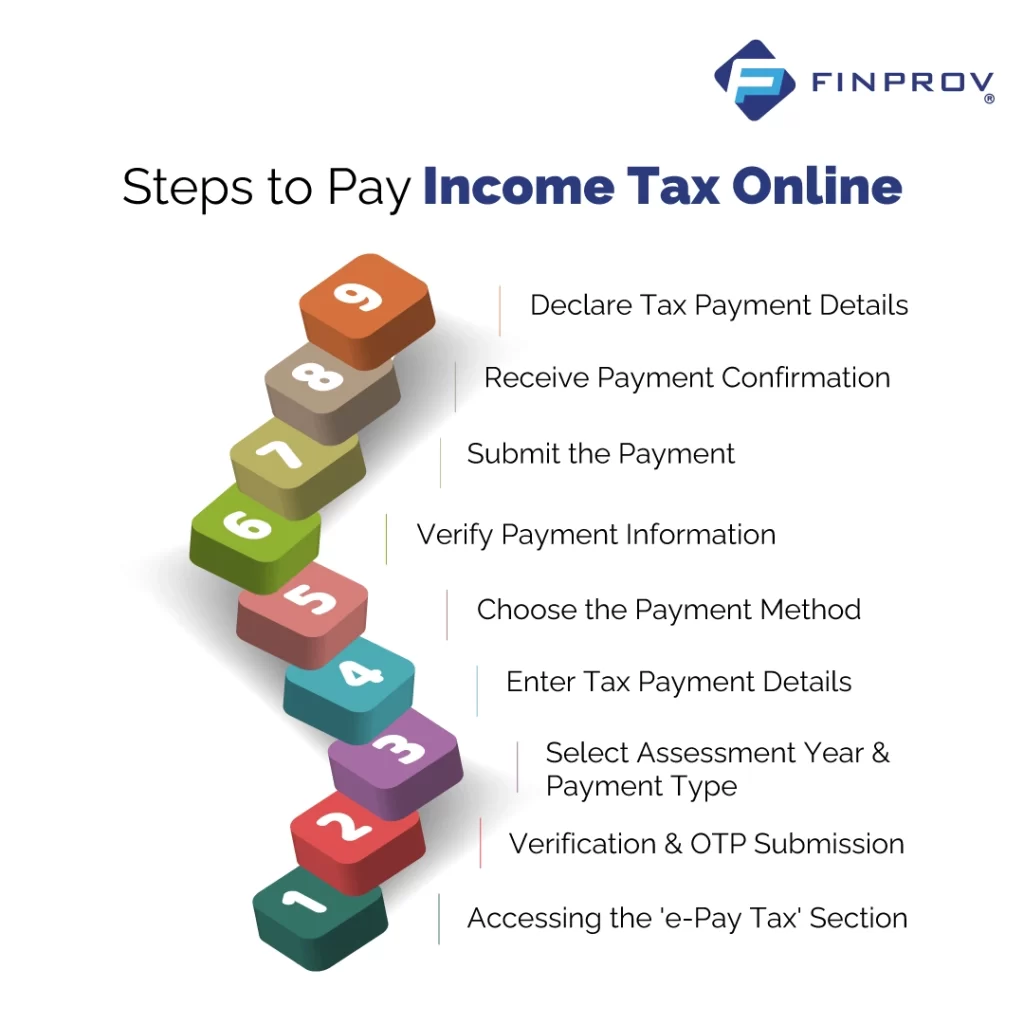
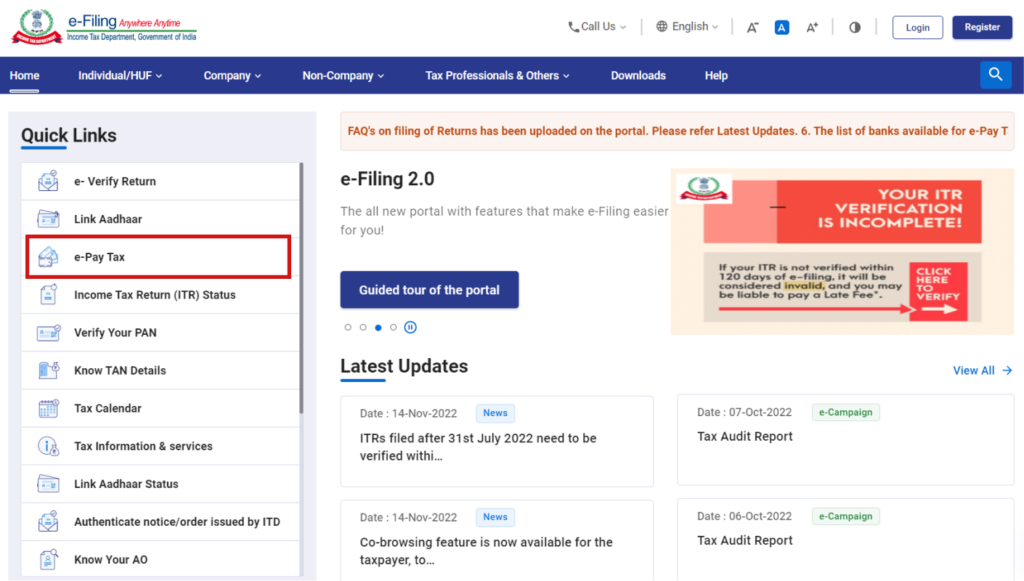
Paying your income tax online is a systematic process that, when followed correctly, can be incredibly smooth and stress-free. Regardless of whether you’re filing through a tax preparation software or directly via a government portal, these fundamental steps will guide you.
Gathering Your Documents
Before you even think about logging in, ensure you have all necessary documents at hand. This typically includes your completed tax return (whether prepared manually or through software), your Social Security Number (SSN) or Employer Identification Number (EIN), and your bank account information (routing and account numbers) if you plan to pay directly from your bank. If paying by credit or debit card, have your card details ready. Having everything organized beforehand minimizes interruptions and potential errors during the payment process. This also gives you an opportunity to double-check your calculations and ensure the amount you intend to pay is accurate.
Choosing the Right Online Payment Method
Most tax authorities offer multiple ways to pay online, catering to different preferences and financial situations. The most common methods include:
-
Direct Pay (ACH Debit): This involves authorizing the tax agency to electronically withdraw funds directly from your checking or savings account. It’s often free and highly secure.
-
Credit/Debit Card: Many systems allow you to pay with a major credit or debit card, offering convenience but often incurring a processing fee charged by a third-party payment processor.
-
Electronic Federal Tax Payment System (EFTPS): Primarily for businesses and individuals making estimated tax payments, this is a free service provided by the U.S. Treasury. It requires prior enrollment.
-
Third-Party Processors: Some tax software providers integrate payment options directly, or you might use an approved third-party service that facilitates payments.
Carefully consider which method suits your needs best, taking into account convenience, fees, and whether you need to schedule future payments.
Navigating the Tax Authority’s Website
Once you’ve decided on your payment method, head to the official website of your national or state tax authority. Look for a section clearly labeled “Pay Your Taxes,” “Make a Payment,” or similar. You will likely be prompted to enter your personal identification details (SSN/EIN), the tax year you are paying for, and the payment amount. Follow the on-screen instructions carefully, entering your chosen payment method details. Be vigilant about ensuring you are on an official government website (look for “.gov” domains or official links from reputable sources) to avoid phishing scams.
Confirming Your Payment and Record Keeping
After submitting your payment, wait for a confirmation page or email. This will contain a confirmation number, the amount paid, the date, and often the last four digits of the account or card used. This confirmation is crucial proof of payment. Print it out, save a digital copy, or both. Keep this record alongside your tax return documents. This meticulous record-keeping is vital for your financial records and can be invaluable if any discrepancies or questions arise later. Many tax authorities also allow you to view your payment history online, which can be a useful tool for verification.
Understanding Your Online Payment Options
Diving deeper into the specifics, understanding the nuances of each online payment method can help you make an informed decision that aligns with your financial strategy.
Direct Bank Transfer (ACH)
The Automated Clearing House (ACH) debit is arguably the most straightforward and cost-effective method for paying your income tax online. When you choose this option, you provide your bank’s routing number and your checking or savings account number. The tax authority then initiates an electronic withdrawal for the specified amount on a chosen date.
Pros: It’s generally free, secure, and direct. You have control over the payment date, which can be scheduled weeks in advance. It minimizes manual errors as the bank details are entered once.
Cons: Requires direct access to your bank account details. Once initiated, canceling or changing a payment can be more complex, although most systems allow modifications within a specific window before the scheduled date.
Credit Card / Debit Card Payments
Paying with a credit or debit card offers immense convenience, especially for those who prefer to keep their bank account details off government websites or want to leverage credit card rewards.
Pros: Quick and easy, often allows you to earn credit card rewards points, and provides an immediate layer of consumer protection through your credit card company.
Cons: The primary drawback is the convenience fee, typically a percentage of the payment amount (e.g., 1.87% to 2.5%), charged by the third-party payment processor. This fee can add a significant sum to your tax bill, especially for large amounts. Debit card fees are usually lower, often a flat nominal fee. Carefully weigh the benefits of rewards against these fees.
Electronic Federal Tax Payment System (EFTPS)
For certain taxpayers, particularly businesses or individuals who pay estimated taxes quarterly, the EFTPS is a robust, free, and secure platform. It’s a service provided by the U.S. Department of the Treasury.
Pros: Free, secure, and available 24/7. It allows for scheduling payments up to 365 days in advance and offers a comprehensive payment history. It’s ideal for those who make frequent or large tax payments.
Cons: Requires a one-time enrollment process, which can take several business days to complete as authentication details are mailed to you. This means you cannot use EFTPS for last-minute payments without prior registration.
Third-Party Payment Processors
Sometimes, tax preparation software (like TurboTax or H&R Block) will offer integrated payment options. These often rely on approved third-party payment processors who work directly with the tax authorities.
Pros: Seamless integration with your tax filing process, making it a “one-stop shop” experience. These processors are vetted and approved by tax agencies, ensuring security.
Cons: Similar to direct credit/debit card payments, these often come with a processing fee. It’s essential to understand who the processor is and what fees they charge before proceeding.
Common Pitfalls and How to Avoid Them
While online tax payments are efficient, they are not immune to potential issues. Being aware of common pitfalls can help you avoid unnecessary stress, penalties, or financial complications.
Double-Checking Information
The most common error in online payments is incorrect data entry. A single transposed digit in your bank account number, SSN, or payment amount can lead to significant problems, from bounced payments to misapplied funds. Always double-check every piece of information before submitting your payment. Many online portals have a review screen before final submission – use it diligently.
Understanding Deadlines and Penalties
Online payments must be initiated by the tax deadline. “Online” doesn’t mean “instantaneously processed” in all cases. While an ACH debit payment might be scheduled for the deadline date, some systems require submission a day or two in advance for the payment to be considered “on time.” Familiarize yourself with the specific cut-off times and dates for your chosen payment method. Missing a deadline can result in late-payment penalties and interest, which can accrue rapidly. If the deadline falls on a weekend or holiday, it typically shifts to the next business day.
Protecting Your Personal Information
Cybersecurity is paramount. Always ensure you are on the official government tax website (e.g., IRS.gov for federal U.S. taxes, or your specific state’s revenue department website). Be wary of suspicious emails or text messages claiming to be from tax agencies, especially if they ask for personal information or direct you to non-official payment sites. These are often phishing attempts. Use strong, unique passwords for your tax accounts and consider enabling multi-factor authentication if available. Never pay your taxes through an unsecured Wi-Fi network.
What to Do If You Can’t Pay on Time
Life happens, and sometimes you simply cannot pay your full tax liability by the deadline. It’s crucial not to ignore the situation. Most tax authorities offer options for taxpayers facing financial hardship. You can usually apply for an installment agreement, an offer in compromise, or a temporary delay in collection. While interest and sometimes penalties may still apply, these options can prevent more severe enforcement actions. The key is to file your return on time even if you can’t pay, and then proactively contact the tax agency to discuss payment arrangements. Online portals often have sections dedicated to these options.
Maximizing Your Online Tax Payment Experience
Beyond simply making a payment, leveraging the full capabilities of online tax systems can further enhance your financial management and peace of mind.
Utilizing Tax Preparation Software Integrations
If you use tax preparation software (like TurboTax, H&R Block, TaxAct, etc.), explore its payment integration features. Many programs allow you to pay your federal and state taxes directly from within the software once your return is complete. This streamlines the entire process, minimizing the need to re-enter information on separate government portals. The software often guides you through the payment steps and keeps a record of your payment details alongside your filed return.
Setting Up Payment Reminders
Modern online banking and financial management tools offer features to set up payment reminders. If you’re making estimated tax payments throughout the year, or simply want to be reminded of the annual deadline, leverage these tools. You can also sign up for email or text reminders directly from some tax agencies for key dates. Proactive reminders can prevent late payments and the associated penalties, ensuring you remain compliant and organized.
Reviewing Payment History
Most government tax portals provide access to your payment history. This feature is invaluable for record-keeping and financial planning. You can view all past payments, their dates, and amounts, which is useful for reconciling your bank statements, preparing for future tax years, or resolving any payment-related inquiries. Regularly reviewing your payment history ensures accuracy and helps you maintain a clear overview of your tax obligations. This digital trail serves as robust evidence of your compliance and diligence.
Conclusion
Paying your income tax online is a modern convenience that offers substantial benefits in terms of ease, security, and efficiency. By understanding the various payment methods, diligently following the necessary steps, and remaining vigilant against common pitfalls, taxpayers can navigate their annual obligations with confidence and precision. The digital transformation of tax payments is here to stay, and embracing it empowers you to manage your finances more effectively, stay compliant with tax laws, and contribute to a more streamlined and environmentally friendly administrative system. Move beyond traditional methods and step into the future of digital tax payments, making tax season a significantly less daunting experience.
aViewFromTheCave is a participant in the Amazon Services LLC Associates Program, an affiliate advertising program designed to provide a means for sites to earn advertising fees by advertising and linking to Amazon.com. Amazon, the Amazon logo, AmazonSupply, and the AmazonSupply logo are trademarks of Amazon.com, Inc. or its affiliates. As an Amazon Associate we earn affiliate commissions from qualifying purchases.