
Relocating with a beloved canine companion can be one of life’s most rewarding experiences, bringing the joy of shared adventures to new horizons. However, the seemingly straightforward question, “How do you ship a dog?” quickly unravels into a complex web of logistics, regulations, and, most significantly, a substantial financial commitment. Far from being a mere logistical challenge, shipping a dog is a multifaceted financial undertaking that demands meticulous budgeting, careful cost-benefit analysis, and strategic risk management. For pet owners contemplating this journey, understanding the economic underpinnings of pet relocation is paramount to ensuring a smooth, safe, and financially sound transition for their furry family member.
This article delves into the financial intricacies of shipping a dog, dissecting the various cost categories, comparing the economic implications of professional services versus DIY approaches, and outlining strategies for mitigating financial risks. By framing the discussion squarely within the domain of personal and business finance, we aim to provide a comprehensive guide for navigating the monetary aspects of pet travel, empowering owners to make informed decisions that prioritize their pet’s welfare without compromising their financial stability.
Decoding the Core Costs of Pet Travel
Shipping a dog is never a single-item expense. It’s a composite of several distinct financial outlays, each with its own set of variables and potential for escalation. A clear understanding of these core cost components is the first step toward building an accurate budget and avoiding unwelcome surprises.
Veterinary Expenses: A Non-Negotiable Investment
Before any travel plans can solidify, your dog’s health must be thoroughly assessed and certified, making veterinary care an initial and critical financial gatekeeper. The costs here are not discretionary but mandated by airline policies, governmental regulations, and the fundamental need to ensure your pet is fit for travel.
Expect expenses for:
- Health Certificates: These are official documents issued by a licensed veterinarian, confirming your dog is healthy enough to travel and free of contagious diseases. The cost varies based on the vet clinic and the complexity of the certificate required (e.g., domestic vs. international, specific destination requirements). For international travel, these often require endorsement by a USDA-accredited veterinarian, adding another layer of cost and administrative fee.
- Vaccinations and Parasite Treatments: Many destinations require up-to-date vaccinations (rabies, distemper, parvovirus, etc.) and parasite treatments (flea, tick, heartworm). If your dog’s records aren’t current, these costs will be an immediate expenditure. Some countries also require specific blood tests (e.g., rabies titer tests), which are often costly and require a significant lead time.
- Microchipping: While many pets are already microchipped, it’s a non-negotiable requirement for international travel and often for domestic air travel, serving as a permanent identification. If your dog isn’t chipped, this is an added vet expense.
- Pre-Travel Check-ups: A thorough examination before travel ensures your dog is medically cleared. Vets might recommend sedatives or anti-anxiety medications, which come with their own costs and considerations. These preventative checks are an investment in your pet’s health and can avert more significant medical expenses or travel disruptions down the line.
Collectively, these veterinary expenses can range from a few hundred to over a thousand dollars, especially for international travel with stringent requirements. They are a foundational investment in your dog’s safety and compliance, making them an unavoidable part of the financial equation.
Crate and Equipment: Essential Purchases with Varying Price Points
The travel crate, often referred to as a kennel, is more than just a box; it’s your dog’s personal sanctuary and safety enclosure during transit. Compliance with airline and IATA (International Air Transport Association) regulations is paramount, and these requirements dictate the design, size, and material of the crate, directly impacting its cost.
Factors influencing crate costs include:
- Size: Larger dogs require larger crates, which naturally cost more. Measuring your dog accurately and consulting airline guidelines are crucial to avoid purchasing a non-compliant crate, leading to wasted money and travel delays.
- Material and Durability: IATA-approved crates are typically made of rigid plastic or wood, designed for durability and ventilation. Cheaper, flimsy alternatives are often not accepted, so investing in a high-quality, IATA-compliant crate from the outset is a smart financial decision, potentially allowing for resale or reuse.
- Accessories: Beyond the crate itself, you’ll need IATA-approved food and water bowls that attach to the crate door, absorbent bedding, and “Live Animal” stickers. These smaller items, while individually inexpensive, add up to the total equipment cost.
- Buying vs. Renting: While buying a crate offers full ownership and potential resale value, some niche services offer crate rentals, which might be a cost-effective solution for a single-use scenario, depending on the rental duration and the crate size required. A cost-benefit analysis between purchase price, potential resale, and rental fees should be conducted.
Costs for crates alone can range from $100 for small dogs to $500+ for very large breeds. This is a one-time purchase, but its impact on the overall budget is significant and non-negotiable.
Transportation Fees: Air, Ground, and International Variances
This category typically represents the largest single expense in shipping a dog. The method of transport, the distance, and the destination all play critical roles in determining the final price tag.
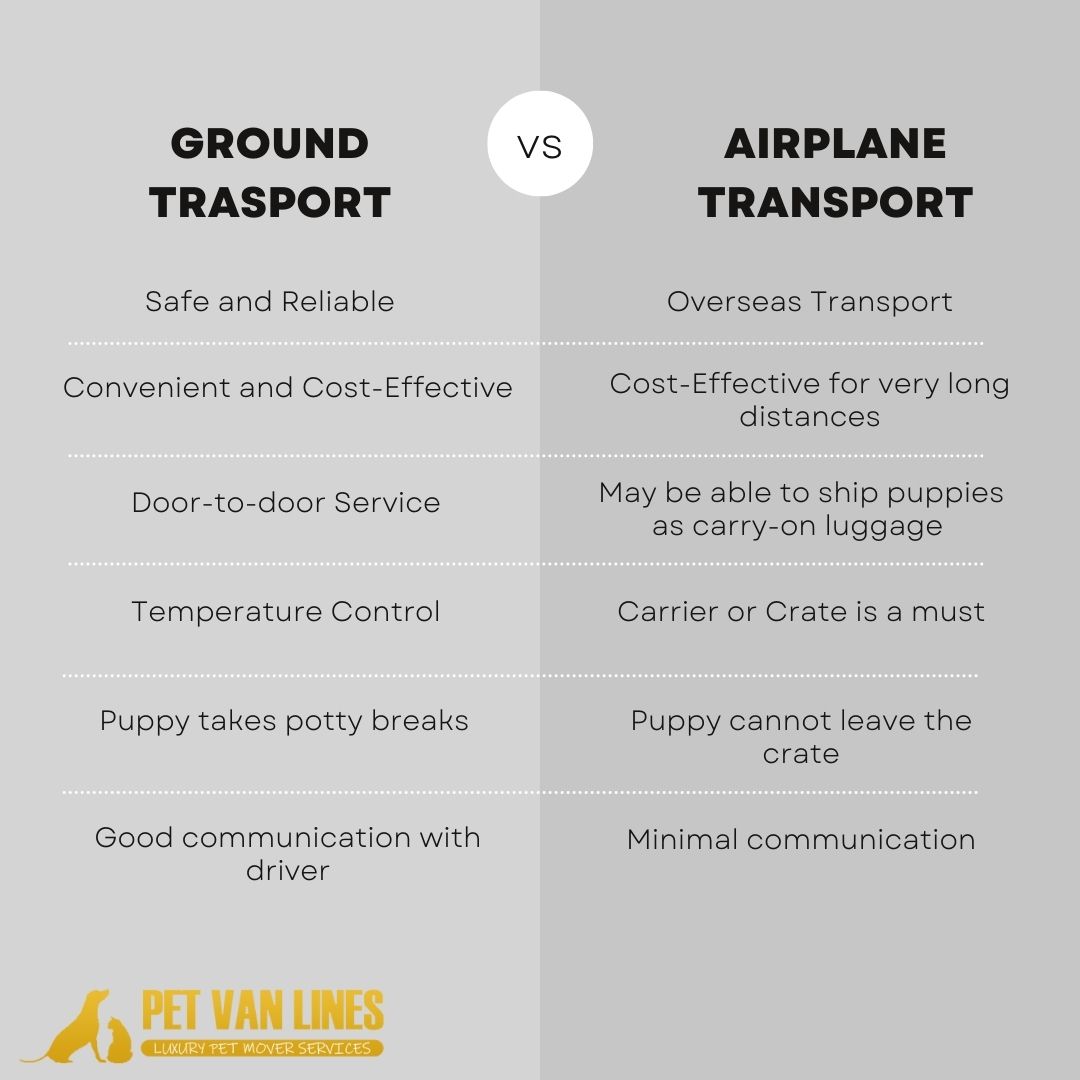
- Airline Cargo Fees: For air travel, dogs usually fly as manifest cargo, a specialized service separate from passenger baggage. Cargo fees are calculated based on the combined weight of the dog and its crate (volumetric weight often applies), the distance of travel, and the specific airline’s tariff structure. These fees can range from several hundred dollars for domestic flights to thousands for intercontinental journeys. Fuel surcharges, seasonal variations, and demand can also inflate these costs. Some airlines offer “excess baggage” options for smaller pets in the cabin or as checked baggage, which is generally less expensive but has strict size and breed restrictions.
- Ground Transportation: For shorter distances or if air travel is not feasible, professional ground transport services are an option. These services usually charge based on mileage, the number of pets, and the level of personalized care provided (e.g., private vs. shared transport). While potentially slower, ground transport can sometimes be more cost-effective for medium distances and can reduce stress for certain dogs by avoiding air travel.
- International Surcharges and Customs: Shipping a dog internationally introduces additional layers of financial complexity. Beyond the cargo fees, you’ll face customs clearance fees, import taxes, quarantine fees (if applicable for the destination country), and potentially charges for specific inspections or handling at the port of entry. These fees are highly country-specific and can add hundreds, if not thousands, of dollars to the total.
The variability in transportation fees is immense, making it crucial to obtain multiple quotes from different airlines and ground transporters, factoring in all potential surcharges and destination-specific regulations.
Professional Services vs. DIY: A Cost-Benefit Analysis
Once the fundamental costs are understood, the next financial decision involves choosing how to manage the relocation process: engaging a professional pet relocation service or handling all logistics yourself (DIY). Each approach presents distinct financial implications in terms of direct costs, hidden expenses, and the value of time and peace of mind.
The Investment in a Professional Pet Relocation Service
Hiring a professional pet relocation service is akin to outsourcing a complex project. These companies specialize in navigating the intricate maze of pet travel regulations, paperwork, bookings, and customs procedures. While they command a premium, their fees often represent an investment in expertise, convenience, and risk reduction.
What you pay for when hiring a professional service:
- Expertise and Compliance: Professionals are up-to-date on ever-changing airline rules, IATA regulations, and country-specific import laws. Their knowledge minimizes the risk of costly errors, delays, or even refusal of entry for your pet due to incorrect paperwork or non-compliant crates. This saves you potential fines, rebooking fees, or unexpected veterinary costs.
- Logistical Coordination: They handle everything from booking flights and ground transport to liaising with veterinarians for health certificates and managing customs clearance. This alleviates immense stress and saves significant time, which for busy individuals, translates directly into financial value (opportunity cost of your time).
- Network and Resources: Professional shippers often have established relationships with airlines, customs brokers, and even kennel facilities at transit points. This network can facilitate smoother processes and resolve issues more efficiently.
- Peace of Mind: The emotional and psychological cost of worrying about your pet’s journey is significant. Paying for a service that ensures all details are meticulously handled offers invaluable peace of mind, allowing you to focus on your own relocation.
The cost of a professional service can range from $1,500 to $5,000+ for international moves, depending on the complexity, distance, and level of service. While a substantial upfront cost, it often proves to be a wise financial decision when weighed against the potential for costly mistakes and personal time investment in a DIY approach.
DIY Shipping: Potential Savings and Hidden Costs

Opting to manage your dog’s relocation yourself might initially appear as a budget-friendly alternative, cutting out the service fees of professionals. However, this path is fraught with potential hidden costs and demands a significant investment of your own time and effort.
Potential savings of DIY include:
- Direct Service Fee Avoidance: The most obvious saving is the absence of a professional service’s fee, which can be thousands of dollars.
Hidden costs and considerations for DIY:
- Time Investment: Researching airline policies, IATA standards, destination country regulations, finding suitable vets, booking flights, and completing paperwork is incredibly time-consuming. If your time has a high monetary value (e.g., lost work hours), these “savings” can quickly evaporate.
- Risk of Errors and Penalties: A single mistake in paperwork, an outdated vaccination, or a non-compliant crate can lead to significant financial penalties. These could include rebooking fees, additional vet visits, extended kennel stays, or even quarantine charges at the destination. Such unforeseen expenses can quickly outweigh any initial savings.
- Stress and Emotional Labor: The psychological burden of managing such a complex process, especially when your pet’s well-being is at stake, is a real cost, even if not directly monetary. Stress can lead to poor decision-making or overlooked details.
- Lack of Leverage: Individuals typically lack the direct access or influence that professional shippers have with airlines or customs, which can make resolving issues more challenging and potentially more expensive.
For domestic moves that are relatively straightforward, DIY might be feasible and financially advantageous for highly organized individuals with ample time. However, for international or complex moves, the perceived savings often come at the expense of increased risk, stress, and potentially higher actual costs in the long run if errors occur. A comprehensive financial analysis must account for both direct expenses and the indirect costs of time, effort, and potential pitfalls.
Mitigating Financial Risks: Insurance and Contingency Planning
Even with meticulous planning, unforeseen events can disrupt pet travel plans and lead to unexpected financial burdens. Strategic financial planning for pet relocation must include measures to mitigate these risks, primarily through pet travel insurance and the establishment of a contingency fund.
Pet Travel Insurance: Protecting Your Investment and Your Pet’s Well-being
Just as you would insure valuable cargo or your own health, insuring your pet during transit is a prudent financial decision. Pet travel insurance offers a financial safeguard against a range of potential mishaps, transforming unpredictable losses into manageable costs.
Types of coverage typically include:
- Transit Insurance: This usually covers loss, theft, injury, or death of the pet during the shipping process. The cost is often a percentage of your pet’s declared value or a flat fee, providing compensation in the unfortunate event of a major incident.
- Medical Emergency Coverage: Some policies extend to cover emergency veterinary care required due to illness or injury sustained during travel or immediately upon arrival. This can be crucial given the potential stress of travel on an animal’s health.
- Delay/Cancellation Coverage: Certain policies may cover additional costs incurred due to flight delays or cancellations, such as extended kennel stays, rebooking fees, or unexpected accommodation.
The cost of pet travel insurance varies based on the coverage level, the pet’s age, breed, and the duration/destination of travel. While an added expense, it provides invaluable financial protection against what could otherwise be devastating and prohibitively expensive emergencies. It’s an investment in risk management that shields your personal finance from potentially catastrophic unplanned expenses.
Building a Contingency Fund for Unexpected Expenses
No matter how carefully you plan, pet travel can throw curveballs. A flight delay, a missed connection, an unexpected quarantine requirement, or a minor health issue upon arrival can all result in additional, unplanned expenses. A dedicated contingency fund is an essential financial buffer.
Allocate funds for:
- Extended Kennel Stays: If flights are delayed or you face customs issues, your pet might need an extra night or two at a professional kennel at a layover city or upon arrival.
- Emergency Veterinary Care: Even if insured, an initial consultation or minor treatment might be out-of-pocket before insurance kicks in, or for conditions not covered.
- Additional Ground Transport: Changes in flight schedules might necessitate last-minute changes to ground transport arrangements, potentially incurring extra fees.
- Administrative Fees: Unexpected paperwork requirements or expedited processing fees can arise.
- Personal Accommodation: If your pet’s arrival is delayed, you might need to extend your own temporary accommodation, adding to your overall relocation expenses.
A general rule of thumb is to budget an additional 10-20% of your estimated total shipping costs as a contingency. This financial cushion prevents minor disruptions from spiraling into major budget crises and ensures you have the means to respond effectively to any unforeseen challenges, prioritizing your pet’s safety and comfort above all else.
Strategic Financial Planning for a Smooth Pet Relocation
Beyond understanding the individual costs and mitigating risks, successful pet relocation from a financial perspective requires overarching strategic planning. This involves diligent budgeting, leveraging cost estimation tools, and prioritizing value beyond simply the lowest price.
Budgeting and Cost Estimation Tools
Effective budgeting is the cornerstone of managing the financial demands of pet relocation. It allows you to visualize all potential expenses, allocate funds appropriately, and make informed decisions.
- Detailed Spreadsheets: Create a comprehensive spreadsheet that lists every conceivable expense category: vet fees (itemized), crate purchase, airline cargo fees, ground transport, insurance, professional service fees (if applicable), potential quarantine costs, and your contingency fund. Track actual expenses against budgeted figures.
- Online Cost Estimators: Many professional pet relocation companies offer online calculators or provide free quotes. Utilize these tools, even if you plan to DIY, to get a baseline understanding of market rates and potential cost ranges for your specific route and pet size.
- Multiple Quotes: Obtain at least three quotes for each major service (airlines, ground transporters, professional services) to compare prices, inclusions, and service levels. Be wary of quotes that seem significantly lower than others, as they might hide fees or offer substandard service.
- Timeline Integration: Map out expenses against your relocation timeline. Some costs (vet certificates, specific vaccinations) are time-sensitive, and delaying them can lead to rush fees or missed deadlines, requiring costly re-planning.
Early and thorough budgeting, combined with detailed cost estimation, allows you to anticipate financial demands, make necessary adjustments to your savings plan, and secure services well in advance, potentially locking in better rates.

Optimizing Value: Beyond the Lowest Price
While cost-consciousness is vital, choosing the cheapest option for pet shipping can often be a false economy, leading to greater financial burdens and emotional distress in the long run. Strategic financial planning for pet relocation emphasizes optimizing value – balancing cost with reliability, safety, and your pet’s well-being.
Consider:
- Reputation and Safety: Research the safety records of airlines and professional transporters. An airline with a higher, albeit more expensive, safety record for live animal transport is a better investment than a cheaper one with a history of incidents. The financial and emotional cost of a pet injury or worse is immeasurable.
- Service Inclusions: Compare what is included in professional service quotes. A slightly higher fee might cover services like customs clearance, door-to-door transport, or real-time tracking, which could save you time and additional expenses later.
- Communication and Support: The ability to communicate effectively with your chosen shipper or airline throughout the process is invaluable. Good communication can prevent misunderstandings that lead to costly errors or delays.
- Pet Comfort and Stress Reduction: Investing in a properly sized, comfortable crate, choosing routes with minimal layovers, or opting for climate-controlled ground transport can reduce stress on your pet. While these might incur slightly higher costs, they are an investment in your pet’s health, potentially preventing expensive veterinary bills caused by travel-related stress or illness.
Ultimately, the goal is not merely to minimize expenditure but to maximize the value received for your investment. This means prioritizing the safe, comfortable, and compliant transit of your dog, recognizing that these aspects directly contribute to avoiding more significant financial and emotional costs down the line.
In conclusion, shipping a dog is a journey that intersects profoundly with financial planning and management. From the initial veterinary assessments and equipment purchases to the major outlays for transportation and professional services, every step involves a financial decision. By adopting a professional, insightful, and engaging approach to budgeting, risk mitigation through insurance, and a strategic focus on value over mere cost reduction, pet owners can confidently navigate the financial landscape of pet relocation, ensuring their beloved companion arrives safely and sound, ready for new adventures.
aViewFromTheCave is a participant in the Amazon Services LLC Associates Program, an affiliate advertising program designed to provide a means for sites to earn advertising fees by advertising and linking to Amazon.com. Amazon, the Amazon logo, AmazonSupply, and the AmazonSupply logo are trademarks of Amazon.com, Inc. or its affiliates. As an Amazon Associate we earn affiliate commissions from qualifying purchases.