
In the vast ecosystem of software development, precision is the difference between a revolutionary application and a digital failure. At the heart of this precision lies the Software Requirements Specification (SRS). Often referred to as the “blueprint” of the development lifecycle, the SRS is a comprehensive document that outlines exactly what a software system should do and how it should perform. For project managers, stakeholders, and developers alike, understanding the SRS is the foundational step toward building a successful product.
The Anatomy of a Software Requirements Specification
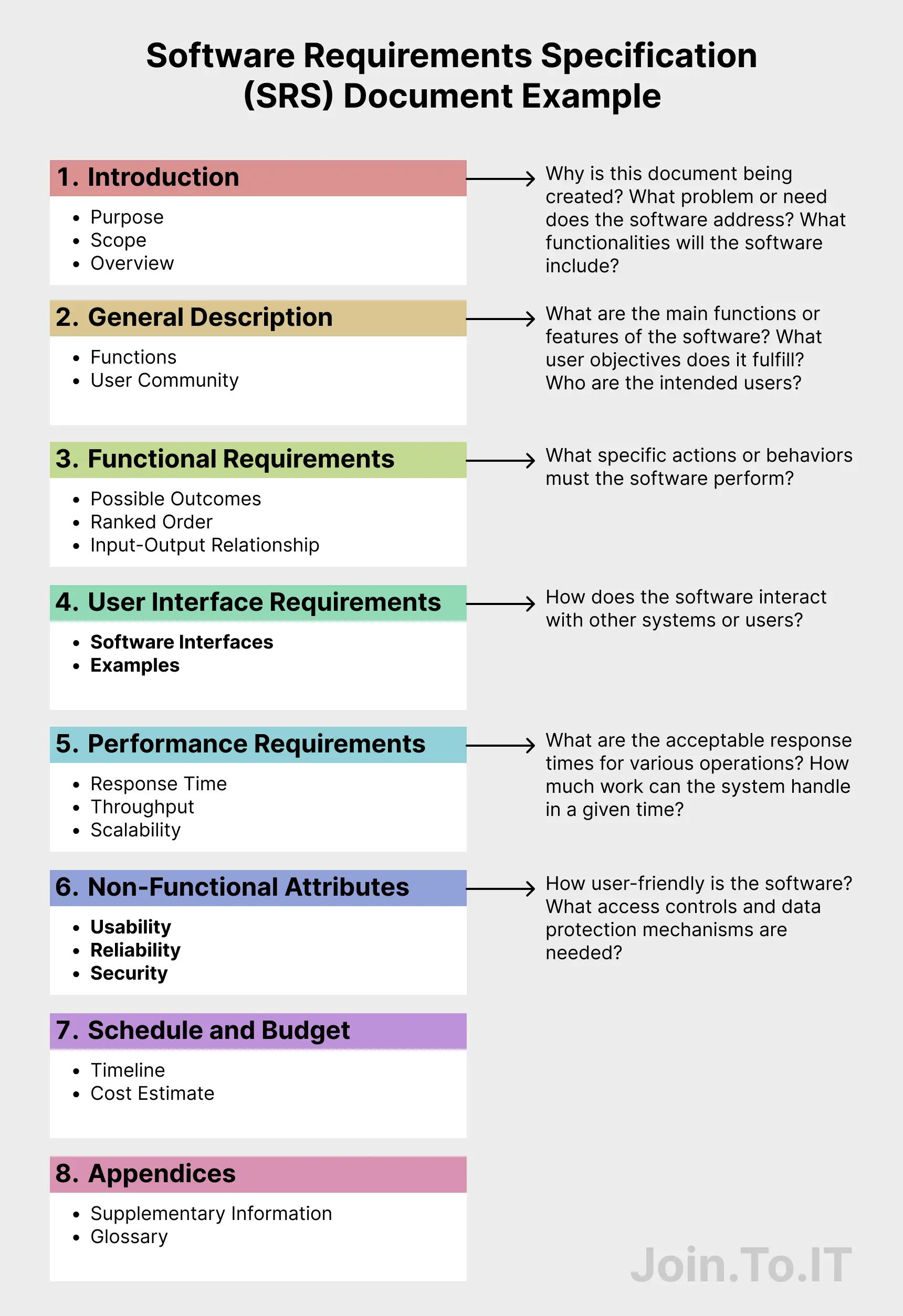
An SRS is not merely a wish list of features; it is a rigorous, structured document that bridges the gap between client expectations and engineering reality. It serves as a contract between the stakeholders and the development team, ensuring that all parties have a unified understanding of the project’s scope.
Defining Functional Requirements
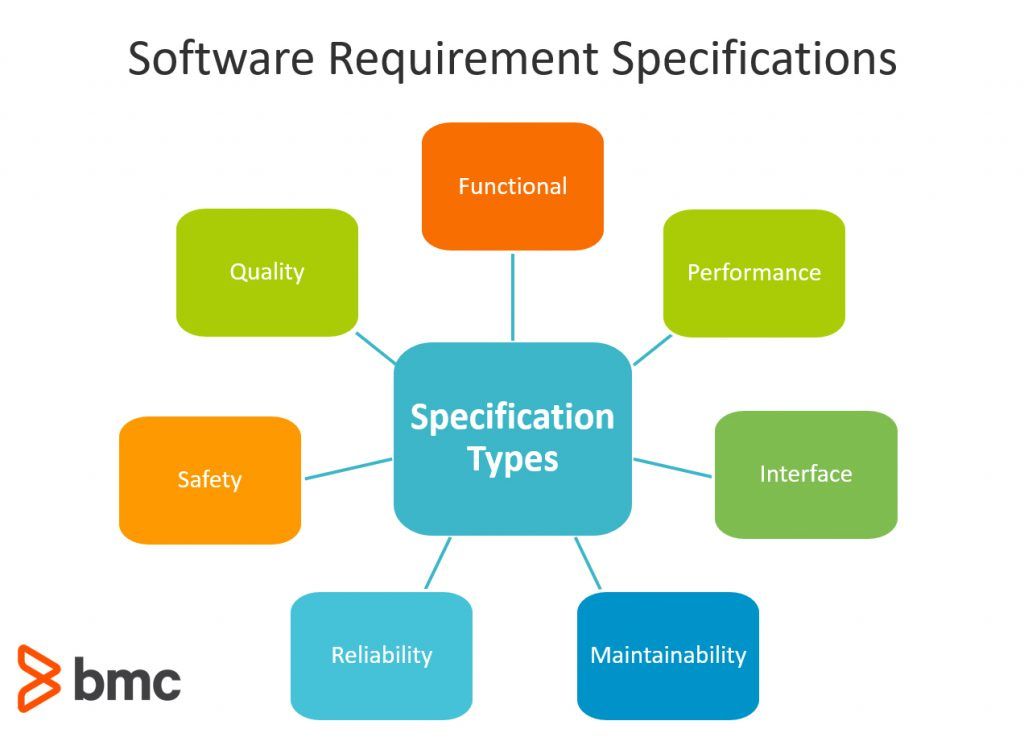
Functional requirements constitute the “meat” of the SRS. These define the specific behaviors, services, and functions that the system must provide. If you are building an e-commerce platform, a functional requirement might state, “The system shall allow users to filter products by price range” or “The system shall process credit card payments via a secure third-party gateway.” These points must be atomic, verifiable, and unambiguous so that developers know exactly what to code and testers know exactly what to validate.
Mapping Non-Functional Requirements
While functional requirements define what the system does, non-functional requirements (NFRs) define how the system behaves. NFRs are often the most overlooked component of software planning, yet they are critical to the long-term success of the application. These include criteria regarding performance, scalability, security, reliability, and usability. For instance, an NFR might specify, “The system must load the landing page in under 1.5 seconds for users on a 4G connection” or “The system must encrypt all user passwords using AES-256 standards.” These requirements dictate the architectural choices the engineering team will make early in the project.
Technical Constraints and Assumptions
Every project operates within a set of boundaries. Whether it is a requirement to use a specific tech stack (e.g., Python and Django), a mandate for cloud-native deployment on AWS, or a limitation based on legacy infrastructure integration, these constraints must be clearly documented. Assumptions, meanwhile, act as placeholders for information that hasn’t been finalized yet—such as the expected number of concurrent users—allowing the project to progress while acknowledging the variables that may evolve.
The Strategic Importance of the SRS in the Lifecycle
Developing software without an SRS is akin to building a skyscraper without blueprints. You might start laying bricks, but you will eventually run into structural issues that are prohibitively expensive to fix. By investing time into a thorough SRS, organizations mitigate risk, reduce development costs, and ensure alignment.
Bridging the Communication Gap
One of the primary causes of project failure is the “translation gap” between stakeholders and engineers. Stakeholders think in terms of business value and user journeys, while engineers think in terms of logic, data structures, and APIs. The SRS acts as the common language. It forces non-technical stakeholders to clarify their vague requests and forces technical leads to anticipate roadblocks before a single line of code is written. When done correctly, the SRS becomes the “source of truth” that resolves disputes and clarifies priorities throughout the development process.
Enabling Accurate Estimation and Scheduling
It is impossible to provide an accurate estimate of time and budget without knowing the full scope of the work. The SRS allows project managers to break down requirements into manageable user stories or tasks. Once the scope is locked in the SRS, it becomes the benchmark for measuring progress. If a stakeholder requests a new feature midway through development, the SRS provides a baseline to assess the impact on the timeline and budget, facilitating a more professional approach to change management.

Facilitating Quality Assurance and Testing
The SRS is the primary input for the Quality Assurance (QA) team. Before a single feature is built, testers use the SRS to design test cases. If a requirement is clear and measurable, the test case follows suit. This proactive approach to testing helps identify logical flaws during the requirements phase—when they are cheapest to fix—rather than during the deployment phase, where a bug could cost an organization thousands of dollars in downtime or reputation damage.
Best Practices for Writing an Effective SRS
Writing an SRS is an art that requires both technical knowledge and domain expertise. To ensure the document serves its purpose, teams should adhere to specific standards, such as the IEEE 830-1998, which provides a widely accepted structure for SRS documents.
Clarity and Conciseness
Ambiguity is the enemy of development. Avoid subjective terminology such as “fast,” “user-friendly,” or “efficient.” Instead, use quantifiable metrics. Rather than saying “The system should be fast,” state “The system shall return search results within 200 milliseconds for a database of 100,000 records.” Each requirement must be independently verifiable; if you cannot write a test case for it, it is not a well-written requirement.
Modularity and Traceability
Modern software development is rarely linear. As requirements change, your documentation must be able to keep up. Organizing requirements into modules—such as User Management, Payment Processing, and Reporting—makes the document easier to navigate and maintain. Furthermore, implementing a traceability matrix allows you to map each business goal to a specific requirement, and each requirement to its corresponding test case. This transparency ensures that nothing is forgotten and nothing is built that wasn’t asked for.
Collaborative Drafting
An SRS should never be written in a vacuum. It should be a collaborative effort involving architects, lead developers, business analysts, and even end-users if possible. By involving different perspectives, you uncover edge cases that a single author might miss. For example, a developer might identify a database conflict, while a UX designer might point out a workflow bottleneck in the proposed requirements.
The Future of SRS in Agile Environments
There is a common misconception that in an Agile world, documentation like the SRS is obsolete. In reality, the SRS has simply evolved. While waterfall models demand a static, massive document upfront, Agile methodologies utilize “living” documentation.
From Static Documents to Living Records
In a modern development environment, the SRS often takes the form of a centralized repository, such as a Confluence page or a Jira project board. The principles remain the same: you still need to define functional and non-functional requirements. The shift is in the frequency of updates. Instead of a one-time delivery, the requirements specification is refined and expanded in iterations, ensuring it remains relevant as the product strategy pivots based on market feedback.
The Role of Automation
The future of the SRS lies in automation. Modern tools allow for the integration of requirements with code repositories. When a requirement is updated, linked test scripts are automatically flagged, and developers receive notifications about changed dependencies. By treating requirements as code, teams can achieve a level of synchronization that was impossible two decades ago.
Ultimately, the SRS remains the backbone of engineering excellence. Whether you are leading a team building a startup MVP or a large-scale enterprise system, the act of articulating what you are building, why you are building it, and how it must behave is an indispensable step in turning an abstract vision into a functional, high-performance reality. By mastering the discipline of the SRS, you protect your resources, clarify your mission, and dramatically increase your probability of success in the competitive landscape of software technology.
aViewFromTheCave is a participant in the Amazon Services LLC Associates Program, an affiliate advertising program designed to provide a means for sites to earn advertising fees by advertising and linking to Amazon.com. Amazon, the Amazon logo, AmazonSupply, and the AmazonSupply logo are trademarks of Amazon.com, Inc. or its affiliates. As an Amazon Associate we earn affiliate commissions from qualifying purchases.