
The idea of owning a piece of a publicly traded company, watching your investment grow, and potentially earning dividends can be incredibly appealing. For many, investing in the stock market represents a powerful pathway to building wealth and achieving financial independence. However, the world of stocks can seem complex and intimidating to the uninitiated. Terms like “brokerage account,” “market order,” “ticker symbol,” and “diversification” might sound like a foreign language, leading many to shy away from what could be a beneficial financial journey.
Yet, buying stock in a company is a process that, when broken down, is entirely manageable and accessible to most individuals. It doesn’t require a finance degree or a Wall Street insider connection. What it does demand is a clear understanding of the fundamentals, careful preparation, and a commitment to a disciplined approach. This comprehensive guide will demystify the process, walking you through each crucial step from understanding what a stock is to managing your investments effectively, empowering you to confidently take your first steps into the exciting world of stock market investing.
Understanding the Fundamentals of Stock Investing
Before you even think about placing an order, it’s essential to grasp what you’re actually buying and the environment you’re entering. A solid foundational understanding will serve as your compass in the often-volatile seas of the stock market.
What is a Stock?
At its core, a stock (also known as equity) represents a fractional ownership interest in a corporation. When you buy a company’s stock, you become a shareholder, meaning you own a tiny piece of that business. Companies issue stocks primarily to raise capital to fund their operations, expand, or pay down debt. For investors, buying stocks offers several potential benefits:
- Capital Appreciation: The hope that the stock price will increase over time, allowing you to sell it for more than you paid.
- Dividends: Some companies distribute a portion of their profits to shareholders in the form of regular payments, often quarterly.
- Voting Rights: For common stock, shareholders typically have the right to vote on significant company matters, though this is usually proportionate to the number of shares owned.
Common vs. Preferred Stock
While the general concept of stock ownership remains, there are primarily two types you’ll encounter:
- Common Stock: This is what most people refer to when they talk about “stocks.” It typically grants voting rights and offers greater potential for capital appreciation, but common shareholders are last in line to receive assets if the company liquidates.
- Preferred Stock: Preferred shareholders generally do not have voting rights but receive fixed dividend payments before common shareholders. In the event of liquidation, preferred shareholders have a higher claim on the company’s assets than common shareholders. This type of stock often behaves more like a bond.
Risk and Reward in the Stock Market
Investing in stocks carries both significant potential rewards and inherent risks. The stock market is not a guaranteed path to riches, and understanding the balance is crucial.
- Potential Rewards: Stocks have historically outperformed other asset classes like bonds and savings accounts over the long term. This potential for substantial returns, coupled with the power of compounding, can significantly grow wealth.
- Inherent Risks: Stock prices can be highly volatile, influenced by company performance, industry trends, economic conditions, and geopolitical events. There’s always a risk that the value of your investment could decrease, leading to losses, or even that the company could go bankrupt. It’s imperative to invest only money you can afford to lose without impacting your financial stability.
Laying the Groundwork: Preparation Before You Buy
Successful investing isn’t about blind luck; it’s about diligent preparation. Before committing your hard-earned money, a series of thoughtful steps can significantly improve your chances of success and mitigate potential pitfalls.
Define Your Investment Goals
What are you trying to achieve with your investments? Clarity on your goals will dictate your investment strategy, the types of stocks you choose, and your time horizon.
- Short-Term Goals (e.g., a down payment in 3-5 years): May require less volatile investments or a smaller allocation to individual stocks due to the shorter time frame.
- Long-Term Goals (e.g., retirement in 20+ years, wealth creation): Typically allows for a greater allocation to growth-oriented stocks, as short-term fluctuations are less impactful over decades.
- Specific Objectives: Are you aiming for passive income through dividends, or aggressive growth through technology stocks?
Assess Your Risk Tolerance
How comfortable are you with the prospect of your investment losing value? Your risk tolerance is a psychological and financial assessment that should guide your investment choices.
- Conservative Investor: Prioritizes capital preservation, prefers low-volatility assets, and accepts lower potential returns.
- Moderate Investor: Seeks a balance between growth and risk, willing to accept some fluctuations for potentially higher returns.
- Aggressive Investor: Comfortable with significant market volatility in pursuit of maximum long-term growth.
Understanding your tolerance prevents panic selling during market downturns and helps you choose investments that align with your comfort level.
Conduct Thorough Research
This is perhaps the most critical preparatory step. Never invest in a company you don’t understand. Comprehensive research helps you identify promising companies and avoid speculative gambles.
- Company Financials: Dive into financial statements (balance sheet, income statement, cash flow statement) to assess a company’s health, profitability, and debt levels. Key metrics include revenue growth, earnings per share (EPS), price-to-earnings (P/E) ratio, and debt-to-equity ratio.
- Business Model and Industry: Understand how the company makes money, its competitive advantages (moat), and the overall health and future prospects of its industry. Who are its competitors, and what are their strengths and weaknesses?
- Management Team: Research the leadership. A strong, experienced, and ethical management team is often a key indicator of a well-run company.
- Qualitative Factors: Consider factors like brand strength, innovation pipeline, customer loyalty, and regulatory environment.
- Sources: Utilize reputable financial news websites (e.g., Wall Street Journal, Bloomberg, Reuters), analyst reports, company investor relations pages, and SEC filings (10-K, 10-Q).
Determine Your Investment Budget
Only invest money that you can genuinely afford to lose. This means setting aside funds after covering essential living expenses, emergency savings, and high-interest debt.
- Start Small: You don’t need a large sum to begin. Many brokerages offer fractional shares, allowing you to invest a specific dollar amount (e.g., $50) rather than buying full shares, even if a single share costs hundreds or thousands of dollars.
- Dollar-Cost Averaging: Consider investing a fixed amount regularly (e.g., $100 every month). This strategy averages out your purchase price over time, reducing the risk of buying all your shares at a market peak.
Choosing the Right Investment Platform
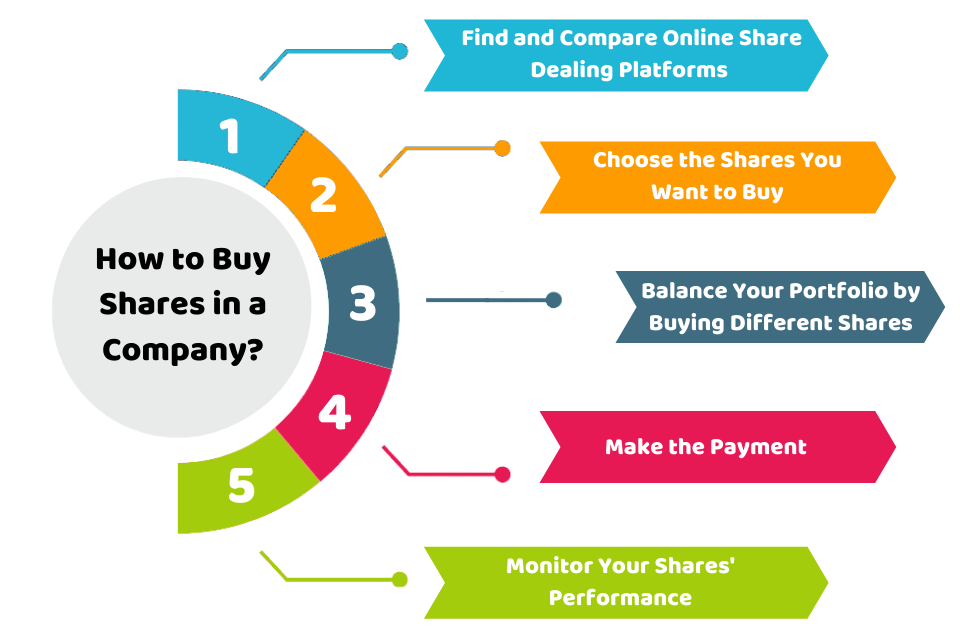
Once you’ve done your homework and are ready to invest, you’ll need an account to hold your stocks. This is where brokerage firms come in. They act as intermediaries, facilitating the buying and selling of securities on your behalf.
Online Brokerage Accounts
For most individual investors, an online brokerage account is the most popular and cost-effective option. These platforms allow you to manage your investments yourself, offering a wide array of tools and resources.
- Pros: Low or zero commissions on stock trades, extensive research materials, educational content, user-friendly interfaces, and mobile app access.
- Cons: Requires self-direction and decision-making, which can be overwhelming for absolute beginners.
- Examples: Fidelity, Charles Schwab, E*TRADE, Vanguard, Interactive Brokers, Robinhood.
Full-Service Brokers
These brokers provide personalized advice, portfolio management, and a dedicated financial advisor who can help with complex financial planning needs.
- Pros: Expert guidance, tailored investment strategies, tax planning, estate planning.
- Cons: Significantly higher fees and commissions, often requiring a substantial minimum investment.
- Best For: High-net-worth individuals or those who prefer a hands-off approach and are willing to pay for comprehensive advice.
Robo-Advisors
A hybrid option that combines technology with professional investment strategies. Robo-advisors use algorithms to build and manage diversified portfolios based on your risk tolerance and financial goals, typically using low-cost exchange-traded funds (ETFs).
- Pros: Low fees, automated portfolio rebalancing, accessible with small minimum investments, good for hands-off investors.
- Cons: Less personalized advice than a human advisor, limited customization options.
- Examples: Betterment, Wealthfront, Fidelity Go.
Key Factors When Choosing a Broker
When comparing brokerage firms, consider these critical aspects:
- Fees and Commissions: Look for platforms with zero-commission stock trades. Be aware of other fees like account maintenance, inactivity, or transfer fees.
- Investment Options: Ensure the broker offers access to the types of investments you want (individual stocks, ETFs, mutual funds, options, etc.).
- Research Tools and Educational Resources: Does the platform provide robust research reports, stock screeners, charting tools, and educational articles or webinars?
- Customer Service: Is customer support easily accessible and responsive?
- User Interface: Is the platform intuitive and easy to navigate on both desktop and mobile?
- Regulatory Compliance: Ensure the broker is regulated by the Securities and Exchange Commission (SEC) and is a member of the Financial Industry Regulatory Authority (FINRA). Also, check if your account is protected by the Securities Investor Protection Corporation (SIPC), which insures securities up to $500,000.
Executing Your First Stock Purchase
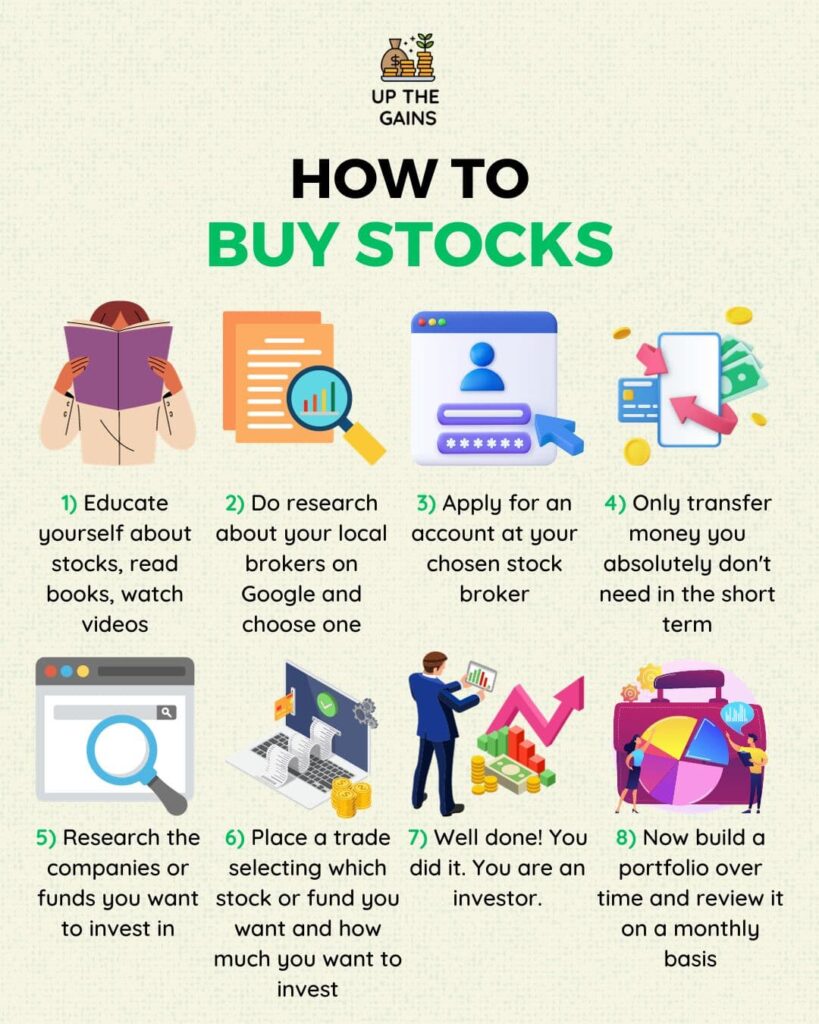
With your research complete and your brokerage account chosen and opened, you’re ready to make your first trade. This is where your preparations translate into tangible action.
Funding Your Account
Before you can buy stock, you need to deposit money into your brokerage account. Common methods include:
- ACH Transfer (Electronic Bank Transfer): The most common method, linking your bank account directly to your brokerage. It’s usually free but can take 1-3 business days for funds to settle and become available for trading.
- Wire Transfer: Faster than ACH, often same-day availability, but usually incurs a fee from your bank.
- Check Deposit: Slower processing time, but an option for some.
- Transfer from Another Brokerage: If you’re moving an existing investment account.
Understanding Order Types
When you’re ready to buy, you’ll need to specify what kind of order you want to place. This dictates how your trade is executed.
- Market Order: An instruction to buy or sell a stock immediately at the best available current price. While offering quick execution, the price you get might be slightly different from what you saw moments before, especially in fast-moving markets (this is known as slippage).
- Limit Order: An instruction to buy or sell a stock at a specific price or better. If you want to buy a stock that’s currently trading at $100 but you only want to pay $99, you’d place a limit order at $99. The order will only execute if the stock’s price drops to $99 or below. Limit orders provide price control but may not execute if the target price isn’t met.
- Stop Order (or Stop-Loss Order): An order to buy or sell a stock once it reaches a certain price, known as the stop price. For a buy stop order, this would be a price above the current market price, often used to limit potential losses or protect profits on a short sale. For a sell stop order (more common), it’s a price below the current market price, used to limit a loss or lock in a profit. Once the stop price is hit, it converts into a market order.
- Stop-Limit Order: Similar to a stop order, but once the stop price is hit, it converts into a limit order instead of a market order, offering more price control but again, with the risk of non-execution.
For beginners, a limit order is often recommended for buying, as it ensures you don’t pay more than you intend, especially for less liquid stocks or during volatile periods.
Placing the Trade
The actual process is usually straightforward on most brokerage platforms:
- Search for the Stock: Use the company’s ticker symbol (e.g., AAPL for Apple, MSFT for Microsoft).
- Enter Order Details: Specify whether you want to “Buy” or “Sell.”
- Choose Order Type: Select “Market Order” or “Limit Order.”
- Quantity: Enter the number of shares you wish to buy or the dollar amount if your broker supports fractional shares.
- Review and Confirm: Double-check all details (ticker symbol, number of shares, order type, estimated cost) before clicking “Place Order.”
What Happens After You Buy?
Once your order executes, you’ll receive a confirmation. Your portfolio will update to reflect your new holdings. Be aware of the settlement period, which is typically T+2 (trade date plus two business days). This means it takes two business days for the actual transfer of money and securities to be finalized, though your brokerage account will show your ownership immediately.
Managing and Monitoring Your Stock Investments
Buying a stock is just the beginning. Effective management and continuous monitoring are crucial for long-term success and protecting your investments.
Diversification is Key
One of the most fundamental principles of investing is diversification. This means spreading your investments across different assets, industries, and geographies to reduce risk. Putting all your money into a single stock, no matter how promising, exposes you to significant company-specific risk.
- Across Industries: Don’t put all your money in tech; consider healthcare, consumer staples, financials, etc.
- Across Market Capitalizations: Invest in large-cap, mid-cap, and small-cap companies.
- Geographic Diversification: Consider international stocks or global ETFs.
- Asset Classes: Beyond individual stocks, look into bonds, real estate, or commodity-linked investments.
- ETFs and Mutual Funds: These funds hold baskets of multiple stocks, offering instant diversification with a single purchase, making them excellent tools for beginners.
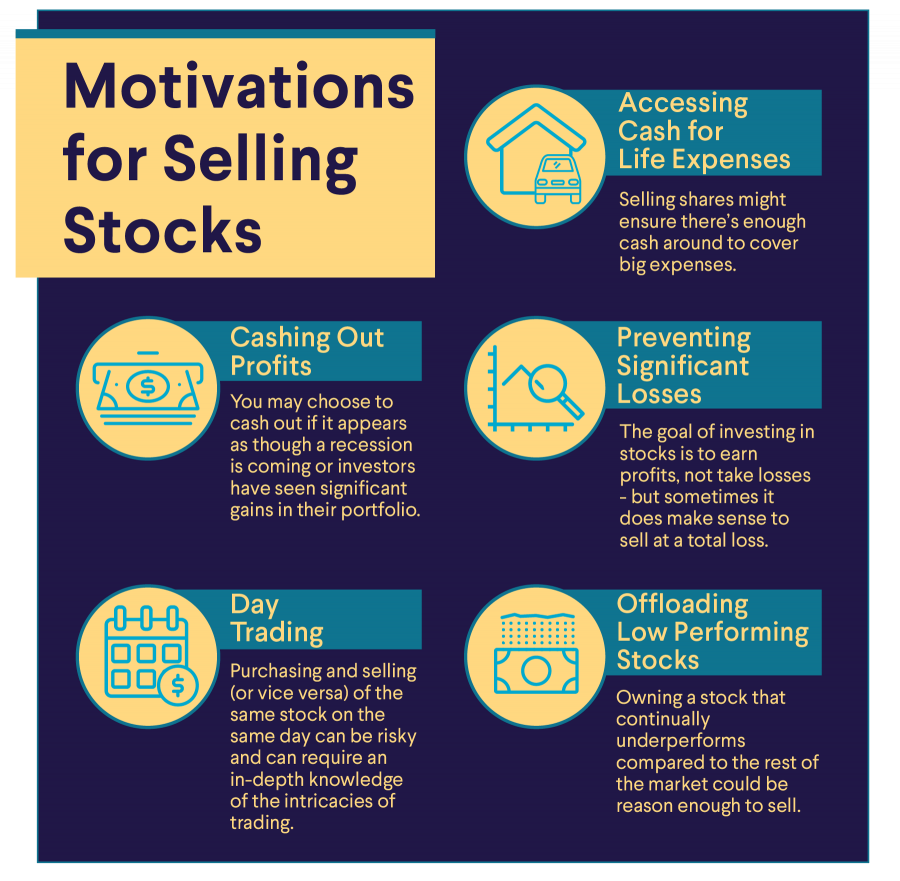
Regular Portfolio Review
While daily checking of stock prices is often counterproductive and leads to emotional decisions, regular, periodic reviews of your overall portfolio are essential.
- Scheduled Reviews: For most individual investors, reviewing your portfolio quarterly or semi-annually is sufficient.
- Rebalancing: Over time, some investments may grow more than others, altering your desired asset allocation. Rebalancing involves selling some of the outperforming assets and buying more of the underperforming ones to bring your portfolio back to your target allocation.
Stay Informed, Not Obsessed
Keep abreast of significant news regarding the companies you own, their industries, and broader economic trends. However, avoid constant obsession with market fluctuations or reacting impulsively to every headline. Long-term investors focus on the underlying business, not short-term noise.
Long-Term Perspective
The stock market has historically rewarded patient investors. Despite inevitable corrections and bear markets, a long-term perspective (5, 10, 20+ years) allows your investments to weather short-term volatility and benefit from compounding returns. Avoid trying to time the market; instead, focus on time in the market.
Investing in stocks is a journey, not a destination. It requires continuous learning, discipline, and a clear-headed approach. By understanding the basics, preparing diligently, choosing the right platform, executing trades carefully, and managing your portfolio wisely, you can embark on a rewarding path toward achieving your financial goals. Start small, stay informed, and always remember that patience is one of the greatest virtues in investing.
aViewFromTheCave is a participant in the Amazon Services LLC Associates Program, an affiliate advertising program designed to provide a means for sites to earn advertising fees by advertising and linking to Amazon.com. Amazon, the Amazon logo, AmazonSupply, and the AmazonSupply logo are trademarks of Amazon.com, Inc. or its affiliates. As an Amazon Associate we earn affiliate commissions from qualifying purchases.