
For anyone looking to engage with the world of finance, from seasoned institutional investors to budding retail traders, knowing the operational hours of the New York Stock Exchange (NYSE) and NASDAQ is not just a detail—it’s foundational. These two major exchanges are the pulsating heart of global capitalism, dictating the rhythm of countless investment strategies and economic analyses. Understanding when the market opens, closes, and the various trading sessions in between is paramount for making informed decisions, managing risk, and capitalizing on opportunities. This article delves into the precise timings, the nuances of extended trading, and why these hours are so critical for participants across the financial spectrum.
The Standard Operating Hours of Wall Street
At its core, the New York stock market operates on a fixed schedule, designed to provide a structured environment for buying and selling securities. This predictable rhythm is a cornerstone of market efficiency and transparency.
NYSE and NASDAQ: Identical Trading Schedules
Despite being distinct entities with different listing requirements and market structures, both the New York Stock Exchange (NYSE) and the NASDAQ Stock Market adhere to the same standard trading hours.
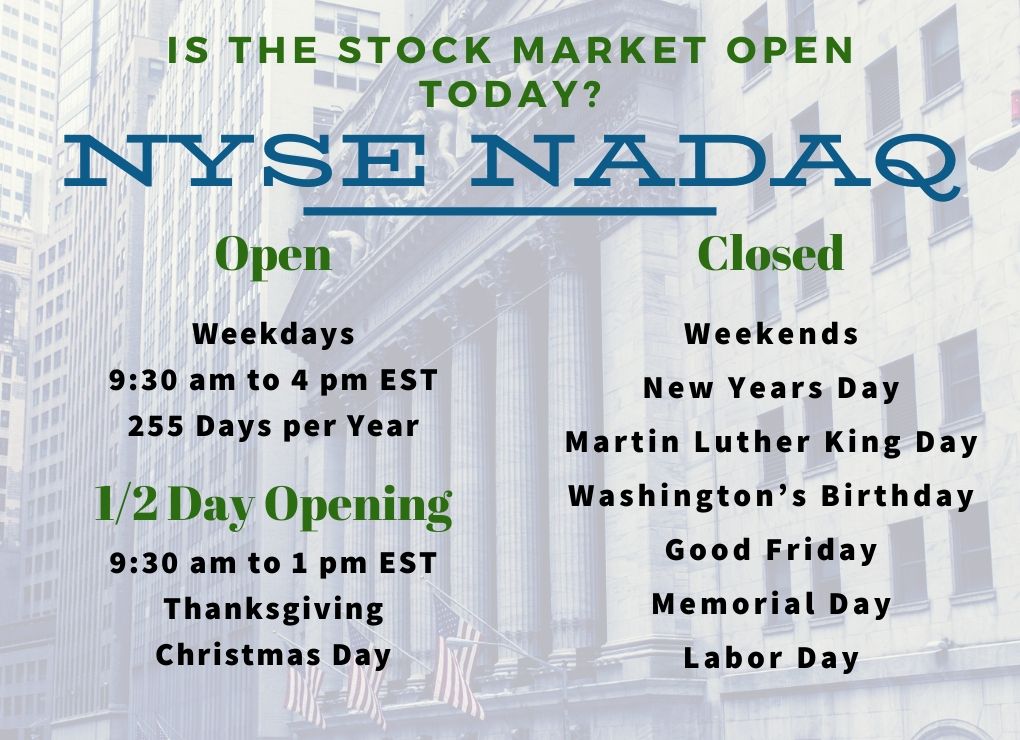
The New York stock market officially opens at 9:30 AM Eastern Time (ET). This is the moment when the opening bell rings (or sounds electronically), signaling the commencement of regular trading hours, and orders begin to execute in earnest.
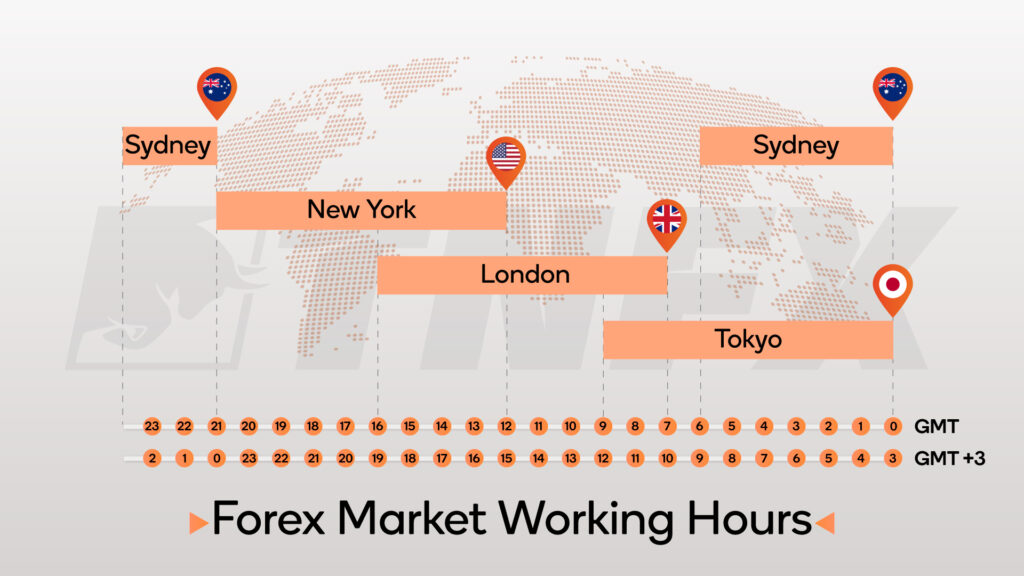
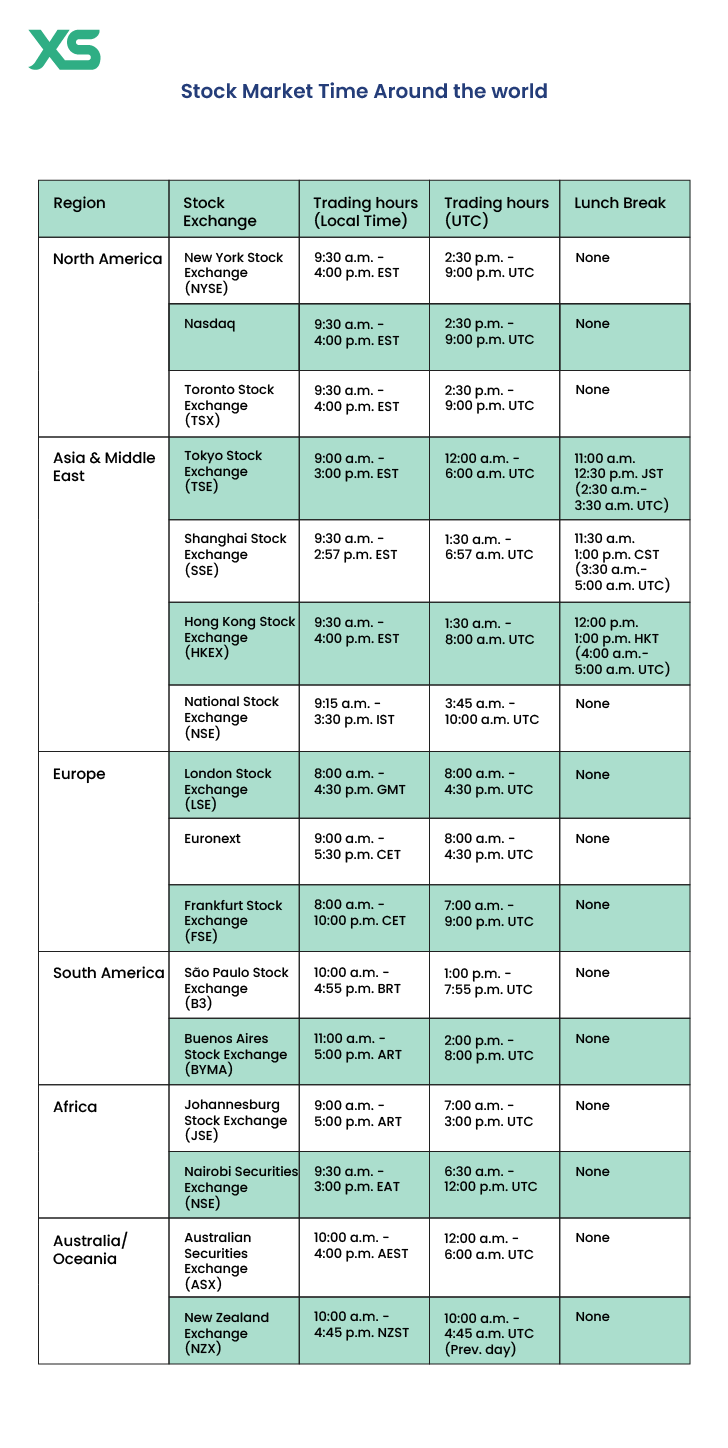
The market officially closes at 4:00 PM Eastern Time (ET), marked by the closing bell. During these six and a half hours, the vast majority of trading activity occurs, prices are discovered, and the daily performance of thousands of companies is determined. These hours are Monday through Friday, excluding federal holidays. For international investors, converting this to their local time zone is a critical first step in planning their trading day. For instance, an investor in London would need to remember the 5-hour time difference, meaning the market opens at 2:30 PM GMT and closes at 9:00 PM GMT.
The Rationale Behind Fixed Market Hours
The decision to operate within fixed hours is not arbitrary; it’s a carefully considered framework that balances several critical objectives. Firstly, fixed hours concentrate liquidity. By restricting trading to specific windows, buyers and sellers are more likely to find each other, leading to tighter spreads and more efficient price discovery. This concentration helps to reduce volatility that might arise from thinly traded periods. Secondly, it provides a crucial period of closure. The time when the market is closed allows participants, analysts, and companies to process information, digest news, and prepare for the next trading session without the immediate pressure of fluctuating prices. This downtime is vital for research, strategy adjustments, and ensuring that financial institutions have adequate time for back-office operations, settlement, and reconciliation. Finally, fixed hours contribute to market integrity and fairness, providing all participants with a common playing field and consistent access to information dissemination.
Beyond the Bell: Exploring Extended Trading Sessions
While the regular trading session between 9:30 AM and 4:00 PM ET dominates headlines, the activity on Wall Street doesn’t entirely cease outside these hours. Extended trading sessions—pre-market and after-hours trading—offer opportunities and risks for those willing to engage outside the conventional window.
Pre-Market Trading: Getting a Head Start
Pre-market trading typically begins as early as 4:00 AM ET and runs until the market’s official open at 9:30 AM ET. During this window, investors can place buy and sell orders that will be executed before the regular trading session begins. This period is often characterized by lower trading volumes and, consequently, higher volatility and wider bid-ask spreads compared to regular hours. Pre-market trading is particularly valuable for reacting to news that breaks overnight, such as earnings reports released before the market open, major economic data, or geopolitical developments. For instance, a company announcing better-than-expected earnings at 7:00 AM ET might see its stock price react significantly in pre-market trading, setting a tone for the regular session. Early movers can capitalize on these initial reactions, though they also bear the risk associated with thinner liquidity.
After-Hours Trading: Reacting to Late News
Conversely, after-hours trading commences immediately after the closing bell at 4:00 PM ET and can extend as late as 8:00 PM ET. Similar to pre-market, this session allows participants to react to information that emerges after the regular market close. Many companies choose to release their earnings reports or significant corporate announcements after 4:00 PM ET to prevent immediate, knee-jerk reactions during the busiest part of the trading day. After-hours trading provides a mechanism for the market to absorb and react to this information before the next day’s regular open. Like pre-market trading, after-hours sessions are typically characterized by lower liquidity, fewer participants, and often more pronounced price swings. It offers a chance for investors to adjust positions based on new information, but the lack of depth can lead to less favorable execution prices.
The Mechanics and Risks of Extended Trading
Extended trading is primarily facilitated through Electronic Communication Networks (ECNs), which automatically match buy and sell orders. Unlike the regular session where market makers provide continuous liquidity, ECNs in extended hours operate more directly, matching existing orders. This can lead to significant price discrepancies if there isn’t a robust number of buyers and sellers. The key risks associated with pre-market and after-hours trading include:
- Lower Liquidity: Fewer participants mean it can be harder to find a counterparty for your trade, leading to wider bid-ask spreads and potentially less favorable execution prices.
- Increased Volatility: With less liquidity, a small number of large orders can cause dramatic price movements, leading to greater risk of significant gains or losses.
- Information Disparity: While news often drives extended-hours trading, not all market participants may have immediate access to or the ability to process new information effectively during these times.
- Competition with Professional Traders: Extended hours are often dominated by institutional investors and professional traders who have advanced tools and resources, potentially putting retail investors at a disadvantage.
Understanding these mechanics and risks is crucial for anyone considering venturing into extended trading sessions.
Why Market Hours Matter to Every Investor
The timing of market operations has profound implications that extend beyond mere scheduling, influencing strategy, risk management, and overall investment success.
Day Traders and Short-Term Strategies
For day traders and those employing short-term strategies, market hours are everything. Their entire approach is predicated on capturing intra-day price movements, often holding positions for minutes or hours, but rarely overnight. The 9:30 AM ET open is a critical period for these traders, often referred to as the “power hour” or “opening drive,” where initial volatility can create significant opportunities. Conversely, the “closing bell” rush around 4:00 PM ET also presents distinct patterns and liquidity changes. Day traders must be acutely aware of these times to enter and exit positions effectively, managing the heightened volatility and liquidity shifts that occur at the market’s boundaries. Missing key opening or closing movements can drastically alter their daily performance.
Long-Term Investors: Understanding Volatility Windows
Even long-term investors, who might hold stocks for years, benefit from understanding market hours. While they aren’t actively trading minute-by-minute, knowing when volatility tends to be higher (e.g., at the open or close, or during extended hours) helps them interpret price movements more accurately. A significant drop in pre-market, for example, might influence their decision to place an order at the regular open, potentially getting a better entry price. More importantly, understanding the market’s downtime helps them recognize when not to react impulsively to news. Decisions made during non-trading hours can be more considered, free from the immediate emotional pressure of seeing a stock price fluctuate. For instance, if major news breaks after market close, a long-term investor might use the night to research and formulate a rational response, rather than making a hurried decision in illiquid after-hours trading.
International Investors: Navigating Time Zones
For investors outside North America, understanding the New York stock market’s opening and closing times is a fundamental logistical challenge. A significant portion of global capital flows into U.S. markets, necessitating careful consideration of time zone differences. An investor in Asia, for instance, might find themselves needing to trade during their nighttime hours, which requires robust planning and potentially automated systems. Conversely, a European investor might have a more convenient window overlapping with the latter half of their business day. Beyond mere convenience, time zones impact real-time access to information and the ability to react promptly. International investors must establish reliable means to stay informed on U.S. market news, earnings releases, and economic data, aligning their strategies with the U.S. market’s operational rhythm.
Market Closures and Key Considerations
The stock market isn’t always open, and understanding these exceptions is just as important as knowing the standard hours.
Weekends and Federal Holidays: When Wall Street Sleeps
The New York stock market is consistently closed on weekends (Saturdays and Sundays). Additionally, it observes several U.S. federal holidays throughout the year. These include, but are not limited to, New Year’s Day, Martin Luther King, Jr. Day, Presidents’ Day, Good Friday, Memorial Day, Juneteenth National Independence Day, Independence Day, Labor Day, Thanksgiving Day, and Christmas Day. It’s crucial for investors to consult the NYSE and NASDAQ official holiday schedules annually, as specific dates can shift. During these closures, no trading occurs, and any news or events that transpire during these periods will only begin to affect stock prices when the market reopens. This provides an extended period for reflection, but also for uncertainty to build, potentially leading to gap openings (when the opening price is significantly different from the previous day’s close) on the next trading day.
Early Closures and Special Events
On rare occasions, the market may have an early close. This typically happens on certain days preceding or following a federal holiday, such as the day after Thanksgiving (Black Friday) or Christmas Eve, if they fall on a weekday. On these days, the market might close at 1:00 PM ET. While less common, the exchanges can also implement emergency closures or temporary halts in trading due to extreme volatility, technical issues, or significant national or global events. Such events are infrequent but underscore the importance of staying updated with official exchange announcements. For example, in the wake of the September 11, 2001, attacks, the NYSE remained closed for several days, highlighting the market’s responsiveness to extraordinary circumstances.
The Impact of Economic Data Releases on Trading Windows
Beyond the fixed schedule, the timing of significant economic data releases and corporate announcements plays a vital role in how market participants use the available trading windows. Reports such as the Consumer Price Index (CPI), Non-Farm Payrolls, FOMC announcements, and GDP figures are often released at specific times (e.g., 8:30 AM ET or 10:00 AM ET) that strategically fall within or just before the trading day. These releases can trigger immediate and dramatic market reactions, creating heightened volatility. Savvy investors and traders position themselves to interpret and react to these releases, either by placing trades immediately or adjusting their strategies for the subsequent hours. Understanding when information will hit the wires is as important as knowing when the market is open to trade on it.
Optimizing Your Investment Strategy Around Market Timings
Mastering the market’s schedule is not just about compliance; it’s about strategic advantage. Thoughtful consideration of market timings can significantly enhance an investor’s approach.
Leveraging Market Open for Opportunity
The first 30-60 minutes after the 9:30 AM ET open are often characterized by heightened volatility, large trading volumes, and significant price movements as participants react to overnight news, pre-market activity, and accumulated orders. This period, sometimes called the “opening bell rush,” presents both substantial opportunities and risks. Experienced traders may use specific strategies to capitalize on this initial surge, such as identifying stocks with strong pre-market momentum or exploiting opening gaps. However, newer investors should approach this period with caution, as rapid price swings can lead to quick losses if not managed carefully. Understanding your personal risk tolerance and trading style is crucial before attempting to trade aggressively during these volatile windows.
Managing Risk During Volatile Periods
Just as the market open offers opportunity, it also demands robust risk management. High volatility periods, especially at the open, close, and during extended hours, require stricter adherence to stop-loss orders and careful position sizing. Investors should consider what types of news and economic data are scheduled for release and how they might impact their holdings. For instance, anticipating a major earnings report after the close might prompt an investor to reduce their position before the 4:00 PM bell to mitigate overnight gap risk. Conversely, using pre-market hours to scale into a position after positive news could be a calculated risk. The key is to have a defined strategy for entering and exiting trades, particularly when liquidity is thinner or market sentiment is rapidly shifting.
Resources for Staying Informed on Market Schedules
To ensure you’re always operating with accurate information, rely on official sources. The websites for the New York Stock Exchange (NYSE) and NASDAQ are the primary authorities for holiday schedules, early closures, and any special announcements. Financial news outlets like Bloomberg, Reuters, The Wall Street Journal, and reputable financial data providers also provide up-to-the-minute information on market hours and any deviations from the standard schedule. Many online brokerage platforms also display real-time market status and upcoming holidays. Regularly checking these resources is a simple yet effective way to avoid missing critical trading opportunities or making ill-timed decisions due to an unexpected market closure.
In conclusion, knowing what time the New York stock market opens and operates is more than a trivial piece of information; it’s an indispensable component of financial literacy and successful investing. From the disciplined rhythm of the regular trading session to the dynamic, riskier landscape of extended hours, every minute carries implications for strategy, risk, and potential returns. By understanding these timings, and the rationale behind them, investors can better align their actions with the market’s pulse, ultimately leading to more informed and potentially profitable engagements with Wall Street.
aViewFromTheCave is a participant in the Amazon Services LLC Associates Program, an affiliate advertising program designed to provide a means for sites to earn advertising fees by advertising and linking to Amazon.com. Amazon, the Amazon logo, AmazonSupply, and the AmazonSupply logo are trademarks of Amazon.com, Inc. or its affiliates. As an Amazon Associate we earn affiliate commissions from qualifying purchases.