
The O.J. Simpson case is frequently analyzed through the lens of law, race, and media culture. However, for those in the world of marketing and strategic communications, the saga stands as one of the most compelling—and cautionary—case studies in personal branding. It represents the ultimate transformation of a brand equity powerhouse into a cautionary tale of total reputational collapse. Understanding the trajectory of the Simpson brand provides deep insights into how high-profile figures manage their public persona, the fragility of public trust, and the long-term implications of crisis management gone wrong.
The Peak of Brand Equity: The Athlete as a Corporate Asset
Before the events of 1994, O.J. Simpson was the gold standard of personal branding. He had successfully transitioned from a record-breaking Heisman Trophy winner and NFL superstar to a crossover celebrity, transcending the world of sports.
The Commercialization of Likability
Simpson’s brand was built on a foundation of inherent likability and non-threatening charisma. His most notable partnership—the long-running Hertz campaign—solidified his status as a mainstream cultural icon. In the marketing world, Simpson was a “category killer.” He possessed a rare ability to appeal to both sports fans and the general public, a bridge that allowed him to command lucrative endorsement deals with major corporations.
Strategic Persona Development
Simpson’s team did not treat him merely as an athlete; they treated him as a corporate identity. His image was curated to be polished, accessible, and remarkably relatable. By leveraging his on-screen presence in films and commercials, he became a “human brand” that felt like an extension of the average American’s living room. This strategic positioning created immense brand equity, which acted as a protective barrier for years. When a brand is built on such a solid foundation of positive association, the perceived “cost” of failure or controversy becomes exponential.
The Crisis Event and the Erosion of Trust
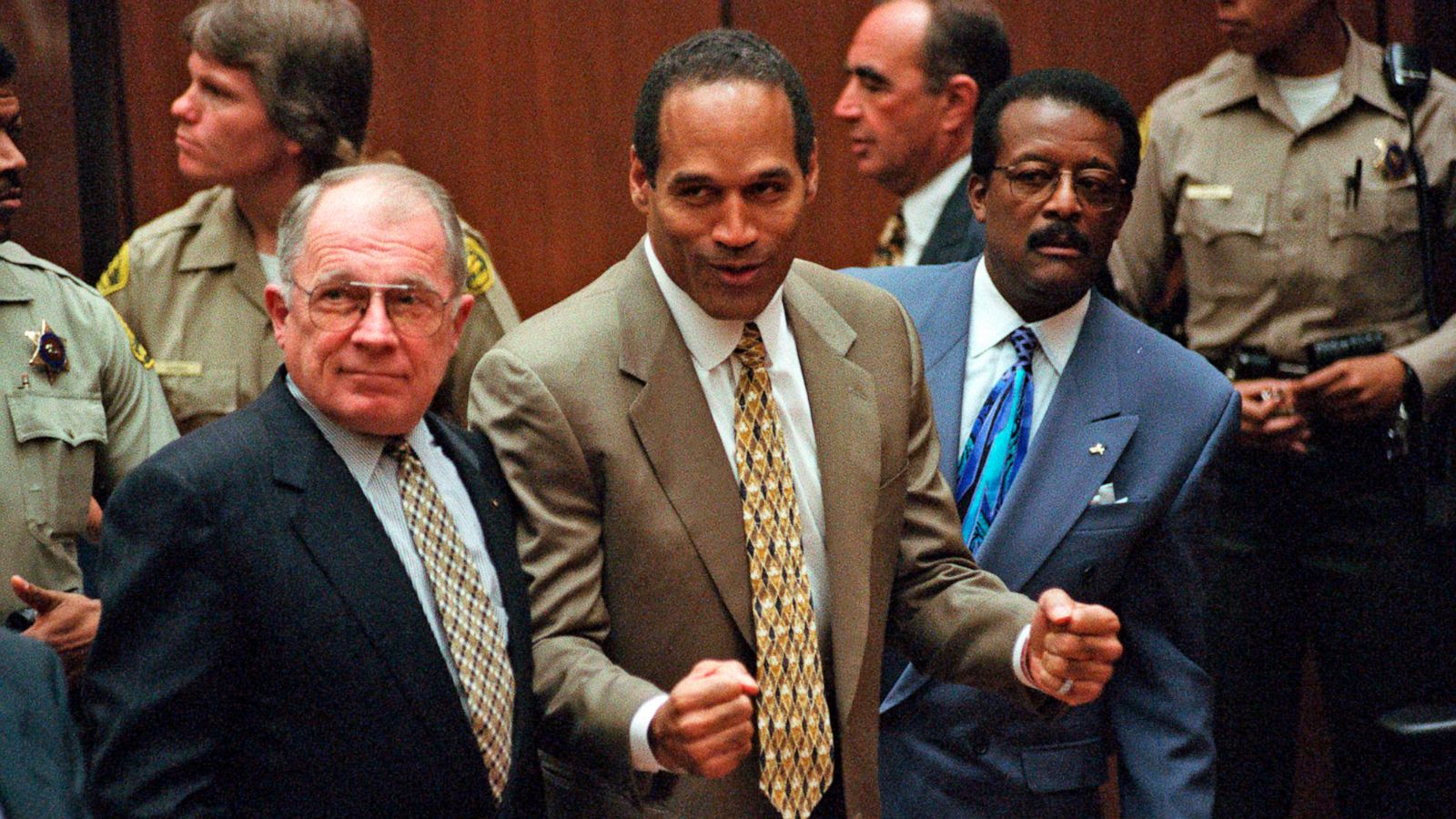
The double murder trial of 1994 served as the ultimate test of brand resilience. In the context of reputation management, a crisis is defined not just by the event itself, but by how the brand responds to it. The Simpson case changed the landscape of modern media consumption, but for the marketing professional, it highlighted the difference between damage control and brand disintegration.
The Conflict of Narrative
When the allegations broke, the disconnect between the “OJ” the public knew and the “Simpson” the prosecution presented created a cognitive dissonance that arguably fueled the obsession surrounding the trial. His legal team, led by a formidable lineup of attorneys, engaged in a masterclass of defensive branding. They shifted the narrative from a focus on the facts of the case to a broader critique of institutional trust. By redefining the “brand story” from a murder trial to a sociopolitical narrative, they managed to maintain a segment of public support that proved crucial to his acquittal.
The Failure of Post-Crisis Rehabilitation
While Simpson was acquitted of criminal charges, the brand itself was effectively incinerated. From a strategic branding perspective, acquittal is not the same as redemption. The civil trial that followed, resulting in a wrongful death judgment, served as a final blow to his commercial viability. In the world of branding, once a figure is associated with extreme negative sentiment, corporate partners inevitably trigger “morality clauses” and distance themselves to protect their own reputations. The Simpson case became the textbook definition of why corporations must vet their brand ambassadors with extreme scrutiny.

Long-Term Reputation Management and the “Digital Legacy”
In the era of social media, the Simpson case serves as a permanent case study in how a brand is archived and accessed by future generations. The digital footprint left by the case ensures that Simpson’s story remains a permanent fixture of public discourse, constantly being reshaped by new media and documentaries.
The Permanence of Negative Search Results
Today, the Simpson case illustrates the impossibility of “rebranding” when the search engine results for your name are dominated by a singular, catastrophic event. Modern personal branding relies heavily on SEO and content marketing to manage perception. In Simpson’s case, the sheer volume of content—books, movies, and internet discourse—created a monolithic narrative that no amount of rebranding could soften. This is a critical lesson for any individual or corporate entity: negative brand equity, once established at such a massive scale, is essentially permanent.
The Paradox of Infamy
There is a dark irony in the fact that the Simpson brand arguably became “larger” after the trial than it ever was during his NFL career. This touches on the concept of “infamy as a commodity.” While Simpson lost all mainstream corporate endorsements, he remained a point of cultural fixation. From a marketing standpoint, this suggests that even when a brand loses its positive utility, it may retain a high level of “attention equity.” However, this is a form of equity that is impossible to monetize through traditional, clean-cut corporate channels, leading to a state of permanent exclusion from the mainstream market.
Lessons for Modern Personal Branding
The legacy of the O.J. Simpson brand offers several key takeaways for those tasked with managing corporate identities or personal brands in the 21st century.
The Fragility of the “Likability” Moat
Companies often invest millions in making their brand leaders likable and relatable. The Simpson case proves that “likability” is a hollow shield if it isn’t backed by character integrity. When a brand’s value proposition is tied entirely to a person’s public perception, the brand is only as strong as that person’s least favorable public moment. This is why many modern brands are moving toward decentralizing their identity, shifting away from individual faces and toward mission-driven narratives that are less susceptible to individual scandal.
Ethical Stewardship and Due Diligence
For marketers and agencies, the case underscores the vital importance of vetting. The relationship between a brand and an endorser is a reciprocal one. The scandal did not just hurt Simpson; it forced brands associated with him into a reactive, defensive posture. Today’s sophisticated brand strategies involve “risk profiling” that goes far beyond surface-level popularity. Understanding the potential for long-term reputational risk is now a standard, non-negotiable part of any corporate strategy.

Navigating the Court of Public Opinion
Perhaps the most enduring lesson is the sheer power of narrative. Whether in a courtroom or a marketing campaign, the side that controls the story often controls the outcome. Simpson’s legal team utilized techniques that are now common in high-stakes crisis communications: reframing the debate, identifying institutional bias, and humanizing the subject through emotional appeals. While these tactics succeeded in the short term, they were unable to save the long-term value of the brand.
Ultimately, the story of O.J. Simpson is a stark reminder that a brand is not just a logo, a smile, or a commercial. It is a promise of trust. Once that promise is broken, the machinery of reputation management—no matter how clever or expensive—often finds itself unable to reverse the damage. For anyone building a brand, the takeaway is clear: integrity and consistency are not just ethical ideals; they are the most valuable assets a brand can possess. In the competitive landscape of public perception, the rise and fall of this singular figure remains the ultimate warning of what happens when the narrative of a brand slips out of control.
aViewFromTheCave is a participant in the Amazon Services LLC Associates Program, an affiliate advertising program designed to provide a means for sites to earn advertising fees by advertising and linking to Amazon.com. Amazon, the Amazon logo, AmazonSupply, and the AmazonSupply logo are trademarks of Amazon.com, Inc. or its affiliates. As an Amazon Associate we earn affiliate commissions from qualifying purchases.