
The landscape of personal and business finance has undergone a profound transformation, with digital solutions now at the forefront of managing our monetary affairs. One area that has significantly benefited from this shift is tax payment. Gone are the days when mailing a check or trudging to a physical office were the sole recourse for settling your tax obligations. Today, the Internal Revenue Service (IRS) offers a robust suite of online payment options, designed to provide taxpayers with unparalleled convenience, security, and efficiency. Understanding how to leverage these digital financial tools is not just a matter of convenience; it’s a critical component of modern financial literacy and responsible money management. This guide delves into the various methods available for paying your IRS taxes online, outlining their nuances, benefits, and how they contribute to a streamlined approach to your financial responsibilities.
The Evolution of Tax Payments: Embracing Digital Convenience in Personal Finance
The transition from paper-based transactions to digital platforms has revolutionized nearly every aspect of personal and business finance, and tax payments are no exception. The IRS has made significant strides in adopting technology to simplify what was once a cumbersome annual task. For individuals and businesses alike, the ability to pay taxes online represents a leap forward in financial management, aligning with the broader trend of digital transformation in financial services.
Why Online Payments Are the Modern Standard for Financial Obligations
The allure of online tax payments stems from several undeniable advantages over traditional methods. Firstly, it offers unparalleled convenience and accessibility. Taxpayers can remit payments 24/7, from any location with an internet connection, bypassing the need for physical visits, postage, or bank queues. This flexibility is invaluable for busy professionals, small business owners, and anyone managing their finances on a tight schedule. Secondly, digital payments inherently offer greater accuracy and reduced risk of errors. Automated systems minimize human transcription mistakes, and instant confirmations provide immediate peace of mind. For astute personal finance management, reducing error margins is paramount to avoiding penalties and administrative headaches. Lastly, online payment methods often provide immediate confirmation and a digital trail, simplifying record-keeping and potentially easing the burden during audits or financial reviews. This systematic approach to documentation is a cornerstone of sound business finance and personal financial planning.
Security Measures for Online Tax Transactions: Protecting Your Financial Information
A primary concern when conducting any financial transaction online, especially with a governmental entity, is security. The IRS understands this imperative and has implemented stringent security protocols to protect taxpayer data. When you pay taxes online through official IRS channels or authorized third-party processors, you are engaging with systems fortified by advanced encryption and cybersecurity measures. These include secure socket layer (SSL) technology, multi-factor authentication, and continuous monitoring to safeguard sensitive financial information from unauthorized access. This commitment to digital security ensures that taxpayers can conduct their transactions with confidence, reinforcing the reliability of online financial tools as part of a secure personal finance strategy. Understanding these safeguards is crucial for building trust in online payment systems and encouraging wider adoption among the taxpaying public.
Navigating Your Online Payment Options with the IRS: Essential Financial Tools
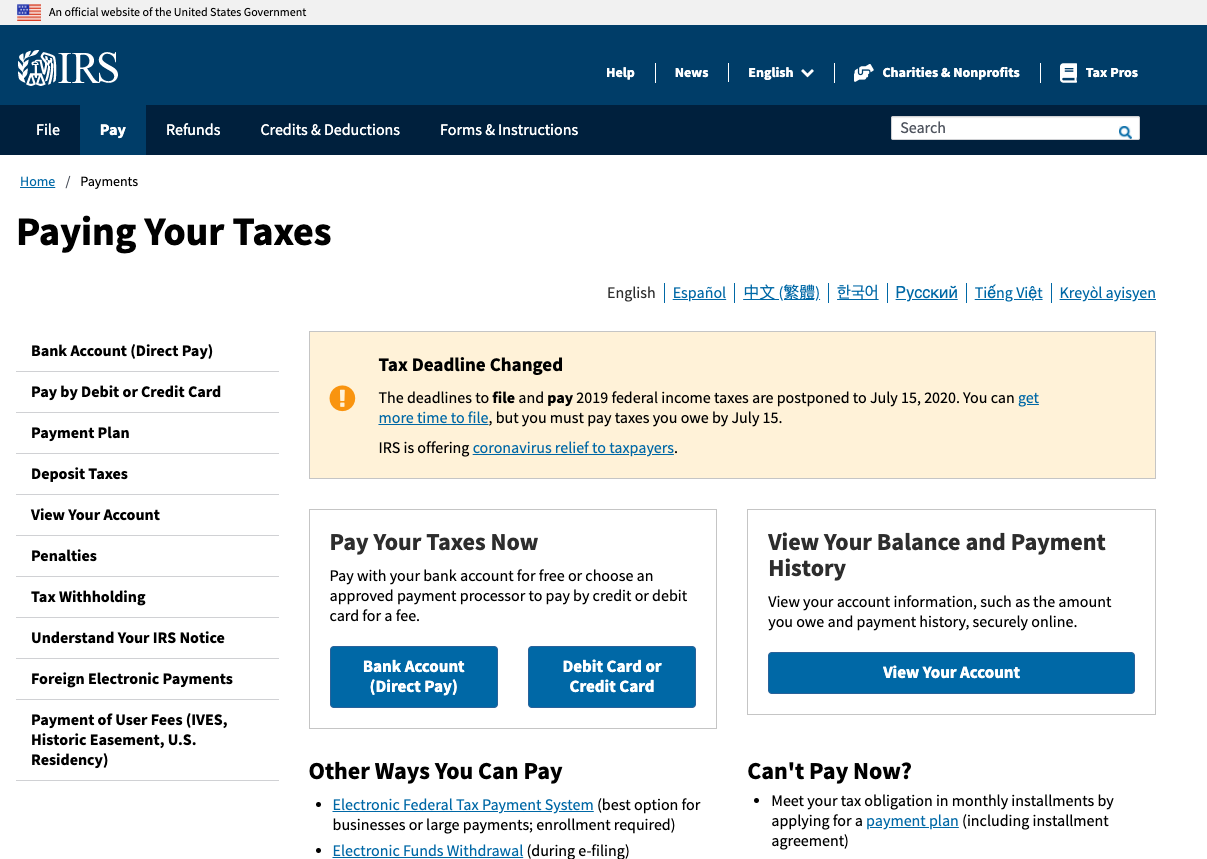
The IRS offers a diverse array of online payment methods, each designed to cater to different taxpayer needs and preferences. From direct bank transfers to credit card payments, these financial tools provide flexibility for individuals and businesses managing their tax liabilities. Selecting the right option depends on your specific financial situation, whether you’re making a one-time personal tax payment or managing complex business finance obligations.
IRS Direct Pay: The No-Fee Solution for Personal Finance
IRS Direct Pay stands out as a highly popular and straightforward option for individuals to pay their federal taxes directly from a checking or savings account, without incurring any processing fees. This service is ideal for those who prefer a simple, cost-effective method for a one-time payment.
- How it works: You access IRS Direct Pay through the official IRS website. You’ll need your bank account number and routing number. To confirm your identity, you’ll also provide personal information such as your name, date of birth, and Social Security Number (SSN) or Individual Taxpayer Identification Number (ITIN), along with your filing status and address from a previous tax return.
- Who can use it: Available for individual income tax payments (Form 1040, 1040-ES), estimated taxes, and payments for other notices or bills from the IRS. It can be used by individuals, but not by businesses filing under an Employer Identification Number (EIN).
- Key benefits: No fees, immediate confirmation, and the ability to schedule payments up to 365 days in advance. This makes it a powerful financial tool for proactive tax planning within personal finance.
Debit Card, Credit Card, or Digital Wallet Payments: Flexibility with Fees
For taxpayers seeking greater flexibility, especially those who wish to earn rewards points on their credit cards or need to delay payment temporarily, paying with a debit card, credit card, or digital wallet (like PayPal) is an attractive option. However, it’s crucial to note that these payments are processed through third-party service providers, which charge a processing fee.
- How it works: The IRS partners with several approved payment processors. You select one from the IRS website, which then directs you to their secure platform to complete the transaction. You’ll enter your tax payment details, card information, and approve the processing fee.
- Who can use it: Available to individuals and businesses for almost all types of federal tax payments.
- Key considerations: While offering convenience and potential credit card rewards, the associated processing fees (typically a percentage for credit/debit cards, or a flat fee for some digital wallets) must be weighed against the benefits. For strategic personal and business finance, evaluating these costs is vital.
Electronic Federal Tax Payment System (EFTPS): For Businesses and Frequent Filers
The Electronic Federal Tax Payment System (EFTPS) is a free online service provided by the U.S. Department of the Treasury specifically designed for businesses and individuals who make recurring tax payments. It is an essential financial tool for managing payroll taxes, estimated taxes, and other federal tax liabilities.
- How it works: Unlike IRS Direct Pay, EFTPS requires enrollment. Once enrolled and verified (which can take 5-7 business days to receive a PIN), you can schedule payments for various federal taxes. Payments are debited directly from your designated bank account.
- Who can use it: Primarily utilized by businesses for federal tax deposits (e.g., payroll taxes, corporate income taxes) and individuals making estimated tax payments. It’s also suitable for trust fund recovery penalty payments and other excise taxes.
- Key benefits: Allows for highly organized, scheduled payments, providing an excellent framework for business finance planning and ensuring compliance with payment deadlines. The detailed payment history is invaluable for financial record-keeping.
Other Digital Avenues: E-file Software and Online Payment Agreements

Beyond these primary methods, taxpayers can also integrate payments directly into their tax preparation process. Many e-file software programs (e.g., TurboTax, H&R Block) offer an option to pay your IRS balance when you e-file your return, either through direct debit from your bank account or via credit/debit card (with associated fees).
For those facing financial hardship and unable to pay their taxes in full, the IRS provides options for online payment agreements. Taxpayers can apply for an Installment Agreement or an Offer in Compromise (OIC) through the IRS website, setting up a payment plan to resolve their tax debt. These tools are crucial for managing financial distress and staying compliant with tax obligations, demonstrating flexibility within the realm of personal and business finance.
Essential Considerations for a Smooth Online Payment Experience: Financial Prudence
While paying taxes online offers unparalleled convenience, a few critical considerations ensure a smooth, error-free experience. Adhering to best practices in financial transactions is key to avoiding penalties and maintaining good standing with the IRS.
Understanding Payment Deadlines and Processing Times: Timely Financial Management
One of the most critical aspects of tax payment is adherence to deadlines. When paying online, it’s imperative to understand that “payment date” typically refers to the date the payment is initiated and accepted by the IRS, not necessarily the date it clears your bank account. The IRS website specifies the cut-off times for payments to be considered timely. For instance, payments made via IRS Direct Pay or EFTPS often need to be submitted by 8:00 PM ET on the due date for them to be processed on that day. Missing these cut-off times can result in a payment being posted the next business day, potentially leading to late payment penalties. Proactive financial management dictates scheduling payments well in advance of the deadline, allowing a buffer for any unforeseen technical issues.
Verifying Your Payment: Confirmation and Record Keeping for Financial Audits
Upon successful submission of an online payment, the IRS or the third-party processor will provide an immediate confirmation number. This confirmation number is your official proof of payment and is vital for your financial records.
- Actionable Advice: Always print or save a digital copy of your confirmation screen. Additionally, check your bank statement to ensure the payment has been debited correctly. For EFTPS users, the system allows you to view your payment history, serving as an excellent digital archive. Maintaining thorough records of all tax-related transactions is a fundamental principle of sound personal and business finance, indispensable for potential audits or future financial planning.
Addressing Common Issues and Troubleshooting: Resilience in Financial Operations
Despite the reliability of online systems, issues can occasionally arise. Knowing how to troubleshoot common problems can save significant stress and prevent penalties.
- Payment Failure: If a payment fails (e.g., due to incorrect bank account details or insufficient funds), you will typically receive a notification. Correct the error and resubmit the payment as soon as possible. Be aware that failed payments might incur bank fees or IRS penalties.
- Mistakes in Payment Amount: If you accidentally overpay or underpay, contact the IRS directly. They can guide you on how to adjust future payments or request a refund for overpayments. For underpayments, you’ll need to submit an additional payment.
- Technical Glitches: If you encounter technical difficulties with the IRS website or a third-party processor, try clearing your browser’s cache, using a different browser, or attempting the payment at a different time. If the issue persists, contact the relevant help desk. Keeping meticulous records of error messages or communication with support can be invaluable.
Maximizing the Benefits of Online IRS Payments: Strategic Financial Planning
Beyond mere convenience, leveraging online IRS payment methods strategically offers distinct advantages that contribute to robust personal and business financial health. These digital tools are more than just transaction portals; they are integral components of effective financial management.
Reducing Errors and Penalties: Precision in Financial Transactions
One of the most significant benefits of online payments is the inherent reduction in human error. Unlike manual processes that are susceptible to transcription mistakes, lost mail, or miscalculations, digital systems automate much of the data entry and verification. When you use IRS Direct Pay or EFTPS, the system often validates your banking information and provides clear prompts, minimizing the chances of incorrect routing or account numbers. This precision directly translates to fewer instances of underpayment or missed payments, thereby reducing the likelihood of incurring costly late payment penalties or interest charges. For any individual or business focused on optimizing their financial outcomes, minimizing avoidable expenses like penalties is a key objective.
Enhanced Financial Record Keeping: Streamlining Your Financial Audit Trail
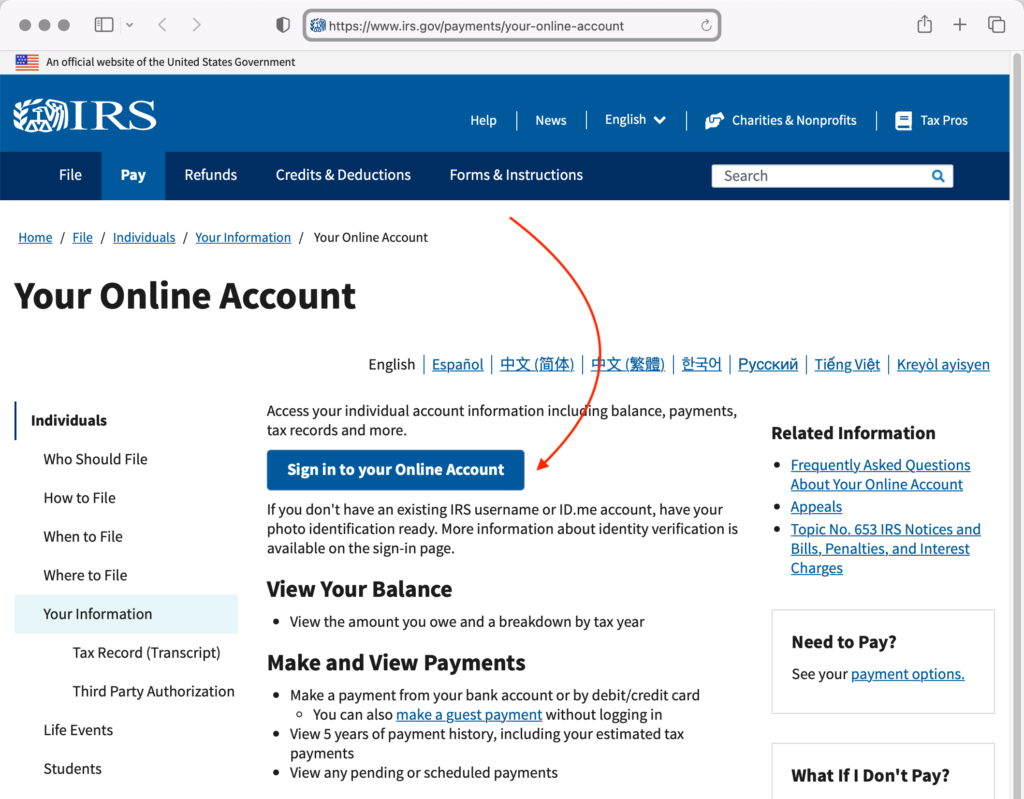
Online payment platforms create an immediate and accessible digital footprint for every transaction. This automatic record-keeping is invaluable for personal and business finance. Rather than sifting through paper statements or cancelled checks, taxpayers can access a detailed history of their IRS payments through their online accounts (especially with EFTPS) or by referring to confirmation emails and debit alerts from their banks. This centralized, digital record simplifies financial audits, tax planning, and general money management. It provides clear evidence of compliance and can be easily integrated into personal financial software or business accounting systems, offering a comprehensive overview of tax liabilities and payments over time. This level of organization is crucial for maintaining transparency and accountability in financial affairs.
Accessibility and Convenience for All Taxpayers: Empowering Financial Autonomy
The digital shift in IRS payments democratizes tax compliance, making it accessible to a wider demographic. Whether you are a small business owner in a remote area, an individual working non-traditional hours, or someone with limited mobility, online payment options ensure that geographic location or time constraints do not impede your ability to fulfill tax obligations. The ability to pay anytime, anywhere, with just a few clicks, empowers taxpayers with greater control over their financial responsibilities. This convenience extends beyond just making the payment; it integrates seamlessly into a modern lifestyle where managing finances on the go is the norm, fostering greater financial autonomy and reducing the stress associated with tax season.
In conclusion, understanding and utilizing the IRS’s online payment options is not merely about completing a chore; it’s about embracing modern financial tools to manage your personal and business finances more efficiently, securely, and strategically. By choosing the right payment method and adhering to best practices, taxpayers can ensure compliance, avoid unnecessary penalties, and integrate tax payments seamlessly into their broader financial planning. The digital age has undeniably made managing our tax obligations simpler and more robust, a testament to the ongoing evolution of financial technology in service of the taxpayer.
aViewFromTheCave is a participant in the Amazon Services LLC Associates Program, an affiliate advertising program designed to provide a means for sites to earn advertising fees by advertising and linking to Amazon.com. Amazon, the Amazon logo, AmazonSupply, and the AmazonSupply logo are trademarks of Amazon.com, Inc. or its affiliates. As an Amazon Associate we earn affiliate commissions from qualifying purchases.