
In the vast and intricate world of technology, acronyms serve as shorthand, condensing complex concepts into digestible forms. While some, like AI or USB, are universally understood, others remain more obscure, yet equally critical to the underlying infrastructure of the digital age. “MPN” is one such acronym, often encountered but not always fully comprehended. Its meaning can vary slightly depending on the context, but in the realm of technology, it primarily points to two significant concepts: the Manufacturer Part Number and the Microsoft Partner Network. Both play indispensable roles, influencing everything from the seamless flow of global supply chains and e-commerce operations to the strategic alliances that drive software development and service delivery.
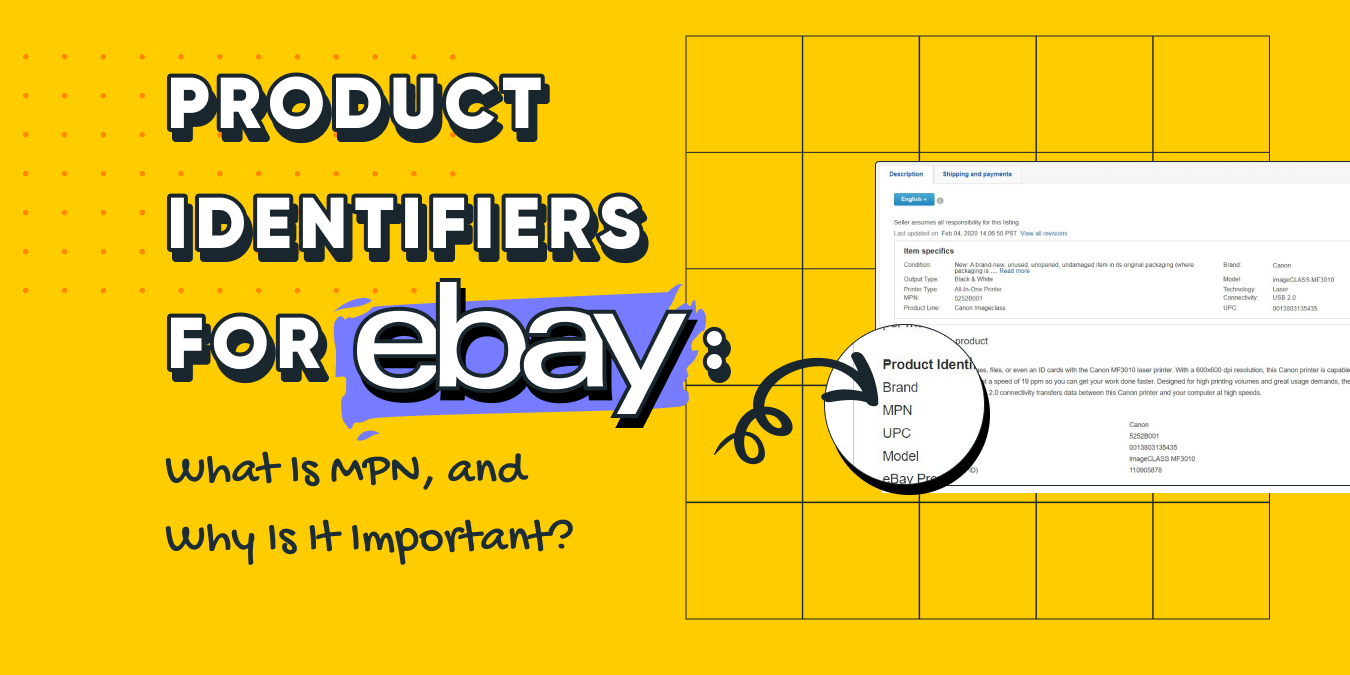
This article delves into the core meanings of MPN within the tech sphere, exploring its profound impact on manufacturers, businesses, and even end-users. We’ll uncover why understanding MPNs is not merely an exercise in semantics but a practical necessity for navigating the complexities of product identification, compatibility, procurement, and strategic collaboration in the modern technological landscape.
The Ubiquitous Manufacturer Part Number (MPN)
Perhaps the most common and fundamentally impactful interpretation of MPN in the technology sector is the Manufacturer Part Number. This seemingly innocuous string of alphanumeric characters is, in reality, the backbone of modern product identification, distinguishing one component or finished good from countless others.
What is an MPN? A Core Concept
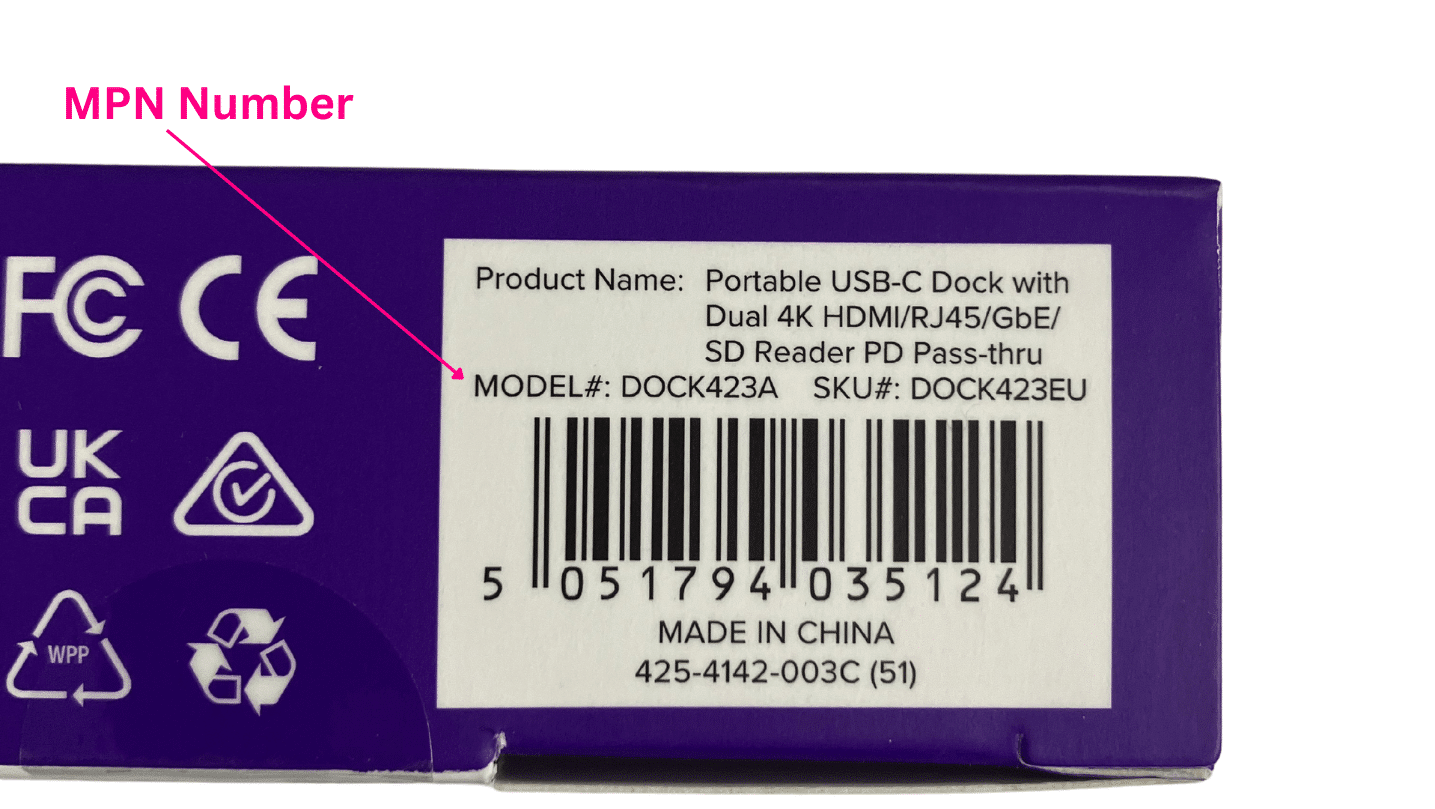
At its heart, an MPN is a unique identifier assigned by a manufacturer to a specific product or component. Imagine a vast digital library where every single item, from the smallest resistor to the most sophisticated server, needs its own distinct call number. That’s essentially the role of an MPN. Unlike generic descriptions, an MPN precisely pinpoints a product’s exact specifications, revision, and sometimes even its manufacturing location or batch. It’s a proprietary code, meaning each manufacturer designs and manages its own MPN system, leading to a diverse array of formats and lengths across different brands and industries.
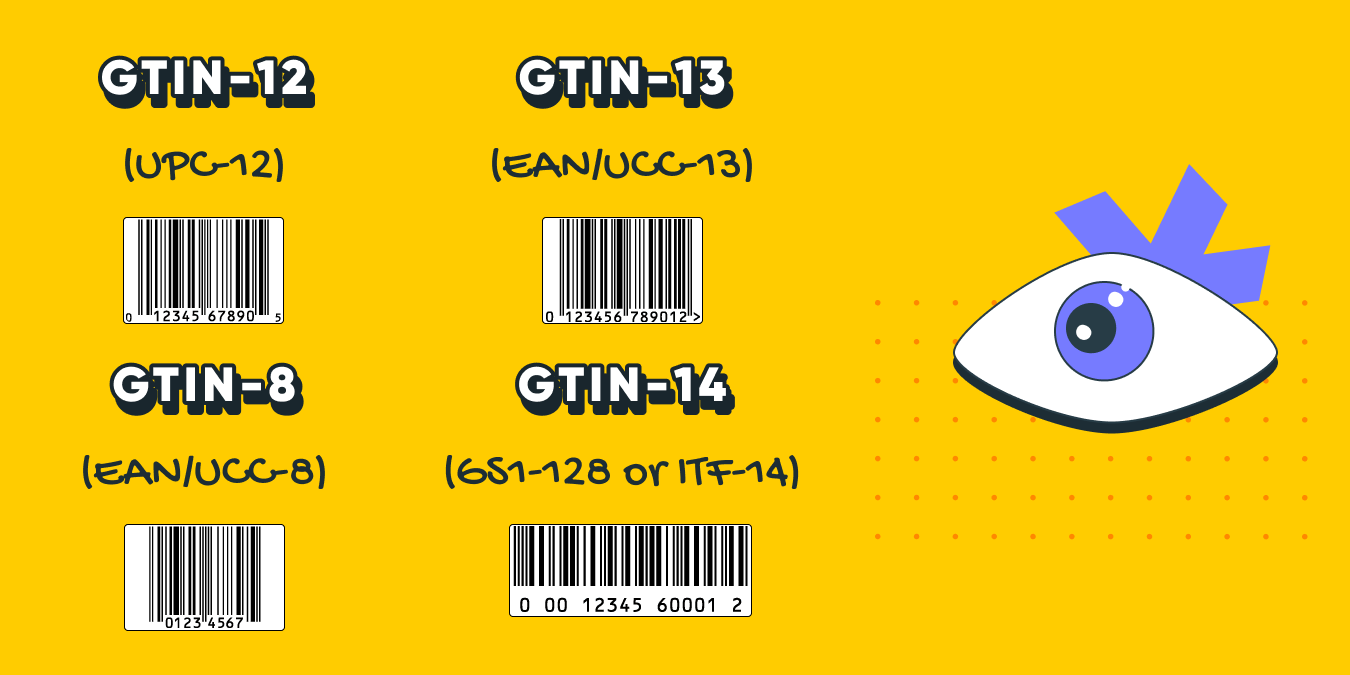
It’s crucial to differentiate an MPN from other common product identifiers like Stock Keeping Units (SKUs), Universal Product Codes (UPCs), European Article Numbers (EANs), or Global Trade Item Numbers (GTINs). While related, these serve different purposes. SKUs are internal inventory codes specific to a retailer or distributor. UPCs/EANs/GTINs are universal barcodes used for retail checkout and global trade. The MPN, however, is the manufacturer’s original, authoritative identity for the product itself, forming the bedrock upon which these other identifiers are often built or linked. Its primary purpose is to ensure that when you’re looking for a specific microchip, a particular model of a laptop, or a precise spare part for a gadget, you can identify it with absolute certainty, irrespective of where it’s sold or distributed.
Why MPNs are Indispensable in the Tech Ecosystem
The importance of MPNs permeates nearly every aspect of the technology ecosystem, from the initial design phase to end-of-life recycling.
Supply Chain & Inventory Management
For technology companies, MPNs are the lifeblood of efficient supply chain and inventory management. Manufacturers use them to track components from raw materials through assembly lines, ensuring the correct parts are used in the right products. Distributors and wholesalers rely on MPNs to manage vast inventories of thousands, even millions, of unique items. When a customer orders a specific graphics card, the MPN ensures that the exact model, with its particular specifications and revision, is picked from the warehouse and shipped, minimizing errors and returns. In a highly interconnected global supply chain, accurate MPN usage prevents costly delays, misconfigurations, and stock-outs. Enterprise Resource Planning (ERP) systems and Product Information Management (PIM) systems are built around MPN data to automate tracking, ordering, and fulfillment processes.
E-commerce & Retail
In the digital marketplace, MPNs are critical for both businesses and consumers. E-commerce platforms leverage MPNs to create detailed product listings, allowing customers to filter search results, compare specific models, and verify compatibility. When you search for a “Ryzen 7 5800X3D” processor, the platform often uses the underlying MPN to present the exact CPU you’re looking for, rather than a generic “AMD processor.” Retailers also use MPNs to manage their online catalogs, ensuring that product images, descriptions, and specifications are accurately matched to the physical goods. This precision is vital for consumer confidence and reducing purchase mistakes in a market flooded with similar-looking tech products.
After-Sales Support & Warranty
The role of MPNs extends well beyond the point of sale into after-sales support and warranty services. When a tech product requires repair, replacement parts must match the original specifications exactly. An MPN allows service technicians to quickly identify the correct component, whether it’s a specific screen for a laptop, a power supply for a server, or a particular module for a network device. Without precise MPN identification, sourcing the right part would be a guessing game, leading to delays, incompatible repairs, and customer dissatisfaction. Warranty claims often require verifying the MPN of the faulty product against purchase records to confirm coverage.
Component Sourcing & Procurement
Engineers, product developers, and procurement specialists heavily rely on MPNs. When designing a new circuit board or assembling a complex electronic device, engineers specify components by their MPNs to guarantee performance and compatibility. Procurement teams use these numbers to source parts from authorized distributors, ensuring authenticity and adherence to quality standards. In industries like automotive, aerospace, or medical devices, where safety and reliability are paramount, using the precise MPN for every component is a non-negotiable requirement.
The Structure and Evolution of MPNs
There is no universal standard for MPN formatting. Each manufacturer develops its own system, which can be a combination of letters, numbers, and symbols. Some MPNs might be short and seemingly random (e.g., “MDR12345”), while others can be highly structured, incorporating codes for product family, revision number, color, or other attributes (e.g., “ABC-PRD-V2.1-BLK”). This proprietary nature ensures uniqueness within a manufacturer’s product line but also means that understanding an MPN often requires consulting the manufacturer’s specific documentation.
The evolution of MPNs mirrors the increasing complexity of technology itself. As products become more modular, configurable, and software-defined, MPNs for physical components are increasingly supplemented by software version numbers or firmware identifiers. The rise of integrated systems means an MPN might refer to a complete module rather than just a single discrete component. Despite these shifts, the core principle remains: a unique, authoritative identifier from the source of the product.
Navigating MPNs: Best Practices for Businesses and Consumers
Effective management and understanding of MPNs are crucial for operational efficiency for businesses and for making informed decisions for consumers in the tech market.
For Businesses: Streamlining Operations with MPN Data
Businesses operating within the tech supply chain, whether manufacturers, distributors, or retailers, must implement robust strategies for handling MPN data.
Accurate Data Entry and Management
The foundation of effective MPN usage is meticulous data entry and management. Inaccurate MPNs in inventory systems, product databases, or order forms can lead to significant errors, including shipping the wrong product, stock discrepancies, and costly returns. Implementing strict data validation protocols and regular audits is essential to maintain data integrity.
Integration with ERP/PIM Systems
Modern Enterprise Resource Planning (ERP) and Product Information Management (PIM) systems are indispensable for managing the vast amounts of data associated with MPNs. Integrating MPN data directly into these systems automates processes like inventory tracking, order processing, and supplier communication. This integration ensures that all departments, from sales to logistics, are working with the same, accurate product information.
Supplier Collaboration and Data Exchange
Manufacturers, distributors, and retailers must collaborate closely on MPN data exchange. Standardized data formats for sharing product information, including MPNs, can significantly streamline the procurement process, reduce manual errors, and improve supply chain visibility. Regular communication with suppliers to confirm MPN changes or updates is also vital.
Avoiding Counterfeits and Ensuring Authenticity
In the tech industry, where counterfeiting can be a significant issue, MPNs serve as a crucial tool for verifying product authenticity. Businesses should source products only from authorized distributors and cross-reference MPNs with manufacturer databases to ensure they are dealing with genuine components and devices, protecting both their reputation and customer safety.
For Consumers: Empowering Informed Tech Purchases
For individual consumers, understanding and utilizing MPNs can empower smarter purchasing decisions and improve the overall tech experience.
Verifying Compatibility and Correct Parts
When upgrading a computer, replacing a smartphone screen, or finding a specific accessory, the MPN is your best friend for ensuring compatibility. Always check the MPN of your existing component or device and compare it against the MPN of the potential replacement part. This simple step can prevent purchasing incompatible items, saving time and frustration. Many manufacturers provide compatibility lists or tools that leverage MPN data.
Comparing Products and Finding Exact Models
If you’re looking for an exact model of a device, perhaps to match an existing setup or to replace a damaged item, searching by its MPN is far more precise than searching by a generic product name. This is particularly useful when comparing specifications across different retailers or finding discontinued models through specialized channels.
Troubleshooting and Repairs
For DIY repairs or when seeking professional help, knowing the MPN of a faulty component can expedite the troubleshooting process and ensure the correct repair. Providing the MPN to a support technician immediately clarifies which specific part needs attention, streamlining the service process.
Other Tech-Related Meanings of MPN
While the Manufacturer Part Number dominates the tech landscape in terms of daily operational impact, another significant meaning of MPN, particularly relevant to the software and services sector, is the Microsoft Partner Network.
Microsoft Partner Network (MPN): A Strategic Alliance
The Microsoft Partner Network (MPN) is a global program designed by Microsoft to support companies that build, sell, or service Microsoft technologies. It’s a vast ecosystem of independent software vendors (ISVs), systems integrators, resellers, cloud service providers, and other organizations that leverage Microsoft’s platforms, from Windows and Office to Azure and Dynamics 365.
Relevance to Tech Companies
For tech businesses, being a member of the MPN offers a wealth of strategic advantages. Partners gain access to technical support, development tools, training resources, and marketing materials. They can achieve specific competencies (e.g., Gold Cloud Platform, Silver Data Analytics) that demonstrate their expertise in particular Microsoft solutions, enhancing their credibility and market visibility. The MPN facilitates networking opportunities, co-selling programs, and direct engagement with Microsoft, fostering innovation and accelerating market reach for partner-developed solutions.
Impact on the Tech Industry
The MPN significantly impacts the broader tech industry by cultivating a robust ecosystem around Microsoft’s core technologies. It encourages the development of complementary software and services, drives the adoption of new Microsoft platforms, and ensures a wide array of skilled professionals and businesses are available to implement and support Microsoft solutions globally. This network is instrumental in pushing technological advancements and delivering comprehensive IT solutions to businesses and consumers worldwide.
The Future of Product Identification in Tech
As technology continues its relentless pace of innovation, the methods and importance of product identification are also evolving. While MPNs will remain a fundamental identifier, emerging technologies are set to enhance their capabilities and address new challenges.
Beyond Traditional MPNs: Digital Twins and Blockchain
The concept of Digital Twins, virtual replicas of physical products, is gaining traction. These digital twins can embed MPN data along with real-time performance metrics, historical data, and maintenance records, offering an unprecedented level of granularity for product lifecycle management. Integrating MPNs into digital twin frameworks could allow for dynamic tracking, predictive maintenance, and highly personalized product experiences.
Furthermore, Blockchain technology holds promise for revolutionizing product provenance and anti-counterfeiting efforts. By recording MPNs on an immutable distributed ledger, it becomes possible to create an undeniable record of a product’s journey from manufacturing to end-user, verifying authenticity and combating illicit goods. This could significantly enhance trust and transparency in the global tech supply chain.
Standardization Efforts and Global Reach
The proprietary nature of MPNs, while ensuring manufacturer-specific uniqueness, also presents challenges when attempting to standardize identification across diverse brands and global markets. The interplay between proprietary MPNs and universal identifiers like GTINs (which encompass UPCs and EANs) will continue to evolve. Efforts towards broader standardization or at least improved interoperability in product data exchange will be crucial for managing the increasingly complex global tech ecosystem. The goal is to leverage the precision of MPNs while enabling seamless data flow across different platforms and international borders.
Conclusion
The acronym MPN, whether standing for Manufacturer Part Number or Microsoft Partner Network, represents foundational pillars within the technology world. Understanding these meanings is not just academic; it’s a practical necessity for anyone engaging with the tech industry. Manufacturer Part Numbers underpin the entire supply chain, e-commerce, and support infrastructure, ensuring precision and reliability in identifying countless components and finished products. The Microsoft Partner Network, on the other hand, illustrates the power of strategic alliances in fostering innovation and expanding the reach of critical software and services.
From the meticulous engineers sourcing components to the end-users seeking compatible upgrades, MPNs provide the clarity and certainty needed to navigate the ever-evolving landscape of technology. As the industry continues to innovate, these identifiers, along with emerging digital solutions, will remain at the forefront of ensuring accuracy, efficiency, and trust in the digital age.
aViewFromTheCave is a participant in the Amazon Services LLC Associates Program, an affiliate advertising program designed to provide a means for sites to earn advertising fees by advertising and linking to Amazon.com. Amazon, the Amazon logo, AmazonSupply, and the AmazonSupply logo are trademarks of Amazon.com, Inc. or its affiliates. As an Amazon Associate we earn affiliate commissions from qualifying purchases.