
Effectively managing your finances hinges on a clear understanding of your obligations, and for many, student loans represent a significant portion of that financial landscape. Knowing your student loan balance is not merely about curiosity; it’s a foundational step towards budgeting, strategic repayment, and ultimately, achieving financial freedom. Regularly checking your balance empowers you to track progress, identify discrepancies, and make informed decisions about your financial future. This guide illuminates the definitive pathways to accurately determine your student loan balances, whether they are federal or private, and offers insights into how this information can shape your financial strategy.
Understanding Your Student Loan Landscape
Before diving into the mechanics of checking your balance, it’s essential to grasp the broader context of your student loans. Not all loans are created equal, and their origins dictate how you access information and the options available for repayment.
Why Regular Balance Checks Are Crucial
Consistent monitoring of your student loan balance offers several critical advantages. Firstly, it provides a real-time snapshot of your debt, allowing you to accurately budget and allocate funds. Secondly, it helps identify potential errors, such as incorrect payments or misapplied interest, which could save you significant money and stress. Thirdly, tracking your balance allows you to visualize the impact of extra payments or changes in repayment strategy, serving as a powerful motivator. Lastly, understanding your current balance is indispensable when considering refinancing, consolidation, or exploring alternative repayment plans.
Differentiating Between Federal and Private Loans
The first step in checking your balance is knowing whether your loans are federal or private. This distinction is paramount because the methods for accessing information and the regulatory frameworks governing them differ significantly.
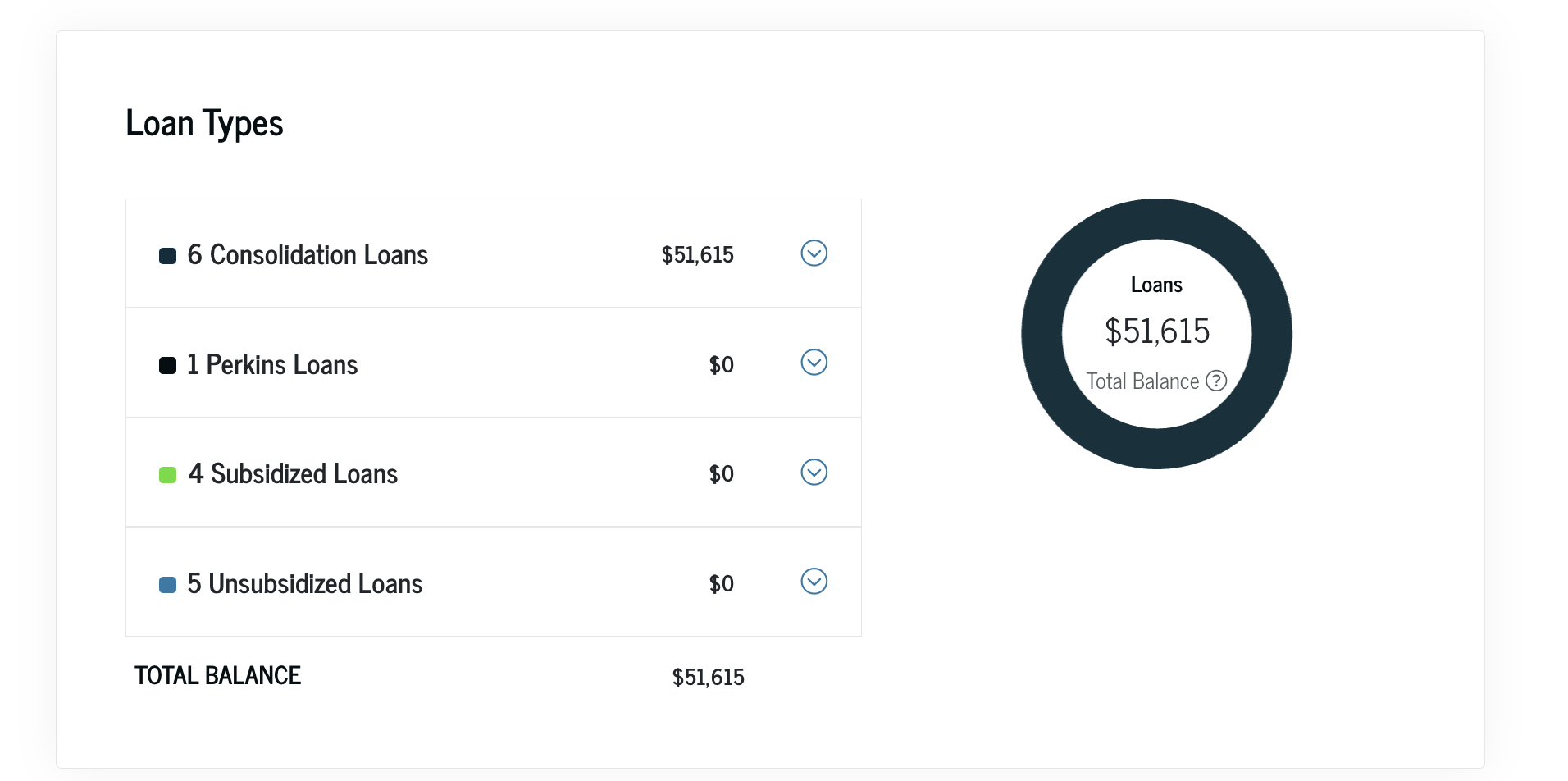
- Federal Student Loans: These are issued by the U.S. Department of Education and include Stafford Loans (subsidized and unsubsidized), PLUS Loans, and Perkins Loans. They come with a range of borrower protections, income-driven repayment plans, and potential forgiveness programs. Information for these loans is centralized to a greater extent.
- Private Student Loans: These are non-federal loans offered by banks, credit unions, and other private lenders. They typically have fewer borrower protections, less flexible repayment options, and eligibility often depends on your creditworthiness. Each private loan usually exists independently with its specific lender.
Knowing this distinction will direct you to the correct sources for your balance information.
Locating Your Federal Student Loan Information
For federal student loans, the process is streamlined thanks to centralized databases and designated servicers. There are primary avenues to explore.
The National Student Loan Data System (NSLDS)
The NSLDS is the U.S. Department of Education’s central database for federal student aid. It contains records of all federal grants and loans, including the total amount borrowed, the current outstanding balance, the loan status, and details about the loan servicer(s) assigned to your loans.
To access your information:
- Visit the Federal Student Aid website (studentaid.gov).
- Log in using your FSA ID (which serves as your electronic signature for federal student aid documents). If you don’t have one, you can create it on the site.
- Once logged in, navigate to your “Dashboard” or “My Aid” section. Here, you’ll find a comprehensive summary of all your federal student loans, including their original disbursement amounts, current principal and interest balances, and the names of your loan servicers.
The NSLDS is an invaluable tool for getting a holistic view of your federal student loan debt across multiple loans and servicers.
Your Loan Servicer’s Online Portal
Once you identify your loan servicer(s) through NSLDS, the next crucial step is to visit their specific online portals. Loan servicers are companies that manage the billing, payments, and other administrative tasks for your federal student loans on behalf of the Department of Education. Common servicers include Nelnet, Great Lakes, Sallie Mae (for some older loans), and MOHELA, among others.
Each servicer will have its own secure website where you can:
- View your current principal balance and accrued interest.
- See your payment history.
- Find details about your repayment plan.
- Update your contact information.
- Make payments or explore repayment options.
You’ll need to create an account with each servicer using your personal information. This offers the most up-to-date and granular detail for each loan managed by that specific servicer.
Contacting Your Servicer Directly
If you’re unable to access online portals or prefer direct communication, you can always contact your loan servicer(s) by phone or mail. Their contact information can typically be found on their websites or within your NSLDS summary. Be prepared to provide your personal identification details, such as your Social Security number or account number, for verification purposes. Direct communication is particularly useful if you have specific questions about discrepancies or need personalized advice.
Accessing Your Private Student Loan Details
Checking private student loan balances can be less centralized than federal loans, as there is no single government database for them. Each loan is tied directly to the issuing financial institution.
Reviewing Your Credit Report
Your credit report is an excellent, comprehensive source for identifying all your outstanding debts, including private student loans. Lenders typically report loan accounts to the three major credit bureaus: Experian, Equifax, and TransUnion.
To get your credit report:
- Visit AnnualCreditReport.com, the only authorized website for free annual credit reports. You are entitled to one free report from each bureau annually.
- Review the “Accounts” or “Tradelines” section carefully. Look for entries labeled as “Student Loan” and note the lender’s name and the account number.
- Each entry will typically show the original loan amount, the current balance, and the payment status.
This method is particularly useful if you’ve forgotten which institutions hold your private loans or if you suspect there might be loans you’re unaware of.
Reaching Out to Your Lender
Once you’ve identified the specific private lenders from your credit report or personal records, the most direct way to get your current balance is to contact them.
- Online Portal: Most private lenders offer secure online portals where you can log in to view your account details, including your current balance, payment history, and statements. You’ll likely need to create an account if you haven’t already.
- Customer Service: Call the lender’s customer service line. Have your loan account number and personal identification ready. They can provide your precise current balance, interest rate, and details about your next payment.
- Mail/Email: Some lenders may also provide information via mail or email if you request it, though this is often a slower process.
The Importance of Loan Documents
Maintain a well-organized record of all your loan documents, including promissory notes, disclosure statements, and any correspondence from your lenders. These documents typically contain your loan account number, the original loan amount, interest rate, and the lender’s contact information, which are vital for checking your balance and understanding your loan terms.
Deciphering Your Loan Statement
Whether federal or private, understanding your monthly loan statement is key to truly knowing your balance and how it’s calculated. It’s more than just a number; it’s a breakdown of your financial obligation.
Key Information to Look For
Each statement will detail several important figures:
- Current Principal Balance: The remaining amount of money you originally borrowed.
- Accrued Interest: The interest that has accumulated on your loan since your last payment or the last time interest was capitalized.
- Total Outstanding Balance: The sum of your principal balance and accrued interest. This is the amount you would need to pay to fully satisfy the loan.
- Minimum Payment Due: The smallest amount you must pay by the due date to avoid late fees and negative credit reporting.
- Payment Due Date: The date by which your payment must be received.
- Interest Rate(s): The annual rate at which interest is charged on your loan.
- Loan Status: Indicates whether your loan is in repayment, deferment, forbearance, or grace period.
Understanding Accrued Interest
It’s critical to differentiate between your principal balance and your total outstanding balance. Interest accrues daily, even if you’re not making payments or are in a grace period (especially for unsubsidized federal and most private loans). Your minimum payment often covers only a portion of the interest first, with the remainder applied to the principal. If your payment is less than the accrued interest, your principal balance won’t decrease, or may even increase if interest capitalizes.
Impact of Payments on Your Balance
Every payment you make contributes to reducing your total outstanding balance. Payments are typically allocated first to fees, then to accrued interest, and finally to the principal. Understanding this allocation helps you see how quickly your principal balance is being reduced and provides insight into the effectiveness of any extra payments you might make.
Strategies for Managing and Reducing Your Balance
Knowing your balance is the first step; actively managing it is the next. With accurate figures at hand, you can implement strategies to reduce your debt efficiently.
Exploring Repayment Options
Federal student loans offer a variety of repayment plans, including Standard, Graduated, Extended, and several Income-Driven Repayment (IDR) plans (e.g., REPAYE, PAYE, IBR, ICR). Each plan affects your monthly payment amount and the total interest paid over the life of the loan. Private lenders may offer fewer options, but it’s always worth discussing possibilities with them if you’re struggling. Regularly checking your balance helps you determine which plan best aligns with your financial goals and current income.
The Power of Extra Payments
One of the most effective ways to reduce your total student loan balance and the amount of interest you pay is to make extra payments whenever possible. Even small additional contributions can significantly shorten your repayment timeline. When making extra payments, explicitly instruct your servicer to apply the additional funds to the principal balance of the loan with the highest interest rate, or whichever loan you are prioritizing. This ensures your extra money directly reduces your debt rather than being applied to future payments or interest.
Refinancing and Consolidation Considerations
For borrowers with multiple loans, particularly high-interest private loans, refinancing or consolidation can be powerful tools.
- Refinancing (Private Loans): This involves taking out a new private loan with a lower interest rate to pay off existing private and/or federal loans. It can save you money on interest and simplify your payments. However, refinancing federal loans into a private loan means forfeiting federal protections.
- Consolidation (Federal Loans): A Direct Consolidation Loan allows you to combine multiple federal student loans into a single new loan with one servicer and a single fixed interest rate (the weighted average of your original loans, rounded up to the nearest one-eighth of a percentage point). This primarily simplifies repayment and can open doors to certain IDR plans or forgiveness programs, but it doesn’t necessarily lower your interest rate.
Before pursuing either option, thoroughly check all your loan balances and understand the potential benefits and drawbacks. A clear understanding of your current debt is the bedrock of making such significant financial decisions.
Regularly checking your student loan balance is a fundamental aspect of sound personal finance. It provides clarity, encourages proactive management, and lays the groundwork for strategic decisions that can lead to substantial savings and quicker debt elimination. By utilizing the available resources for both federal and private loans, you gain the knowledge and control necessary to navigate your student debt effectively and move closer to financial independence.
aViewFromTheCave is a participant in the Amazon Services LLC Associates Program, an affiliate advertising program designed to provide a means for sites to earn advertising fees by advertising and linking to Amazon.com. Amazon, the Amazon logo, AmazonSupply, and the AmazonSupply logo are trademarks of Amazon.com, Inc. or its affiliates. As an Amazon Associate we earn affiliate commissions from qualifying purchases.