
Understanding the true financial value of a vehicle is a critical skill for anyone engaging with the automotive market, whether as a buyer, seller, or simply an owner looking to manage their assets. A vehicle’s worth is not a static figure; it’s a dynamic assessment influenced by a multitude of variables, market conditions, and even subjective perceptions. Far from being a mere number, it represents a significant financial asset that requires careful valuation and strategic management to preserve or maximize its economic potential. Grasping the nuances of vehicle valuation empowers individuals and businesses to make informed financial decisions, ensuring they neither overpay when buying nor undersell when liquidating.

The Multifaceted Nature of Vehicle Valuation
Pinpointing a vehicle’s worth is a complex exercise that blends objective data with subjective market dynamics. It’s rarely a straightforward calculation because different stakeholders—dealers, private buyers, insurance companies, and even the owner—may assign varying values based on their specific perspectives and needs.
Understanding Market Value vs. Emotional Value
At its core, a vehicle’s worth is predominantly its market value: what a willing buyer is prepared to pay, and a willing seller is prepared to accept, under current market conditions. This is the financial metric that matters most for transactions and asset management. However, owners often attach an emotional value to their vehicles, influenced by personal memories, customization, or sentimental attachment. While valid for the owner, this emotional value rarely translates directly into increased market price and must be separated from financial valuation for practical purposes. For businesses, the focus is entirely on market value, often considering depreciation schedules and asset book value for accounting purposes.
Key Factors Driving Value Fluctuations
Numerous tangible and intangible factors contribute to a vehicle’s market worth, creating a complex interplay that constantly shifts its value.
- Make, Model, and Trim: Certain brands and models inherently hold their value better due to reputation for reliability, performance, or luxury. Specific trims with desirable features can also command higher prices.
- Age and Mileage: These are perhaps the most universal depreciation factors. Generally, newer vehicles with lower mileage are worth more, as they are perceived to have more useful life remaining.
- Condition (Interior and Exterior): A well-maintained vehicle with minimal cosmetic flaws, a clean interior, and no major mechanical issues will fetch a higher price. This includes paint quality, tire wear, upholstery condition, and the functionality of all systems.
- Maintenance and Service History: Comprehensive, verifiable service records indicate responsible ownership and can significantly boost confidence for potential buyers, suggesting the vehicle has been cared for properly.
- Accident History: Vehicles involved in major accidents, especially those with frame damage or salvaged titles, see a substantial reduction in value, regardless of the quality of repairs.
- Features and Options: Desirable features like advanced safety systems, infotainment upgrades, panoramic sunroofs, or premium sound systems can increase value, particularly in the used car market where buyers prioritize modern conveniences.
- Market Demand and Economic Conditions: Supply and demand play a crucial role. Popular models with high demand will retain value better. Economic downturns or shifts in consumer preferences (e.g., towards electric vehicles) can impact the entire market.
- Location: Vehicle values can vary geographically due to regional demand, climate (e.g., rust concerns in coastal areas), or specific state regulations.
Deconstructing Depreciation: The Silent Value Killer
Depreciation is arguably the single largest factor influencing a vehicle’s worth over its lifespan. It’s the unavoidable decline in an asset’s value over time due to use, wear and tear, age, and obsolescence. For most vehicles, depreciation begins the moment they are driven off the dealership lot and continues relentlessly, making it a critical consideration for both personal finance and business asset management.
Annual Decline and Its Determinants
The rate of depreciation isn’t uniform. While all vehicles depreciate, some lose value much faster than others. Typically, a new car can lose 15-20% of its value in the first year alone, with significant drops continuing for the first three to five years. After this initial period, the depreciation rate tends to slow down but remains a constant force.
Several factors accelerate or mitigate this decline:
- Make and Model Reputation: Vehicles known for reliability and strong resale value (e.g., certain Japanese brands) often depreciate slower. Luxury vehicles, while expensive new, often experience higher initial depreciation in percentage terms.
- Market Trends: Fuel efficiency, safety ratings, and technological advancements can influence depreciation. A vehicle that becomes outdated quickly in terms of tech or style may depreciate faster.
- Initial Price: More expensive vehicles generally have larger absolute depreciation amounts, even if their percentage depreciation is comparable or lower.
- Economic Factors: High gas prices can increase depreciation for large, inefficient vehicles, while economic booms might stimulate demand for luxury cars, slowing their depreciation.
The Impact of Usage and Maintenance
How a vehicle is used and maintained directly impacts its depreciation curve. High mileage, beyond what’s considered average (typically 12,000-15,000 miles per year), will accelerate depreciation because it suggests more wear and tear on components and a shorter remaining lifespan. A vehicle with 100,000 miles at three years old will be worth significantly less than one with 45,000 miles at the same age.
Similarly, a lack of regular maintenance or documented service history can severely impact a vehicle’s worth. Evidence of deferred maintenance, such as worn tires, poor brake performance, or dashboard warning lights, signals potential costly repairs to a prospective buyer, directly reducing the offer price. Conversely, a vehicle with a meticulous service record, including routine oil changes, fluid flushes, and timely repairs, often commands a premium as it suggests reliability and longevity. Even cosmetic neglect, like dents, scratches, stained interiors, or strong odors, contributes to faster depreciation, as these issues detract from the vehicle’s appeal and perceived care.
Practical Approaches to Assessing Vehicle Worth
Accurately assessing a vehicle’s worth requires a multi-pronged approach, leveraging available tools and market insights. Relying on a single method can lead to an incomplete or inaccurate valuation, potentially costing you money.
Leveraging Online Valuation Tools
The digital age has provided accessible and often reliable resources for estimating vehicle value. Websites like Kelley Blue Book (KBB), Edmunds, and NADA Guides are industry standards. They aggregate vast amounts of transactional data, allowing users to input specific vehicle details (make, model, year, trim, mileage, condition, features, zip code) to generate estimated values for trade-in, private party sale, and retail.
- Kelley Blue Book (KBB): Widely recognized, KBB offers a range of values including “Trade-in Value” (what a dealer might offer), “Private Party Value” (what you might get selling to an individual), and “Suggested Retail Value” (what a dealer might sell it for).
- Edmunds: Provides “True Market Value®” (TMV®), which aims to show the average transaction price in your area, giving a realistic benchmark for both buying and selling.
- NADA Guides (J.D. Power Valuation Services): Often used by financial institutions and dealerships, NADA provides comprehensive data, sometimes leaning slightly higher for retail values, but offers detailed breakdowns for various conditions and options.
While these tools are excellent starting points, they provide estimates. Actual transaction prices can vary. Always use current data, as market conditions change.
The Role of Professional Appraisals and Dealership Offers
For certain situations, or when online tools feel insufficient, professional appraisals can offer a more precise valuation. These are particularly valuable for:
- Classic or Collector Cars: Unique vehicles whose value is highly subjective and depends on originality, provenance, and rarity.
- Insurance Claims: Establishing pre-accident value for total loss claims.
- Divorce or Estate Settlements: Requiring an impartial valuation for legal purposes.
- Modified Vehicles: Where aftermarket parts significantly alter the original vehicle’s value.
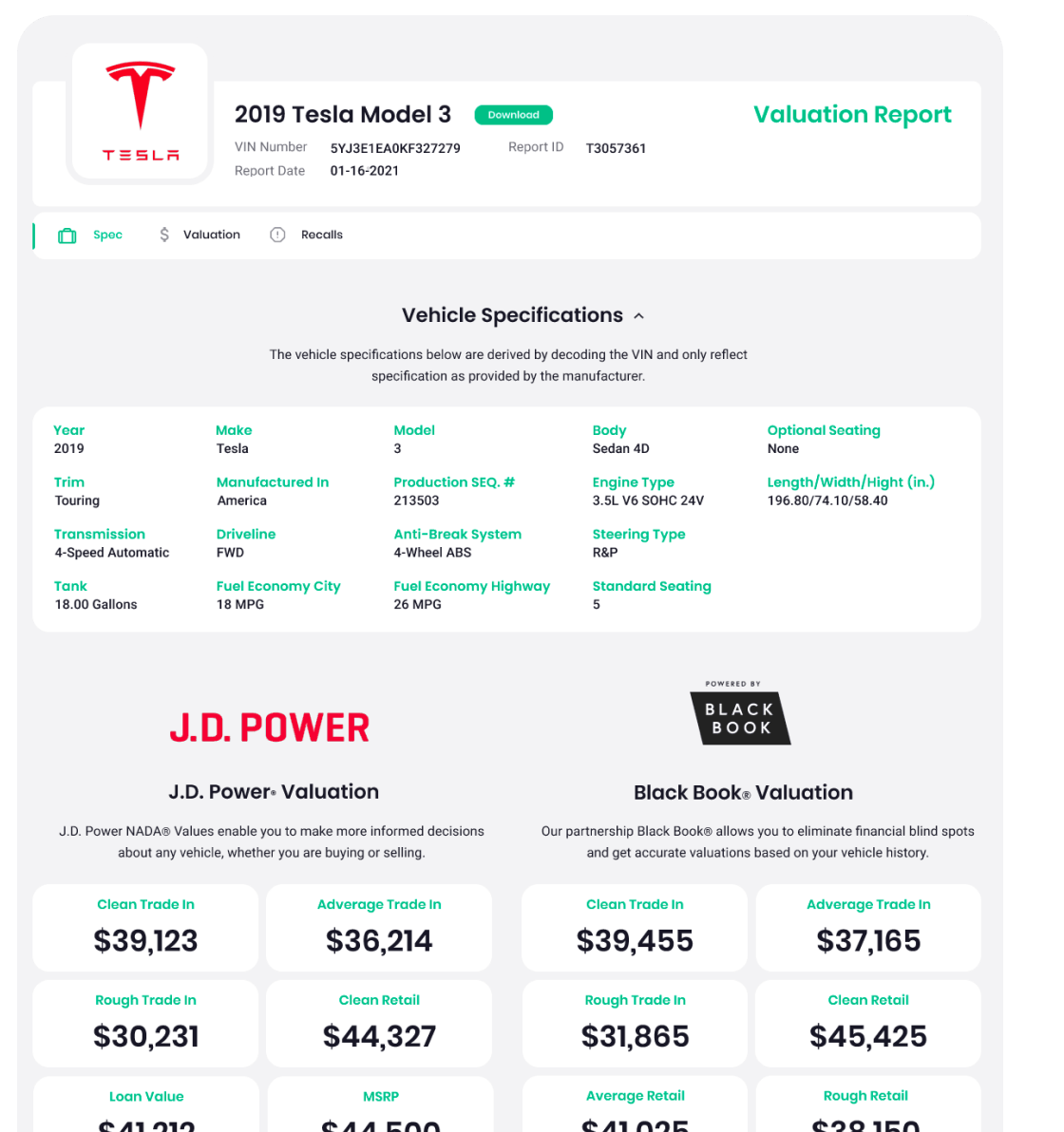
Professional appraisers conduct thorough inspections, review documentation, and analyze specialized markets to provide a certified valuation. While they come with a fee, their expertise can be invaluable.
Dealership trade-in offers are another form of valuation, though often the lowest. Dealers factor in their reconditioning costs, profit margin, and current inventory needs. While convenient, a trade-in offer should primarily be used as a baseline for the minimum value rather than the absolute market worth. It’s crucial to separate the trade-in offer from the new vehicle purchase price to accurately assess each component of the transaction.
Private Sale Comparisons and Negotiation
For private sellers, actively researching comparable vehicles on platforms like Autotrader, CarGurus, Facebook Marketplace, and Craigslist provides real-time market insights. Look for vehicles of the same make, model, year, trim, mileage range, and condition listed for sale in your local area. This “boots on the ground” research helps set a realistic asking price and understand what buyers are willing to pay right now.
When selling, be prepared to negotiate. Buyers will often start with lower offers, and understanding your vehicle’s true worth—backed by research—allows you to confidently counter-offer and defend your price. For buyers, this same research arms you with leverage to negotiate down from a seller’s asking price, referencing comparable listings or valuation guide estimates that support a lower figure. Transparency, such as providing maintenance records, can also build trust and streamline the negotiation process.
Maximizing and Preserving Your Vehicle’s Financial Value
A vehicle is often one of the largest depreciating assets an individual or business owns, making proactive measures to preserve its value a sound financial strategy. While depreciation is inevitable, its rate and impact can be significantly mitigated through thoughtful maintenance, strategic upgrades, and intelligent timing.
Strategic Maintenance and Service Records
The most impactful way to preserve a vehicle’s worth is consistent, thorough maintenance. Adhering strictly to the manufacturer’s recommended service schedule is paramount. This includes routine oil changes, tire rotations, fluid checks and replacements, filter changes, and timely addressing of any warning lights or unusual noises.
- Preventative Care: Regular preventative maintenance prevents minor issues from escalating into expensive, value-destroying problems. A well-oiled machine instills confidence in potential buyers.
- Documentation: Keeping meticulous records of all service and repairs is critical. A complete folder of receipts, invoices, and service printouts acts as undeniable proof of responsible ownership. This history reassures buyers that the vehicle has been properly cared for, often adding hundreds, if not thousands, to its resale value. Digital service histories, now common with dealerships, are also valuable.
- Tire and Brake Care: These are often the first things buyers inspect. Ensuring tires have adequate tread depth and brakes are in good condition demonstrates readiness for sale and avoids immediate repair costs for the new owner.
Smart Upgrades and Aesthetic Care
Not all upgrades increase value, and some can even detract from it. Smart upgrades focus on universal appeal and functionality rather than niche tastes.
- Sensible Upgrades: Installing a quality aftermarket infotainment system (especially if the original is outdated), upgrading worn headlights, or replacing a cracked windshield can justify a higher asking price.
- Avoid Over-Customization: Highly personalized modifications, such as extreme suspension lifts, custom paint jobs, or performance engine tunes, often appeal only to a very specific segment of buyers, potentially limiting market appeal and reducing value for the wider audience. Reverting a vehicle to a more stock appearance before selling can be beneficial.
- Aesthetic Preservation: The exterior and interior condition are immediate indicators of a vehicle’s care. Regular washing, waxing, and interior cleaning protect paint, prevent rust, and maintain upholstery. Addressing minor dents, scratches, and stains promptly prevents them from worsening and creating a perception of neglect. Professional detailing before sale can yield an excellent return on investment by making the vehicle appear much newer and better cared for.
When to Sell: Timing the Market
The timing of a sale can significantly impact the realized worth.
- Mileage Milestones: Values often drop at major mileage thresholds (e.g., 50,000, 75,000, 100,000 miles) because buyers associate these with increased wear and potential for major maintenance. Selling just before hitting one of these benchmarks can preserve value.
- Seasonal Demand: Certain types of vehicles sell better during specific seasons. Convertibles and sports cars might fetch higher prices in spring/summer, while SUVs and AWD vehicles see increased demand in fall/winter, especially in colder climates.
- New Model Releases: Selling an older model before its successor hits the market can be advantageous, as the introduction of a new model often pushes down the value of the previous generation.
- Market Cycles: Broad economic conditions, inventory levels at dealerships, and supply chain issues (as seen in recent years) can create seller’s markets or buyer’s markets. Monitoring these trends and waiting for favorable conditions can optimize sale price. Selling when demand is high and supply is low will generally yield the best financial outcome.
Beyond the Passenger Car: Specialized Vehicle Valuations
While the general principles of valuation—age, condition, mileage, market demand—apply across the board, certain vehicle categories have unique considerations that significantly impact their worth. Understanding these specific nuances is crucial for accurate financial assessment.
Commercial Vehicles and Fleet Assets
For businesses, commercial vehicles are not just transportation but essential tools and significant capital assets. Their valuation focuses heavily on utility, total cost of ownership, and revenue-generating potential.
- Usage and Wear: Commercial vehicles often endure much harder use than passenger cars. Valuation must consider duty cycle, payload capacity, towing history, and specialized equipment wear. A work truck used for heavy hauling will depreciate differently than one used for light errands.
- Maintenance and Downtime: Consistent, documented maintenance is even more critical for commercial vehicles. Buyers are keenly interested in preventing costly downtime. A well-maintained fleet vehicle with detailed service logs demonstrating adherence to preventative maintenance schedules will hold significantly more value.
- Specialized Equipment: The value of attached equipment (e.g., lift gates, refrigeration units, utility bodies) often needs to be assessed separately from the base vehicle. Some specialized equipment may add substantial value, while outdated or highly customized equipment might be less transferable.
- Regulatory Compliance: Emissions standards, safety regulations, and vehicle classification (e.g., DOT compliance) can impact the value of commercial vehicles, particularly when crossing state lines or preparing for fleet upgrades.
- Depreciation Schedules: Businesses often use specific depreciation schedules (e.g., MACRS for tax purposes in the U.S.) to account for the loss of value over time, which affects their balance sheets and taxable income.
Classic, Collector, and Enthusiast Vehicles
The valuation of classic and collector vehicles diverges significantly from modern cars, moving beyond simple utility to encompass historical significance, rarity, originality, and emotional appeal.
- Rarity and Provenance: Limited production numbers, unique historical significance (e.g., owned by a celebrity, significant racing history), and documented originality (matching numbers engine/chassis) can dramatically inflate value.
- Condition and Authenticity: “Original” or “numbers-matching” vehicles in pristine condition often command the highest prices. Restoration quality is critical—a professionally restored vehicle will be worth far more than a poorly reconditioned one. Authenticity, down to original fasteners and finishes, is highly prized.
- Market Trends and Collectibility: The “hot” collector cars change over time. Valuation requires deep insight into current collector market trends, auction results, and expert opinions from specialist appraisers. What was desirable a decade ago might have cooled, while other models have surged.
- Documentation: Extensive documentation, including original sales invoices, build sheets, service records, and photographic evidence of restoration, is essential to verify authenticity and history, substantially increasing value.
- Appraisal Specialists: Due to the subjective and volatile nature of this market, professional appraisers specializing in classic and collector cars are indispensable. They have the expertise to assess nuances that online tools cannot capture.

Recreational Vehicles and Motorcycles
RVs and motorcycles, while distinct from cars, share many valuation principles but also present unique considerations.
- RVs (Motorhomes, Travel Trailers):
- Condition of Interior Appliances: Functionality and condition of the kitchen, bathroom, climate control, and entertainment systems are paramount.
- Water Damage and Structural Integrity: RVs are prone to leaks and water damage, which can severely diminish value. Thorough inspection for soft spots, mold, or odors is critical.
- Layout and Features: Desirable floor plans, slide-outs, generator capacity, and overall amenities significantly impact market appeal and price.
- Usage: Similar to commercial vehicles, RVs can see varied use. A unit stored indoors and used sparingly will hold value better than one constantly exposed to the elements or heavily lived in.
- Motorcycles:
- Category: Sport bikes, cruisers, touring bikes, dirt bikes, and scooters each have distinct markets and depreciation curves.
- Modifications: Aftermarket exhaust, custom paint, or performance upgrades can either enhance or detract from value depending on taste and quality.
- Accident History: Even minor drops can result in scratched fairings or bent handlebars, significantly impacting value. Evidence of a “tip-over” or more serious accident will be heavily scrutinized.
- Seasonal Demand: Like some passenger cars, motorcycles often see peak demand and higher prices during warmer months.
In all these specialized categories, a clear understanding of the specific market, combined with diligent maintenance and detailed documentation, forms the bedrock of accurate financial valuation.
aViewFromTheCave is a participant in the Amazon Services LLC Associates Program, an affiliate advertising program designed to provide a means for sites to earn advertising fees by advertising and linking to Amazon.com. Amazon, the Amazon logo, AmazonSupply, and the AmazonSupply logo are trademarks of Amazon.com, Inc. or its affiliates. As an Amazon Associate we earn affiliate commissions from qualifying purchases.