
In the dynamic landscape of personal finance, every dollar counts, and understanding the full scope of one’s available funds is paramount. Gift cards, often perceived as mere tokens of goodwill, are, in essence, a form of stored value – a tangible asset waiting to be deployed. Knowing the precise balance on these cards isn’t just about curiosity; it’s a fundamental aspect of diligent financial management, enabling informed spending decisions, preventing value forfeiture, and integrating these assets effectively into a personal budget. This article delves into the critical methods for checking gift card balances, framing this seemingly simple task within the broader context of sound financial stewardship.
The Imperative of Knowing Your Gift Card Balance for Sound Financial Management
For the financially savvy individual, a gift card is not just a present; it’s a commitment of future spending power. Like any other financial instrument, its value must be monitored and understood to be utilized effectively. Neglecting to check a gift card balance can lead to a host of financial inefficiencies and missed opportunities.
Avoiding Unnecessary Spending and Accidental Forfeiture
One of the primary benefits of knowing your gift card balance is the ability to spend precisely. Imagine reaching the checkout only to find your card has an insufficient balance, forcing you to use cash or another credit card for an unexpected amount. This not only disrupts your budget but can also lead to overspending if you planned your purchase around the card’s perceived value. More critically, unspent balances often dwindle or are completely lost. Some gift cards have expiration dates, dormancy fees, or are simply forgotten, rendering their monetary value inaccessible. Regularly checking the balance ensures you are aware of these deadlines and can act proactively to exhaust the funds before they vanish. It’s a proactive step in protecting your assets from avoidable erosion.
Integrating Gift Cards into Your Budgeting Strategy
A robust personal budget accounts for all forms of income and expenditure. Gift cards, representing pre-paid funds for specific merchants or categories, can and should be integrated into this framework. By knowing your balances, you can allocate these funds towards planned purchases, thereby reducing the strain on your liquid cash or credit. For example, a gift card to a grocery store can directly offset your weekly food budget, while a card for a clothing retailer can fund a specific wardrobe update without dipping into discretionary savings. This integration allows for more precise financial forecasting and helps maintain control over your overall spending, transforming what might seem like ‘found money’ into a structured financial resource.
Safeguarding Against Loss and Maximizing Utility
Physical gift cards can be lost, stolen, or damaged, just like cash or credit cards. If you don’t know the balance, reporting a lost card to potentially get a replacement becomes significantly harder, and the likelihood of recovering your funds diminishes. Knowing the balance empowers you to treat these cards with the same care as other financial instruments. Furthermore, maximizing utility means making every dollar count. A small residual balance, though seemingly insignificant, can often be combined with other payment methods or used for a small, essential item, preventing it from becoming “orphaned” and eventually lost. This meticulous approach ensures that the full value intended by the giver is realized by the recipient.
Practical Pathways to Uncovering Your Card’s Value
While the specific method for checking a gift card balance can vary by issuer and retailer, several common pathways offer straightforward access to this crucial information. Each method caters to different preferences and situations, ensuring accessibility for all users.
The Digital Frontier: Online Portals and Mobile Apps
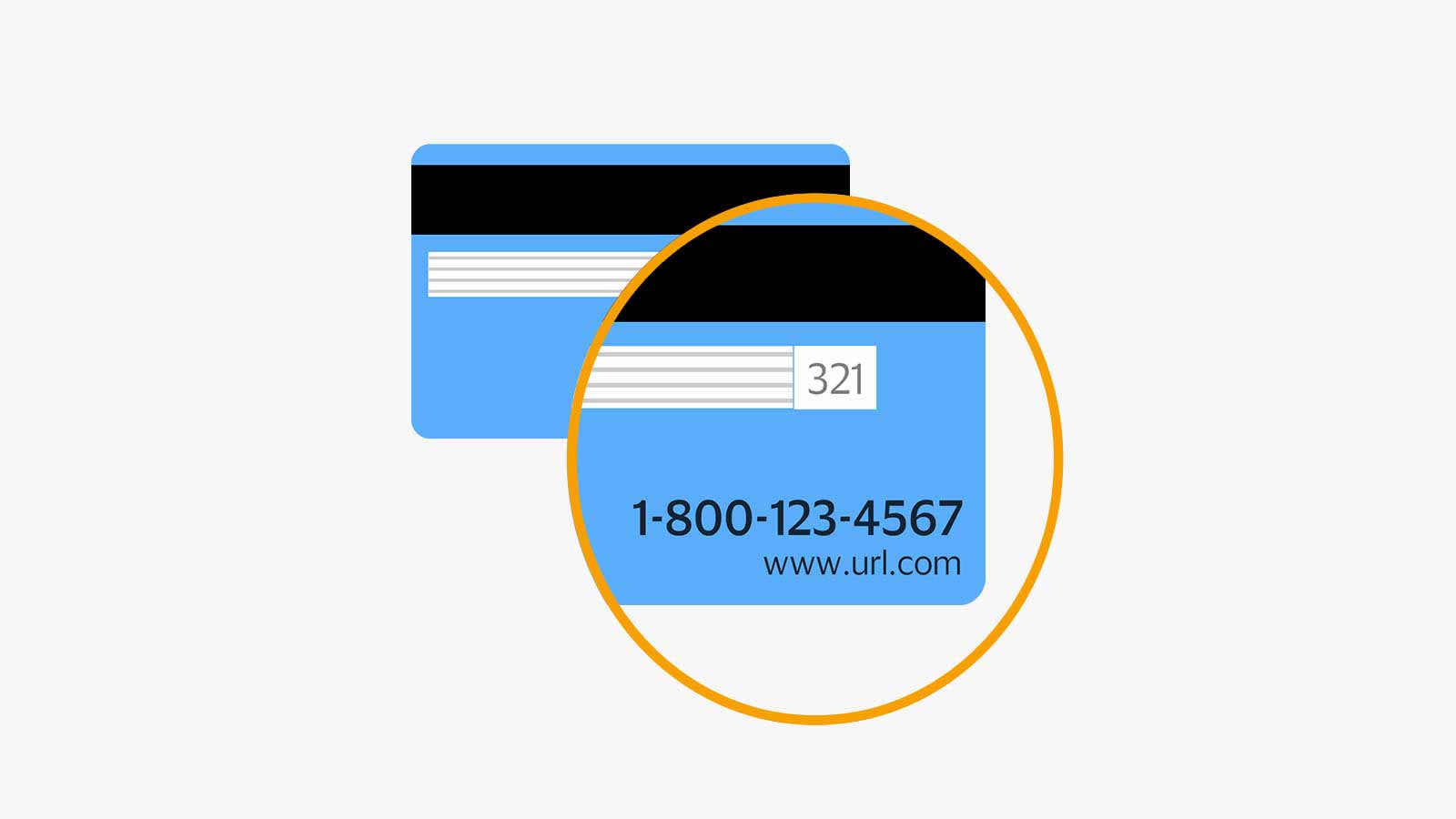
In the digital age, the most common and often most convenient method to check a gift card balance is online. Most major retailers and gift card issuers provide dedicated portals on their websites. Typically, you’ll navigate to a “Gift Card” or “Check Balance” section, where you’ll be prompted to enter the card number and, sometimes, a PIN or security code usually found on the back of the card, often under a scratch-off strip. These online systems provide instant, up-to-date balance information. Similarly, many retailers now offer mobile applications that integrate gift card management. Once a card is registered or entered into the app, its balance can often be viewed directly, and some apps even allow for in-app redemption or storage of multiple card balances, streamlining the process significantly. This digital approach is not only fast but also environmentally friendly, reducing the need for physical inquiries.
The Personal Touch: In-Store Inquiries
For those who prefer a more direct, human interaction or who find themselves near a physical store location, checking the balance in person is a reliable option. Simply take your gift card to any physical branch of the issuing retailer. At the customer service desk or even at the checkout counter, a sales associate can typically swipe the card or manually enter its details into their point-of-sale system to retrieve the balance. This method is particularly useful for smaller local businesses that may not have sophisticated online balance-check systems. It also offers the advantage of being able to immediately use the card if you decide to make a purchase after discovering the balance, integrating the balance check seamlessly into your shopping experience.
The Direct Line: Phone Support and Automated Systems
Another traditional and still widely available method is to call the customer service number provided on the back of the gift card. This number usually connects you to an automated system or a live representative. Automated systems will typically guide you through a series of prompts, asking for the gift card number and potentially a PIN. These systems are available 24/7, making them convenient for balance checks outside of business hours. If the automated system is unclear or fails to provide the necessary information, or if you prefer speaking to a person, you can usually opt to connect with a customer service representative. They can manually look up the balance and provide additional information, such as expiration dates or transaction history, offering a personalized touch to your inquiry.
Navigating Common Hurdles and Best Practices for Financial Security
While checking a gift card balance is generally straightforward, certain scenarios can present challenges. Adopting best practices for security and diligence ensures that your gift card assets remain protected and accessible.
Dealing with Uncooperative Retailers or Obscure Cards

Occasionally, you might encounter a gift card from a retailer that has gone out of business, been acquired, or simply doesn’t have a clear balance-check mechanism. In such cases, the monetary value can be at risk. For cards from defunct retailers, contacting the company that acquired them (if applicable) or exploring state unclaimed property offices might be an option, though success is not guaranteed. For obscure local cards without online systems, a direct phone call to the store during business hours is usually the best approach. Persistence and clear communication are key. It’s a good financial habit to check balances of less common gift cards sooner rather than later to avoid such dilemmas.
Protecting Your Gift Card Information from Fraud
Gift cards, like cash, are vulnerable to theft and fraud. Once the card number and PIN are compromised, the funds can be drained quickly. Always treat your gift card details with the same confidentiality as your credit card information. Avoid sharing full card numbers and PINs over insecure channels. When checking balances online, ensure you are on the official retailer’s website (look for “https://” and a padlock icon in the URL). Be wary of phishing scams that request gift card information. After receiving a gift card, it’s a wise practice to check its balance immediately to ensure it hasn’t been tampered with and to safeguard the funds by knowing exactly how much you have.
Establishing a Routine for Gift Card Management
To effectively integrate gift cards into your financial portfolio, consider establishing a routine for their management. This could involve designating a specific place to store all gift cards, perhaps in a wallet or a dedicated envelope. Periodically (e.g., monthly or quarterly), take inventory of your gift cards, checking each balance and noting down the amounts, expiration dates, and any associated fees. Some individuals find it helpful to use a simple spreadsheet or a notes app to track this information. By making gift card management a regular habit, you reduce the likelihood of cards going unused, expiring, or being misplaced, thereby protecting their monetary value and ensuring they contribute positively to your financial well-being.
Strategic Utilization: Beyond Just Checking, Towards Maximizing Monetary Value
Once you know your gift card balance, the next step is strategic utilization. A gift card is not merely an alternative payment method; it’s a financial tool that, when wielded wisely, can enhance your purchasing power and help manage your finances more effectively.
Combining Gift Cards with Sales and Promotions
One of the smartest ways to maximize the value of a gift card is to use it during a sale, promotion, or with a discount code. For instance, if you have a $50 gift card to a clothing store, waiting for a 20% off sale means your $50 effectively stretches further, allowing you to buy more than you could at full price. This approach compounds your savings, making your gift card a more potent financial asset. Always check a store’s current promotions before making a purchase with a gift card to ensure you’re getting the best possible deal. This mindful approach to spending transforms a simple gift into a strategic financial advantage.
Reselling or Trading Unwanted Gift Cards
Not all gift cards align with your spending habits or needs. Receiving a gift card for a store you rarely frequent, or one that’s inconveniently located, can feel like a financial dead-end. However, there are platforms designed for reselling or trading unwanted gift cards. Websites like CardCash, Raise, or GiftCardExchange allow you to sell your unwanted cards, often for a percentage of their face value (e.g., 80-90%). While you won’t get the full monetary value, converting an unused card into cash or a card for a retailer you will use is a financially sound decision, preventing the original value from going to waste. This transforms a potentially dormant asset into liquid funds or a more useful form of stored value, aligning with proactive financial management principles.
Understanding Expiration Dates and Fees (Hidden Costs)
A critical aspect of maximizing gift card value is understanding their terms and conditions, particularly expiration dates and dormancy or service fees. While federal law generally protects against expiration for five years for cards issued by banks or credit unions, store-specific gift cards might have different rules. State laws also vary. Dormancy fees, which can slowly chip away at a card’s balance if it’s unused for an extended period, are another hidden cost. Always read the fine print or check the issuer’s website for these details. Proactive awareness of these terms allows you to use your cards before they lose value, ensuring that the full monetary benefit is realized and no funds are inadvertently lost to neglect or hidden charges.
Gift Cards in Your Broader Financial Landscape
Beyond the immediate act of checking and using, gift cards have a subtle but significant role to play within the larger tapestry of personal finance. They represent a unique category of funds that can influence budgeting, spending habits, and even financial planning.
Gift Cards as a Gifting Strategy (Recipient’s Perspective)
From the recipient’s perspective, gift cards offer a unique form of financial flexibility. Unlike a cash gift, which might be absorbed into general funds, a gift card often directs spending towards a specific category or retailer. This can be beneficial by facilitating purchases the recipient might otherwise defer due to budget constraints. For example, a restaurant gift card encourages dining out, while a bookstore card promotes leisure reading. By understanding the value and purpose of these cards, recipients can consciously integrate them into their lifestyle choices, influencing their discretionary spending patterns in a structured way.
The Role of Gift Cards in Financial Planning and Flexibility
While gift cards aren’t typically a core component of long-term financial planning, they offer a certain degree of short-term financial flexibility. For individuals operating on tight budgets, receiving gift cards for necessities like groceries or gas can free up cash for other critical expenses or even contribute to savings. They act as a supplementary financial cushion, providing pre-allocated funds that reduce immediate financial pressure. This flexibility can be particularly valuable during times of unexpected expenses or when striving to meet specific savings goals, demonstrating how even seemingly small financial instruments can play a part in managing cash flow.

A Tool for Mindful Spending, Not Just a Freebie
Finally, gift cards can serve as an excellent tool for promoting mindful spending. Knowing you have a specific amount tied to a particular store or purpose encourages deliberate purchasing decisions. Instead of impulse buying, you’re more likely to consider what truly needs to be bought from that retailer, how to best utilize the funds, and whether combining it with a sale will yield maximum value. This contrasts with cash or credit, which can sometimes facilitate less thoughtful consumption. By fostering conscious decision-making, gift cards subtly reinforce principles of financial prudence and strategic consumption, proving they are far more than just a “freebie” – they are a valuable component in a well-managed financial life.
In conclusion, the act of checking a gift card balance, while seemingly minor, is an integral part of responsible financial management. It empowers individuals to protect their assets, optimize spending, and integrate all forms of value into their budgeting and financial planning. By adopting diligent practices for balance inquiry, security, and strategic utilization, every gift card can be transformed from a simple present into a powerful financial tool, contributing meaningfully to overall financial well-being.
aViewFromTheCave is a participant in the Amazon Services LLC Associates Program, an affiliate advertising program designed to provide a means for sites to earn advertising fees by advertising and linking to Amazon.com. Amazon, the Amazon logo, AmazonSupply, and the AmazonSupply logo are trademarks of Amazon.com, Inc. or its affiliates. As an Amazon Associate we earn affiliate commissions from qualifying purchases.