
The definition of “watching TV” has undergone a radical transformation over the last decade. We have moved from a linear, broadcast-centric model to a fragmented, digital-first ecosystem driven by high-speed internet, sophisticated software, and powerful hardware. Understanding how to watch TV in the current landscape requires more than just knowing how to flip a switch; it involves navigating an intricate web of streaming protocols, hardware capabilities, and network optimizations. This guide explores the technological foundations of modern television consumption, from the silicon inside your smart TV to the algorithms that curate your evening entertainment.
The Evolution of Hardware: Beyond the Traditional Screen
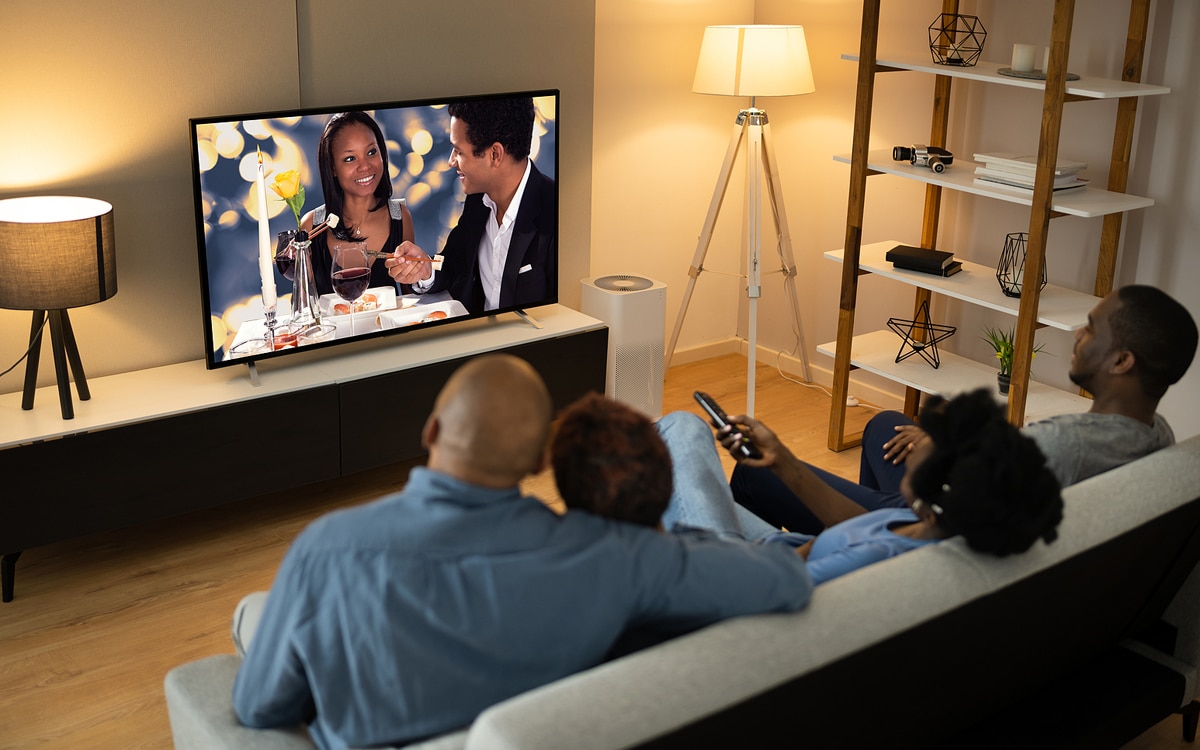
The primary gateway to television content is no longer the tuner built into the chassis of a CRT monitor. Instead, the hardware landscape is divided between integrated Smart TVs and external streaming peripherals, each offering distinct technological advantages.
Smart TVs and Integrated Operating Systems
Most modern displays are effectively large-format computers optimized for video playback. The experience of watching TV is now dictated by the System on a Chip (SoC) and the Operating System (OS) residing within the panel. Major players like Samsung utilize Tizen, LG uses webOS, and various manufacturers like Sony, TCL, and Hisense have adopted Google TV or Roku TV.
The advantage of a Smart TV is the “all-in-one” convenience. These units eliminate the need for extra cables and remotes, providing a direct interface to apps like Netflix, YouTube, and Disney+. However, the longevity of a Smart TV’s “smart” features is often limited by its internal processor. As software grows more demanding, older Smart TVs may experience lag, leading many tech-savvy users to pivot toward external hardware.
Streaming Sticks and Set-Top Boxes
For users seeking peak performance, external streaming devices remain the gold standard. Devices such as the Apple TV 4K, the Nvidia Shield TV, and the Amazon Fire TV Stick 4K Max offer superior processing power compared to built-in TV hardware. This translates to faster app loading times, smoother UI navigation, and better support for high-bitrate video formats.
The Nvidia Shield TV, for instance, utilizes AI-enhanced upscaling to take 1080p content and sharpen it to 4K in real-time, leveraging the power of its Tegra X1+ processor. Meanwhile, the Apple TV 4K focuses on deep integration within its ecosystem, allowing users to use an iPhone as a color calibration tool or connect multiple sets of AirPods for private, spatial audio listening.
Mobile and Tablet Integration: Casting and AirPlay
The concept of “watching TV” also extends to mobile devices acting as the brain for the big screen. Technologies like Google Cast (Chromecast) and Apple AirPlay 2 allow users to “hand off” a video stream from a smartphone to a television. This method bypasses the TV’s native interface entirely, utilizing the phone’s more responsive touch screen to navigate content libraries before projecting the data stream to the larger display.
Software and Ecosystems: Navigating the Streaming Landscape
Once the hardware is established, the method of watching TV is governed by the software ecosystem. The industry has shifted from a one-size-fits-all cable package to a tiered system of digital delivery models.
SVOD vs. AVOD vs. FAST Channels
Subscription Video On Demand (SVOD), popularized by Netflix, remains the dominant way people watch ad-free premium content. However, the rising cost of subscriptions has led to a resurgence in Ad-supported Video On Demand (AVOD) and Free Ad-supported Streaming TV (FAST).
FAST channels—such as those found on Pluto TV, Tubi, or the Roku Channel—mimic the traditional “lean-back” experience of linear television. They offer scheduled programming, news, and movies in a format that requires zero user interaction, providing a nostalgic experience powered by modern streaming protocols. This hybrid model shows that while the “how” of TV has changed, the human desire for curated, effortless viewing remains.
The Role of AI in Personalization and Discovery
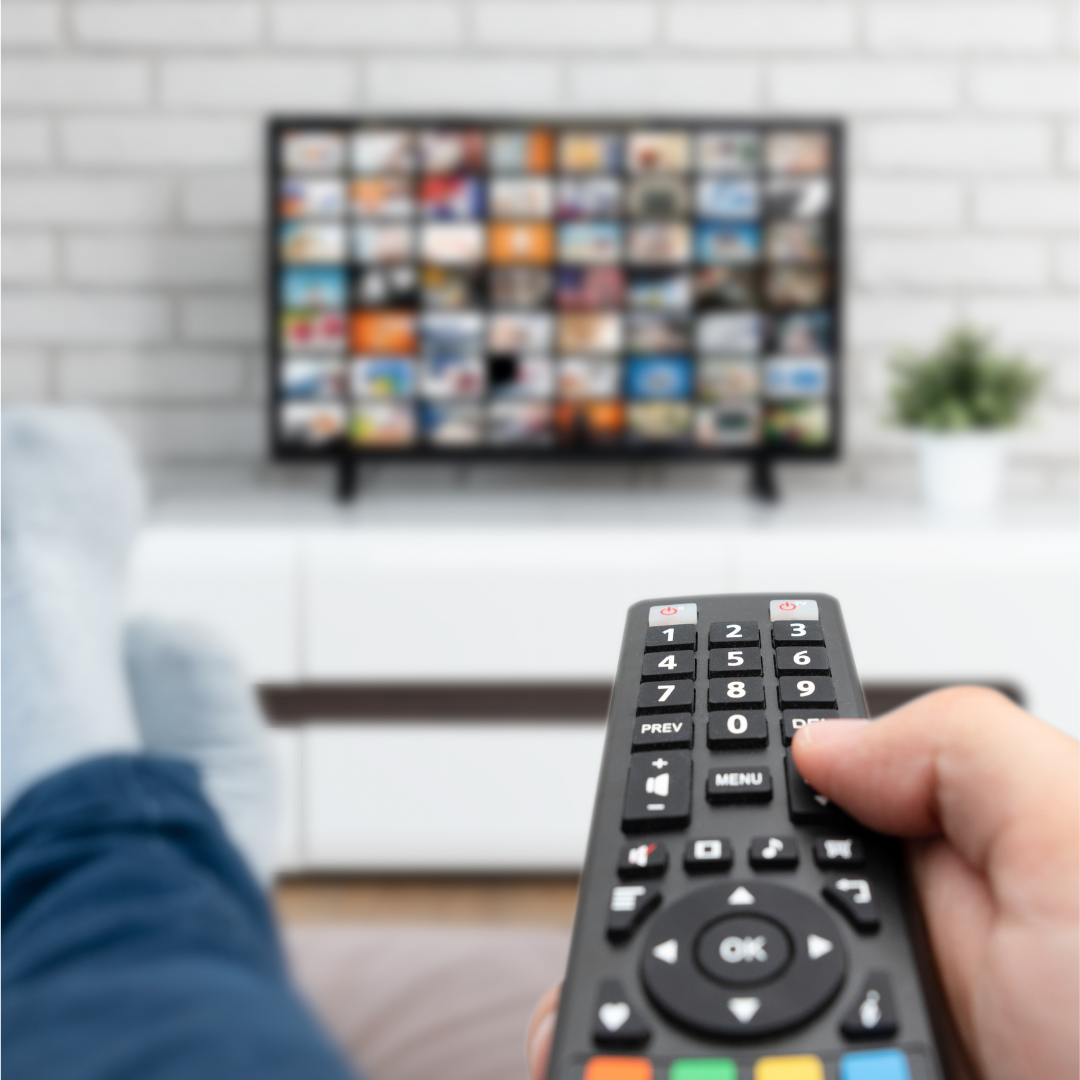
The greatest challenge in modern TV consumption is choice paralysis. To combat this, streaming platforms employ sophisticated machine learning algorithms. These AI systems analyze viewing habits, “watch time” metrics, and even the time of day to suggest content. This metadata-driven approach ensures that the “home screen” of a streaming app is unique to every user, effectively creating a personalized TV station for every individual in a household.
Software Aggregators and Universal Search
With content scattered across dozens of platforms, software aggregators have become essential. Tools like Plex, JustWatch, and the built-in search functions of Google TV allow users to search for a title across every service simultaneously. This cross-platform indexing is a critical piece of the modern TV puzzle, removing the friction of manually checking multiple apps to find a specific movie or show.
Optimization and Connectivity: Ensuring a Seamless Experience
The technical quality of your TV experience is ultimately throttled by your home network. High-definition and 4K streaming require significant bandwidth and low latency to function without buffering.
Network Infrastructure: Wi-Fi 6E, Ethernet, and Bandwidth
To watch 4K HDR content reliably, a stable connection of at least 25 Mbps is recommended, though 50 Mbps is preferable to account for other devices on the network. For the highest quality, many enthusiasts prefer a hardwired Ethernet connection (Cat6 or Cat6a) to eliminate the interference issues common with wireless signals.
However, the advent of Wi-Fi 6 and Wi-Fi 6E has revolutionized wireless streaming. These standards offer higher throughput and better handling of congested environments. If you are watching TV in a household with multiple active devices, upgrading to a Wi-Fi 6 router can significantly reduce the “jitter” that causes drops in video resolution.
Video Codecs and Resolution: 4K, HDR10+, and Dolby Vision
How you watch TV is also defined by the data compression used. Modern streaming relies on codecs like HEVC (H.265) and the newer, royalty-free AV1. These codecs allow for high-quality video at lower bitrates.
The visual experience is further enhanced by High Dynamic Range (HDR). While 4K refers to the number of pixels, HDR (specifically Dolby Vision and HDR10+) refers to the quality of those pixels. These technologies allow for a wider color gamut and higher contrast ratios, bringing the brightness and color depth of a digital cinema into the living room. Ensuring your hardware, software, and content all support the same HDR standard is vital for the best visual output.
Digital Security and Privacy: VPNs and Geo-Restriction Management
Digital borders often dictate what you can watch. Virtual Private Networks (VPNs) have become a common tool for tech-literate viewers to manage these restrictions. By routing internet traffic through a server in a different country, users can access regional libraries of content that would otherwise be unavailable.
Furthermore, as TVs become more connected, digital security is a growing concern. Modern Smart TVs are essentially IoT (Internet of Things) devices that collect data on viewing habits. Utilizing secure DNS settings or network-level ad blockers can help maintain privacy while enjoying the convenience of a connected television.
The Future of the Television Experience
As we look toward the next iteration of TV technology, the boundaries between different forms of media are blurring. The way we watch TV is becoming increasingly interactive and immersive.
Cloud Gaming Integration
One of the most significant trends is the integration of cloud gaming directly into the TV interface. Services like Xbox Cloud Gaming and Nvidia GeForce Now allow users to play high-end AAA video games on their TVs without a console. By simply pairing a Bluetooth controller to the TV, the screen becomes a high-performance gaming rig, with the heavy lifting done in remote data centers. This shifts the “TV” from a passive viewing device to a versatile interactive hub.
Immersive Audio and Home Theater Tech
The “TV” experience is incomplete without sound. The rise of Dolby Atmos and spatial audio has changed how we perceive the auditory side of television. Object-based audio allows sound engineers to place “sounds” in a 3D space rather than just left or right channels. Modern soundbars and AV receivers can now simulate this environment using upward-firing drivers that bounce sound off the ceiling, creating an “overhead” effect that was previously only possible in high-end theaters.

The Convergence of Social Media and Linear Content
Finally, the “social” aspect of watching TV is being rebuilt for the digital age. Features like “Watch Parties” allow users in different locations to sync their streams and communicate via text or video in real-time. Additionally, the integration of short-form video and social feeds into the TV ecosystem—such as the YouTube Shorts interface on TVs—indicates that the format of what we consider “a TV show” is expanding to include creator-led content and community-driven media.
Watching TV in the modern era is an exercise in managing a powerful technological stack. By choosing the right hardware, optimizing the network environment, and leveraging AI-driven software, viewers can create a bespoke entertainment experience that far surpasses the capabilities of traditional broadcast media. Whether it is through a 98-inch QLED panel or a compact streaming stick, the technology of television has never been more accessible or more sophisticated.
aViewFromTheCave is a participant in the Amazon Services LLC Associates Program, an affiliate advertising program designed to provide a means for sites to earn advertising fees by advertising and linking to Amazon.com. Amazon, the Amazon logo, AmazonSupply, and the AmazonSupply logo are trademarks of Amazon.com, Inc. or its affiliates. As an Amazon Associate we earn affiliate commissions from qualifying purchases.