
In the vast and intricate world of personal and business finance, understanding the tools at your disposal is paramount. Among the most recognizable and widely used financial instruments are credit and charge cards, and American Express stands as a distinctive player in this arena. A seemingly simple question—”how many numbers do American Express cards have?”—unlocks a wealth of information about financial security, transaction processing, and the unique architecture that sets this issuer apart. For anyone managing their money, whether as an individual consumer or a business owner, deciphering the anatomy of your Amex card number is a fundamental step toward informed financial literacy and robust security practices.
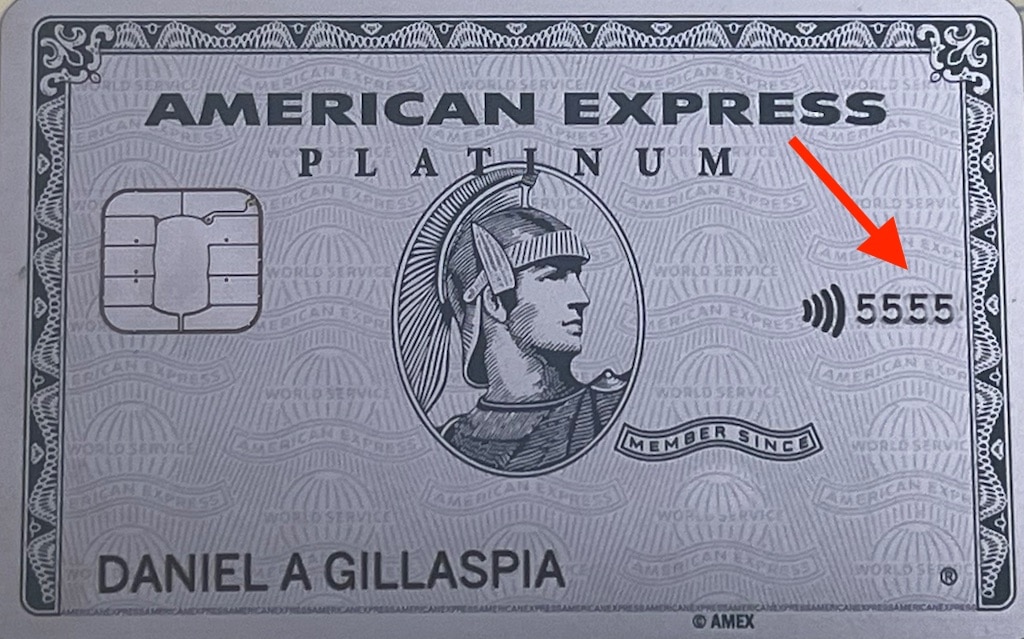
American Express cards are distinguished by a 15-digit primary account number (PAN), a departure from the more common 16-digit standard observed across Visa, Mastercard, and Discover networks. This unique characteristic is not merely a stylistic choice but a fundamental aspect of their operational design, deeply embedded in how transactions are authorized, processed, and secured. This article will delve into the structure of the American Express card number, explore its financial implications, and highlight best practices for safeguarding this crucial piece of your financial identity.
Deciphering the American Express Card Number: A Financial Blueprint
The 15 digits that constitute an American Express card number are not random; they form a meticulously structured code that conveys essential information for financial transactions, identification, and security. Understanding this blueprint provides valuable insight into the mechanics of digital payments and the layers of protection built into your financial tools.
The Distinctive 15-Digit Standard
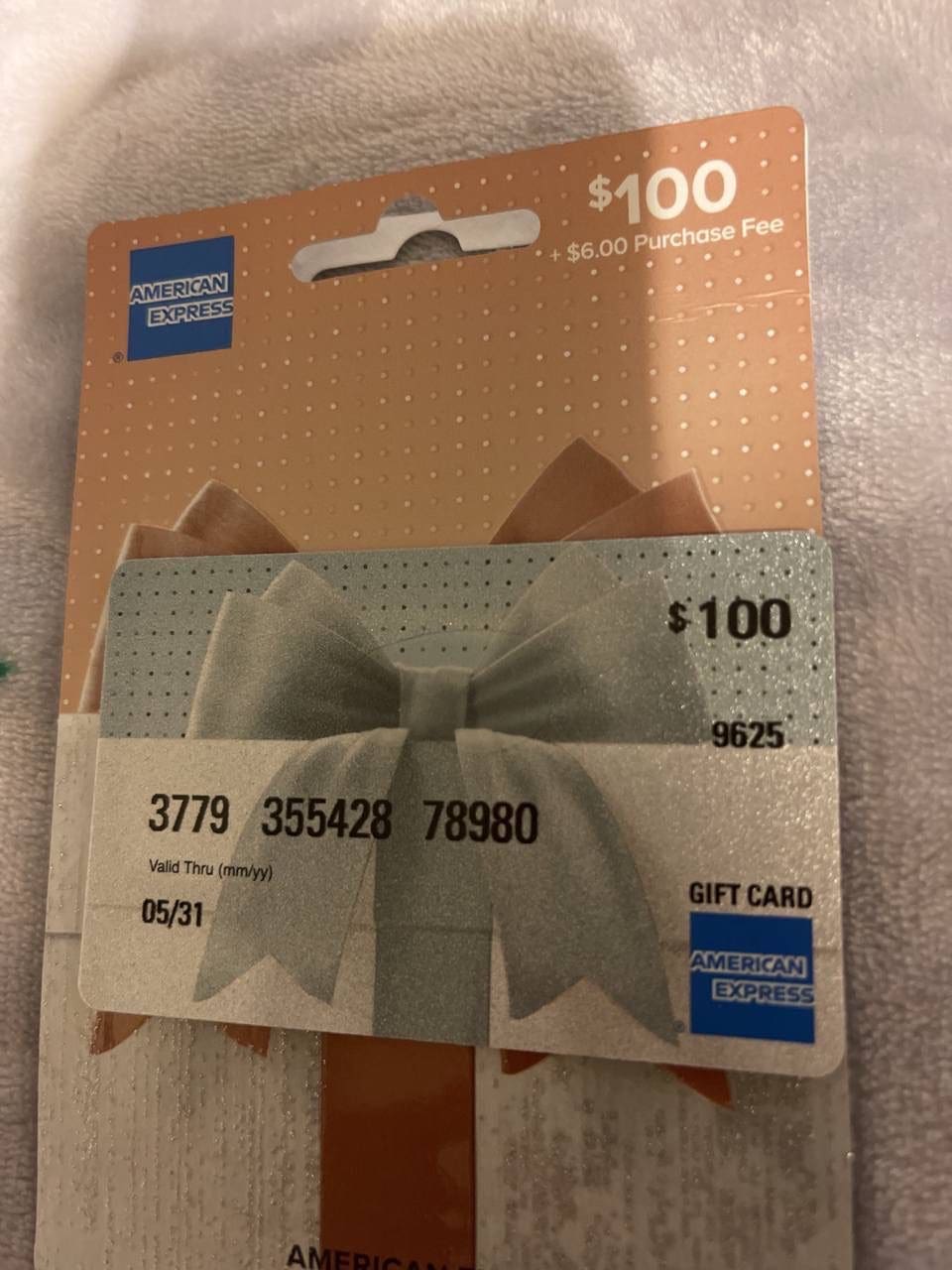
While most major payment networks, such as Visa, Mastercard, and Discover, utilize a 16-digit card number, American Express has historically adhered to a 15-digit format. This distinction originates from the early days of payment card standardization, where different networks adopted varying identifier structures. The “3” prefix is universally recognized as the Major Industry Identifier (MII) for travel and entertainment cards, a category that American Express pioneered. This shorter length is a hallmark of Amex, instantly signaling its network affiliation to merchants and financial systems worldwide. For consumers, recognizing this difference helps in correctly inputting card details during online purchases or when relaying information for customer service, preventing potential transactional errors that could impact personal finance.
Anatomy of the American Express Card Number
Each segment of the 15-digit American Express card number serves a specific financial and operational purpose:
-
Major Industry Identifier (MII): The very first digit of an American Express card number is always ‘3’. This MII not only designates the card as an Amex product but broadly categorizes it within the “Travel and Entertainment” sector, reflecting the company’s origins and continued strong presence in these industries. This initial digit is crucial for payment processors to route transactions correctly from the outset.
-
Issuer Identification Number (IIN) / Bank Identification Number (BIN): The subsequent three digits (making up digits 2-4, e.g., ’37xx’ or ’34xx’) form the Issuer Identification Number (IIN), sometimes referred to as the Bank Identification Number (BIN). This segment identifies the specific financial institution or entity that issued the card. For American Express, which often acts as both the network and the issuer, these digits can differentiate between various card products, such as consumer credit cards, charge cards, business cards, or co-branded cards issued in partnership with other companies. Understanding your card’s BIN can sometimes provide clues about the type of benefits or features associated with your specific financial product.
-
Individual Account Number: The core of the card number, digits 5 through 14, constitute the individual account number. This sequence is unique to each cardholder and their specific account. It acts as the primary identifier for your financial relationship with American Express, linking every transaction, payment, and statement activity directly to you. The uniqueness of this number is paramount for personal finance management, ensuring that your expenditures and financial history are accurately recorded and distinct from others.
-
Check Digit (Luhn Algorithm): The fifteenth and final digit of an American Express card number is the check digit. This digit is not arbitrarily assigned but is mathematically derived from the preceding 14 digits using the Luhn algorithm (also known as the “modulus 10” formula). Its primary purpose is to validate the card number’s authenticity, catching common data entry errors or accidental miskeying during financial transactions. Before a transaction is even processed, the system can perform a quick calculation to verify if the card number is theoretically valid. This is a crucial, albeit behind-the-scenes, layer of financial security, helping to prevent erroneous charges and detect potential fraud early on.
Beyond the Card Number: Related Financial Identifiers
While the 15-digit PAN is the most central piece of information, American Express cards feature other critical identifiers that work in tandem to facilitate secure and efficient financial transactions. For consumers and businesses managing their finances, recognizing and understanding these additional elements is vital.
The 4-Digit Security Code (CID/CSID)
Unlike Visa, Mastercard, and Discover cards which typically place a 3-digit CVV2/CVC2 on the back, American Express cards feature a unique 4-digit Card Identification Number (CID) or Card Security ID (CSID) prominently printed on the front of the card, usually above the main card number. This code is crucial for “card-not-present” transactions, such as online shopping, phone orders, or app-based payments. It serves as an additional verification layer, proving that the person making the purchase physically possesses the card. Protecting your CID is as important as protecting your PAN, as its compromise could lead to unauthorized financial activity. From a personal finance perspective, always ensure you’re only entering this code on secure, reputable websites.
Expiration Date
The expiration date (e.g., MM/YY) indicates when the physical card will no longer be valid for transactions. This date is critical for several financial reasons: it ensures that the physical card you possess is current, acts as a periodic security refresh (as new cards typically come with new CIDs), and is essential for recurring payments and subscriptions. Businesses, in particular, must keep track of employee card expiration dates to avoid service disruptions or rejected payments for vital operational expenses. For individuals, staying aware of upcoming expirations helps avoid interruption in services like gym memberships or streaming subscriptions linked to the card.
Cardholder Name
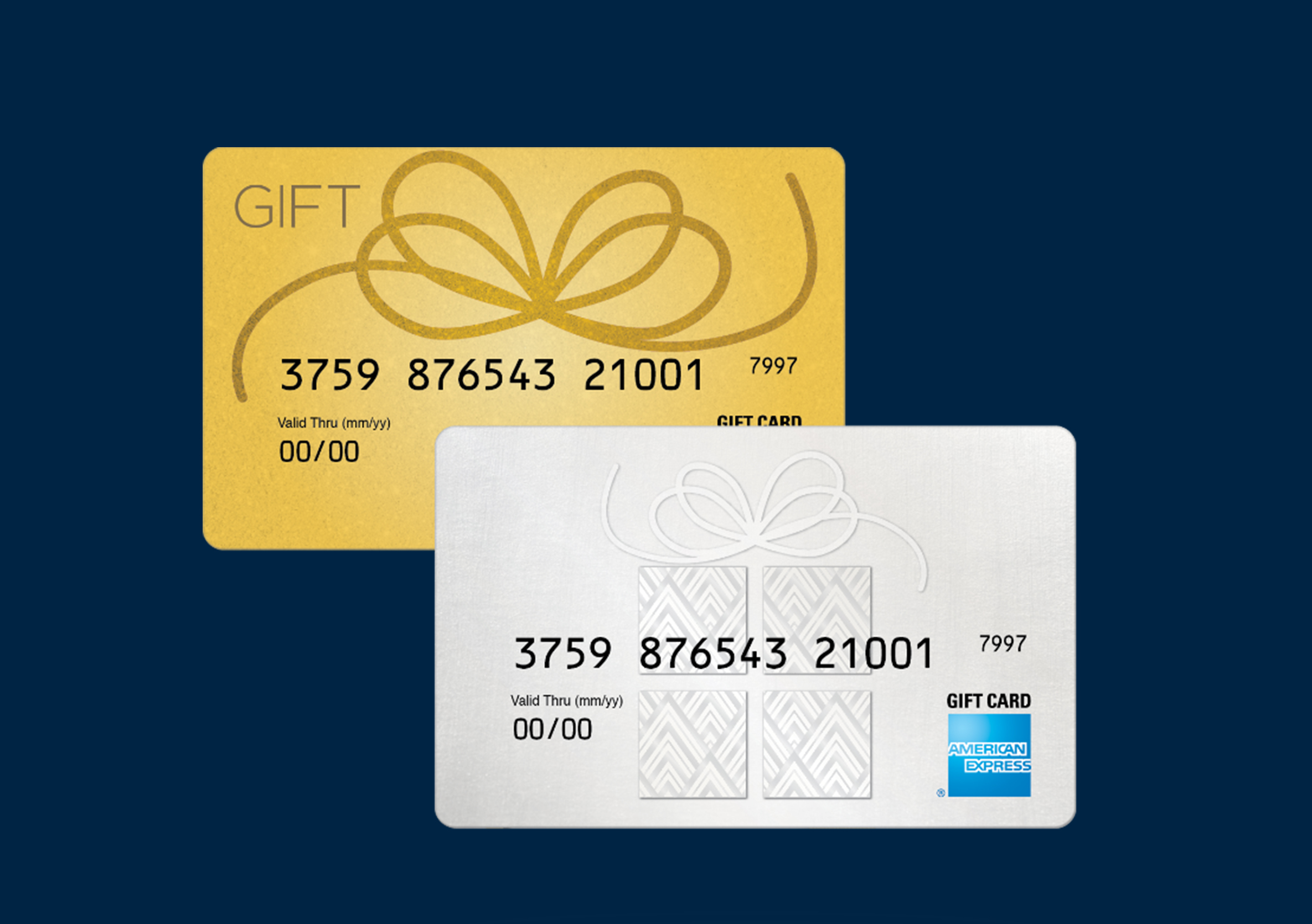
The cardholder’s name, as embossed or printed on the card, serves as a basic but fundamental identifier. It confirms who the card is issued to and is often a required field for online and in-person transactions. Matching the cardholder name with the billing address is a standard fraud prevention measure, especially in e-commerce. For financial management, ensuring the name is correct is not just a matter of identity but also accuracy in financial records and statements.
The Financial Security Implications of Your Card Number
In an increasingly digital financial landscape, safeguarding your payment information is paramount. The structure of the American Express card number, along with its supplementary identifiers, plays a significant role in both enabling transactions and protecting against financial fraud.
Protecting Your Primary Account Number (PAN)
The 15-digit American Express card number is your primary key to accessing your credit line or charge account. Its compromise can lead to severe financial consequences, including unauthorized transactions, identity theft, and damage to your credit profile. Best practices for protecting your PAN include:
-
Physical Security: Never leave your card unattended. Be wary of “skimming” devices at ATMs or point-of-sale terminals.
-
Digital Security: Only enter your card number on secure, encrypted websites (look for “https://” and a padlock icon). Avoid storing your PAN directly on insecure devices or public computers.
-
Phishing Awareness: Be skeptical of unsolicited requests for your card number via email, text, or phone. Financial institutions will rarely ask for your full PAN outside of a secure portal or authenticated customer service interaction.
By diligently protecting your PAN, you are actively managing your financial risk and securing your assets.
Understanding Fraud Prevention Measures
The inherent structure of the Amex card number assists in sophisticated fraud detection. The check digit (Luhn algorithm) is a frontline defense, preventing invalid numbers from entering the system. Furthermore, the BIN/IIN helps identify the card type and issuer, allowing financial institutions to monitor transaction patterns specific to certain card products or regions. Advanced analytics leverage these data points, along with transaction location, amount, and purchase history, to identify suspicious activity in real-time. For instance, a sudden flurry of high-value transactions in a foreign country on a card typically used for local grocery shopping might flag it for review, protecting your financial interests. Tokenization, where the actual PAN is replaced by a unique, single-use token for digital transactions, provides an even stronger layer of protection, making the compromise of merchant databases less impactful for consumers.
Best Practices for Secure Financial Transactions
Effective personal and business finance management includes proactive security measures:
-
Monitor Statements Regularly: Scrutinize your American Express statements (online or paper) for any unfamiliar charges. Early detection of fraud is key to minimizing financial damage.
-
Use Secure Payment Methods: Leverage digital wallets (Apple Pay, Google Pay) where available, as they often utilize tokenization, obscuring your actual card number from merchants.
-
Strong, Unique Passwords: Use robust, distinct passwords for your American Express online account and any merchant websites where your card details are stored.
-
Understand Card Agreements: Familiarize yourself with American Express’s fraud protection policies, such as “zero liability,” which protects you from unauthorized charges.
-
Report Lost/Stolen Cards Immediately: Promptly reporting a missing card allows Amex to deactivate it and issue a new one, safeguarding your account from potential financial misuse.
American Express Card Numbers in the Digital Finance Landscape
The advent of digital finance has transformed how we use and interact with our card numbers. From mobile payments to subscription services, the 15-digit American Express number plays a crucial role in enabling a seamless yet secure financial experience.
Digital Wallets and Tokenization
Services like Apple Pay, Google Pay, and Samsung Pay have revolutionized how we make payments. When you add your American Express card to a digital wallet, the actual 15-digit PAN is not stored on your device or transmitted to the merchant. Instead, a unique “device account number” or token is generated. This token is specific to your device and wallet, replacing your actual card number during transactions. If a merchant’s system is breached, only the token is exposed, not your sensitive PAN, significantly enhancing financial security for consumers. This innovation makes managing personal finances via mobile devices not just convenient but also safer.
Recurring Payments and Subscriptions
Many aspects of modern personal and business finance rely on recurring payments—think utility bills, streaming services, SaaS subscriptions, or gym memberships. Your American Express card number, along with its expiration date, is typically stored by these merchants for automated billing. While convenient, it’s essential to periodically review these subscriptions for relevance and cost-effectiveness. When your card expires or is replaced (e.g., due to fraud or loss), you will need to update your card details with each merchant to avoid payment disruptions, which could impact service continuity or incur late fees. Proactive management of these stored payment details is a crucial aspect of personal and business financial health.
Business Finance and Expense Management
For businesses, American Express corporate and small business cards are integral to expense management, travel bookings, and supplier payments. Understanding the structure of the card number, especially the BIN, can sometimes help in identifying departmental cards or specific spending categories if a company utilizes various Amex products. The ability to track and reconcile transactions linked to unique card numbers is vital for accurate budgeting, financial reporting, and compliance. Moreover, the robust fraud detection capabilities associated with Amex cards provide businesses with an additional layer of financial protection against corporate fraud and misuse, reinforcing sound business finance practices.
In conclusion, the American Express card number, with its distinctive 15-digit format, is far more than just a sequence of digits; it is a meticulously designed financial instrument. From its unique Major Industry Identifier to its robust Luhn algorithm check digit, every aspect plays a role in facilitating secure transactions and maintaining the integrity of the financial ecosystem. For consumers and businesses alike, a clear understanding of this structure—and the associated security features like the CID and expiration date—is fundamental to effective personal finance management, diligent fraud prevention, and navigating the complexities of modern digital payments with confidence and security. Always remain vigilant, monitor your financial activity, and prioritize the protection of your American Express card details to ensure your financial well-being.
aViewFromTheCave is a participant in the Amazon Services LLC Associates Program, an affiliate advertising program designed to provide a means for sites to earn advertising fees by advertising and linking to Amazon.com. Amazon, the Amazon logo, AmazonSupply, and the AmazonSupply logo are trademarks of Amazon.com, Inc. or its affiliates. As an Amazon Associate we earn affiliate commissions from qualifying purchases.