
The digital age has transformed nearly every facet of our lives, and managing financial obligations, including tax payments, is no exception. Gone are the days when mailing a check or visiting a physical office were the only viable options. Today, paying your taxes online has become not just a convenience but often the preferred method for millions, offering unparalleled efficiency, security, and traceability. This shift represents a significant evolution in financial management, empowering taxpayers with greater control and insight into their financial responsibilities. Understanding the various pathways available for online tax payments, along with the strategic considerations involved, is crucial for any individual or business navigating the complexities of modern taxation.
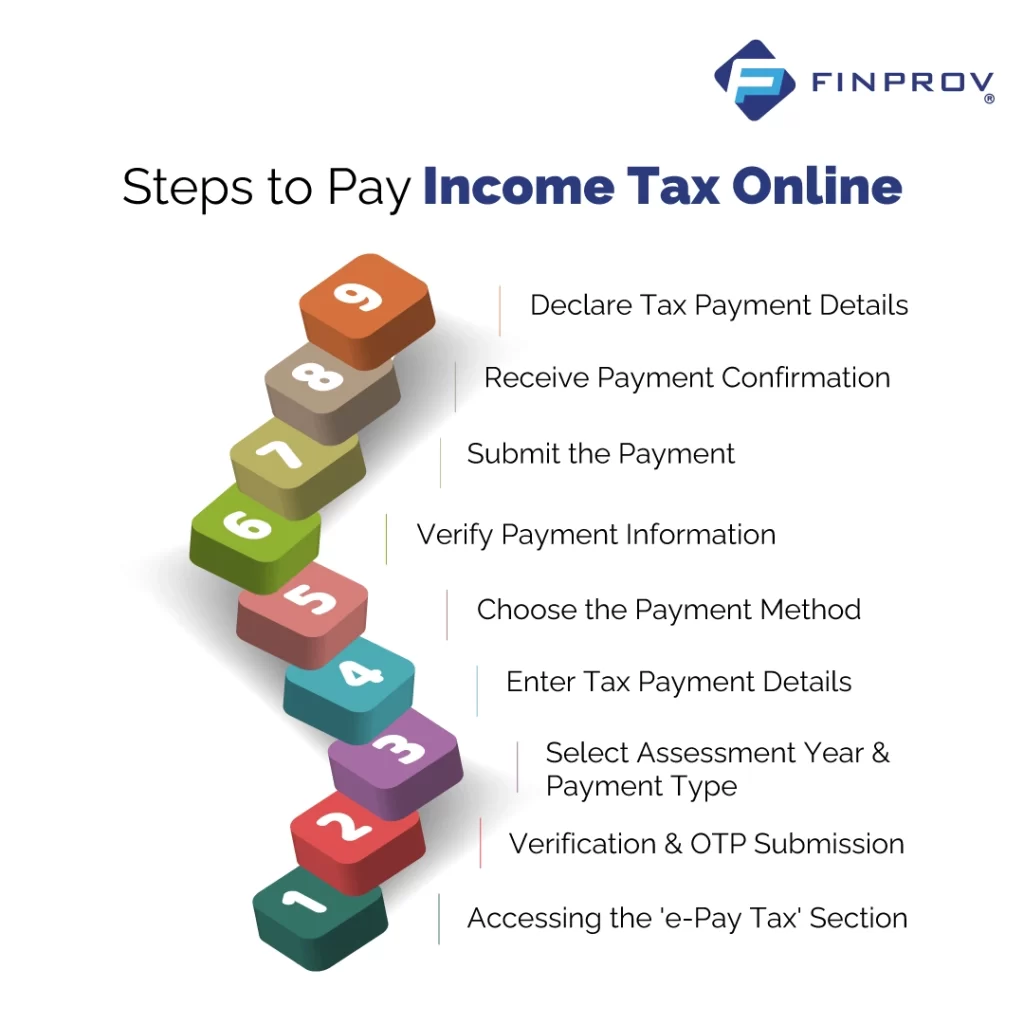
This comprehensive guide delves into the mechanisms, advantages, and crucial safeguards associated with digital tax payments. It aims to demystify the process, ensuring taxpayers can confidently fulfill their obligations while leveraging the best financial tools and practices. From direct government portals to integrated software solutions and third-party processors, the landscape of online tax payments is diverse and continually evolving, offering tailored solutions for every need.
The Evolution of Online Tax Payments: A Shift Towards Digital Efficiency
The journey from traditional, paper-based tax payment systems to the sophisticated digital platforms we use today is a testament to the relentless march of technological progress and a growing demand for streamlined financial processes. For decades, tax payments were a manual affair, fraught with potential delays, postal service uncertainties, and the tediousness of physical record-keeping. The advent of the internet and secure online transaction capabilities fundamentally reshaped this paradigm, ushering in an era of digital efficiency that benefits both taxpayers and tax authorities.
From Paper Checks to Digital Transactions
Historically, paying taxes involved significant administrative overhead. Taxpayers would complete paper forms, calculate their dues, and then dispatch a physical check via mail or make an in-person payment at a designated government office. This process was not only time-consuming but also introduced a margin for human error, misplacement of documents, and a lack of real-time confirmation. The digital revolution began to chip away at these inefficiencies, first with electronic filing (e-filing) of tax returns, which then naturally extended to electronic payments.
The initial rollout of online payment options was cautious, prioritizing security and user-friendliness. As internet security protocols advanced and public trust in online transactions grew, government agencies at both federal and state levels began investing heavily in robust online payment portals. These platforms were designed to replicate the security and formality of traditional methods while introducing the speed and convenience inherent in digital transactions. This evolution wasn’t merely about convenience; it was about modernizing a critical financial function, making it more accessible, accurate, and responsive to the needs of a digitally-native populace.
Benefits Beyond Convenience
While convenience is often the most immediately recognized advantage of online tax payments, the benefits extend far deeper, impacting financial planning, record-keeping, and compliance.
For taxpayers, the advantages are manifold:
- Reduced Error Rates: Online systems often include validation checks, minimizing mathematical errors or incorrect routing of payments.
- Instant Confirmation and Record Keeping: Upon successful payment, taxpayers receive immediate confirmation, complete with a transaction ID. This digital paper trail is invaluable for financial reconciliation, audits, and proof of payment, eliminating the need to store physical receipts.
- Flexibility and Accessibility: Payments can be made 24/7 from anywhere with an internet connection, removing geographical and time constraints. This is particularly beneficial for those with busy schedules or who are living abroad.
- Avoiding Penalties: Online payment systems help taxpayers avoid late payment penalties by ensuring payments are received and processed by the deadline, even if submitted close to the wire.
- Environmental Impact: Reduced reliance on paper forms, checks, and physical mail contributes to a more sustainable, less resource-intensive process.
For governments, the benefits include:
- Reduced Administrative Costs: Less manual processing, printing, and mailing translate into significant cost savings.
- Improved Cash Flow Management: Faster receipt of payments allows for better treasury management and resource allocation.
- Enhanced Data Accuracy: Digital submissions reduce transcription errors and improve the quality of financial data for analysis and policy-making.
- Greater Compliance: A simpler, more accessible payment process can encourage higher rates of tax compliance.
The shift to online tax payments is, therefore, a strategic financial move that underpins a more efficient, secure, and user-centric taxation system, benefiting all stakeholders in the broader financial ecosystem.
Navigating the Digital Landscape: Official Channels for Online Tax Payments
With the proliferation of online financial services, taxpayers now have several legitimate and secure avenues through which to fulfill their tax obligations digitally. Understanding these primary channels is key to choosing the method that best suits your financial situation and comfort level. Each option offers distinct advantages, ranging from direct government interaction to integrated software solutions, all designed to streamline the payment process.
Direct Pay through the IRS (and State Tax Agencies)
For federal taxes, the Internal Revenue Service (IRS) offers its own secure online payment portal, known as IRS Direct Pay. This is arguably the most straightforward method for making payments directly to the federal government without involving third-party processors or software.
How it works:
- Users navigate to the IRS website and select “Direct Pay.”
- They can pay various types of taxes, including income tax due with a return, estimated taxes, or even payments for an installment agreement.
- Payments are made directly from a checking or savings account (bank account direct debit).
- Taxpayers typically need to verify their identity using information from a previous tax return, such as their adjusted gross income (AGI) from the prior year.
- Confirmation is provided immediately, and users can opt for email notifications.
Key advantages: No processing fees, direct interaction with the tax authority, and a high level of security. Many state tax agencies offer similar direct payment portals, allowing taxpayers to pay state income tax, property tax, and other local levies directly from their bank accounts.
Utilizing Tax Software Providers
In addition to direct government portals, many popular tax preparation software solutions integrate payment functionalities directly into their platforms. Companies like TurboTax, H&R Block, FreeTaxUSA, and others not only guide you through filing your return but also facilitate the payment of any taxes owed.
How it works:
- After completing your tax return within the software, you’ll be prompted with your tax liability.
- The software then offers options to pay, most commonly through direct debit from your bank account. You simply enter your routing and account numbers, and the software communicates this information securely to the IRS or relevant state agency.
- Some software providers may also offer the option to pay via credit card, though this often involves an additional fee charged by a third-party payment processor (which the software typically facilitates).
Key advantages: Seamless integration of filing and payment, reducing the chances of errors. For many, this “one-stop shop” approach is incredibly convenient, ensuring that once the return is finalized, the payment can be scheduled or made immediately. These platforms also often provide excellent record-keeping, storing your return and payment details together.
Payment Processors and Third-Party Options
For those who prefer to pay with a credit card, debit card, or via digital wallets, authorized third-party payment processors offer another legitimate avenue. The IRS (and most state tax agencies) partners with several approved processors, such as PayUSAtax, Official Payments, and ACI Payments, Inc.
How it works:
- You visit the website of an approved payment processor.
- You select the type of tax you wish to pay (e.g., Form 1040, estimated tax) and enter the payment amount.
- You provide your taxpayer identification number (e.g., SSN, EIN) and other identifying information.
- You then input your credit card, debit card, or digital wallet details.
- These processors charge a small convenience fee for their service, which varies depending on the processor and the type of card used. This fee is in addition to your tax liability.
Key advantages: Allows for the use of credit cards, which can be beneficial for earning rewards points or managing cash flow, particularly if you can pay off the balance promptly to avoid interest charges. It also provides flexibility for those who prefer not to use direct bank debit. It’s crucial to always verify that you are using an IRS-authorized payment processor to ensure security and legitimacy.
Essential Considerations for a Secure and Seamless Online Payment Experience

While the convenience of online tax payments is undeniable, it’s paramount to approach these transactions with a focus on security and diligence. The digital realm, while efficient, also presents unique challenges, primarily related to data protection and financial accuracy. A seamless online payment experience hinges on proactive measures to safeguard your personal and financial information and ensure your payments are correctly processed and recorded.
Data Security and Privacy Safeguards
The protection of sensitive financial data is the cornerstone of any reliable online payment system. Taxpayers must be vigilant in ensuring they are utilizing secure, official channels to prevent identity theft and financial fraud.
- Use Official Government Websites: Always start your payment process from the official IRS website (irs.gov) or your respective state’s tax agency website. Avoid clicking on links from unsolicited emails or unfamiliar websites, as these could be phishing attempts.
- Look for Secure Connections (HTTPS): Before entering any personal or financial information, check that the website’s URL begins with “https://” (the ‘s’ stands for secure) and that there is a padlock icon in your browser’s address bar. This indicates that the connection is encrypted, protecting your data during transmission.
- Understand Multi-Factor Authentication (MFA): Many government and financial platforms now offer or require MFA, which adds an extra layer of security. This typically involves receiving a code on your phone or email in addition to entering your password. Always enable MFA where available.
- Beware of Phishing Scams: The IRS and state tax agencies will never initiate contact with you via email, text message, or social media to request personal or financial information. Any such communication should be immediately suspected as a scam and reported.
- Strong Passwords: Use unique, complex passwords for your tax software and online payment accounts. Consider using a password manager to keep track of them securely.
- Public Wi-Fi Risks: Avoid making tax payments or accessing sensitive financial information over unsecured public Wi-Fi networks, as these are more susceptible to eavesdropping.
By adhering to these security protocols, you significantly reduce the risk of your financial data falling into the wrong hands, ensuring your online tax payments remain secure.
Understanding Payment Options and Associated Fees
The choice of payment method can have financial implications beyond your tax liability itself, primarily concerning processing fees. Being informed about these can help you make a cost-effective decision.
- Bank Account Direct Debit (ACH): This is generally the most cost-effective method. When paying through IRS Direct Pay or via most tax software, payments made directly from your checking or savings account typically incur no additional fees. This is due to the lower processing costs associated with Automated Clearing House (ACH) transactions compared to card payments.
- Credit/Debit Cards: Paying with a credit or debit card through an authorized third-party processor will almost always involve a convenience fee. This fee is charged by the processor, not the IRS or state agency, and can range from 1.87% to 2.29% for credit cards, and a flat fee (e.g., $2.50-$3.95) for debit cards. While these fees might seem small, they can add up, especially for large tax liabilities.
- Strategic Use of Credit Cards: Some taxpayers opt to pay with credit cards to earn rewards points, miles, or cash back. This strategy only makes financial sense if the value of the rewards outweighs the convenience fee, and if you can pay off the credit card balance immediately to avoid high-interest charges. Using a credit card to pay taxes without the ability to pay it off can lead to significant debt.
- Digital Wallets (e.g., PayPal, Click to Pay): Some authorized processors may also accept payments via digital wallets. These transactions typically also come with a convenience fee, similar to credit card payments.
Always review the fee structure of your chosen payment method before finalizing the transaction. For most individuals, paying directly from a bank account via IRS Direct Pay or through their tax software is the most financially prudent option.
Confirmation and Record Keeping: Your Digital Paper Trail
The moment of successful payment isnition the end of your financial responsibility; rather, it transitions into the critical phase of record-keeping. A robust digital paper trail is indispensable for future reference, auditing, and proof of compliance.
- Save Confirmation Numbers: Upon successful payment, you will receive a confirmation number or transaction ID. Save this immediately. Print it, screenshot it, and/or email it to yourself. This number is your primary proof that the payment was initiated.
- Retain Payment Receipts: Many online systems will generate a digital receipt. Download and save this PDF to a secure, organized folder on your computer or cloud storage. This receipt typically includes the payment date, amount, method, and transaction ID.
- Verify Bank Statements: After a few business days, check your bank or credit card statement to ensure the payment has been debited correctly and matches the amount you intended to pay.
- Keep Tax Software Records: If you paid through tax software, ensure your finalized tax return and payment confirmation are saved within the software’s records.
Diligent record-keeping ensures that in the event of any discrepancy or inquiry from tax authorities, you have irrefutable proof of your timely and correct payment. This proactive approach to financial documentation minimizes stress and potential complications down the line.
Strategizing Your Tax Payments: Beyond the Annual Deadline
Managing tax obligations extends far beyond the annual tax filing deadline. For many individuals and businesses, tax payments are an ongoing financial responsibility that requires careful planning and strategic execution throughout the year. Online payment platforms offer flexible tools that support various tax scenarios, helping taxpayers manage their cash flow and remain compliant.
Estimated Taxes and Quarterly Payments
Many taxpayers, particularly self-employed individuals, independent contractors, gig workers, and those with significant investment income, are required to pay estimated taxes throughout the year. The IRS operates on a “pay-as-you-go” system, meaning you must pay income tax as you earn or receive income during the year. For those not subject to withholding, this translates into making quarterly estimated tax payments.
Online payment methods are incredibly valuable for managing estimated taxes:
- Convenience: Instead of mailing checks four times a year, estimated tax payments can be scheduled online via IRS Direct Pay or through tax software. This ensures timely payments and avoids the risk of late-payment penalties.
- Flexibility: You can easily adjust your payment amounts online if your income or deductions change during the year, ensuring you’re neither overpaying nor underpaying significantly.
- Record-Keeping: Online platforms provide immediate confirmation for each quarterly payment, simplifying tracking and reconciliation when it’s time to file your annual return.
Strategic financial planning around estimated taxes means accurately forecasting income and expenses, and leveraging online tools to make consistent, timely payments.
Handling Underpayments and Payment Plans
Sometimes, despite best efforts, taxpayers may find they owe more tax than anticipated when filing their annual return. In such situations, online platforms also provide solutions for managing these liabilities without immediate full payment.
- Underpayments: If you have an unexpected tax bill, online payment options allow you to pay the amount immediately or schedule a payment for a future date (up to the filing deadline). This avoids potential penalties for late payment, even if you need a few extra days to gather funds.
- Installment Agreements: For taxpayers who cannot pay their full tax liability by the deadline, the IRS (and many state tax agencies) offers the option to set up an online payment plan, known as an Installment Agreement.
- You can apply for an installment agreement directly through the IRS website. If approved, you can make monthly payments, often via direct debit, reducing the stress of a large lump-sum payment.
- While interest and penalties may still apply to the unpaid balance, an installment agreement prevents further enforcement actions and provides a structured way to pay off your debt.
- Leveraging online tools for this allows for a quicker setup process and clear visibility into your payment schedule and remaining balance.
These online solutions are critical financial tools for managing tax debt responsibly, helping taxpayers avoid more severe consequences and maintain financial stability.
The Future of Tax Payments: Emerging Financial Tools and Trends
The landscape of financial technology is constantly evolving, and tax payments are likely to see further innovation. Emerging trends and tools could further refine how we interact with our tax obligations:
- Blockchain and Cryptocurrency: While still in nascent stages for mainstream tax payments, the underlying technology of blockchain could eventually offer highly secure, transparent, and immutable transaction records, potentially reducing fraud and administrative costs. Some jurisdictions are already exploring accepting cryptocurrency for tax payments.
- AI-Driven Tax Assistance: Artificial intelligence and machine learning are increasingly integrated into tax preparation software, offering more personalized guidance, predictive analytics for tax planning, and automated error detection. In the future, AI might even facilitate more seamless payment processes by anticipating liabilities and prompting users at optimal times.
- Real-time Tax Calculations and Payments: Imagine a system where your taxes are calculated and paid automatically as income is earned, similar to payroll withholding, but for independent contractors or other non-traditional employment. This could potentially reduce year-end surprises and simplify financial management dramatically.
- Enhanced Integration with Financial Planning Tools: Future developments may see tax payment modules more deeply integrated into broader personal finance and budgeting applications, offering a holistic view of an individual’s financial health, including real-time tax liabilities and optimization strategies.
These potential advancements underscore a future where tax payments are even more integrated into daily financial life, making the process virtually invisible and effortlessly compliant.
The ability to pay taxes online has profoundly reshaped how individuals and businesses manage their financial responsibilities. It offers a powerful blend of convenience, security, and efficiency that traditional methods simply cannot match. By understanding the official channels available, prioritizing data security, being mindful of potential fees, and meticulously maintaining digital records, taxpayers can navigate their obligations with confidence and ease. Furthermore, leveraging online tools for estimated taxes, payment plans, and staying attuned to future innovations in financial technology enables a proactive and strategic approach to tax management, ultimately fostering greater financial peace of mind. The digital transformation of tax payments is not just a trend; it’s an indispensable component of modern financial literacy and responsible fiscal citizenship.
aViewFromTheCave is a participant in the Amazon Services LLC Associates Program, an affiliate advertising program designed to provide a means for sites to earn advertising fees by advertising and linking to Amazon.com. Amazon, the Amazon logo, AmazonSupply, and the AmazonSupply logo are trademarks of Amazon.com, Inc. or its affiliates. As an Amazon Associate we earn affiliate commissions from qualifying purchases.