
In the intricate world of K-pop, where group dynamics, fan engagement, and meticulously crafted public personas reign supreme, understanding the role of the “maknae” is crucial for deciphering the brand strategy of an idol group. Far more than a simple age designation, the maknae is a strategically positioned archetype that significantly influences a group’s corporate identity, marketing narratives, and overall brand appeal. This concept, deeply rooted in Korean culture, is expertly leveraged by entertainment companies to foster unique brand positioning and robust fan loyalty.
Understanding the “Maknae” Role in K-pop Group Dynamics
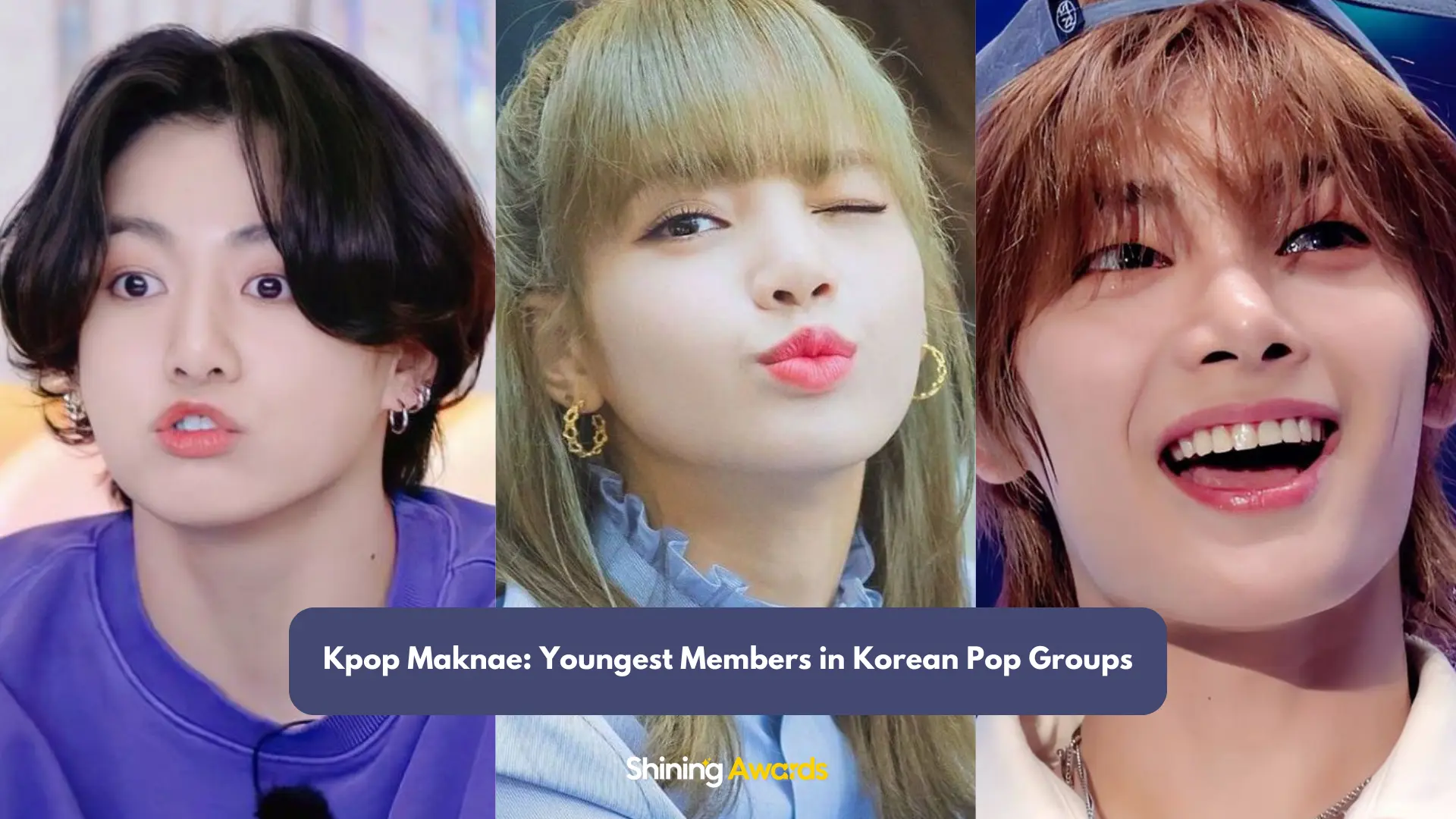
The term “maknae” (막내) literally translates from Korean as “the youngest.” In K-pop, it refers to the youngest member of a group. However, its significance extends far beyond mere chronology. The maknae’s role is a carefully curated facet of a group’s internal hierarchy and external branding, contributing to a complex ecosystem designed for maximum market impact.
Etymology and Cultural Context
To fully grasp the branding implications of the maknae, one must first appreciate its cultural underpinnings. Korean society places a strong emphasis on hierarchy, respect for elders, and a structured system of interpersonal relationships based on age and seniority. This societal norm, known as hoobae-seonbae (junior-senior) relationships, naturally extends into the K-pop industry. The eldest member is typically seen as a protector and leader, while the youngest, the maknae, is often viewed with affection, needing guidance and care. This cultural framework provides a rich canvas for developing distinct brand narratives for each group member, with the maknae’s persona being one of the most identifiable and consistently utilized.
The Maknae’s Place in the Hierarchy
Within a K-pop group, the maknae’s position in the age hierarchy is immutable, but their brand role can be remarkably fluid and strategically developed. Initially, they might embody innocence, charm, and a playful spirit, often a foil to the more mature or serious images of older members. This dynamic creates an easily digestible and relatable internal structure for fans, making the group’s interactions feel authentic and endearing. The perceived vulnerability or youthfulness of the maknae can elicit a protective instinct from fans, forging deep emotional bonds and contributing significantly to the group’s overall brand warmth and approachability. This internal hierarchy, far from being just a backstage reality, is a key component of the public-facing brand, providing a narrative framework for content ranging from reality shows to social media interactions.
The Strategic Branding of the Maknae
The role of the maknae is a prime example of expert brand strategy within the K-pop industry. Entertainment companies meticulously craft the maknae’s image to serve specific marketing objectives, ensuring they contribute uniquely to the group’s collective identity while also cultivating a strong individual brand.
Cultivating Distinct Persona Archetypes
The most common branding archetype for a maknae is that of the “cute” or “innocent” member. This persona capitalizes on their youth, often highlighting their playful antics, endearing clumsiness, or surprising maturity. This can create a distinct niche within the group’s overall brand, appealing to a segment of the fandom that cherishes youthful charm and relatability. For instance, a group might have a “charismatic leader,” a “cool main dancer,” and a “lovable maknae,” each occupying a unique segment of the brand’s personality matrix. This diversification ensures broader appeal and allows fans to connect with different facets of the group’s brand identity. The maknae’s often-visible growth journey, from debut to seasoned idol, also forms a compelling long-term brand narrative, inviting sustained fan engagement.
The “Golden Maknae” and Versatility Branding
A particularly powerful branding strategy revolves around the concept of the “Golden Maknae.” This title is bestowed upon a youngest member who excels in multiple areas—singing, dancing, rapping, variety skills, and even visual appeal. Rather than being confined to a single “cute” or “innocent” archetype, the Golden Maknae is branded as exceptionally talented and versatile. This elevates their individual brand within the group and significantly boosts the group’s overall corporate identity, showcasing their depth of talent.
For example, a group featuring a Golden Maknae projects an image of high capability and all-rounded excellence. This not only attracts new fans who are impressed by their diverse skills but also reinforces the perception of the group as a powerhouse of talent. The narrative around a Golden Maknae often emphasizes their rapid development and surprising proficiency, subverting the initial expectations of a “youngest” member and adding an exciting layer to the group’s brand story. This strategic branding can lead to increased individual endorsement opportunities, contributing directly to the agency’s revenue and the idol’s personal brand equity.

Maknae-on-Top: Subverting Expectations for Brand Refresh
While the innocent and talented maknae archetypes are prevalent, some groups strategically subvert these expectations to create a “maknae-on-top” brand. This involves the youngest member displaying a surprisingly dominant, sassy, or even “evil” (in a playful sense) personality that playfully challenges the authority of their older members. This inversion of the traditional hierarchy provides comedic relief, unexpected dynamics, and a fresh angle to the group’s branding.
The “maknae-on-top” persona allows for dynamic, engaging content that keeps the group’s brand fresh and intriguing. It demonstrates an agency’s willingness to allow authentic (or strategically crafted) personality traits to shine through, fostering a sense of genuine connection with fans. This can be particularly effective for groups looking to differentiate themselves in a saturated market, adding a unique flavor to their corporate identity that stands out from more conventional K-pop branding. It showcases the group’s ability to play with established tropes, signaling a confident and self-aware brand.
Impact on Corporate Identity and Fan Engagement
The strategic branding of the maknae is not merely about an individual idol; it deeply impacts the entire group’s corporate identity and forms a cornerstone of fan engagement strategies. This careful cultivation of persona contributes to a cohesive and appealing brand narrative that resonates with diverse audiences.
Driving Fandom Narratives and Merchandise
The maknae’s persona is a fertile ground for fandom narratives, fan fiction, and inside jokes that strengthen fan communities. Whether they are portrayed as the group’s adorable baby, the secretly powerful mischief-maker, or the incredibly talented all-rounder, these narratives become part of the group’s public identity. This translates directly into market value through merchandise. Items associated with the maknae’s distinct image—be it a specific character they embody, their catchphrases, or visual motifs tied to their persona—often become highly sought after.
For entertainment companies, leveraging these distinct individual brands within the group allows for a broader range of product development. Fan appeal for a maknae’s unique charm drives sales of photo cards, plushies, fashion items, and other memorabilia, creating significant revenue streams. The maknae’s growth story, from a shy trainee to a confident performer, also offers a compelling long-term arc that fans invest in emotionally, ensuring sustained interest and loyalty over the group’s lifespan.
Enhancing Group Cohesion and Public Image
The maknae’s role often serves as an anchor for the group’s overall public image of camaraderie and familial bonds. The interactions between the maknae and their older members (often playful teasing mixed with genuine affection) are frequently highlighted in media content. This portrayal of a supportive, loving environment is crucial for building a positive corporate identity for the group, making them appear more relatable and authentic.
This carefully presented cohesion enhances the group’s brand appeal, projecting an image of stability and genuine connection, which is highly valued by fans. A harmonious group dynamic, with the maknae playing a distinct and often endearing role, can mitigate potential public relations issues and solidify a positive brand perception in the competitive K-pop landscape. This “family” dynamic contributes significantly to the emotional investment fans have in the group, transforming them from mere consumers into fervent supporters and brand advocates.
The Evolution of Maknae Branding
As the K-pop industry matures and globalizes, the branding strategies surrounding the maknae continue to evolve, adapting to new market trends and diversifying fan bases.
Adapting to Market Trends and Global Audiences
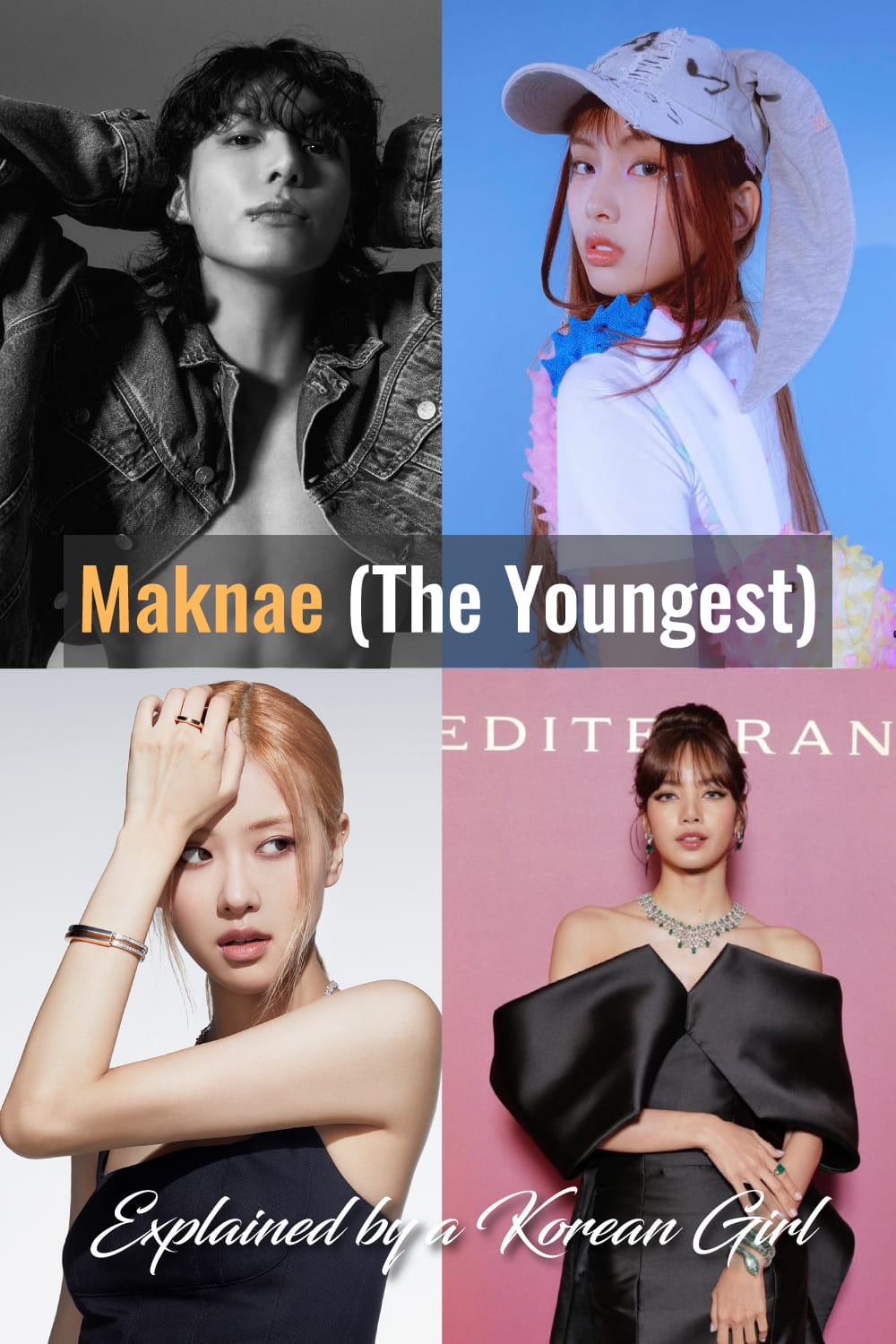
The traditional “cute and innocent” maknae archetype, while still effective, is increasingly being challenged or complemented by more nuanced portrayals. As K-pop expands its global reach, companies are realizing the need for more complex, multifaceted individual brands that resonate across different cultural contexts. Modern maknaes might be branded with a strong independent streak, an edgy concept, or a highly sophisticated image from debut, breaking away from the purely youthful persona.
This evolution reflects a broader shift in K-pop branding towards greater authenticity and individual expression, even within a group framework. Entertainment agencies are becoming more adept at identifying and amplifying the unique strengths and personalities of their youngest members, rather than strictly adhering to a predefined mold. This adaptive approach ensures that the maknae concept remains a vital, dynamic tool in K-pop’s ever-evolving brand strategy, allowing groups to remain relevant and captivating to a continuously expanding global audience while maintaining a deep connection to their Korean cultural roots.
aViewFromTheCave is a participant in the Amazon Services LLC Associates Program, an affiliate advertising program designed to provide a means for sites to earn advertising fees by advertising and linking to Amazon.com. Amazon, the Amazon logo, AmazonSupply, and the AmazonSupply logo are trademarks of Amazon.com, Inc. or its affiliates. As an Amazon Associate we earn affiliate commissions from qualifying purchases.