
In an increasingly digital world, managing your money effectively often means embracing financial tools that offer convenience, security, and global reach. Among these, PayPal stands out as a ubiquitous platform, transforming how individuals and businesses send, receive, and manage funds online. Far more than just a payment processor, PayPal serves as a critical component in the modern financial toolkit, empowering everything from casual online shopping to intricate international business transactions.
For anyone looking to dive into the world of online income, streamline personal spending, manage side hustles, or even kickstart a small business, setting up a PayPal account is a foundational first step. This guide will walk you through the process, not merely as a technical exercise, but as an essential onboarding into a system designed to enhance your financial agility and security. By understanding its financial implications and leveraging its robust features, you can unlock a new level of control over your digital money.
Understanding PayPal’s Role in Modern Finance
Before delving into the mechanics of setting up an account, it’s crucial to grasp PayPal’s significant position in today’s financial ecosystem. It’s not just an alternative to credit cards; it’s a comprehensive financial utility with far-reaching implications for personal and business fiscal health.
More Than Just Payments: A Comprehensive Financial Tool
PayPal’s capabilities extend far beyond simply facilitating online purchases. It acts as a digital wallet that allows users to send money to friends and family, pay for goods and services at millions of online retailers, and receive payments securely. For individuals, this means easier bill splitting, instant transfers to loved ones, and a centralized hub for tracking digital spending. For small businesses and freelancers, PayPal offers a robust system for invoicing, accepting various forms of payment, and even managing recurring subscriptions. It integrates seamlessly into a multitude of platforms, positioning itself as an essential component of a diversified personal and business finance strategy. Its global presence means you can transact across borders with relative ease, expanding your financial reach without the complexities often associated with traditional international banking.
Empowering Online Income and Side Hustles
For many, PayPal is the cornerstone of their online income generation. Freelancers, content creators, e-commerce entrepreneurs, and gig workers rely heavily on PayPal to receive payments from clients and customers worldwide. Platforms like eBay, Upwork, Fiverr, and many others have PayPal integrated as a primary payment method, simplifying the process of getting paid for services rendered or products sold. This accessibility is critical for the burgeoning gig economy, where quick, reliable, and secure payment processing directly impacts profitability and cash flow. Whether you’re selling handmade crafts, offering digital services, or participating in online surveys, PayPal provides a trusted channel for converting your efforts into tangible financial gain, often with lower barriers to entry than traditional merchant accounts.
Streamlining Business and Personal Transactions
PayPal’s utility in streamlining both business and personal financial transactions is unparalleled. For small businesses, it offers a suite of tools including customizable invoices, comprehensive transaction reports, and simplified payment processing, reducing the administrative burden of managing sales. This allows entrepreneurs to focus more on growth and less on the intricacies of payment collection. On a personal level, PayPal simplifies everyday financial interactions. Need to split the cost of a dinner with friends? PayPal makes it easy. Sending money to a student studying abroad? PayPal offers a convenient and often cost-effective solution. It creates a digital bridge between various financial activities, offering a level of convenience that modern life demands, contributing to better personal finance management by centralizing many money movements.
The Step-by-Step Financial Onboarding: Setting Up Your Account
The process of setting up a PayPal account is designed to be straightforward, but understanding the financial implications of each step ensures you configure it optimally for your needs.
Choosing the Right Account Type for Your Financial Needs
PayPal offers two primary account types, each tailored to different financial activities:
- Personal Account: Ideal for individuals who primarily use PayPal for online shopping, sending money to friends and family, and receiving occasional payments. This account type is designed for everyday financial interactions, making it easy to manage your personal spending and transfers.
- Business Account: Geared towards merchants, freelancers, and businesses of all sizes. This account type comes with advanced features like invoicing tools, multi-user access (for managing staff access to financial operations), and more robust reporting capabilities. If you plan to sell goods or services, accept regular payments, or manage significant income streams, a Business Account is the financially sound choice, offering dedicated tools to streamline your commercial activities.
Selecting the appropriate account type from the outset is crucial for aligning PayPal with your financial goals, whether they are primarily personal spending or commercial revenue generation.
The Registration Process: Key Financial Details Required
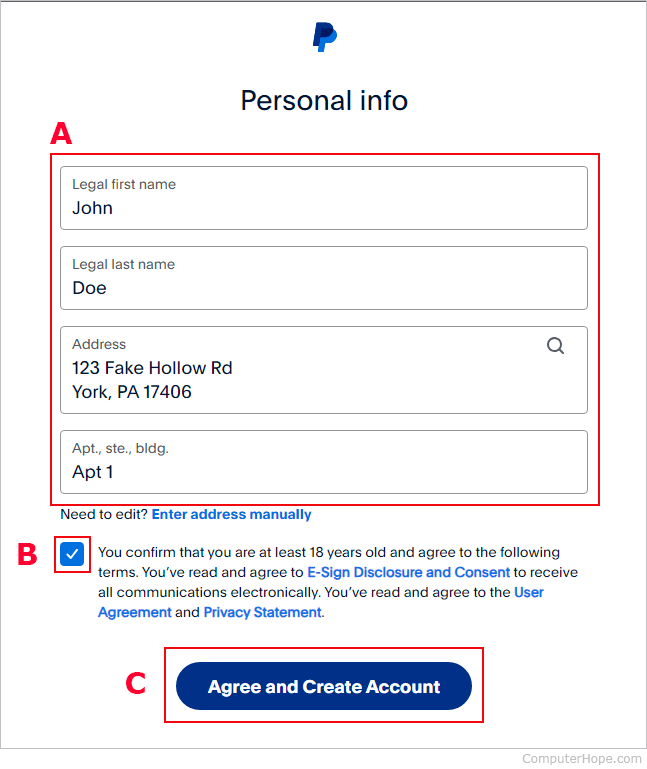
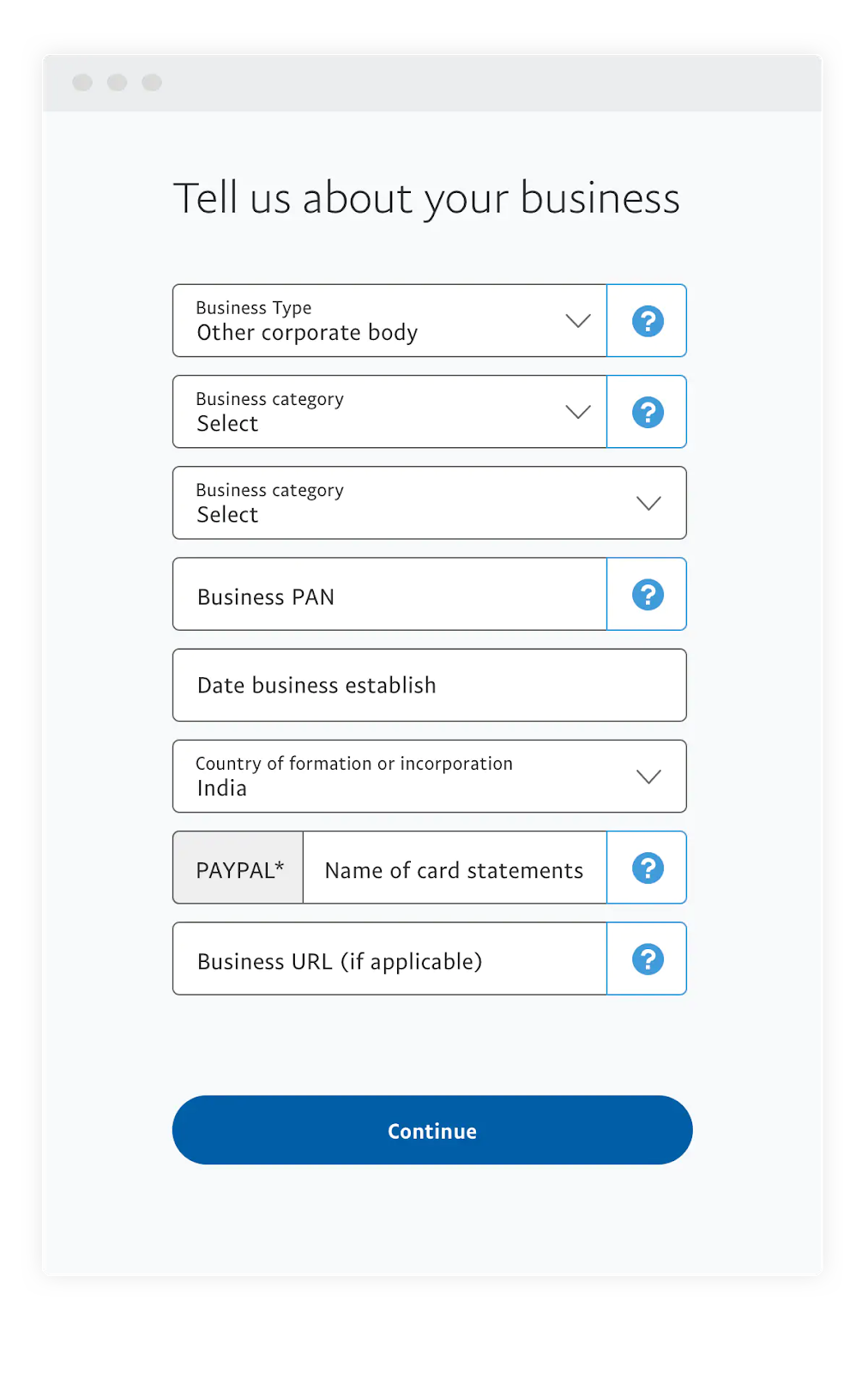
Once you’ve chosen your account type, the registration process will prompt you for essential financial identity information. This typically includes your full name, physical address, phone number, and a valid email address. For Business Accounts, additional details about your business (e.g., business name, type, tax ID) will be required. Providing accurate information is vital not only for compliance with financial regulations but also for ensuring the security and validity of your transactions. Your email will be your primary identifier, and creating a strong, unique password is a non-negotiable step to protect your financial assets from unauthorized access. PayPal will require email and/or phone verification to authenticate your identity, which is a standard financial security protocol.
Linking Your Financial Instruments: Banks and Cards

To fully leverage PayPal’s financial capabilities, you’ll need to link it to your existing bank accounts and/or credit/debit cards.
- Linking a Bank Account: This is highly recommended as it allows you to easily transfer funds between your PayPal balance and your bank. Bank transfers are often ideal for larger transactions or for withdrawing earned money, as they typically involve fewer fees than credit card transactions for certain operations. PayPal will initiate small deposits (often two micro-deposits) to your bank account, which you’ll need to verify on the PayPal site, a process designed to confirm your ownership of the financial instrument.
- Adding Credit/Debit Cards: Linking a card provides a convenient funding source for immediate payments and acts as a backup if your PayPal balance is insufficient. While using a card directly might incur fees for certain transactions (e.g., sending money to friends and family as a payment for goods/services), it offers flexibility and instantaneous processing.
Connecting these financial instruments empowers your PayPal account, allowing it to function as a versatile extension of your traditional banking, enabling seamless money movement in and out of the digital platform.
Optimizing Your PayPal Account for Financial Efficiency
Setting up your account is just the beginning. To truly harness PayPal’s power for financial management, it’s essential to optimize its settings and understand its various financial nuances.
Navigating Security and Privacy for Your Money
Protecting your financial assets is paramount. PayPal offers robust security features that you should proactively enable. Two-factor authentication (2FA) is a critical layer of defense, requiring a second verification step (like a code sent to your phone) in addition to your password, significantly reducing the risk of unauthorized access. Regularly review your transaction history for any suspicious activity and immediately report any unauthorized transactions. PayPal also offers strong buyer and seller protection policies, providing a safety net for financial disputes and helping to mediate issues, thus offering significant peace of mind when transacting online. Understanding and utilizing these security features is a key aspect of responsible digital financial management.
Understanding Fees and International Transactions
While PayPal offers immense convenience, it’s important to be aware of its fee structure, particularly for certain types of transactions. Sending money to friends and family from a linked bank account or PayPal balance is usually free within the same country, but using a credit card for such transactions often incurs a fee. International transfers, currency conversions, and payments for goods and services (especially for business accounts) typically involve fees. For businesses and freelancers, these fees need to be factored into pricing and profitability calculations. Familiarize yourself with PayPal’s fee schedule on their website to make informed financial decisions and potentially identify strategies to minimize costs, such as initiating bank transfers for large withdrawals instead of using instant transfer options that may carry a charge.
Leveraging PayPal’s Features for Smarter Money Management
PayPal provides several features that can significantly enhance your financial management:
- Automatic Payments and Subscriptions: Manage recurring bills and subscriptions effortlessly, ensuring timely payments and avoiding late fees.
- Invoicing Tools: For business accounts, generate professional invoices directly through PayPal, track payment statuses, and remind clients, streamlining your accounts receivable process.
- Transaction History: Utilize the detailed transaction history for budgeting, expense tracking, and year-end tax preparation. This digital trail is invaluable for maintaining accurate financial records.
- PayPal Credit (Optional): While not for everyone, PayPal Credit offers a revolving line of credit that can be used for purchases, potentially offering promotional financing on qualifying orders. It’s a financial product to be used judiciously, based on individual financial circumstances and creditworthiness.
By exploring and implementing these features, PayPal transforms from a simple payment gateway into a dynamic tool for comprehensive financial oversight.
Common Challenges and Solutions in Your PayPal Financial Journey
Even with a smooth setup, users might encounter challenges. Understanding common issues and their solutions is crucial for uninterrupted financial operations.
Resolving Account Limitations and Verification Issues
Occasionally, PayPal might place limitations on an account, which can restrict sending or receiving funds. This often occurs due to unusual activity, large transaction volumes that trigger security protocols, or a need for additional verification to comply with financial regulations. To resolve this, PayPal typically requests specific documentation, such as proof of identity (government-issued ID), proof of address, or business documentation. Proactively completing all requested verification steps during setup can often prevent future limitations, ensuring your financial access remains unrestricted. Providing these documents promptly is key to restoring full functionality and safeguarding your financial flows.
Managing Disputes and Fraud Protection
PayPal’s Resolution Center is a vital tool for managing financial disputes, whether you’re a buyer who didn’t receive an item or a seller dealing with an unauthorized transaction. Knowing how to open a dispute and providing all necessary evidence is critical. For fraud protection, PayPal employs sophisticated monitoring systems. If you suspect any unauthorized transactions or phishing attempts, it’s imperative to report them immediately through PayPal’s official channels. Their buyer and seller protection programs are designed to offer recourse, mediating financial disagreements and providing safeguards against certain types of fraud, underscoring PayPal’s commitment to securing your money.
Conclusion
Setting up a PayPal account is more than a mere technical task; it’s a strategic move towards empowering your financial life in the digital age. From simplifying everyday personal transactions to unlocking global opportunities for online income and business growth, PayPal serves as a robust and versatile financial tool. By carefully selecting your account type, diligently providing the necessary financial information, and proactively linking your banking instruments, you establish a secure foundation.
Furthermore, by optimizing your account for security, understanding its fee structure, and leveraging its many features for smarter money management, you can transform PayPal into an indispensable asset. While challenges like account limitations or disputes may arise, PayPal’s support systems are in place to help you navigate them effectively. Embrace the power of PayPal; set up your account today, and take a significant step towards seamless, secure, and globally connected financial management, making it a cornerstone of your modern digital financial literacy.
aViewFromTheCave is a participant in the Amazon Services LLC Associates Program, an affiliate advertising program designed to provide a means for sites to earn advertising fees by advertising and linking to Amazon.com. Amazon, the Amazon logo, AmazonSupply, and the AmazonSupply logo are trademarks of Amazon.com, Inc. or its affiliates. As an Amazon Associate we earn affiliate commissions from qualifying purchases.