
The Russian Orthodox Church, a prominent autocephalous Eastern Orthodox Christian body, represents a profound and enduring cultural and spiritual phenomenon. To understand “what Russian Orthodox believes” through a contemporary lens, particularly within the framework of brand identity, offers a unique perspective on its structure, communication, and the enduring values it embodies. A “brand” in this context is not a commercial product, but rather an established identity, a set of core values, a distinctive visual language, and a profound experiential offering that fosters deep loyalty and shapes individual and collective identity over centuries.
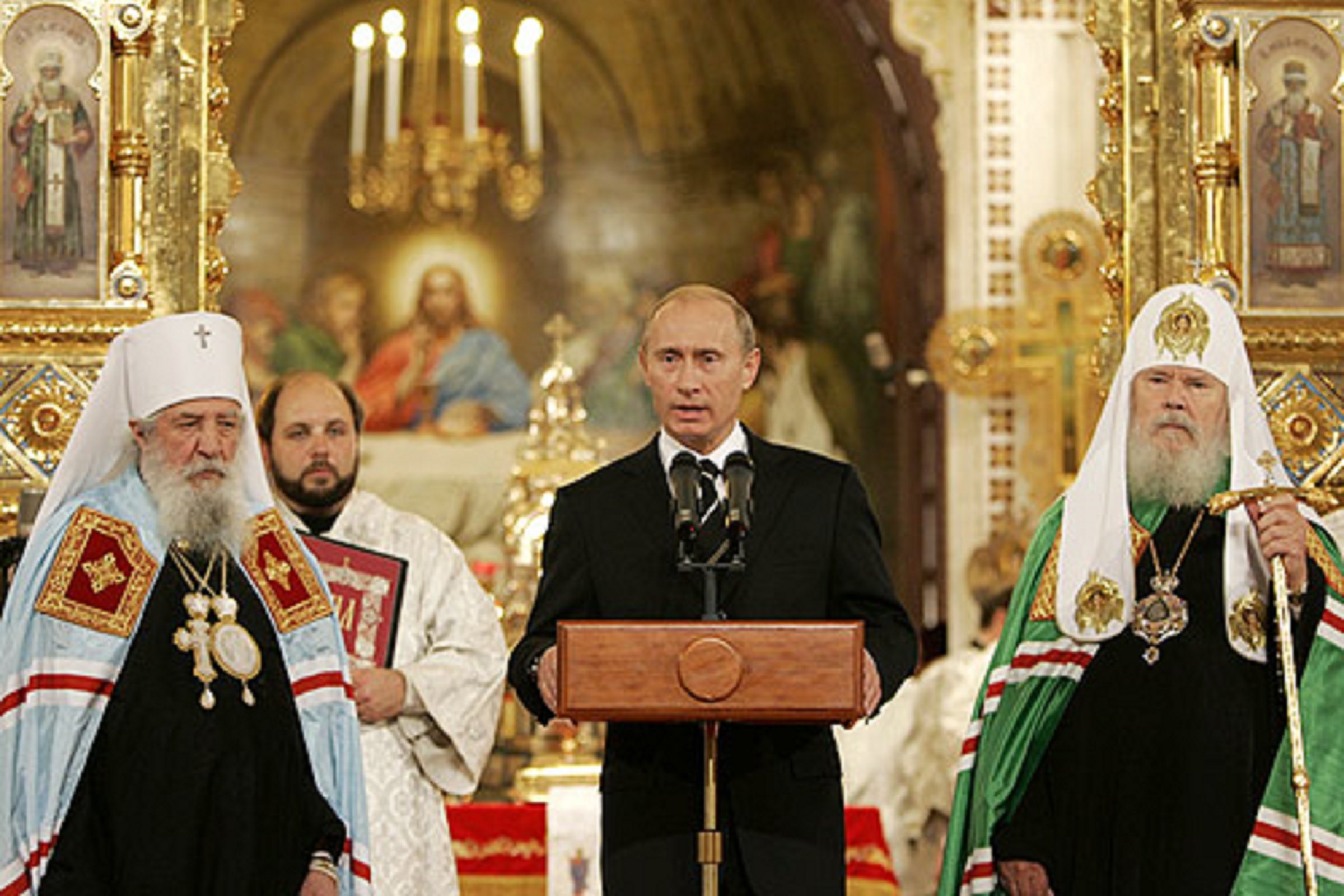
The Core Brand Values: Foundations of Russian Orthodoxy
At the heart of the Russian Orthodox “brand” are a set of immutable values and theological principles that have guided its identity for over a millennium. These are not merely doctrines but form the very DNA of its unique proposition, distinguishing it within the broader Christian landscape.
Theological Pillars as Brand Principles
The foundational “brand principles” of Russian Orthodoxy are rooted in the Nicene Creed, shared by all Orthodox Christians. These include belief in the Holy Trinity (God as Father, Son, and Holy Spirit), the divinity of Jesus Christ, His crucifixion, resurrection, and ascension, and the promise of eternal life. However, within the Russian Orthodox context, certain emphases become particularly prominent, shaping its distinct identity:
- Orthodoxy (Right Belief) and Orthopraxy (Right Practice): This duality is a cornerstone. The “brand” insists not only on correct theological understanding but also on correct worship and ritual. Adherence to established tradition in liturgy, sacraments, and spiritual discipline is seen as crucial for maintaining the integrity of the faith. This emphasis on tradition acts as a powerful brand guardian, ensuring consistency and authenticity across generations.
- Sobornost: A uniquely Slavic concept, Sobornost can be translated as conciliarity or spiritual togetherness. It emphasizes the organic unity and spiritual communion of the Church, where clergy and laity are interconnected in faith, prayer, and life. This concept promotes a sense of collective belonging and shared responsibility, fostering a strong community aspect akin to a highly engaged brand community. It’s not merely individual faith but a communal journey towards salvation, reinforcing the idea of a shared identity and purpose.
- Theosis (Deification or Divinization): A central theological aim, theosis is the process by which humans, through God’s grace and their cooperation, can become more like God. This isn’t about becoming divine in essence, but rather participating in God’s divine energies. It offers a compelling “aspirational brand vision”—a spiritual journey towards ultimate transformation and union with the Divine. This belief empowers individuals within the faith, providing a profound purpose beyond earthly existence.
- Veneration of Saints and Icons: The reverence for saints, particularly the Mother of God (Theotokos), and the profound importance of icons as “windows to heaven” are critical to the Russian Orthodox brand identity. Saints serve as spiritual role models and intercessors, while icons are not worshipped but venerated as sacred images through which the faithful connect with the divine prototypes they represent. These elements are integral to the visual and spiritual lexicon, providing tangible focal points for devotion and reinforcing the continuous spiritual lineage.
Apostolic Succession and Orthodoxy’s Unique Value Proposition
A key “value proposition” for the Russian Orthodox brand is its claim to unbroken Apostolic Succession. This means its bishops and clergy trace their authority directly back to the Apostles of Jesus Christ through an uninterrupted line of ordinations. This historical continuity provides a powerful narrative of authenticity and legitimacy, reinforcing its status as the original, unchanged Christian Church. For adherents, this ensures that the sacraments are valid and that the teachings remain pure, undistorted by later innovations. This direct link to the earliest Christian communities offers a compelling historical foundation, much like a heritage brand leveraging its legacy to convey trust and authenticity.
Visual and Experiential Branding: Symbols, Rituals, and Spaces
The Russian Orthodox Church communicates its brand identity not just through doctrine but profoundly through its rich visual culture, immersive rituals, and sacred architecture. These elements create a holistic “brand experience” that engages all senses and fosters deep emotional and spiritual connection.
The Iconic Visual Language
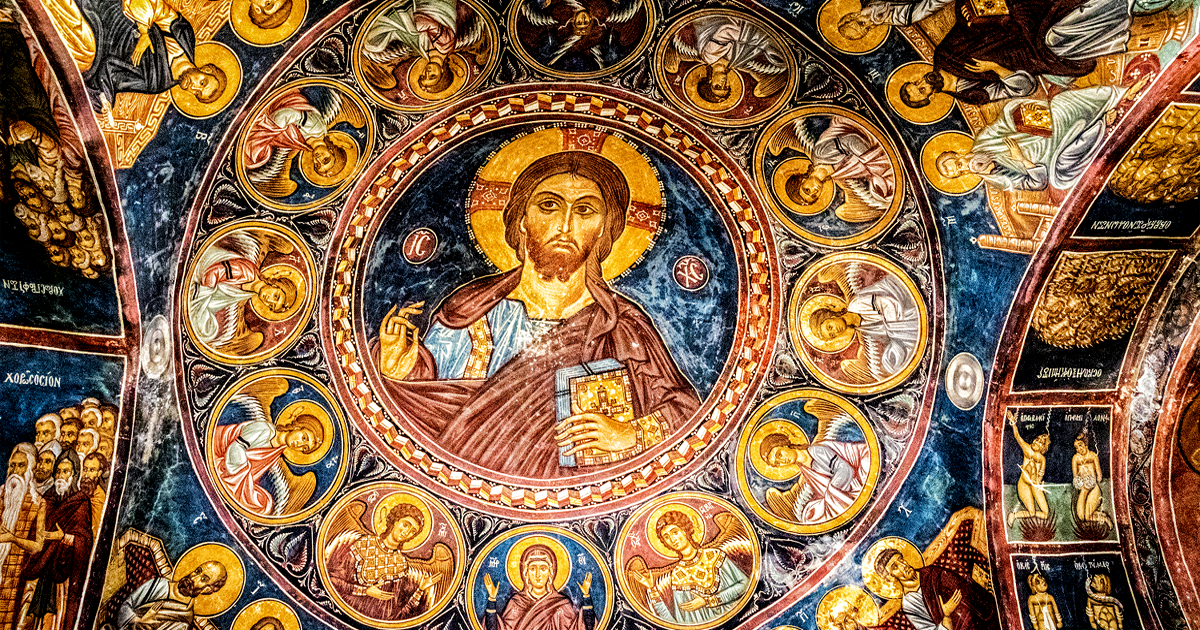
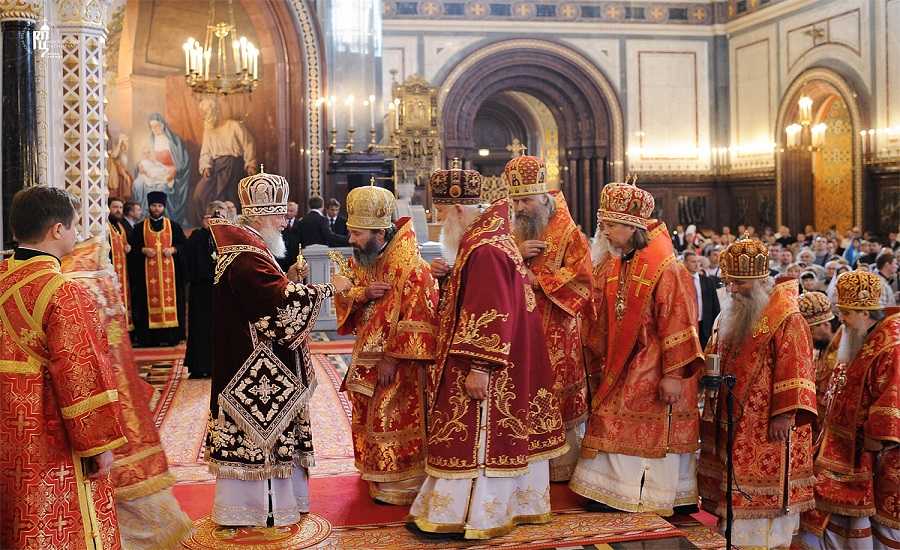
Icons are perhaps the most recognizable visual element of Russian Orthodoxy. Far from mere decorations, they are central to worship and spiritual life, functioning as powerful brand symbols. The specific style, symbolism, and techniques of icon painting—often following ancient canons—ensure consistency and immediate recognition. The golden backgrounds, often ethereal figures, and specific gestures convey theological truths and evoke a sense of the sacred. Similarly, the unique design of Orthodox crosses (often with three crossbars), intricate vestments of the clergy, and the symbolic use of light (candles, oil lamps) all contribute to a cohesive and deeply meaningful visual identity that communicates sacredness and tradition.
Liturgy as Immersive Brand Experience
The Divine Liturgy is the quintessential “experiential brand offering” of Russian Orthodoxy. It is a long, highly ritualized service performed predominantly in Church Slavonic (or the vernacular), filled with chanting, incense, prostrations, and the veneration of icons. The entire service is designed to transport the faithful from the mundane into the presence of God, creating a sense of heaven on earth. The structured sequence, the communal singing, the aroma of incense, the visual splendor of the icons and vestments, and the profound theological symbolism of each action all combine to create an immersive, multi-sensory experience that reinforces the core beliefs and draws participants into the sacred narrative. This repeated, profound experience builds deep loyalty and strengthens the emotional bond with the faith.
Architectural Identity and Sacred Spaces
Russian Orthodox churches, characterized by their onion domes, often richly painted interiors, and iconostases (a wall of icons separating the altar from the nave), are unmistakable architectural statements. These buildings are more than just places of worship; they are physical manifestations of the faith’s identity. The orientation of the church, the specific layout, and the abundant use of religious art all contribute to creating a distinctive and sacred environment. These spaces serve as powerful physical anchors for the brand, embodying its history, aesthetics, and spiritual purpose, and providing a constant, visible reminder of its presence within communities.
Community and Engagement: The Human Element of the Brand
Beyond doctrine and ritual, the Russian Orthodox “brand” is vitally sustained by its community. The faithful are not passive recipients but active participants, whose personal adherence and collective engagement define and perpetuate the brand’s living legacy.
Personal Branding Through Adherence
For an individual, embracing Russian Orthodoxy often involves a profound personal transformation, akin to adopting a distinct “personal brand” shaped by the faith’s values. Adherents commit to a particular way of life that includes fasting, prayer rules, regular confession, communion, and engaging in acts of charity. These practices, informed by centuries of ascetic tradition, become external markers of their spiritual identity. Their adherence reflects a commitment to humility, spiritual discipline, and compassion, shaping their public and private personas according to the tenets of their faith. This deep integration of belief into daily life means that followers become living expressions of the Orthodox “brand.”
Collective Identity and Community Loyalty
The Russian Orthodox Church fosters a strong sense of collective identity and loyalty. Parish communities function as extended families, providing mutual support, shared worship, and a sense of belonging. The concept of Sobornost is lived out through communal celebrations of feast days, shared meals, and joint charitable efforts. This robust community engagement reinforces the “brand” by creating a supportive environment where shared values are continuously affirmed and transmitted. Like a strong community built around a beloved brand, members feel a deep connection to each other and to the larger institution, fostering resilience and continuity even through challenging times. This collective adherence ensures the intergenerational transmission of beliefs and practices, solidifying the brand’s enduring presence.
Brand Evolution and Strategic Resilience
Despite its emphasis on tradition, the Russian Orthodox Church has demonstrated remarkable resilience and a capacity for strategic adaptation, ensuring its brand authenticity endures across diverse historical and geopolitical landscapes.
Maintaining Authenticity Across Eras
The commitment to “Orthodoxy”—right belief—means that core doctrines and rituals are fiercely guarded. This steadfastness against theological innovation acts as a powerful mechanism for maintaining “brand authenticity.” While external forms may evolve subtly (e.g., language of liturgy, administrative structures), the essence of the faith—its theological content and sacramental life—remains remarkably consistent. This unwavering core provides a stable identity that has allowed the Church to survive empires, revolutions, and periods of persecution, emerging with its fundamental beliefs intact. This emphasis on unchanging truth is a critical aspect of its enduring appeal, offering stability in a constantly shifting world.
Navigating Modernity: Challenges and Adaptations
In the modern era, the Russian Orthodox Church faces contemporary challenges, including secularism, globalization, and geopolitical complexities. Its “brand strategy” involves a careful balance of maintaining ancient traditions while engaging with the modern world. This includes utilizing modern communication channels (internet, social media) to disseminate its message, engaging in social outreach programs, and participating in interfaith dialogues. While it resists fundamental theological shifts, it strategically adapts its outreach and pastoral care to address the needs of contemporary society, ensuring its relevance and continued resonance. This adaptive resilience allows the Russian Orthodox “brand” to maintain its distinct identity and draw new adherents, proving that a deep-rooted heritage can indeed thrive in the present and shape the future.
In conclusion, the beliefs of the Russian Orthodox Church are intricately woven into a comprehensive identity that, when viewed through a brand lens, reveals a sophisticated interplay of core values, distinctive visual and experiential elements, and a deeply committed community. This integrated approach has allowed it to define, maintain, and transmit its unique spiritual proposition for over a millennium.
aViewFromTheCave is a participant in the Amazon Services LLC Associates Program, an affiliate advertising program designed to provide a means for sites to earn advertising fees by advertising and linking to Amazon.com. Amazon, the Amazon logo, AmazonSupply, and the AmazonSupply logo are trademarks of Amazon.com, Inc. or its affiliates. As an Amazon Associate we earn affiliate commissions from qualifying purchases.