
The landscape of the global economy has undergone a seismic shift over the last decade. The traditional 9-to-5 model, while still a cornerstone of professional life, is no longer the sole avenue for financial security. Driven by high-speed internet, specialized digital platforms, and a cultural shift toward autonomy, the “gig economy” has matured into a sophisticated ecosystem. For those asking, “How can I make extra money from home?” the answer lies in understanding where your personal skills intersect with market demand.
Generating additional income from home is no longer just about filling out surveys or selling household clutter. It is about building sustainable, scalable, and professional revenue streams. Whether you are looking to pay off debt, build an investment portfolio, or transition into full-time entrepreneurship, the following strategies provide a blueprint for financial growth in the digital age.

1. Leveraging Digital Marketplaces for Service-Based Income
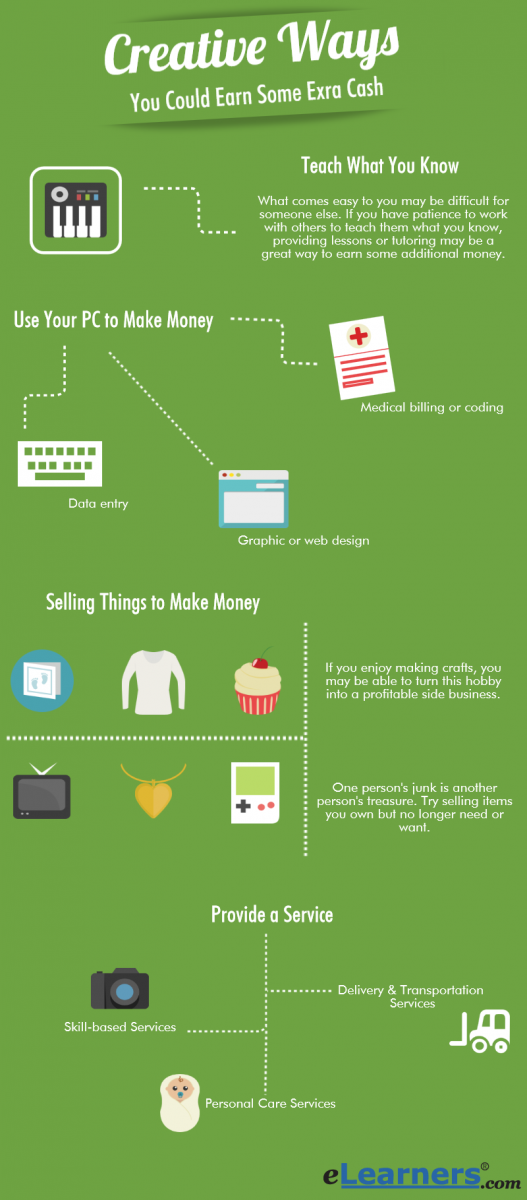
The most immediate way to generate extra income is by monetizing skills you already possess. Service-based side hustles require minimal upfront capital—usually just a computer and an internet connection—and allow you to trade your time and expertise for a premium.
Freelancing and the Creator Economy
Freelancing has evolved from a fringe activity to a professional standard. Businesses ranging from tech startups to Fortune 500 companies frequently outsource specialized tasks to independent contractors. High-demand areas include technical writing, graphic design, software development, and digital marketing.
To succeed in this space, you must move beyond generalist roles. Specialization—often referred to as “niche-ing down”—allows you to command higher hourly rates. For example, a “content writer” may earn a standard rate, but a “white paper writer for the fintech sector” can charge significantly more due to the specialized knowledge required. Platforms like Upwork, Toptal, and LinkedIn ProFinder serve as bridges connecting professionals with clients globally.
Virtual Assistance and Administrative Support
As more companies move to remote-first models, the demand for virtual assistants (VAs) has skyrocketed. A VA does more than just answer emails; they often manage executive calendars, handle customer relations, oversee social media scheduling, and perform data entry. This is an ideal path for individuals with high organizational skills and a professional demeanor. The scalability here is notable; many home-based assistants eventually evolve into “Online Business Managers,” overseeing teams of other freelancers for their clients.
Online Tutoring and Specialized Education
The global ed-tech market is booming. If you possess an advanced degree, fluency in a second language, or mastery of a specific skill (like coding or LSAT preparation), online tutoring offers a high return on time. Unlike traditional tutoring, digital platforms allow you to reach students across different time zones, maximizing your earning hours. Beyond academic subjects, there is a growing market for “coaching”—helping individuals achieve specific life or business goals through structured 1-on-1 sessions.
2. Scalable Income Streams: Digital Products and E-commerce
While service-based work is excellent for immediate cash flow, it is fundamentally limited by the number of hours in a day. To truly maximize your financial potential from home, you must look toward scalable models where your income is decoupled from your time.
Print-on-Demand and Dropshipping
E-commerce has been democratized through models like dropshipping and print-on-demand (POD). These methods allow you to sell physical goods without holding inventory or managing shipping logistics. In a POD model, you create designs for products like apparel or home decor; the item is only printed and shipped by a third-party vendor once a customer makes a purchase. This eliminates the financial risk of unsold stock. Success in this area relies heavily on market research—identifying trending “micro-niches” and utilizing targeted social media advertising to reach specific consumer demographics.
Selling Digital Goods and Online Courses
If you have mastered a particular craft or business process, you can package that knowledge into a digital product. This might include E-books, spreadsheet templates, architectural presets, or comprehensive video courses. The beauty of digital products is that they are created once and sold infinitely. Platforms like Teachable, Gumroad, and Etsy (for digital downloads) handle the transaction and delivery. This transition from “selling a service” to “selling a product” is the cornerstone of building long-term wealth from home.

Affiliate Marketing Strategies
Affiliate marketing involves promoting a company’s products and earning a commission on every sale made through your unique referral link. While often associated with “influencers,” a professional approach to affiliate marketing involves building a niche-specific blog or a YouTube channel that provides genuine value. By reviewing financial tools, software, or home office equipment, you build trust with an audience. When they purchase a recommended tool to solve their problem, you receive a percentage of the sale. It is a performance-based income model that rewards high-quality curation and honest reporting.
3. Maximizing Micro-Tasking and Participation-Based Earnings
For those who may not have the time to commit to long-term projects or the desire to build a brand, there are several “low-friction” ways to earn money. While these typically offer lower pay than specialized freelancing, they provide flexibility and require no specific prior experience.
Market Research and Data Validation
Companies are desperate for consumer data to train AI models and refine marketing campaigns. Participating in focus groups or high-end market research studies can be surprisingly lucrative. Unlike standard $1 surveys, professional research panels (such as those found on UserInterviews or Respondent.io) often pay between $50 and $200 per hour for your feedback on new products, software, or medical services.
User Testing and Quality Assurance
Before a website or app is launched, companies need real people to test the user interface (UI) and user experience (UX). As a user tester, you are tasked with completing specific actions—such as navigating to a checkout page or finding a specific piece of information—while recording your screen and thinking aloud. This provides developers with invaluable data on where users get confused. Platforms like UserTesting or TryMyUI offer a steady stream of these opportunities, making it a viable way to earn extra money during evenings or weekends.
4. Strategic Financial Management of Home-Based Income
Earning extra money is only half the battle. To ensure that your home-based efforts actually improve your financial standing, you must treat your side income with the same rigor as a corporate accounting department.
Budgeting and Reinvesting Side Hustle Earnings
One of the most common mistakes people make when earning extra money is “lifestyle creep”—increasing their spending as soon as their income rises. To maximize the impact of your home-based work, it is essential to “earmark” your earnings. Whether the money is designated for a high-yield savings account, a retirement contribution (like a SEP IRA), or reinvestment back into your business (such as buying a better laptop or taking a certification course), having a plan ensures the money serves a long-term purpose.
Understanding Tax Implications and Legal Structures
When you earn money from home as an independent contractor, you are essentially a small business owner in the eyes of the government. This means you are responsible for tracking your own income and expenses. It is vital to set aside a portion of every payment (typically 25-30%) for self-employment taxes.
Furthermore, as your income grows, you may want to consider formalizing your work by forming a Limited Liability Company (LLC). This not only provides a layer of legal protection for your personal assets but can also offer tax advantages depending on your jurisdiction. Consulting with a financial advisor or a tax professional early in the process can prevent costly mistakes and help you optimize your deductions, such as home office expenses and software subscriptions.
Conclusion
The ability to make extra money from home is a powerful tool for achieving financial independence. By moving away from the “get rich quick” mentality and toward a professional, skill-based approach, you can create a sustainable secondary income. Whether you choose the path of high-level freelancing, the scalability of digital products, or the flexibility of micro-tasks, the key is consistency and financial discipline.
The digital economy rewards those who are willing to learn, adapt, and provide value to others. By identifying your unique strengths and aligning them with the needs of the marketplace, you transform your home from a place of rest into a hub of financial opportunity. In today’s world, your earning potential is limited not by your location, but by your initiative and your ability to leverage the tools at your fingertips.
aViewFromTheCave is a participant in the Amazon Services LLC Associates Program, an affiliate advertising program designed to provide a means for sites to earn advertising fees by advertising and linking to Amazon.com. Amazon, the Amazon logo, AmazonSupply, and the AmazonSupply logo are trademarks of Amazon.com, Inc. or its affiliates. As an Amazon Associate we earn affiliate commissions from qualifying purchases.