
California is often synonymous with its sprawling coastline and entertainment industry, but for the global professional, it represents the beating heart of the world’s technological advancement. To ask “what is there to do in California” through a tech-centric lens is to explore the physical manifestation of the digital revolution. From the semiconductor foundations of the Santa Clara Valley to the burgeoning Generative AI hubs of San Francisco and the aerospace corridors of Southern California, the state offers a unique map of innovation.
This guide explores the essential technological landmarks, industry trends, and professional ecosystems that define the Golden State as the premier destination for anyone invested in the future of software, hardware, and digital infrastructure.
1. The Epicenter of Innovation: Navigating Silicon Valley’s Corporate Heritage
Silicon Valley remains the ultimate pilgrimage site for those interested in the history and future of computing. While much of the world’s software is now built in the cloud, the physical infrastructure of the South Bay provides a tangible look at how “Big Tech” operates and scales.
The Architectural Marvels of Apple Park and the Googleplex
Visiting the headquarters of industry titans offers more than just a photo opportunity; it provides insight into corporate philosophy and workplace design. Apple Park in Cupertino, often referred to as “The Spaceship,” is a masterclass in sustainable architecture and integrated hardware-software design. While the inner ring is restricted, the Visitor Center offers an augmented reality (AR) experience that allows tech professionals to visualize the campus’s intricate engineering. Similarly, the Googleplex in Mountain View serves as a living laboratory for “smart campus” logistics, showcasing how data-driven urban planning can be applied to corporate environments.
The Computer History Museum: Contextualizing the Digital Age
Located in Mountain View, the Computer History Museum is an essential stop for understanding the evolution of software and hardware. For a tech professional, “what to do” here involves engaging with the “Revolution” exhibit, which spans 2,000 years of computing history. The museum offers deep dives into the development of the first integrated circuits, the birth of the internet, and the rise of mobile computing. Understanding where we came from—such as the early logic of the ENIAC or the development of the C programming language—is vital for any developer or engineer looking to innovate in the current AI era.
Sand Hill Road and the Venture Capital Ecosystem
In Menlo Park, Sand Hill Road represents the financial engine behind the world’s most successful startups. While it looks like a quiet stretch of office parks, it is the highest concentration of venture capital in the world. Walking through this area or attending local networking events nearby provides a sense of the “investment tech” landscape. It is here that the lifecycle of a tech company—from seed funding to IPO—is often determined. For those interested in the business of tech, observing the proximity between these firms and Stanford University highlights the critical link between academic research and commercial software applications.
2. The AI Renaissance: San Francisco’s Shifting Tech Landscape
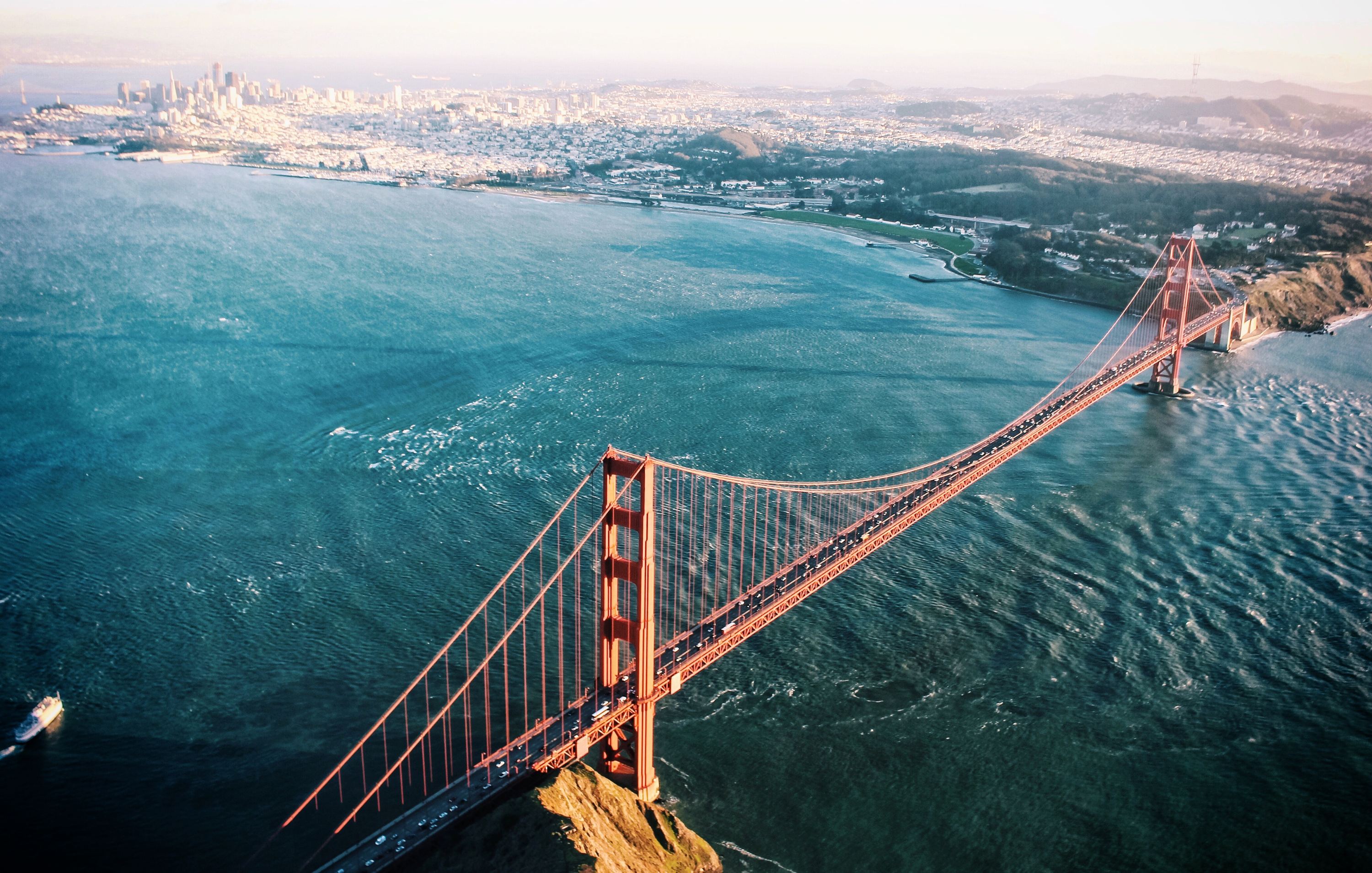
While Silicon Valley is the home of hardware and established software giants, San Francisco has reclaimed its title as the global hub for Artificial Intelligence. The city’s “Cerebral Valley” (primarily the Hayes Valley and Mission District neighborhoods) has become the epicenter for the Generative AI movement.
The Rise of Generative AI Hubs
For the tech-savvy visitor, exploring the AI landscape in San Francisco involves more than visiting offices; it involves participating in the “Hacker House” culture. Companies like OpenAI and Anthropic have anchored a new ecosystem where developers are moving beyond traditional SaaS models toward LLM-based (Large Language Model) applications. Engaging with the tech community here often means attending specialized “demo nights” or hackathons where the next generation of AI tools is being coded in real-time. This is where the practical application of neural networks and machine learning becomes a lived experience.
Digital Security and the Future of the Decentralized Web
San Francisco is also a primary hub for digital security and blockchain technology. With the rise of increasingly sophisticated cyber threats, the city hosts numerous cybersecurity summits and meetups focused on zero-trust architecture and cryptographic security. For professionals, “doing California” means staying at the forefront of these security trends. Understanding how San Francisco-based firms are integrating AI into threat detection systems is essential for anyone managing digital assets or enterprise software.
The Autonomous Vehicle (AV) Testing Grounds
One cannot spend a day in San Francisco without seeing a Waymo or Zoox vehicle navigating the city’s complex topography. For a tech enthusiast, this is a live demonstration of edge computing, sensor fusion, and real-time data processing. Observing these vehicles provides a window into the “Internet of Things” (IoT) at its most advanced stage. Analyzing how these cars interact with urban infrastructure offers insights into the future of smart cities and the massive data pipelines required to support autonomous systems.
3. Silicon Beach and the Convergence of Tech and Media
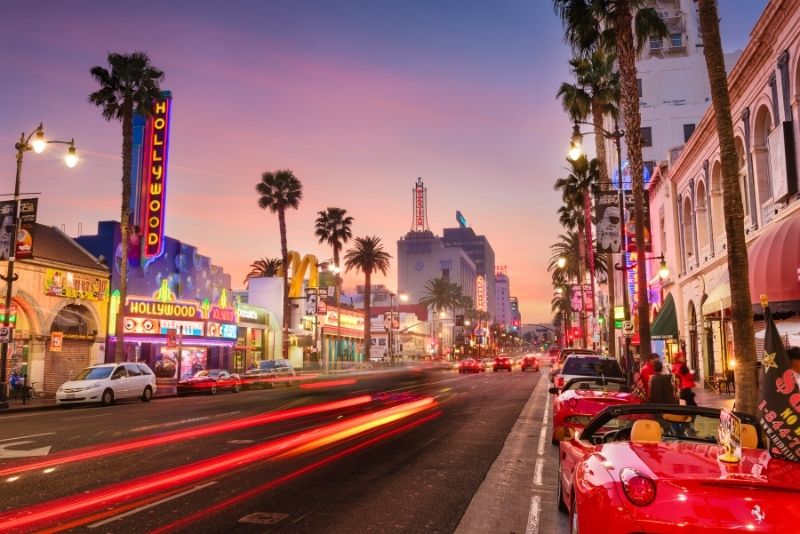
Moving south to Los Angeles, the “Silicon Beach” ecosystem demonstrates how technology is disrupting the traditional entertainment and aerospace industries. This region has become a leader in consumer-facing apps, social media infrastructure, and high-stakes hardware.
Aerospace 2.0: SpaceX and the New Space Race
In Hawthorne, the presence of SpaceX has revitalized the aerospace sector. This isn’t just about rockets; it’s about the software that powers autonomous landings and the satellite constellations (like Starlink) that are redefining global internet access. For tech professionals, observing the rapid prototyping and “fail fast” methodology of the South Bay’s aerospace firms provides a different perspective on engineering than the iterative software updates of Northern California. It is a reminder of the “hard tech” challenges that California continues to solve.
Virtual Reality (VR) and Immersive Software
Los Angeles is the global leader in the intersection of tech and content. With the release of high-end hardware like the Apple Vision Pro and Meta Quest 3, LA-based studios are at the forefront of developing spatial computing applications. “What to do” in this niche involves visiting innovation labs that are blending cinematic storytelling with real-time rendering engines like Unreal Engine and Unity. This sector is defining how humans will interact with digital interfaces over the next decade, moving from flat screens to fully immersive 3D environments.
The Fintech and E-commerce Boom in Santa Monica
Silicon Beach is home to giants like Snap Inc. and various high-growth fintech startups. The focus here is often on the “user experience” (UX) and the monetization of digital attention. For those interested in the mechanics of modern marketing tech and consumer data analytics, the Santa Monica tech corridor offers a look at how social platforms scale their infrastructure to handle billions of concurrent users while maintaining low latency and high security.
4. Infrastructure and the Future: The Digital Nomad’s California
Beyond the corporate offices, California serves as a massive testing ground for the lifestyle of the modern tech worker. The state’s infrastructure is increasingly geared toward supporting a workforce that is mobile, connected, and highly dependent on digital security.
High-Speed Connectivity and Smart City Initiatives
From San Jose to San Diego, California’s urban centers are integrating 5G and fiber-optic density at an unprecedented rate. For the remote professional, exploring the state means utilizing some of the most advanced co-working ecosystems in the world. These spaces are not just offices; they are “smart” environments equipped with the latest collaborative software, high-end hardware peripherals, and encrypted networks designed for high-stakes corporate work.
The Cybersecurity of Remote Work
As California leads the way in remote and hybrid work models, it also serves as a case study for digital security. Tech professionals in the state are often the first to adopt new security protocols, such as biometric authentication and hardware security keys (like YubiKeys). Exploring the tech scene here involves understanding how companies protect their intellectual property in a “work from anywhere” world. The integration of VPN technology, end-point security, and cloud-native protection is a standard part of the Californian tech worker’s toolkit.
Sustainable Tech and the Green Energy Grid
Finally, California is a leader in “Clean Tech.” The state’s move toward a greener grid involves massive investments in battery storage software and smart-metering technology. For an observer, seeing the density of Tesla Powerwalls and EV charging infrastructure is a lesson in how software is being used to manage energy distribution. The “Internet of Energy” is a growing niche, and California is the primary laboratory for its development.

Conclusion
What is there to do in California for the tech-minded individual? The answer lies in a deep, multifaceted engagement with the world’s most advanced digital and hardware ecosystems. It is a place where you can witness the birth of a new AI model in a San Francisco cafe in the morning, analyze the logic of a 1970s mainframe in a Mountain View museum in the afternoon, and watch a rocket launch powered by cutting-edge flight software in the evening.
California is not just a geographical location; it is a glimpse into the future of human-computer interaction, professional productivity, and global connectivity. For those who live and breathe technology, the state offers an endless array of opportunities to see, learn, and contribute to the tools that will define the next century.
aViewFromTheCave is a participant in the Amazon Services LLC Associates Program, an affiliate advertising program designed to provide a means for sites to earn advertising fees by advertising and linking to Amazon.com. Amazon, the Amazon logo, AmazonSupply, and the AmazonSupply logo are trademarks of Amazon.com, Inc. or its affiliates. As an Amazon Associate we earn affiliate commissions from qualifying purchases.