
The Erosion of a Dominant Brand Identity
For over a decade, Red Bull Racing stood as the gold standard of sports marketing—a masterclass in brand positioning, risk-taking, and high-octane corporate identity. By leveraging Formula 1, the pinnacle of motorsport, Red Bull transitioned from a functional energy drink company into a global lifestyle powerhouse. However, recent seasons have signaled a profound shift in the brand’s trajectory. The “Red Bull” brand is no longer just selling an adrenaline-fueled aspiration; it is increasingly defined by institutional instability, internal power struggles, and a fractured public image.
When a brand is built on the pillars of “giving you wings” and maintaining a relentless, winning culture, any cracks in that foundation threaten the entire marketing ecosystem. The current situation at Red Bull F1 is a case study in how corporate governance issues can cannibalize a carefully cultivated brand image. The team that was once synonymous with innovation and fearless leadership is now fighting a battle on two fronts: the tarmac and the boardroom. For stakeholders and marketing observers, the question is not just why the car is slower, but why the brand, once untouchable, has become a lightning rod for controversy.
The Cost of Internal Fragmentation on Corporate Identity
At its core, a brand is a promise made to the consumer. For Red Bull, that promise was one of absolute excellence and a disruptive, “rebel” spirit that challenged the traditional hegemony of teams like Ferrari and McLaren. This identity worked because it was cohesive; the vision held by the late Dietrich Mateschitz permeated every layer of the organization.
The Vacuum of Power
Following Mateschitz’s passing, the corporate structure that anchored the F1 team underwent a seismic shift. The transition from a founder-led organization to one governed by a more traditional corporate board structure has introduced friction. In marketing terms, a brand loses its soul when its decision-making becomes decentralized and bureaucratic. We are currently witnessing the fallout of a power struggle between the Austrian parent company and the Thai ownership, a conflict that has bled into the operational efficiency of the F1 team.
Public Perception and the “Toxic” Narrative
A brand strategy succeeds when it builds affinity. Conversely, it fails when the brand becomes associated with volatility. The recent influx of HR scandals, leadership infighting, and public spats involving team principals has transformed Red Bull from a “hero” brand into a “soap opera” brand. This shift is dangerous for sponsorship retention and fan loyalty. When the narrative surrounding the team is dominated by internal conflict rather than sporting achievement, the brand value erodes, leaving the team vulnerable to the departure of key technical assets and, eventually, commercial partners who prefer to avoid proximity to such polarizing internal dynamics.
Leveraging Brand Equity Amidst Technical Decline
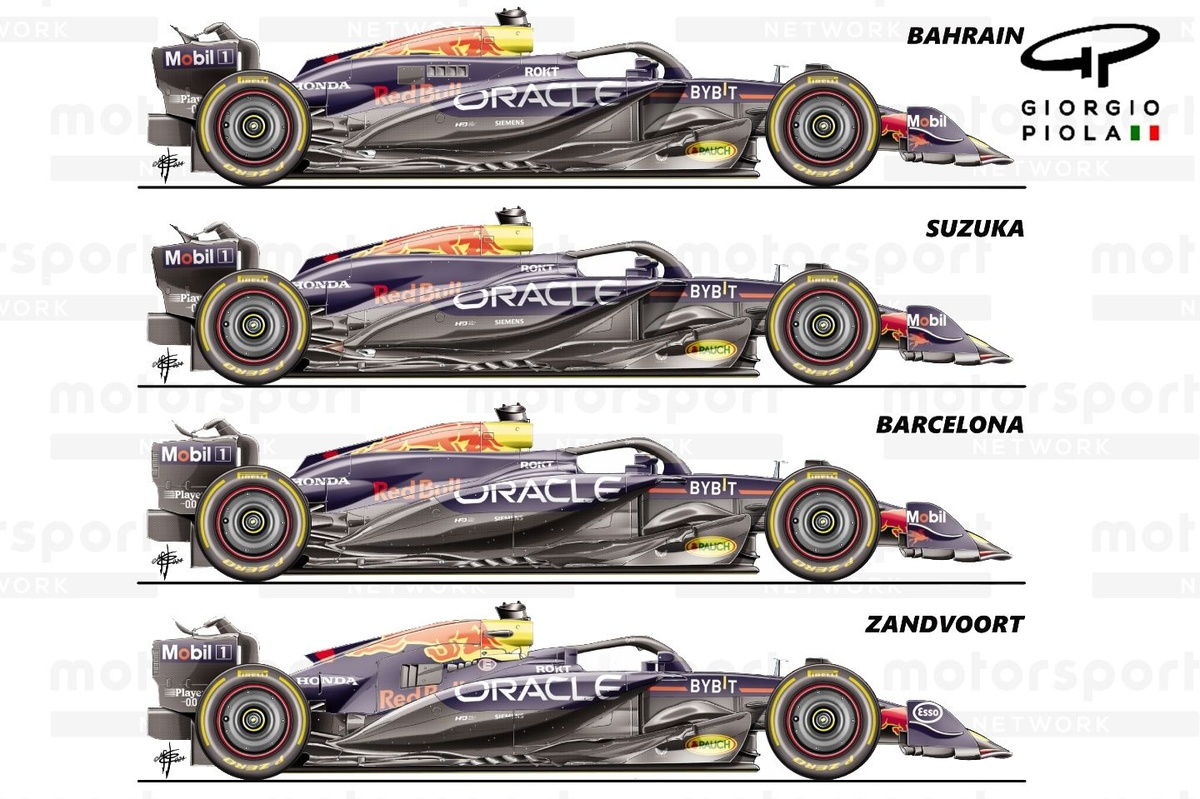
There is a distinct correlation between technical performance and brand desirability in Formula 1. Red Bull understood this better than anyone, using the RB19—a car of historic dominance—to cement the brand’s status as the apex predator of the sport. However, the 2024 season has revealed that the team’s “aero-efficiency” advantage has vanished, and with it, the brand’s aura of invincibility.
The Myth of the “Super-Team”
For years, Red Bull successfully branded its technical department as a collection of geniuses, led by the legendary Adrian Newey. By centering the brand identity around a single visionary, the team created a “cult of expertise.” The mistake, from a branding perspective, was failing to institutionalize that expertise. Now that key figures are departing, the brand is left to explain its decline to a global audience that equates “Red Bull” with “winning.” The misalignment between the brand’s promise—the dominant winner—and the current reality of mid-pack struggles has created a cognitive dissonance for fans and sponsors alike.
Crisis Communication and Brand Resiliency
Red Bull’s historical approach to crisis communication was to be aggressive and transparent about their defiance of the status quo. Today, that strategy is backfiring. By attempting to control the narrative through internal silencing or corporate deflection, the brand appears out of touch with the modern demand for transparency. A brand that once stood for “cool” is now being painted as “defensive.” This is a critical pivot point that requires a complete overhaul of their communications strategy if they hope to reclaim the narrative.
The Future of the Red Bull Commercial Ecosystem
Can Red Bull recover its brand standing, or has the damage reached a point of permanent dilution? In the world of global sports marketing, “brand drift” is the silent killer. When the identity of the team no longer matches the reality of its output, the commercial value of the assets—the cars, the suits, the digital channels—begins to depreciate.
Diversification as a Survival Mechanism
Red Bull’s genius has always been its ability to sit at the intersection of media, sports, and beverage retail. Even if the F1 team continues to struggle, the company has diversified enough to insulate itself from complete collapse. However, the F1 team serves as the “halo” for the entire brand. If the halo loses its shine, the impact is felt in every energy drink sold at the register. The brand must now focus on professionalizing its internal culture to match the premium nature of its global operations.

Rebuilding Trust with the Fanbase
To navigate this period, Red Bull needs to pivot back to its core values of performance and innovation, while distancing itself from the boardroom politics that have clouded its reputation. The team needs a “reset” that is not just mechanical but cultural. Marketing in F1 is a long-term game; a single season of struggle is manageable, but a culture of infighting is a terminal condition for a brand that markets itself on the premise of “giving wings” to those who achieve the impossible.
Ultimately, what happened to Red Bull F1 is a warning to every corporate entity that ties its brand identity to the performance of a high-stakes, high-visibility team. Success is a fragile commodity, and internal stability is the only currency that guarantees long-term sustainability. Red Bull is currently in the process of discovering whether it can survive its own success and whether its corporate identity is resilient enough to endure the turbulence of transition. The brand remains powerful, but for the first time in its history, its wings appear to be dragging. The path forward requires a return to the vision that made it a household name: a singular focus on performance, a rejection of petty politics, and the re-establishment of a culture that attracts, rather than repels, the best talent in the world. Only then will the brand regain the altitude it so famously claims to provide.
aViewFromTheCave is a participant in the Amazon Services LLC Associates Program, an affiliate advertising program designed to provide a means for sites to earn advertising fees by advertising and linking to Amazon.com. Amazon, the Amazon logo, AmazonSupply, and the AmazonSupply logo are trademarks of Amazon.com, Inc. or its affiliates. As an Amazon Associate we earn affiliate commissions from qualifying purchases.