
Securing a mortgage is often the most significant financial transaction an individual will undertake in their lifetime. For many, the process of obtaining a house loan feels like navigating a labyrinth of complex terminology, stringent requirements, and fluctuating market conditions. However, homeownership remains a cornerstone of personal wealth and stability. To transition from a prospective buyer to a homeowner, one must understand that a mortgage is not merely a loan; it is a structured financial strategy. This guide provides a comprehensive roadmap for navigating the mortgage landscape, from the initial preparation of your finances to the final signature at the closing table.

Laying the Financial Foundation: Preparing Your Profile
Before you even step foot in an open house, your primary objective should be “mortgage readiness.” Lenders view every applicant through the lens of risk management. To secure the best interest rates and terms, you must present a financial profile that suggests stability and reliability.
Understanding Your Credit Score and Its Impact
Your credit score is perhaps the most influential factor in the loan approval process. Most lenders use the FICO score to determine your creditworthiness. A higher score—typically 740 or above—unlocks the lowest interest rates, which can save you tens of thousands of dollars over the life of a 30-year loan. Conversely, a score below 620 may limit your options to specific government-backed programs.
To prepare, obtain a copy of your credit report from the three major bureaus (Equifax, Experian, and TransUnion). Look for errors or outdated information that could be dragging your score down. Avoid opening new lines of credit or making large purchases on credit cards in the six months leading up to your application, as these actions can temporarily lower your score and increase your perceived risk.
Managing Your Debt-to-Income (DTI) Ratio
While your credit score shows how you’ve handled debt in the past, your Debt-to-Income (DTI) ratio tells lenders how much debt you can handle in the future. DTI is calculated by dividing your total monthly debt obligations (student loans, car payments, credit card minimums) by your gross monthly income.
Lenders generally prefer a DTI ratio below 36%, though some programs allow for up to 43% or even 50% in specific circumstances. To improve your DTI, focus on paying down high-interest revolving debt. Not only does this lower your ratio, but it also frees up monthly cash flow, making you a more attractive candidate for a larger loan amount.
The Importance of a Robust Down Payment
The down payment is your initial equity stake in the property. While the “20% down” rule is often cited as the gold standard, it is no longer a strict requirement for many borrowers. However, putting down 20% allows you to avoid Private Mortgage Insurance (PMI), an additional monthly fee that protects the lender in case of default.
If 20% is out of reach, many conventional programs allow for as little as 3% down, and FHA loans require only 3.5%. Regardless of the percentage, you must also account for closing costs, which typically range from 2% to 5% of the home’s purchase price. Demonstrating that you have liquid “reserves”—cash left over after the down payment and closing costs—gives lenders confidence that you can handle unexpected home repairs or temporary income gaps.
Exploring Your Mortgage Options: Choosing the Right Product
Not all house loans are created equal. The “right” loan depends on your financial situation, how long you plan to stay in the home, and your tolerance for interest rate fluctuations.
Conventional Loans vs. Government-Backed Loans
Conventional loans are not insured by the federal government and typically follow the guidelines set by Fannie Mae and Freddie Mac. These are ideal for borrowers with strong credit and a stable down payment.
On the other hand, government-backed loans are designed to make homeownership more accessible.
- FHA Loans: Insured by the Federal Housing Administration, these are popular with first-time buyers due to lower credit score requirements and low down payments.
- VA Loans: Available to veterans, active-duty service members, and eligible surviving spouses, these often require $0 down and have no PMI requirements.
- USDA Loans: Targeted toward buyers in eligible rural and suburban areas, these also offer $0 down payment options for low-to-moderate-income households.
Fixed-Rate vs. Adjustable-Rate Mortgages (ARMs)
The structure of your interest rate determines your monthly payment stability. A fixed-rate mortgage keeps the same interest rate for the entire life of the loan (usually 15 or 30 years). This is the preferred choice for those who value predictability and plan to stay in their home for a long duration.
An Adjustable-Rate Mortgage (ARM) usually offers a lower “teaser” rate for an initial period (such as 5, 7, or 10 years). After that, the rate adjusts periodically based on market indices. ARMs can be strategic for buyers who plan to sell or refinance before the initial fixed period ends, but they carry the risk of significantly higher payments if market rates rise.
Specialized Programs for First-Time Homebuyers
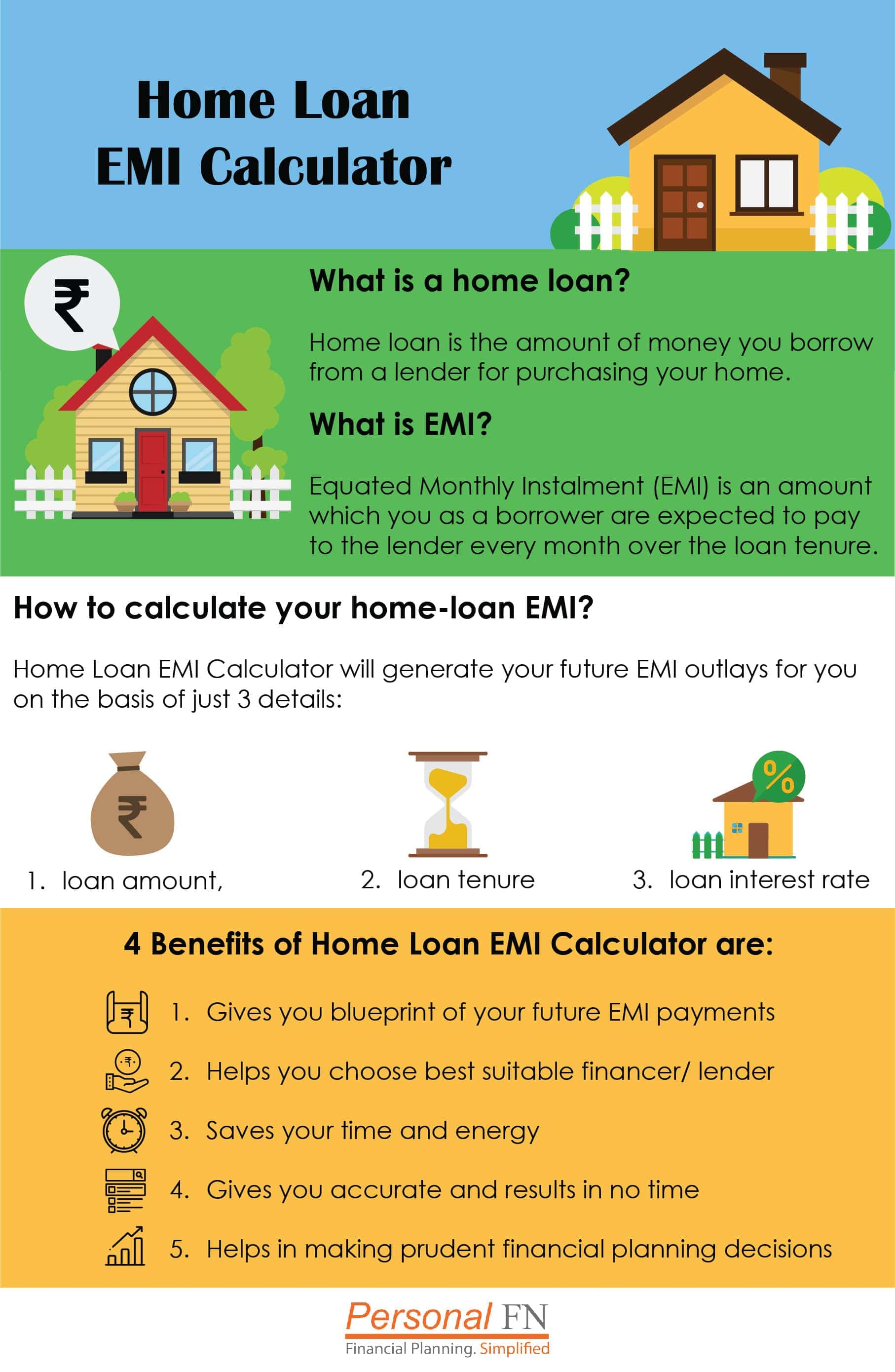
Many states and municipalities offer down payment assistance (DPA) programs or tax credits specifically for first-time buyers. These can be grants (which do not have to be repaid) or low-interest second mortgages. Researching local housing finance agencies can uncover thousands of dollars in potential savings that make the difference between continuing to rent and finally buying.
The Application and Pre-Approval Process
Once your finances are in order and you understand the loan types, it is time to engage with lenders. This stage is about formalizing your status as a serious buyer.
Gathering Essential Financial Documentation
The mortgage application is an exercise in documentation. You will need to provide “the big four”:
- Income Verification: Recent pay stubs and W-2 forms from the last two years.
- Tax Returns: Typically the last two years of federal filings, especially important for self-employed borrowers.
- Asset Statements: Two to three months of bank statements for all checking, savings, and investment accounts.
- Identification and Credit Authorization: A valid ID and written permission for the lender to pull your credit report.
The Power of Mortgage Pre-Approval
A pre-qualification is a surface-level estimate, but a pre-approval is a conditional commitment from a lender. In a competitive real estate market, a pre-approval letter is essential. It tells sellers that a lender has already verified your income and assets and is willing to lend you a specific amount. This makes your offer much stronger than one without financial backing.
Choosing the Right Lender: Banks, Credit Unions, and Brokers
Don’t settle for the first lender you speak with. Rates and fees vary significantly between institutions.
- Retail Banks: Good for those with existing relationships, though they may have stricter overlays.
- Credit Unions: Often offer lower rates and personalized service to their members.
- Mortgage Brokers: Act as intermediaries who shop your profile around to multiple lenders to find the best deal.
Comparing “Loan Estimates” from at least three different sources can help you identify hidden fees and ensure you are getting a competitive interest rate.
From Offer to Closing: Finalizing the Loan
After your offer on a house is accepted, the “underwriting” phase begins. This is where the lender performs a deep dive into both your finances and the property itself.
The Role of Appraisals and Inspections
The lender will require a professional appraisal to ensure the home is worth the price you are paying. If the appraisal comes in lower than the purchase price, a “valuation gap” occurs, requiring the buyer to cover the difference in cash, the seller to lower the price, or both parties to renegotiate. While an inspection is usually optional for the lender (though often required for FHA/VA), it is vital for the buyer to identify structural issues that could impact the home’s value or safety.
Understanding Closing Costs and Disclosures
At least three business days before you sign the final papers, you will receive a Closing Disclosure (CD). Compare this document closely with your initial Loan Estimate. It details the final loan terms, monthly payments, and the exact “cash to close” you need to provide. Closing costs include origination fees, title insurance, appraisal fees, and escrow deposits for taxes and insurance.
Avoiding Financial Pitfalls During Underwriting
The period between an accepted offer and closing is critical. Do not make any major life changes. Avoid switching jobs, taking out new loans, or moving large sums of money between accounts without a clear paper trail. Lenders often pull your credit one last time just before closing; a new car loan or a spiked credit card balance can cause the lender to rescind the loan offer at the eleventh hour.
Long-Term Financial Management Post-Purchase
Getting the loan is the beginning of a new financial chapter. Managing that debt effectively is key to building long-term wealth.
Budgeting for Homeownership Maintenance and Taxes
Your mortgage payment (Principal, Interest, Taxes, and Insurance—PITI) is the minimum you will pay each month. Unlike renting, you are now responsible for maintenance. A common rule of thumb is to set aside 1% to 2% of the home’s value annually for repairs. Additionally, be aware that property taxes can increase, which may lead to a shortage in your escrow account and a subsequent hike in your monthly payment.
Strategies for Early Principal Repayment
If your loan terms allow for it without prepayment penalties, making one extra principal-only payment per year can shave years off your mortgage and save you thousands in interest. Alternatively, if interest rates drop significantly in the future, you might consider refinancing to a lower rate or a shorter term (e.g., switching from a 30-year to a 15-year mortgage) to accelerate your equity growth.
By approaching the house loan process with a disciplined, informed strategy, you transform a daunting hurdle into a manageable series of steps. Preparation, education, and diligent documentation are the tools that will turn the key in the lock of your new home.
aViewFromTheCave is a participant in the Amazon Services LLC Associates Program, an affiliate advertising program designed to provide a means for sites to earn advertising fees by advertising and linking to Amazon.com. Amazon, the Amazon logo, AmazonSupply, and the AmazonSupply logo are trademarks of Amazon.com, Inc. or its affiliates. As an Amazon Associate we earn affiliate commissions from qualifying purchases.