
Embarking on the journey of entrepreneurship is a thrilling prospect, filled with the promise of independence, innovation, and, critically, financial reward. In an ever-evolving economic landscape, the desire to create something of value—be it a product, a service, or a unique experience—that not only sustains itself but also generates substantial profit is a driving force for many. However, the path from a nascent idea to a thriving, profitable venture is paved with strategic decisions, financial acumen, and an unwavering commitment to understanding market dynamics. This comprehensive guide is designed to equip aspiring and current entrepreneurs with the essential knowledge and actionable insights required to launch and scale a venture that is not just operational, but genuinely profitable. We will delve into the critical financial underpinnings, operational necessities, and growth strategies that distinguish successful enterprises from mere endeavors, ensuring your focus remains squarely on building a financially robust and sustainable business from day one.
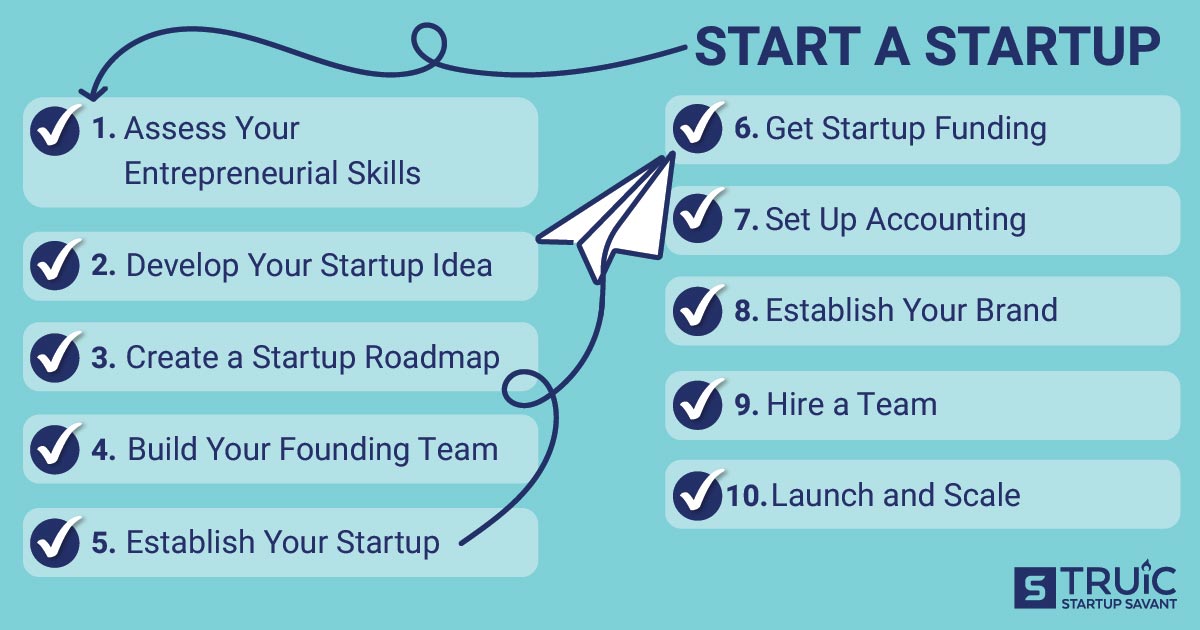
I. Laying the Financial Foundation: Ideation to Validation
Every successful venture begins with a solid foundation rooted in a well-researched idea and a clear understanding of its financial viability. This initial phase is less about grand gestures and more about meticulous investigation and cautious optimism, ensuring that your passion project has the potential to become a profitable enterprise.
A. Identifying Market Gaps and Personal Strengths
The first step in any entrepreneurial journey is to pinpoint an unmet need or an underserved niche within the market. This requires keen observation, active listening to potential customers, and analytical thinking to spot opportunities where existing solutions fall short or are nonexistent. Simultaneously, a critical self-assessment of your personal skills, expertise, and passions is paramount. A profitable venture often leverages the founder’s unique strengths, turning them into a competitive advantage. For instance, if you excel in financial analysis, perhaps a consulting service or a niche financial tool might be a strong fit. The convergence of market demand and your inherent capabilities creates the most fertile ground for innovation and, crucially, profitability. Avoid the trap of creating a solution in search of a problem; instead, let genuine market needs guide your ideation process, always with an eye on potential revenue streams.
B. Validating Your Idea: The Lean Approach
Once an idea emerges, immediate large-scale investment is often a recipe for financial disaster. Instead, adopt a “lean startup” methodology to validate your concept with minimal financial outlay. This involves developing a Minimum Viable Product (MVP) or service—the simplest version that delivers core value—and testing it directly with your target audience. Conduct surveys, interviews, and pilot programs. Gather feedback rigorously and objectively. Are customers willing to pay for your solution? How much? What features are essential, and which are superfluous? This iterative process of build-measure-learn is invaluable for refining your offering, understanding price sensitivity, and identifying early adopters. The financial benefit of this approach is immense: it minimizes the risk of pouring significant capital into an unproven concept, allowing you to pivot or iterate before major financial commitments are made, thereby safeguarding your initial investment and increasing the likelihood of long-term profitability.
C. Crafting a Preliminary Financial Model
Before even considering a formal business plan, develop a preliminary financial model. This isn’t about precise figures, but rather a realistic estimation of potential revenues, costs, and projected profitability. Start by outlining your potential revenue streams: how will your venture make money? Consider pricing strategies based on your validated idea. Next, list all anticipated costs, both fixed (rent, salaries, subscriptions) and variable (materials, marketing per unit, transaction fees). Don’t forget one-time startup costs (equipment, legal fees). Crucially, project your cash flow – when money comes in versus when it goes out. This initial model will help you understand your break-even point and the capital required to get off the ground. It forces a hard look at the numbers, providing a crucial early indicator of your venture’s financial viability and serving as a compass for subsequent strategic decisions. This financial foresight is fundamental to avoiding cash flow crises and building a truly profitable entity.
II. Securing Resources and Operational Setup
With a validated idea and a preliminary financial model in hand, the next phase involves translating your concept into a tangible operation. This requires careful consideration of funding, legal structures, and the initial team, all while keeping a tight rein on financial prudence.
A. Funding Your Venture: Bootstrapping vs. External Capital
The decision on how to fund your venture is perhaps one of the most critical financial choices you’ll make. Bootstrapping, or self-funding through personal savings, credit, or early sales, offers complete ownership and control. It forces financial discipline, resourcefulness, and a strong focus on immediate profitability, as every dollar counts. Many highly successful companies began this way, proving that significant external capital isn’t always a prerequisite. However, for ventures requiring substantial upfront investment (e.g., manufacturing, complex technology), external capital might be necessary. This could involve seeking loans from financial institutions, attracting angel investors, or securing venture capital. Each option comes with its own financial implications: debt requires repayment with interest, while equity investments mean relinquishing a portion of ownership and future profits. Thoroughly understand the terms and conditions of any external funding, assess the true cost of capital, and ensure the chosen funding strategy aligns with your long-term financial goals and profitability targets.
B. Legal and Administrative Essentials
Establishing the correct legal structure is not merely a formality; it has significant financial and operational implications. Common structures include sole proprietorships, partnerships, LLCs (Limited Liability Companies), and corporations. Each offers different levels of personal liability protection, tax obligations, and administrative complexity. An LLC, for instance, provides personal asset protection while offering flexible tax treatment. Consult with a legal professional to choose the structure that best suits your venture’s nature, growth potential, and risk profile, as this decision directly impacts your financial security and tax efficiency. Beyond legal structure, registering your business, obtaining necessary licenses and permits, and understanding local tax requirements are non-negotiable. Neglecting these administrative steps can lead to hefty fines and legal complications, severely impacting your venture’s financial health and sustainability. Proper setup ensures compliance and minimizes financial risks down the line.
C. Building Your Core Team (or Solo Setup)
Whether you’re starting solo or with a small team, this decision carries significant financial weight. If going solo, you save on immediate payroll costs but must wear many hats, potentially impacting efficiency and growth speed. If building a team, carefully consider the financial implications of salaries, benefits, and potential equity shares. For a profitable venture, every hire must be strategic and contribute directly to revenue generation or significant cost savings. Consider outsourcing non-core functions (e.g., accounting, legal, specialized marketing) initially to manage payroll expenses and leverage expert knowledge without the overhead of full-time employees. If partners are involved, a clear financial agreement outlining equity distribution, responsibilities, and profit-sharing is absolutely essential to prevent future disputes that could jeopardize the venture’s financial stability and operational continuity. Smart team building, whether internal or external, focuses on maximizing output while maintaining financial discipline.
III. Strategic Launch and Growth
With the foundational elements in place, the focus shifts to a deliberate launch and the early stages of growth. This phase demands strategic thinking about pricing, marketing, and performance measurement, all calibrated to drive profitability.
A. Pricing Strategies for Profitability

Pricing your product or service correctly is a delicate art and a critical determinant of profitability. Too high, and you deter customers; too low, and you leave money on the table or struggle to cover costs. Common strategies include cost-plus pricing (adding a markup to your costs), value-based pricing (charging what customers perceive the value to be), competitive pricing (matching or beating competitors), and penetration pricing (setting a low initial price to gain market share). For a profitable venture, value-based pricing often yields the highest margins, but it requires a deep understanding of your customer and the unique benefits you offer. Conduct market research, test different price points, and consider tiered pricing models to cater to various customer segments. Regularly review your pricing strategy in light of market changes, operational costs, and customer feedback. Remember, your price communicates value, and an optimized pricing strategy is a powerful lever for maximizing revenue and ensuring your business generates healthy profit margins.
B. Marketing for Early Traction (Budget-Conscious Approaches)
Effective marketing is essential for attracting customers, but it doesn’t have to break the bank, especially in the early stages. For a profitable venture, every marketing dollar spent must deliver a demonstrable return on investment (ROI). Focus on budget-conscious strategies that yield high engagement and targeted reach. Content marketing (blogs, videos, guides) establishes expertise and attracts organic traffic. Social media marketing, when done authentically and strategically, can build a community and drive conversions without direct ad spend. Email marketing remains one of the most cost-effective channels for nurturing leads and driving repeat business. Public relations, through compelling storytelling, can generate valuable media coverage at minimal cost. Paid advertising should be approached cautiously, starting with small, highly targeted campaigns on platforms like Google Ads or social media, with continuous monitoring and optimization to ensure a positive ROI. The key is to track every marketing effort, understand which channels convert best, and scale only what proves financially effective.
C. Establishing Key Performance Indicators (KPIs)
You cannot manage what you do not measure. For a profitable venture, establishing clear Key Performance Indicators (KPIs) from the outset is non-negotiable. These are quantifiable metrics that reflect the financial health and operational success of your business. Essential financial KPIs include gross profit margin, net profit margin, customer acquisition cost (CAC), customer lifetime value (CLTV), burn rate, and monthly recurring revenue (MRR) if applicable. Operational KPIs might include conversion rates, website traffic, average order value, or production efficiency. Regularly track these metrics, ideally on a dashboard, to gain real-time insights into your venture’s performance. Deviations from targets should prompt immediate investigation and corrective action. By focusing on KPIs that directly impact your bottom line, you maintain financial control, make data-driven decisions, and ensure your strategic efforts are consistently driving profitability.
IV. Financial Management and Sustainable Scaling
Once your venture has launched and is gaining traction, the focus shifts to rigorous financial management and strategic scaling to ensure long-term profitability and sustainability. This involves meticulous cash flow management, smart reinvestment, and adaptability.
A. Mastering Cash Flow and Budgeting
Cash flow is the lifeblood of any business. A profitable venture can still fail if it runs out of cash due to poor management of inflows and outflows. Develop and consistently monitor a detailed cash flow statement. This involves tracking all money coming in (sales, investments) and all money going out (expenses, loan repayments). A robust budget is your financial roadmap, allocating funds to different areas of the business while adhering to profitability goals. Distinguish between essential expenditures and discretionary spending, always prioritizing expenses that directly contribute to revenue or efficiency. Implement financial controls such as expense tracking software, regular reconciliations, and clearly defined spending limits. Maintaining a healthy cash reserve is also crucial for navigating unexpected challenges and seizing opportunities. Proactive cash flow management and disciplined budgeting are fundamental to ensuring your venture remains financially solvent and capable of sustaining its operations and growth.
B. Reinvesting for Growth vs. Taking Profits
As your venture begins to generate profits, a critical decision arises: how much to reinvest back into the business versus how much to extract as owner’s draw or dividends. For sustainable long-term profitability, strategic reinvestment is often essential. This might involve upgrading technology, expanding marketing efforts, hiring key talent, or developing new products/services. However, unchecked reinvestment without a clear ROI can dilute profits and strain cash flow. Strike a balance by analyzing where reinvestment will yield the highest financial return. For instance, investing in an automation tool that saves significant labor costs might be more impactful than a purely aesthetic office upgrade. While celebrating success with personal profit is important, prioritizing strategic growth initiatives ensures that the venture’s value continues to compound, leading to greater profitability in the future. Have a clear policy for profit distribution that aligns with your business’s growth stage and financial goals.
C. Adapting and Diversifying Income Streams
The market is dynamic, and relying on a single source of income can be precarious. For long-term profitability and resilience, continually evaluate market trends and customer needs to identify opportunities for adaptation and diversification. Can you expand your product line? Offer complementary services? Tap into new customer segments? Diversifying income streams mitigates risk; if one revenue source experiences a downturn, others can pick up the slack, stabilizing your overall financial performance. For example, a consulting business might add online courses, or a product company might introduce a subscription service. Regularly analyze which products or services are most profitable and which might need to be refined or retired. This proactive approach to financial strategy ensures your venture remains agile, competitive, and consistently generates profit, even in the face of changing economic conditions.
V. The Entrepreneurial Mindset: Beyond the Numbers
While financial acumen is paramount, the journey of building a profitable venture also requires a particular mindset that transcends balance sheets and income statements. It’s about resilience, continuous learning, and strategic networking.
A. Resilience and Continuous Learning
Entrepreneurship is not a linear path to riches; it’s a rollercoaster of successes and setbacks. The ability to bounce back from failures, learn from mistakes, and adapt quickly is a defining characteristic of successful entrepreneurs. Financial setbacks, market shifts, and unforeseen challenges are inevitable. Rather than viewing them as defeats, cultivate a mindset of continuous learning. Analyze what went wrong, identify opportunities for improvement, and pivot when necessary. Invest in your own education by reading industry reports, attending workshops, and seeking mentorship. This commitment to ongoing learning not only sharpens your business acumen but also equips you with the foresight to navigate potential financial pitfalls and capitalize on emerging opportunities, thereby sustaining and enhancing your venture’s profitability over time.
B. Building a Network
No entrepreneur is an island. Building a robust network of peers, mentors, advisors, and potential collaborators is invaluable. This network can provide critical insights, emotional support, and even open doors to new business opportunities or funding avenues. Mentors, in particular, can offer guidance on financial strategy, operational challenges, and growth hacking, often drawing from their own experiences to help you avoid costly mistakes. Networking can also lead to strategic partnerships that expand your reach, reduce operational costs, or create new revenue streams. Actively participate in industry events, join professional organizations, and leverage online platforms to connect with like-minded individuals. The financial benefits of a strong network might not be immediately quantifiable, but they are profound, offering access to knowledge, capital, and market intelligence that can significantly contribute to your venture’s long-term profitability and success.

C. Knowing When to Pivot or Persist
One of the toughest decisions an entrepreneur faces is determining when to persist with a current strategy and when to pivot to an entirely new direction. This requires a delicate balance of conviction and realism, often guided by financial data. If your KPIs consistently show declining profitability, market saturation, or a lack of customer interest despite sustained effort, it might be time for a strategic pivot. A pivot isn’t a failure; it’s an intelligent adjustment to market realities, an opportunity to reallocate resources to a more promising path. However, don’t pivot too quickly at the first sign of trouble. Persistence is key to overcoming initial hurdles and proving a concept. Use your financial model, market validation results, and customer feedback as objective arbiters. Making the right call—to intelligently pivot or steadfastly persist—can mean the difference between financial struggle and sustained, robust profitability.
Starting a profitable venture is an endeavor that demands a blend of innovative spirit, diligent planning, and acute financial awareness. It’s about more than just having a great idea; it’s about meticulously building a business that can generate sustainable revenue, manage costs effectively, and adapt to change. By meticulously laying your financial foundation, thoughtfully securing resources, strategically launching and growing your enterprise, mastering ongoing financial management, and cultivating a resilient entrepreneurial mindset, you significantly increase your chances of transforming your vision into a truly profitable and enduring success story. The journey will be challenging, but with these principles as your guide, you are well-equipped to navigate the complexities and reap the financial rewards of your entrepreneurial spirit.
aViewFromTheCave is a participant in the Amazon Services LLC Associates Program, an affiliate advertising program designed to provide a means for sites to earn advertising fees by advertising and linking to Amazon.com. Amazon, the Amazon logo, AmazonSupply, and the AmazonSupply logo are trademarks of Amazon.com, Inc. or its affiliates. As an Amazon Associate we earn affiliate commissions from qualifying purchases.