
In the modern financial landscape, your bank account number serves as the primary gateway to your economic life. Whether you are setting up a direct deposit for a new job, authorizing an automated bill payment, or transferring funds between investment vehicles, the account number is the specific identifier that ensures your money reaches its intended destination. Despite its importance, many individuals find themselves at a loss when asked to provide this string of digits, often confusing it with their debit card number or the bank’s routing number.
Finding your account number is not merely a task of administrative convenience; it is a fundamental skill in personal finance management. Understanding where this information is stored—and how to access it securely—protects you from transactional errors and bolsters your overall financial literacy. This guide explores the multifaceted ways to locate your account number across physical and digital platforms, while emphasizing the security protocols necessary to keep your fiscal identity safe.
Understanding the Essentials of Financial Identification
Before diving into the “where” of finding your account number, it is critical to understand the “what.” In the United States and many other banking systems, your financial identity is defined by a combination of numbers that work in tandem to facilitate transactions.
The Difference Between Routing and Account Numbers
The most common mistake consumers make is conflating the routing transit number (RTN) with the individual account number. The routing number is a nine-digit code that identifies the specific financial institution. Think of the routing number as the “zip code” for your bank; it tells the financial network which building to go to.
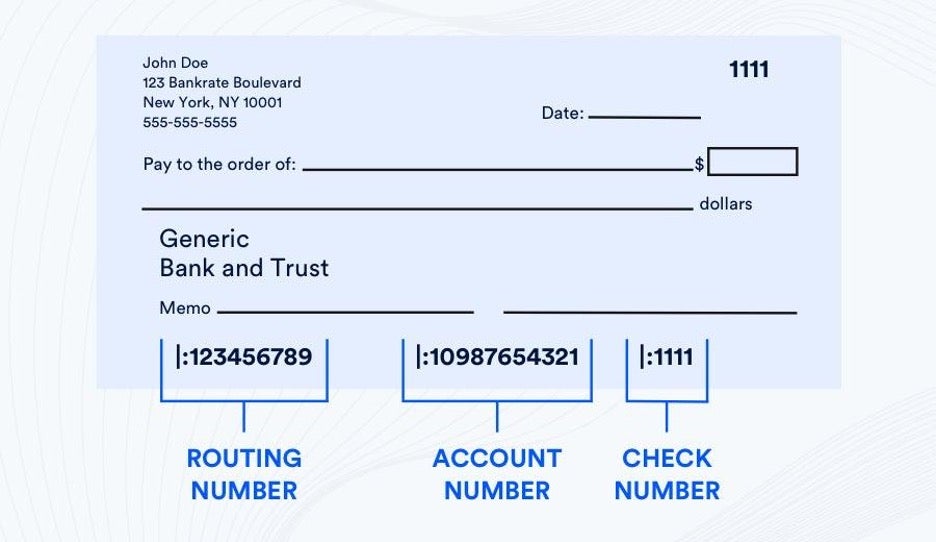
The account number, conversely, is unique to you. It identifies your specific checking, savings, or money market account within that institution. While everyone at a small local bank might share the same routing number, no two people share the same account number. When you are looking to find your account number, ensure you are not accidentally recording the routing number, which is usually positioned to the left of the account number on printed checks.
Why Your Account Number is the “DNA” of Your Finances
Your account number is the foundational element of the Automated Clearing House (ACH) network. Because this number is tied directly to your liquid assets, it carries a higher level of sensitivity than a credit card number. Unlike a credit card, which can be easily canceled and replaced with a new number if compromised, changing a primary bank account number is a laborious process that involves rerouting all automatic payments and deposits. Recognizing the importance of this number is the first step toward managing it with the professional care it requires.
Physical Methods to Locate Your Account Information
Even in an increasingly paperless world, physical documentation remains one of the most reliable ways to find your account number. Banks continue to provide hard-copy anchors for your financial data that are indispensable during outages or digital access issues.
Deciphering the Standard Paper Check
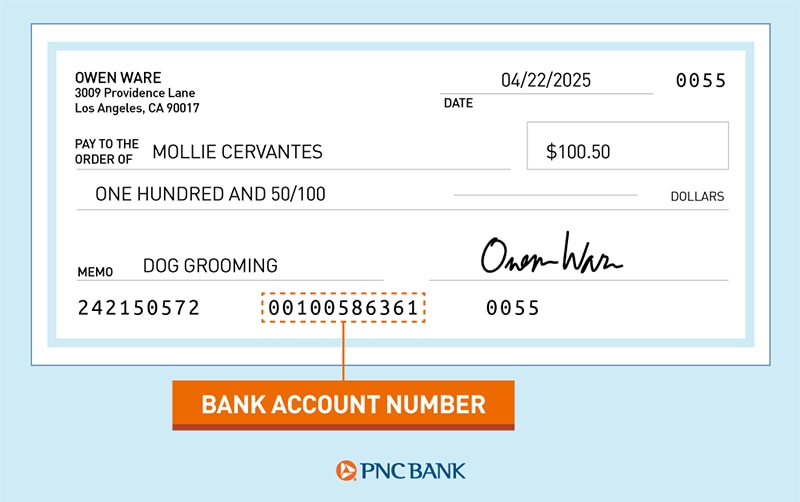
If you still use a checkbook, the easiest way to find your account number is to look at the bottom of any check. At the bottom of a standard personal check, you will see a series of numbers printed in a special font known as MICR (Magnetic Ink Character Recognition).
These numbers are typically arranged in three groups. The first group on the left is the nine-digit routing number. The middle group (or sometimes the group to the right) is your account number. It is usually followed by the check number itself. It is important to note that the account number can vary in length—anywhere from 8 to 12 digits is common—so you should include all digits in that specific string, including any leading zeros.
Reviewing Monthly Bank Statements
Your monthly bank statement is a legal record of your financial activity and a definitive source for your account number. Whether you receive these in the mail or download them as PDFs, the account number is prominently displayed, usually in the top right or left corner of the first page.
For security reasons, some banks may “mask” a portion of the account number on the statement (e.g., XXXXX1234). However, most full-sized monthly statements intended for the account holder’s records will display the full number. If the statement is masked, look for a “Summary of Accounts” section, which often provides the full details necessary for identification.
Utilizing Bank Correspondence and Welcome Kits
When you first opened your account, the bank likely provided a “Welcome Kit” or a “New Account Disclosure” packet. These documents are designed to be kept in your permanent records and contain the full account number, the specific type of account (e.g., High-Yield Savings vs. Basic Checking), and the terms of service. If you are a new customer and haven’t received checks or a statement yet, this original paperwork is your primary resource.

Leveraging Digital Platforms for Instant Access
As banking has migrated to the smartphone, the method of retrieving account information has become faster, though it requires navigating various user interfaces. Digital tools offer the most convenient way to find your account number on the go.
Navigating the Mobile Banking App
Most modern banking applications prioritize security, which means your account number is often hidden by default on the main dashboard. To find it, you typically need to tap on the specific account (e.g., “Primary Checking”) and look for a tab or icon labeled “Account Details,” “Details,” or “Settings.”
In many apps, the account number will appear as a series of dots or asterisks for privacy. You will likely need to tap an “eye” icon or a “Show” button to reveal the full string of digits. This extra step is a deliberate security feature designed to prevent shoulder-surfing in public places.
Accessing Electronic Statements (e-Statements)
If your mobile app’s dashboard only shows a masked version of your number, the “e-Statement” section is your best alternative. Within your online portal, there is usually a section dedicated to “Documents” or “Statements.” Opening a PDF of a recent statement through the secure portal will provide the unmasked account number. This is often the most “official” way to verify your number for third-party verification, such as when applying for a mortgage or setting up a significant wire transfer.
Customer Support and Secure Messaging
If you are unable to find the number through the UI, most banks offer a secure messaging center within their platform. You can request your account details through this encrypted channel. Note that for security reasons, bank representatives will rarely give out a full account number over a standard, unverified phone call unless you pass a rigorous multi-factor authentication process.
Protecting Your Sensitive Financial Data
Once you have located your account number, the focus must shift to security. Because this number can be used to withdraw funds via ACH transfers, it must be guarded with the same level of diligence as a Social Security number.
The Risks of Phishing and Social Engineering
Fraudsters often pose as bank officials or service providers (like utility companies) asking you to “verify” your account number. Legitimate institutions will never ask you to provide your full account number via an unsolicited email or text message. Always navigate directly to your bank’s official website or app to perform any requested verifications.
Secure Storage and Transmission
If you need to share your account number—for instance, with your HR department for payroll—use secure methods. Avoid sending the number in the body of a standard email. Instead, use an encrypted file sharing service or provide the information via a physical document or a secure corporate portal. If you write your account number down, ensure the paper is stored in a locked file cabinet or shredded once the information has been successfully used.
Monitoring for Unauthorized Transfers
Finding and knowing your account number also allows you to be a better watchdog over your finances. By knowing exactly which number is tied to which transactions, you can more easily spot anomalies. Regularly reconciling your statements against your known account numbers ensures that no “ghost” accounts have been attached to your identity.
Global and Specialized Account Tracking
For those involved in international business or complex investing, finding a standard account number is only part of the puzzle. The landscape of financial identification expands significantly when dealing with global markets.
IBAN and SWIFT Codes
If you are receiving money from abroad, a simple domestic account number is insufficient. You will need to find your International Bank Account Number (IBAN). The IBAN is an internationally agreed-upon system of identifying bank accounts across national borders. It includes your country code, check digits, and your specific bank account number. Most online banking portals have a specific section for “Global Transfers” where your IBAN and the bank’s SWIFT/BIC code are listed together.
Brokerage and Retirement Accounts
Finding an account number for an investment account (like a 401(k), IRA, or brokerage account) often follows a different protocol than a standard checking account. These numbers are frequently longer and may include alphanumeric characters. Because these accounts are not typically used for daily transactions, the numbers are often buried deeper in the “Account Profile” or “Tax Documents” section of the investment firm’s website. When transferring assets between brokerages (an ACATS transfer), having the exact, full account number is the only way to ensure your portfolio moves correctly without triggering unnecessary tax events.
Conclusion
Your account number is the cornerstone of your financial presence. Whether you find it at the bottom of a check, through a secure mobile app, or on a formal bank statement, knowing how to access this information quickly and securely is a vital component of modern money management. By understanding the distinction between routing and account numbers, utilizing digital tools responsibly, and maintaining strict security standards, you can navigate your financial life with confidence and precision. In an era of instant transactions, being the master of your own financial data is the best way to ensure long-term fiscal stability.
aViewFromTheCave is a participant in the Amazon Services LLC Associates Program, an affiliate advertising program designed to provide a means for sites to earn advertising fees by advertising and linking to Amazon.com. Amazon, the Amazon logo, AmazonSupply, and the AmazonSupply logo are trademarks of Amazon.com, Inc. or its affiliates. As an Amazon Associate we earn affiliate commissions from qualifying purchases.