
In the modern marketplace, the phrase “finding yourself” has migrated from the realm of philosophy and self-help into the core of commercial strategy. To find yourself in a branding context is to achieve a state of radical clarity regarding what a brand stands for, whom it serves, and why it deserves to exist in an overcrowded digital ecosystem. Whether applied to a global corporation or an individual professional, the process of finding one’s brand identity is the most significant investment an entity can make.
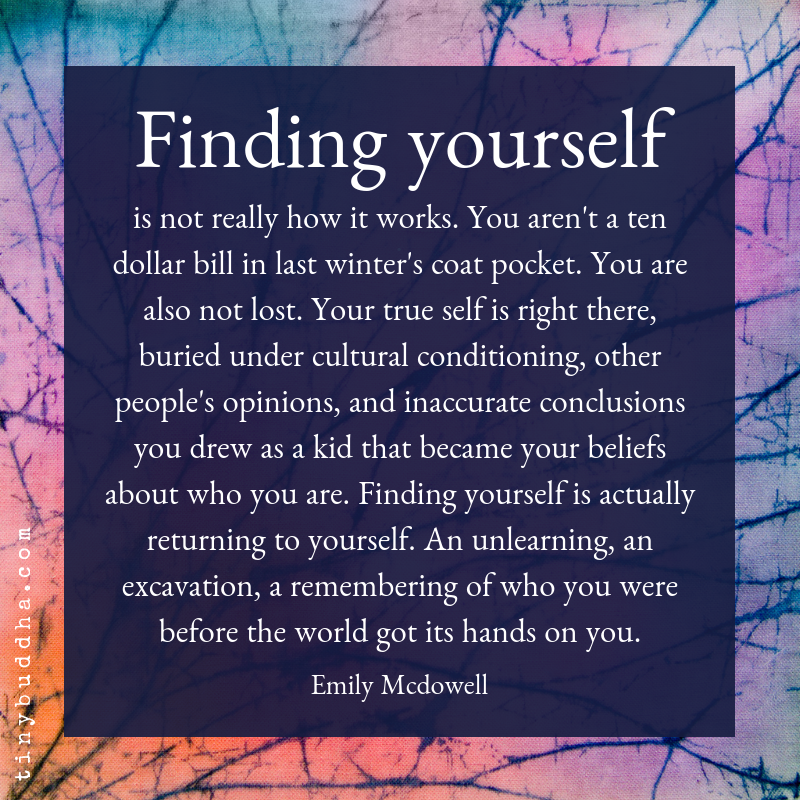
This journey of discovery is not about inventing a persona; it is about unearthing an authentic core and refining it into a strategic asset. When a brand “finds itself,” it moves from being a mere vendor of goods or services to becoming a symbol of a specific value system. In this article, we will explore the structural process of defining brand identity, the strategic importance of finding a unique value proposition, and the evolution of personal branding in a “human-to-human” economy.
The Essence of Identity: Defining the Brand Soul
At the heart of every successful brand lies a “soul”—a set of immutable characteristics that dictate how the brand behaves, speaks, and makes decisions. Finding yourself as a brand requires looking inward before looking at the market. Without this internal foundation, any marketing effort is merely a temporary facade.
Beyond the Logo: The Core Values Framework
Many organizations mistake visual assets—logos, color palettes, and typography—for the brand itself. However, finding a brand’s identity starts with defining its core values. These are the non-negotiable principles that guide the company’s culture and external interactions.
To identify these values, leadership must ask: What does this brand stand for when there is no profit on the line? A brand that finds its values gains a “moral compass” that simplifies decision-making. For example, if “transparency” is a core value, the brand’s response to a product failure is already predetermined. This clarity builds trust with consumers, who are increasingly looking to align their spending with their personal ethics.
The “Why” Factor: Purpose-Driven Positioning
Following the framework popularized by Simon Sinek, finding a brand’s identity requires identifying the “Why.” Most companies know what they do and how they do it, but few can articulate why they exist beyond making a profit.
Finding your “Why” involves identifying the specific problem the brand is passionate about solving. Is the brand’s purpose to democratize information, to simplify complex workflows, or to inspire adventure? When a brand finds its purpose, its marketing ceases to be a sales pitch and becomes a mission statement. This resonance is what transforms casual customers into brand advocates.
Navigating the Market Landscape: Finding Your Unique Value Proposition (UVP)
Once the internal identity is established, “finding yourself” shifts to an external focus. In a competitive market, identity is defined not just by who you are, but by how you are different from everyone else. This is the search for the Unique Value Proposition (UVP).
Competitive Auditing and the Search for White Space
To find your place in the market, you must first map the territory. A thorough competitive audit reveals what other brands are claiming. The goal is not to mimic the market leader but to find the “white space”—the unmet needs or ignored segments of the audience.
Finding yourself in this context means identifying the intersection of what your brand does best and what the competition is failing to provide. If the market is saturated with “luxury and exclusive” options, perhaps your brand finds itself by being “accessible and inclusive.” This strategic differentiation ensures that the brand isn’t just another voice in the noise, but a distinct alternative.
Mirroring the Audience: Resonance over Reach
A brand cannot be everything to everyone. Finding yourself necessitates the “courage to exclude.” By defining a narrow target audience, a brand can tailor its identity to resonate deeply with a specific demographic.
This process involves creating detailed buyer personas that go beyond demographics into psychographics—understanding the audience’s fears, aspirations, and daily challenges. When a brand “finds itself” in the eyes of its audience, the customer feels a sense of recognition. They don’t just see a product; they see a reflection of their own identity. This emotional resonance is the highest form of brand loyalty.
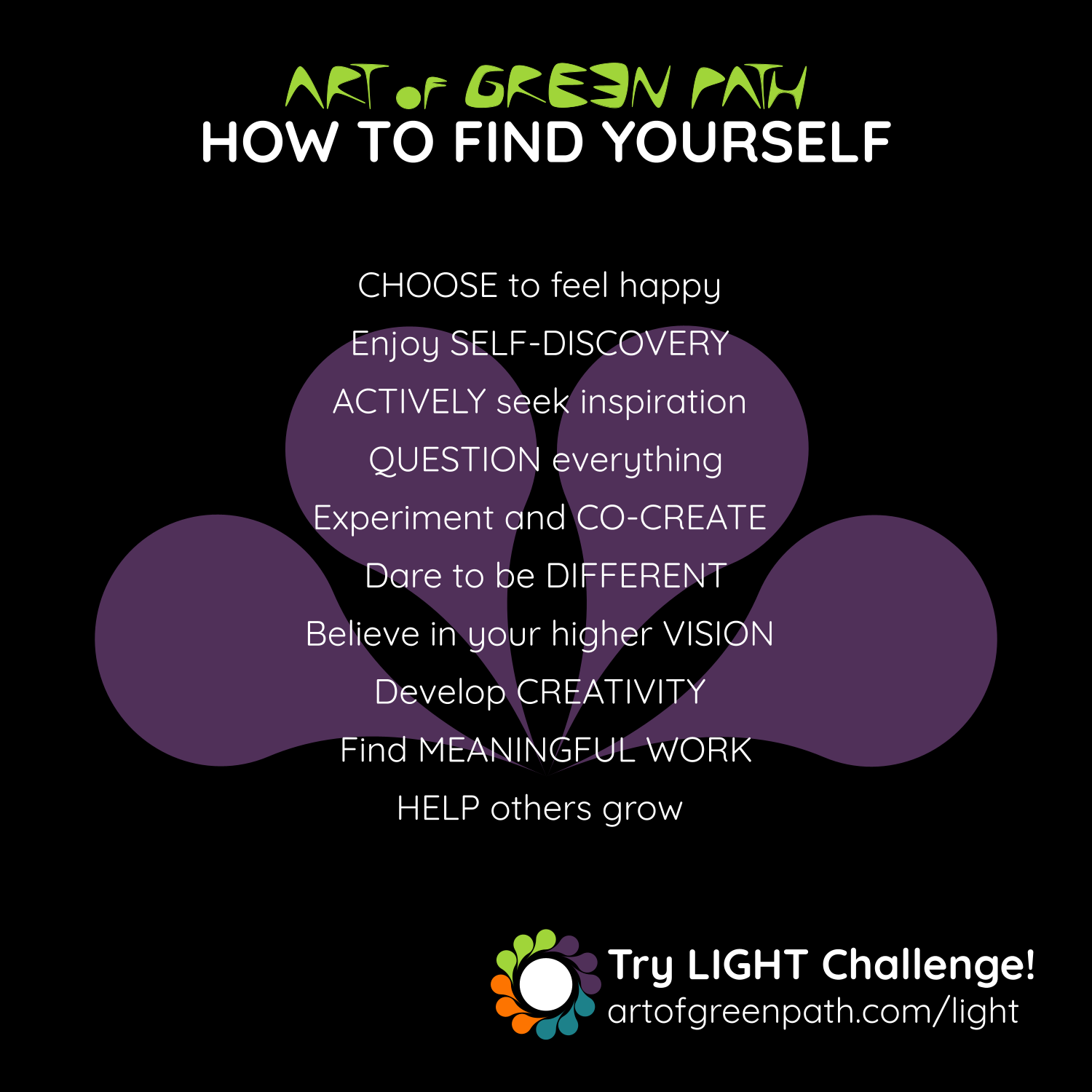
The Evolution of Personal Branding: Finding the Human Behind the Professional
In the digital age, the concept of “finding yourself” is perhaps most literal in the context of personal branding. For entrepreneurs, executives, and creators, the personal brand is the bridge between their individual expertise and their professional opportunities.
Authenticity as a Strategic Asset
For a long time, professional identity was synonymous with a polished, corporate mask. Today, finding your personal brand means stripping away that mask in favor of authenticity. Authenticity is not about oversharing; it is about the strategic alignment of one’s public persona with their true skills and personality.
In a world of AI-generated content and automated interactions, humans crave connection with other humans. Finding your authentic professional voice allows you to build “social capital.” When you are clear about your perspective and unapologetic about your expertise, you attract opportunities that are a natural fit for your strengths, rather than struggling to fit into roles that demand a different version of you.
Narrative Arc: Crafting Your Professional Origin Story
Every personal brand needs a story. “Finding yourself” as a professional often involves looking back at your career trajectory to identify the common threads. What were the pivot points? What were the failures that led to growth?
A well-crafted origin story humanizes the brand. It provides context for your expertise and makes your values tangible. By sharing the “struggle and success” narrative, you provide a roadmap for others to follow. This narrative doesn’t just tell people what you do; it tells them who you are, making you memorable in a sea of identical LinkedIn profiles.
Sustaining the Discovery: Brand Consistency and Longevity
Finding yourself is not a one-time event; it is an ongoing process of refinement. Once the core identity and market position are established, the challenge shifts to maintenance and evolution.
The Visual and Verbal Identity System
To ensure the world sees the brand as it sees itself, there must be a rigorous system of consistency. This is where the visual and verbal identity comes into play. A brand that has truly “found itself” has a recognizable “tone of voice.” Whether the communication is a 280-character tweet or a 50-page annual report, the personality remains constant.
Visual consistency—through a unified design language—acts as a shorthand for the brand’s identity. When a consumer sees a specific shade of blue or a particular style of photography, they should immediately sense the brand’s presence. This consistency reinforces the identity every time a consumer interacts with the brand, building a “mental real estate” that is difficult for competitors to displace.
Adapting Without Losing the Core
The market is dynamic, and brands must evolve to stay relevant. However, there is a fine line between evolution and losing one’s identity. Finding yourself involves knowing which parts of the brand are “evergreen” and which are “flexible.”
A brand may change its product line, update its website, or enter new markets, but its core purpose should remain stable. If a brand pivots too drastically away from its found identity, it risks alienating its core audience and losing the trust it worked so hard to build. True brand longevity comes from the ability to adapt to new technologies and consumer behaviors while remaining anchored in the original “Why.”

Conclusion: The Strategic Reward of Self-Discovery
To find yourself in the world of branding is to move from a state of ambiguity to a state of authority. It is the process of defining your soul, locating your market niche, and presenting an authentic face to the world. While the journey requires deep introspection and sometimes difficult strategic choices, the rewards are profound.
A brand that knows itself operates with higher efficiency, communicates with greater impact, and builds deeper relationships with its audience. In an era where consumers are overwhelmed with choice, the brands that stand out are those that have done the hard work of self-discovery. They are the brands that don’t just sell; they lead, they inspire, and they endure. Finding yourself isn’t just a personal milestone—it is the ultimate competitive advantage.
aViewFromTheCave is a participant in the Amazon Services LLC Associates Program, an affiliate advertising program designed to provide a means for sites to earn advertising fees by advertising and linking to Amazon.com. Amazon, the Amazon logo, AmazonSupply, and the AmazonSupply logo are trademarks of Amazon.com, Inc. or its affiliates. As an Amazon Associate we earn affiliate commissions from qualifying purchases.