
In the contemporary digital landscape, a brand’s existence is often validated by its visibility on a search engine results page (SERP). When a consumer encounters a problem or develops a need, their first instinct is rarely to consult a physical directory or wait for a television commercial; they turn to a search engine. Search marketing is the comprehensive discipline of ensuring that when those queries happen, your brand is not only present but positioned as the definitive solution.
From a brand strategy perspective, search marketing is much more than a technical exercise in keywords and algorithms. It is an essential component of corporate identity and market positioning. It represents the intersection of consumer intent and brand promise. By mastering search marketing, organizations can build authority, foster trust, and drive sustainable growth in an increasingly crowded marketplace.

Understanding Search Marketing in the Context of Brand Strategy
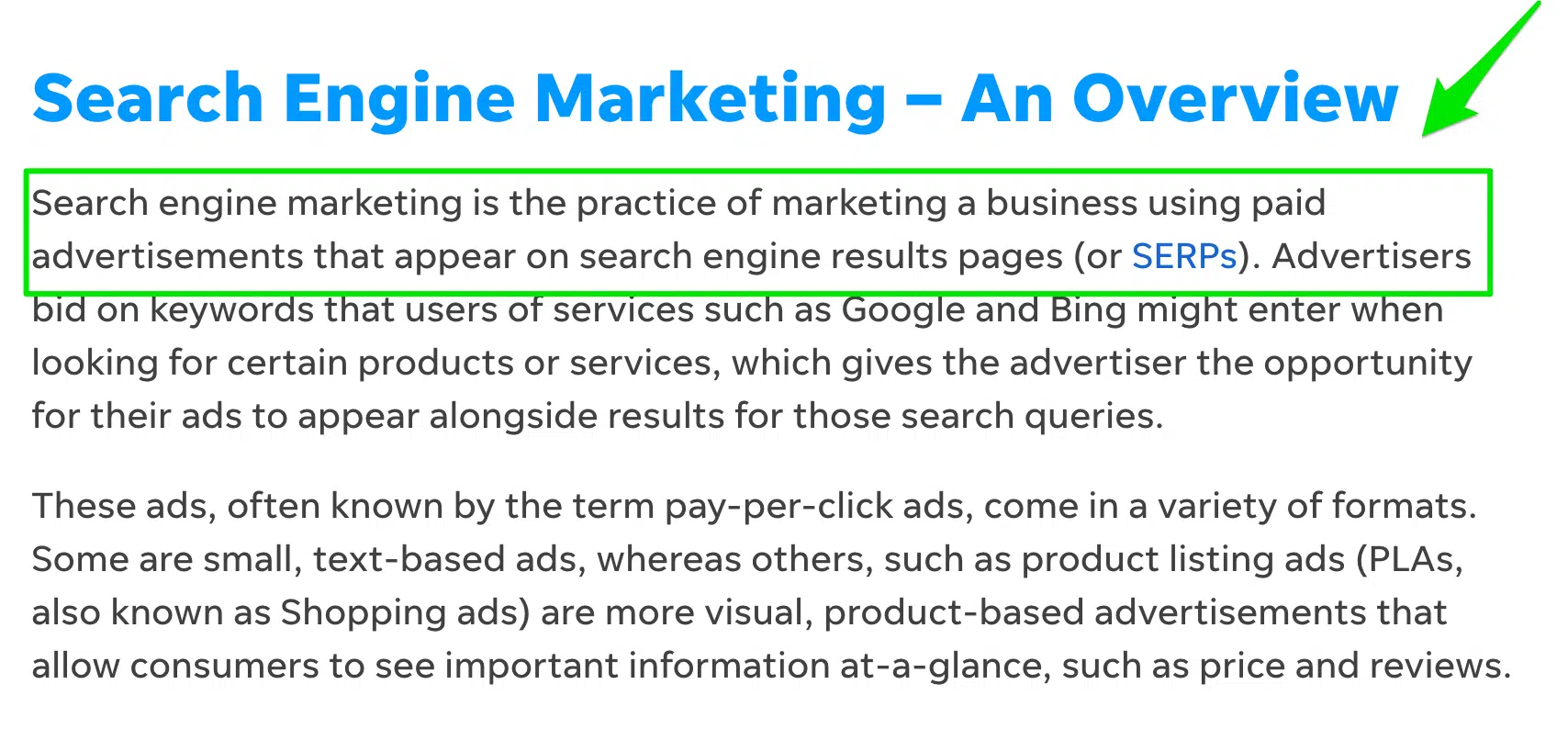
Search Marketing, often referred to under the umbrella of Search Engine Marketing (SEM), is the process of gaining traffic and visibility from search engines through both paid and unpaid efforts. While many marketers used to separate “Search” from “Branding,” the two are now inextricably linked. Every time a brand appears in a search result, it sends a signal about its relevance and stature.
Defining the Core Components: SEO meets PPC
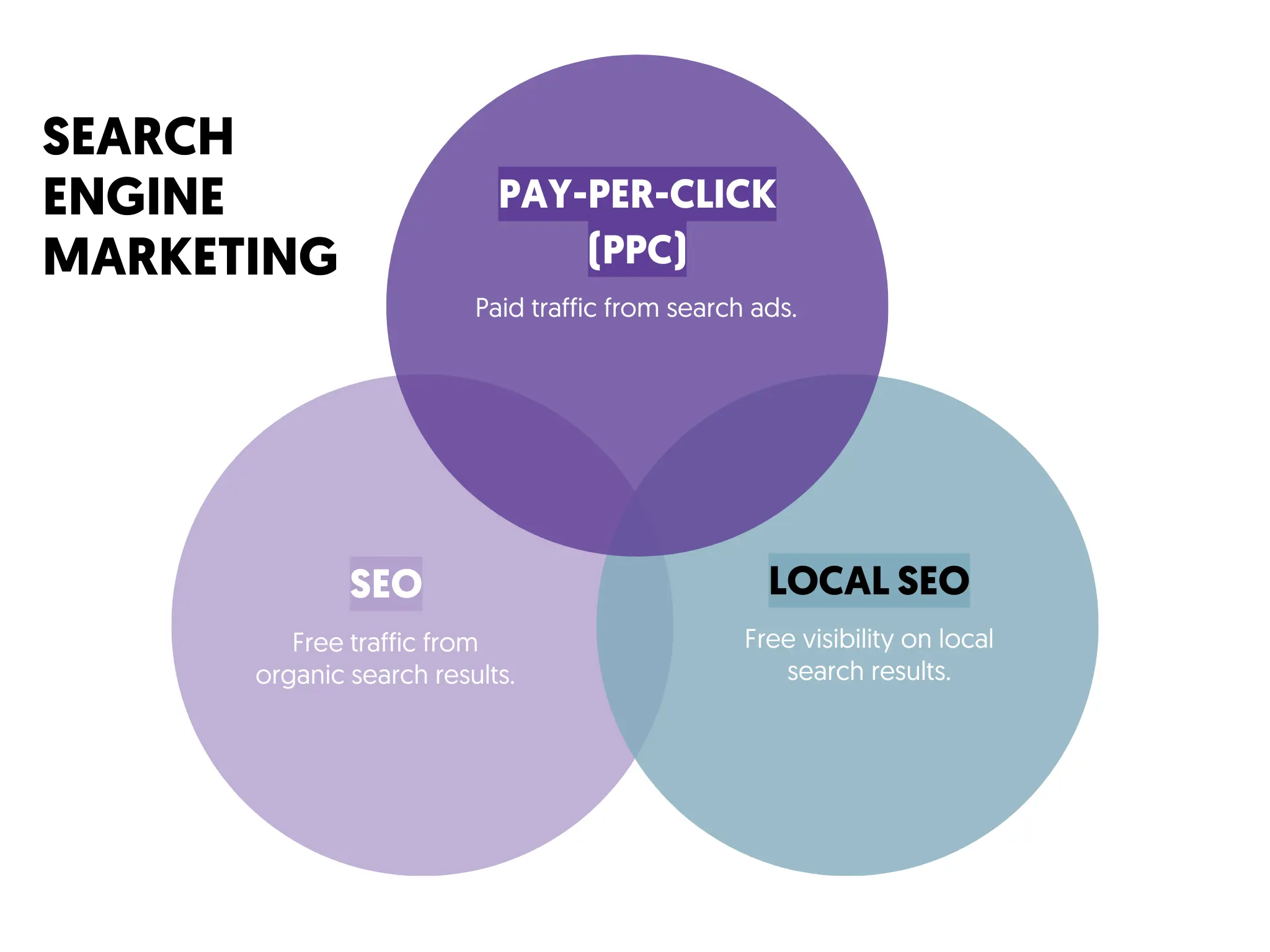
Search marketing is traditionally divided into two primary pillars: Search Engine Optimization (SEO) and Pay-Per-Click (PPC) advertising.
SEO is the practice of optimizing a website’s content, structure, and technical health to earn high rankings in organic (unpaid) search results. In terms of brand strategy, SEO is the long-term investment in digital real estate. It is about building a foundation of “earned” media that reflects the brand’s expertise and reliability.
PPC, on the other hand, involves paying for top-tier placement on the SERP. This is “bought” media. From a branding perspective, PPC allows a company to control the narrative immediately. It provides a way to occupy the most prominent visual space on a user’s screen, ensuring that the brand remains “top of mind” even before the user scrolls down to organic listings.
The Role of Search in the Brand Ecosystem
A modern brand is not defined solely by its logo or its color palette; it is defined by the sum of its digital touchpoints. Search marketing acts as the connective tissue in this ecosystem. It bridges the gap between a brand’s social media presence, its content marketing efforts, and its final conversion points.
When search marketing is integrated into a broader brand strategy, it ensures consistency. If a brand positions itself as a “luxury, high-end provider” in its television ads, its search presence must reflect that same sophistication through high-quality landing pages and precise, professional ad copy. Disconnects in this area can lead to “brand friction,” where the consumer’s experience in search doesn’t match the promise made in other channels.
Building Corporate Identity Through Search Visibility
Corporate identity is built on the pillars of consistency and authority. Search marketing provides a unique platform to demonstrate these qualities to a global audience. When a brand consistently occupies the top positions for industry-defining terms, it achieves a “halo effect,” where the perceived quality of the brand increases simply because of its dominance in the search space.
Establishing Authority with Organic Search (SEO)
In the world of brand strategy, authority is currency. Google’s algorithms are increasingly focused on “E-E-A-T”—Experience, Expertise, Authoritativeness, and Trustworthiness. These are not just technical benchmarks; they are the core components of a strong brand reputation.
To rank well organically, a brand must produce high-quality, insightful content that answers the audience’s most pressing questions. This process forces a company to refine its “Brand Voice.” By becoming a thought leader through educational blog posts, whitepapers, and comprehensive guides, a brand moves from being a mere vendor to a trusted advisor. This organic authority is difficult for competitors to replicate and serves as a powerful barrier to entry in any niche.
Shaping Brand Perception with Paid Search (PPC)
While SEO builds authority over time, PPC allows for immediate perception management. Through paid search, a brand can choose exactly which keywords it wants to be associated with.
For instance, a company undergoing a brand pivot—perhaps moving from “budget-friendly” to “sustainable and premium”—can use PPC to bid on terms related to sustainability. By carefully crafting ad extensions and headlines, the brand can immediately begin associating its name with these new values in the minds of consumers. Furthermore, PPC provides “brand protection.” By bidding on their own brand name, companies ensure that competitors cannot hijack their traffic or misrepresent their identity at the very moment a consumer is looking for them specifically.
Integrating Search Marketing into the Customer Journey
The “marketing funnel” is a classic framework for understanding the customer journey, moving from awareness to consideration to conversion. Search marketing is unique because it provides specific tools and tactics for every single stage of this journey, allowing a brand to remain present throughout the entire decision-making process.
Capturing Intent: The Awareness Stage
The awareness stage is where search marketing performs its most vital “introductory” role. At this stage, users are often searching for broad, informational terms. They might not know your brand yet, but they have a problem that needs solving.
By targeting “top-of-funnel” keywords, a brand introduces itself as a helpful resource. The goal here isn’t necessarily an immediate sale; it’s about “Brand Recall.” If a user finds a helpful article on your site during their initial research, they are far more likely to recognize and trust your brand when they move further down the funnel.
Nurturing Trust: The Consideration Stage
In the consideration stage, the user knows what they need and is now comparing options. This is where search marketing shifts from broad information to specific value propositions.
Tactics like retargeting (displaying ads to users who have previously visited your site) are essential here. From a brand strategy perspective, this is about “persistence.” It reminds the consumer of the brand’s unique selling points (USPs) as they browse other sites or search for reviews. Search marketing during the consideration phase should focus on “comparative branding”—highlighting why your brand’s identity and values are superior to the competition.
Driving Action: The Conversion Stage
The conversion stage is the “bottom of the funnel.” Here, the user is searching for high-intent keywords like “buy [product name]” or “[brand] pricing.”
At this juncture, search marketing must be seamless. The transition from the search result to the landing page must be frictionless, reflecting a brand that is professional, efficient, and reliable. A well-optimized search strategy ensures that the “brand promise” made in the ad copy is fulfilled by a high-performing, easy-to-navigate website. In this final stage, search marketing isn’t just about the click; it’s about validating the consumer’s decision to trust your brand with their money.
Measuring the Brand Impact of Search Marketing
One of the greatest advantages of search marketing is its measurability. Unlike traditional billboard or radio advertising, every interaction in search marketing can be tracked and analyzed. However, for a brand strategist, the metrics go beyond simple “clicks.”
Key Performance Indicators (KPIs) for Brand Health
While conversion rates are important, brand-focused search marketing looks at specific KPIs to measure success:
- Share of Voice (SOV): This measures how often your brand appears in search results compared to your competitors. A high SOV in search is a direct indicator of market leadership.
- Branded Search Volume: An increase in the number of people searching specifically for your brand name is one of the clearest signs of successful brand-building efforts across all channels.
- Click-Through Rate (CTR) on Branded Terms: A high CTR suggests that your brand identity is strong and that consumers have a positive predisposition toward your name.
Long-term Growth vs. Short-term Gains
A common mistake in brand management is prioritizing short-term PPC wins over long-term SEO growth. A balanced search marketing strategy recognizes that while PPC can drive immediate revenue, organic SEO builds “Brand Equity.”
Brand equity is the value of your brand above and beyond your physical assets. By dominating organic search, a brand reduces its “customer acquisition cost” (CAC) over time. This creates a more sustainable business model where the brand’s reputation does the heavy lifting, rather than a constantly increasing ad budget.
The Future of Brand Presence in a Search-First World
As we look toward the future, the nature of search is evolving. Artificial Intelligence (AI), voice search, and visual search are changing how consumers interact with brands. In this new era, search marketing will become even more synonymous with brand strategy.
Brands will no longer just be “websites” found via text queries; they will be “entities” recognized by AI algorithms. This makes the “Brand Identity” more important than ever. A brand must have a clear, consistent story that search engines can parse and present to users in a variety of formats.
Ultimately, search marketing is the art of being “findable” in a world of infinite noise. For any brand looking to establish a lasting corporate identity, search marketing is not an optional add-on—it is the digital foundation upon which all modern brand success is built. By aligning search tactics with core brand values, organizations can ensure that they are not just visible, but truly impactful in the eyes of their target audience.
aViewFromTheCave is a participant in the Amazon Services LLC Associates Program, an affiliate advertising program designed to provide a means for sites to earn advertising fees by advertising and linking to Amazon.com. Amazon, the Amazon logo, AmazonSupply, and the AmazonSupply logo are trademarks of Amazon.com, Inc. or its affiliates. As an Amazon Associate we earn affiliate commissions from qualifying purchases.