
In an increasingly digitized world, the traditional barriers to entry for stock market investing have largely dissolved. Gone are the days when buying shares required a personal visit to a broker’s office or navigating complex phone calls. Today, empowered by technology, individual investors can access global markets from the comfort of their homes, often with just a few clicks. The ability to buy shares online has democratized investing, making it more accessible, affordable, and transparent for millions.
However, while the process has become simpler, the underlying principles of smart investing remain crucial. For newcomers, the digital landscape can still appear daunting, brimming with jargon, numerous platforms, and a myriad of investment choices. This comprehensive guide aims to demystify the process, providing a clear roadmap for anyone looking to embark on their online share-buying journey. From understanding the fundamentals to selecting the right platform and managing risks, we’ll cover everything you need to know to confidently buy shares online.

Understanding the Basics of Online Share Trading
Before diving into the mechanics of online trading, it’s essential to grasp the fundamental concepts that underpin the stock market. A solid understanding of these basics will empower you to make informed decisions and navigate the investment landscape more effectively.
What Are Shares (Stocks)?
At its core, a “share” or “stock” represents a unit of ownership in a company. When you buy a share, you become a part-owner of that company. Companies issue shares to raise capital for various purposes, such as expanding operations, research and development, or paying off debt. As a shareholder, you typically have certain rights, including the right to vote on company matters (for common stocks) and the potential to receive a portion of the company’s profits, known as dividends.
Why Invest in Shares?
People invest in shares primarily for two reasons: capital appreciation and dividends.
- Capital Appreciation: This refers to the increase in the value of your shares over time. If the company performs well and its business grows, investor confidence rises, demand for its shares increases, and consequently, the share price goes up. You can then sell your shares for more than you paid for them, realizing a profit.
- Dividends: Some companies distribute a portion of their earnings directly to shareholders in the form of dividends. These payments can be a regular source of income, often paid quarterly or annually, though not all companies pay dividends.
Key Concepts: Brokers, Exchanges, and Orders
To buy shares online, you’ll interact with several key entities and concepts:
- Stock Exchanges: These are marketplaces where shares are bought and sold. Examples include the New York Stock Exchange (NYSE), NASDAQ, and the London Stock Exchange (LSE). While you don’t directly buy from or sell to the exchange, it provides the regulated environment for transactions.
- Online Brokers: Since individual investors cannot directly trade on stock exchanges, they use brokers as intermediaries. An online broker provides a platform (website or app) through which you can place orders to buy or sell shares. They execute these orders on your behalf, often for a fee or commission.
- Market Order: This is an instruction to buy or sell a share immediately at the best available price in the market. While it ensures immediate execution, the final price might differ slightly from what you saw moments before, especially in volatile markets.
- Limit Order: This instruction specifies a maximum price you’re willing to pay to buy a share or a minimum price you’re willing to accept to sell a share. Your order will only be executed if the share reaches or crosses your specified limit price. This gives you more control over the price, but there’s no guarantee of execution.
Choosing the Right Online Brokerage Platform
The cornerstone of online share buying is selecting an appropriate brokerage platform. With a multitude of options available, each offering distinct features, fee structures, and tools, making the right choice is paramount to your investing success.
Types of Brokers
Online brokers generally fall into two categories:
- Discount Brokers: These platforms offer low commissions (often zero for stock trades) and provide self-directed trading tools. They are ideal for investors who are comfortable doing their own research and making their own investment decisions without much human intervention. Examples often include popular apps and larger online platforms.
- Full-Service Brokers: While less common for purely online share buying, some traditional firms offer online platforms alongside personalized advice, financial planning, and a broader range of products. They come with higher fees but cater to investors seeking comprehensive guidance and services. For the purpose of simply buying shares online, discount brokers are usually the go-to.
Key Factors to Consider
When evaluating online brokerage platforms, several factors should guide your decision:
- Fees and Commissions: Look beyond “commission-free” claims. While many brokers offer zero commissions on stock and ETF trades, watch out for other fees like inactivity fees, withdrawal fees, annual maintenance fees, or fees for specific types of investments (e.g., options, mutual funds). Lower fees mean more of your money goes into investments.
- Platform Features and User Interface: The platform should be intuitive and easy to navigate, especially for beginners. Does it offer a robust desktop experience, a user-friendly mobile app, or both? Evaluate the charting tools, technical indicators, and customization options if these are important to you.
- Research Tools and Educational Resources: A good broker provides access to research reports, market news, analyst ratings, and educational materials (articles, webinars, tutorials). These resources can be invaluable for understanding companies and market trends.
- Customer Support: How accessible and responsive is their customer service? Do they offer phone, email, and live chat support? Read reviews to gauge their reputation for resolving issues.
- Regulatory Compliance and Security: Ensure the broker is regulated by relevant financial authorities (e.g., SEC and FINRA in the US, FCA in the UK). Check if your account is protected by investor protection schemes (e.g., SIPC in the US, FSCS in the UK) in case the brokerage firm fails. Strong encryption and two-factor authentication are also crucial for your security.
- Minimum Deposit Requirements: Some brokers have minimum deposit requirements to open an account or to access certain features. If you’re starting with a small amount, look for platforms with no or low minimums.
Popular Online Brokerage Platforms (Examples)
While specific recommendations can change, some widely recognized platforms that often score well in different categories include:
- Fidelity: Known for extensive research, low fees, and a wide range of investment products.
- Charles Schwab: Offers a comprehensive platform, strong customer service, and diverse investment options.
- E*TRADE: A popular choice with a solid platform, good research, and diverse tools.
- Interactive Brokers: Often preferred by active traders for its low costs and advanced features, though it can be complex for beginners.
- Robinhood: Known for its user-friendly interface and commission-free trading, often appealing to new investors (though it has faced scrutiny regarding trading practices and gamification).
- Vanguard: Favored for its low-cost ETFs and mutual funds, though its individual stock trading platform might be simpler.
It’s advisable to compare a few platforms based on your personal needs, budget, and investing style before committing.
The Step-by-Step Process of Buying Shares Online
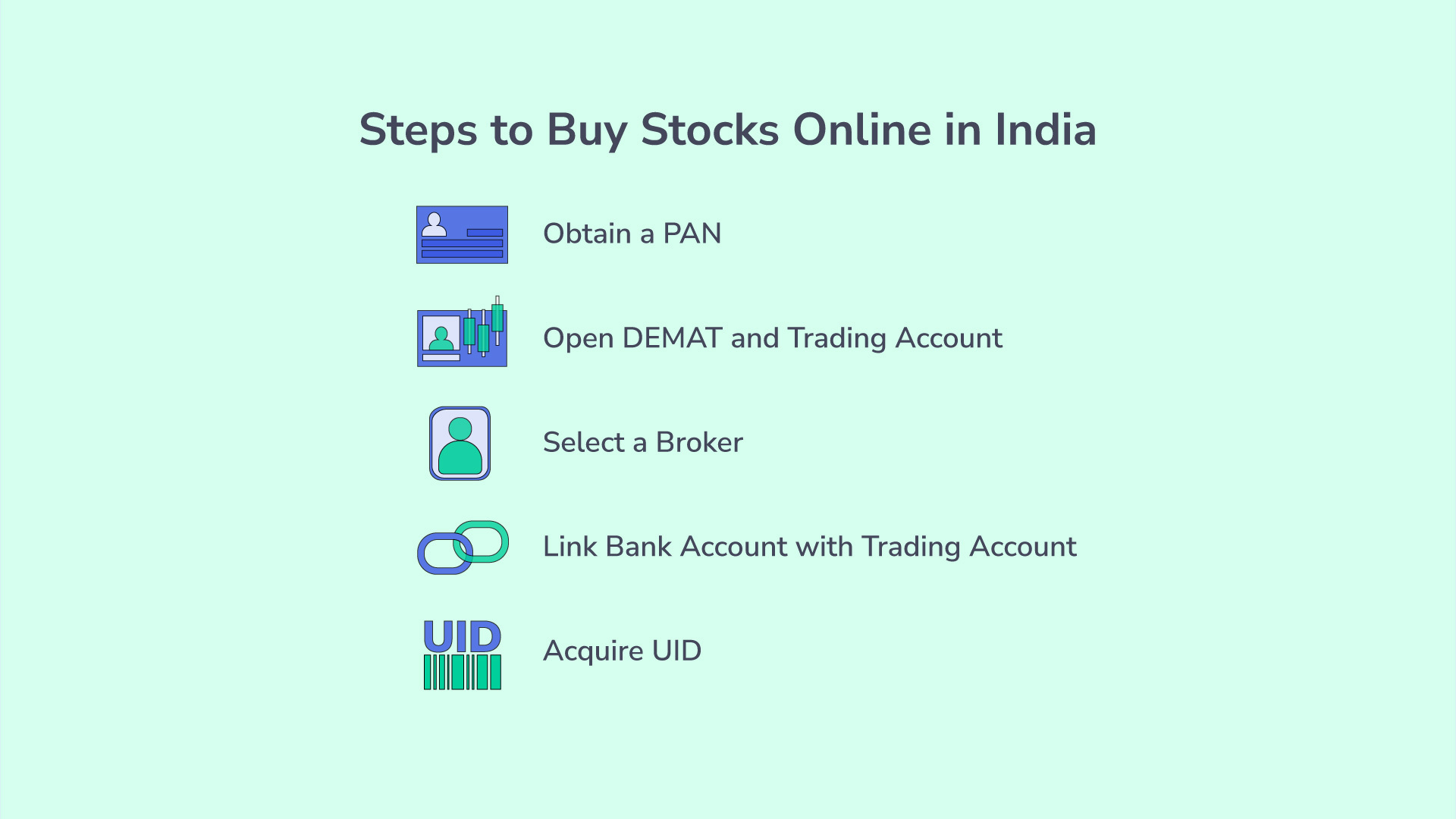
Once you’ve chosen a brokerage platform, the actual process of buying shares online is relatively straightforward. Following these steps will guide you from account setup to your first investment.
Opening and Funding Your Brokerage Account
- Select Your Broker: Based on your research, choose the broker that best fits your needs.
- Apply Online: Visit the broker’s website and initiate the account opening process. You’ll typically need to provide personal information such as your name, address, date of birth, social security number (or national identification number), and employment details. Be prepared to verify your identity by uploading documents like a driver’s license or passport.
- Choose Account Type: Decide whether you want a taxable brokerage account (most common for individual investors), a retirement account like an IRA (Individual Retirement Account) or 401(k), or another specialized account.
- Fund Your Account: Once approved, you’ll need to deposit money into your brokerage account. Common funding methods include:
- Electronic Funds Transfer (ACH): Linking your bank account for easy transfers (often free but can take a few days).
- Wire Transfer: Faster but usually comes with a fee.
- Check Deposit: Slower and less common for online trading.
- Rollover from Another Retirement Account: If applicable.
Researching and Selecting Shares
This is arguably the most critical step and requires patience and diligence. Don’t rush into buying shares based on hype or recommendations without your own research.
- Define Your Investment Goals: Are you investing for long-term growth, income (dividends), or a specific short-term gain?
- Understand Your Risk Tolerance: How much fluctuation in your investment value can you comfortably handle?
- Fundamental Analysis: Research a company’s financial health (revenue, earnings, debt), management team, competitive landscape, and future growth prospects. Look at financial statements like income statements, balance sheets, and cash flow statements.
- Technical Analysis: Some investors use charts and historical price patterns to identify potential buying or selling opportunities.
- Diversification: Instead of putting all your money into one stock, spread your investments across different companies, industries, and asset classes to reduce risk. Consider ETFs (Exchange-Traded Funds) as an easy way to achieve diversification.
- Utilize Broker’s Tools: Leverage the research reports, analyst ratings, news feeds, and screening tools provided by your online broker.
Placing Your First Order
Once you’ve identified a share you want to buy and have funds in your account, placing an order is straightforward:
- Log In: Access your brokerage account.
- Search for the Stock: Use the stock ticker symbol (e.g., AAPL for Apple) or company name to find the desired share.
- Enter Order Details:
- Action: Select “Buy.”
- Quantity: Specify how many shares you want to purchase.
- Order Type: Choose between a “Market Order” (for immediate execution at the current market price) or a “Limit Order” (to set a specific maximum price you’re willing to pay). For beginners, a limit order often provides more control.
- Time in Force: Decide how long your order should remain active (e.g., “Day” for end of trading day, “Good ‘Til Canceled” or GTC).
- Review and Confirm: Carefully review all the details of your order before submitting it. Ensure the company, quantity, and price are correct.
- Execute: Submit your order. You will receive a confirmation once the trade is executed.
Monitoring Your Investments
Buying shares is not a set-it-and-forget-it endeavor. Regularly monitor your portfolio’s performance, stay updated on company news and market trends, and be prepared to adjust your strategy as needed. Most online brokers provide portfolio tracking tools, performance reports, and customizable alerts.
Essential Considerations and Risk Management
Investing in shares, while offering significant growth potential, also carries inherent risks. A prudent approach involves not only understanding how to buy shares but also how to manage the associated risks effectively.
Diversification: Don’t Put All Your Eggs in One Basket
This is perhaps the most fundamental principle of risk management in investing. By spreading your investments across various companies, industries, and even different asset classes (like bonds or real estate), you reduce the impact of any single investment performing poorly. If one stock in your portfolio declines significantly, others might remain stable or even increase, buffering your overall losses. Exchange-Traded Funds (ETFs) and mutual funds offer instant diversification by investing in a basket of securities.
Understanding Market Volatility
Stock markets are inherently volatile. Prices can fluctuate significantly in response to economic news, company announcements, geopolitical events, or shifts in investor sentiment.
- Short-Term vs. Long-Term: While short-term volatility can be unnerving, long-term investors often ride out these fluctuations, confident in the market’s historical tendency to trend upwards over extended periods.
- Emotional Investing: Avoid making rash decisions based on fear or greed. Panicking during market downturns and selling everything often leads to locking in losses. Similarly, chasing rapidly rising stocks based on hype can be risky. Develop a disciplined investing strategy and stick to it.
Long-Term vs. Short-Term Investing
- Long-Term Investing: This strategy involves holding shares for many years (often 5+ years) with the expectation that the company will grow and its stock price will appreciate over time. It minimizes the impact of short-term market noise and often benefits from compounding returns. Most financial advisors recommend this approach for individual wealth building.
- Short-Term Trading: This involves buying and selling shares rapidly, often within days, hours, or even minutes, to profit from small price movements. It is highly speculative, requires significant time, skill, and capital, and carries much higher risks. It is generally not recommended for beginners.
Tax Implications of Investing
Profits from selling shares (capital gains) and dividends received are typically subject to taxes. The tax rate on capital gains can vary depending on how long you held the investment (short-term vs. long-term capital gains) and your income bracket. Dividend income is also taxed, often at different rates. It’s crucial to understand the tax laws in your jurisdiction and consider consulting a tax advisor to ensure you are compliant and optimize your tax strategy. Many brokers provide tax statements at the end of the year to help you report your gains and losses.
Continuous Learning and Due Diligence
The world of investing is dynamic, constantly evolving with new financial products, market trends, and economic shifts. To be a successful online investor, continuous learning is key. Read financial news, follow reputable financial publications, take online courses, and educate yourself on different investment strategies and economic principles. Before making any investment, always perform your own due diligence, rather than relying solely on tips or rumors.

Conclusion
The ability to buy shares online has opened up unprecedented opportunities for individual investors to participate in wealth creation. From the comfort of your home, you can now access global markets, research companies, and execute trades with remarkable ease. However, this accessibility comes with the responsibility of informed decision-making and prudent risk management.
By understanding the basic concepts of shares and the market, carefully selecting a reputable online brokerage platform, following a structured process for placing trades, and critically, by committing to continuous learning and diversified, long-term strategies, you can confidently navigate the world of online investing. Remember that investing is a journey, not a sprint. Start small, learn consistently, manage your emotions, and you will be well-equipped to build a robust financial future by buying shares online.
aViewFromTheCave is a participant in the Amazon Services LLC Associates Program, an affiliate advertising program designed to provide a means for sites to earn advertising fees by advertising and linking to Amazon.com. Amazon, the Amazon logo, AmazonSupply, and the AmazonSupply logo are trademarks of Amazon.com, Inc. or its affiliates. As an Amazon Associate we earn affiliate commissions from qualifying purchases.