
In the evolving landscape of interior design and architectural branding, few materials have enjoyed as meteoric a rise in popularity as shiplap. Once relegated to the exterior of coastal cottages and agricultural barns, shiplap has been successfully rebranded as a cornerstone of modern residential aesthetics. For design professionals, real estate developers, and homeowners looking to elevate their property value, understanding the identity and strategic application of shiplap is essential. It is more than just wood; it is a design element that communicates texture, history, and craftsmanship, all of which are vital components of a cohesive interior brand strategy.

The Architectural Identity of Shiplap
At its core, shiplap is a type of wooden board characterized by a specific joinery technique known as a “rabbet” joint. Each board features a groove cut into the top and bottom edges, allowing them to overlap seamlessly. When installed, these boards fit together to create a tight seal, historically designed to protect structures from the elements by shedding water.
Distinguishing Shiplap from Other Paneling
To maintain a professional standard in design, one must distinguish shiplap from tongue-and-groove or beadboard. Tongue-and-groove boards interlock via a protruding “tongue” that fits into a recessed “groove,” resulting in a flush, seamless surface. Shiplap, by contrast, creates a distinct horizontal or vertical reveal line—a small gap between the boards—that provides the hallmark shadow line synonymous with its brand identity. This visual “breathing room” is what architects utilize to add depth to minimalist spaces.
The Evolution from Utility to Aesthetic
Historically, shiplap was a utility-driven material used in the construction of ships and barns. Its transition into the interior design sector represents a classic case of brand repositioning. By shifting the context from exterior weatherproofing to interior feature-wall design, the material has been elevated from a commodity item to a design-forward product. This shift highlights how even the most utilitarian materials can be rebranded to satisfy modern consumer desires for rustic authenticity and clean lines.
Strategic Integration in Interior Design
The modern utilization of shiplap is a masterclass in spatial branding. Whether utilized in a high-end kitchen renovation or a boutique office space, the material acts as a visual anchor. When integrating shiplap into a project, the goal is to enhance the narrative of the space.
The Psychology of Texture and Shadow
In professional interior design, texture is used to dictate the “feel” of a room. Shiplap provides a linear, repetitive texture that draws the eye, effectively guiding the viewer’s perception of a space. Horizontal shiplap can make a room appear wider, while vertical shiplap can heighten the perceived ceiling elevation. From a marketing perspective, these visual cues are tools used to influence the prospective buyer’s emotional connection to a property.
Material Selection: Wood vs. Composite
While traditionalists advocate for reclaimed pine or cedar, the contemporary market offers a variety of materials under the “shiplap” umbrella. Medium Density Fiberboard (MDF) and PVC shiplap have gained traction due to their cost-effectiveness and durability in high-humidity areas like bathrooms. Choosing the right material is a strategic decision that balances the desired aesthetic “brand promise” of the project against the practical maintenance requirements of the environment.
Branding the “Shiplap Aesthetic”
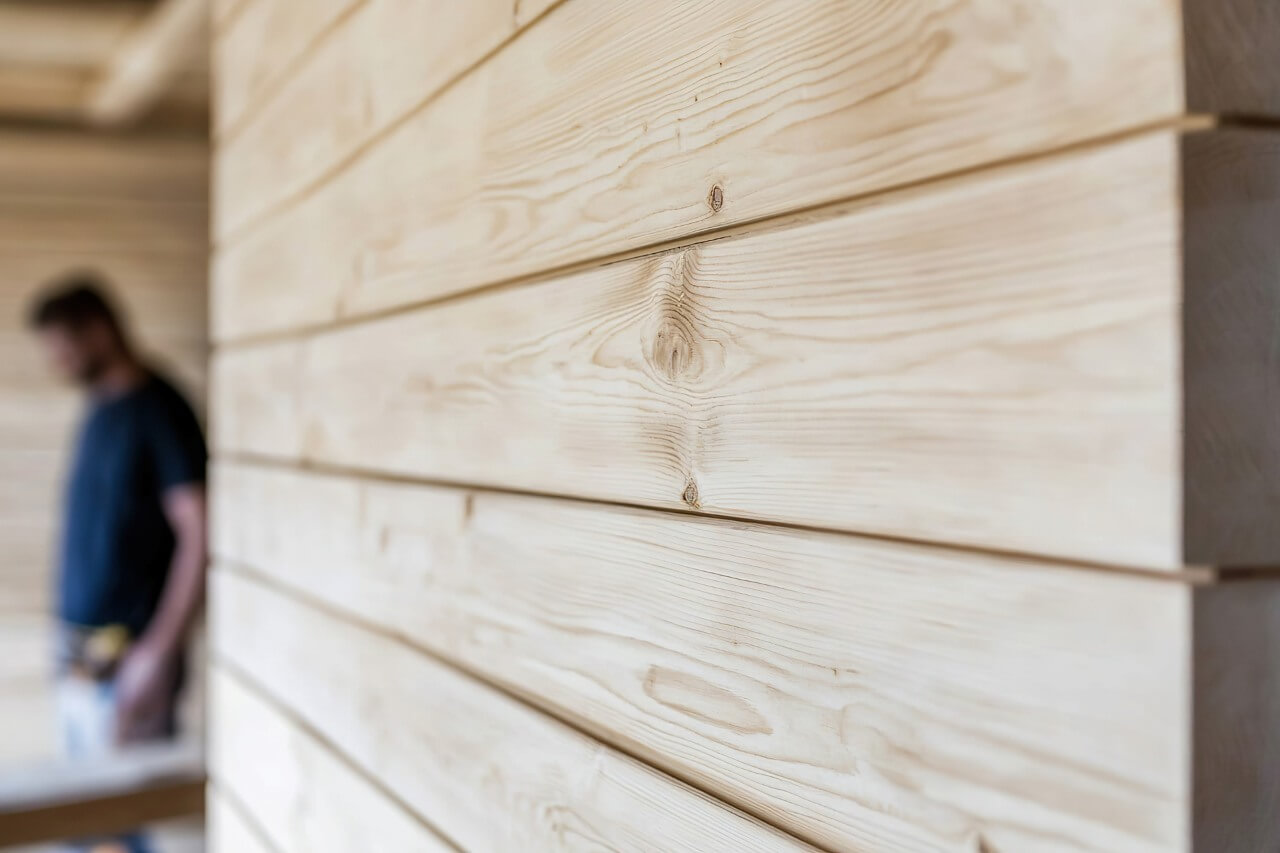
The resurgence of shiplap has been heavily influenced by the rise of home renovation media and digital marketing platforms. As a result, shiplap has become a shorthand for specific design archetypes, most notably the “Modern Farmhouse” style. Understanding this branding phenomenon allows professionals to leverage shiplap to communicate value and style quickly.
Defining the Modern Farmhouse Narrative
The modern farmhouse movement thrives on a tension between the rustic and the refined. Shiplap serves as the bridge between these two worlds. By painting shiplap in crisp, matte whites or deep, moody charcoals, designers can pivot the identity of a room from whimsical and cozy to sophisticated and industrial. This versatility is why shiplap remains a preferred choice for spec-home developers looking to appeal to a broad demographic while maintaining an “on-trend” appearance.
The Role of Color and Finish
The finish applied to shiplap is perhaps the most critical component of its brand identity. A natural, stained wood finish suggests warmth, heritage, and organic origins. A high-gloss painted finish, conversely, suggests modernity, precision, and high-end luxury. By carefully selecting the pigment, the designer controls the brand narrative of the house, ensuring the final result aligns with the intended market position of the project.
Strategic Installation and Value Proposition
Installation techniques for shiplap are not merely a technical concern; they are a direct indicator of quality and craftsmanship. In the competitive world of design and real estate, sloppy installation can undermine the perceived value of the entire project.
Precision as a Core Value
The hallmark of professional shiplap installation is the consistency of the reveal lines. If the spacing between the boards fluctuates, the aesthetic coherence of the wall is lost, and the “premium” feeling of the material evaporates. Furthermore, the use of appropriate trim, such as baseboards and crown molding, is necessary to frame the shiplap effectively. This “framing” process is effectively the final step in the branding of the wall—it sets the boundaries and provides a polished finish that signals high-level craftsmanship to the discerning observer.
Marketability and Resale Value
From a real estate investment perspective, shiplap is a high-yield design feature. It is a cost-effective way to add “architectural interest” to a room that might otherwise feel like a blank box. Because it has established such strong brand recognition, prospective buyers often identify shiplap as a desirable feature, potentially increasing the speed of sale and the final transaction price. Utilizing shiplap is, therefore, a low-risk, high-reward strategy for developers looking to increase the perceived value of their portfolio.
Future Trends and the Longevity of Shiplap
While some critics argue that shiplap is a trend nearing its expiration date, a more nuanced analysis suggests that it has evolved into a permanent feature of the design lexicon. Like subway tile or hardwood flooring, shiplap has moved beyond the “fad” stage to become a standard design element.
Adapting to Minimalist Trends
The future of shiplap lies in subtle, understated iterations. We are moving away from the “wall-to-wall” coverage of the early 2010s and toward more intentional, curated applications. Think of a single recessed alcove lined with shiplap or a kitchen island wrapped in vertical, thin-profile boards. By adapting the material to favor minimalist, intentional design, the product maintains its market relevance.

Sustainability and Material Branding
As the design industry pivots toward sustainability, the provenance of shiplap will become an increasingly important part of its branding. Marketing reclaimed or sustainably harvested timber as the source material for a shiplap feature wall provides a compelling “green” narrative that resonates with the modern, eco-conscious consumer. By aligning the material with broader societal shifts in environmental responsibility, architects and designers can continue to command a premium for their work, ensuring that shiplap remains a staple of the design landscape for years to come.
Ultimately, shiplap is more than just a wall covering; it is a versatile tool for design professionals to define, refine, and elevate the identity of their spaces. Whether used to evoke a sense of history or to provide a clean, modern frame for a room, its impact on the aesthetic and financial value of a project is undeniable. By treating shiplap as a strategic design element rather than a simple supply item, professionals can leverage its unique characteristics to deliver superior results in any interior project.
aViewFromTheCave is a participant in the Amazon Services LLC Associates Program, an affiliate advertising program designed to provide a means for sites to earn advertising fees by advertising and linking to Amazon.com. Amazon, the Amazon logo, AmazonSupply, and the AmazonSupply logo are trademarks of Amazon.com, Inc. or its affiliates. As an Amazon Associate we earn affiliate commissions from qualifying purchases.