
The persistent hum of financial markets is often punctuated by periods of profound volatility, a stark reminder that prosperity is rarely a linear path. The question of “if” the stock market will crash is largely rhetorical; history unequivocally demonstrates that corrections and bear markets are an inevitable part of the economic cycle. The more pressing, and often more elusive, questions are “when” and “why.” While precise timing remains a fool’s errand, understanding the underlying vulnerabilities and recurring patterns that precede significant downturns is crucial for investors, policymakers, and indeed, anyone with a vested interest in financial stability.
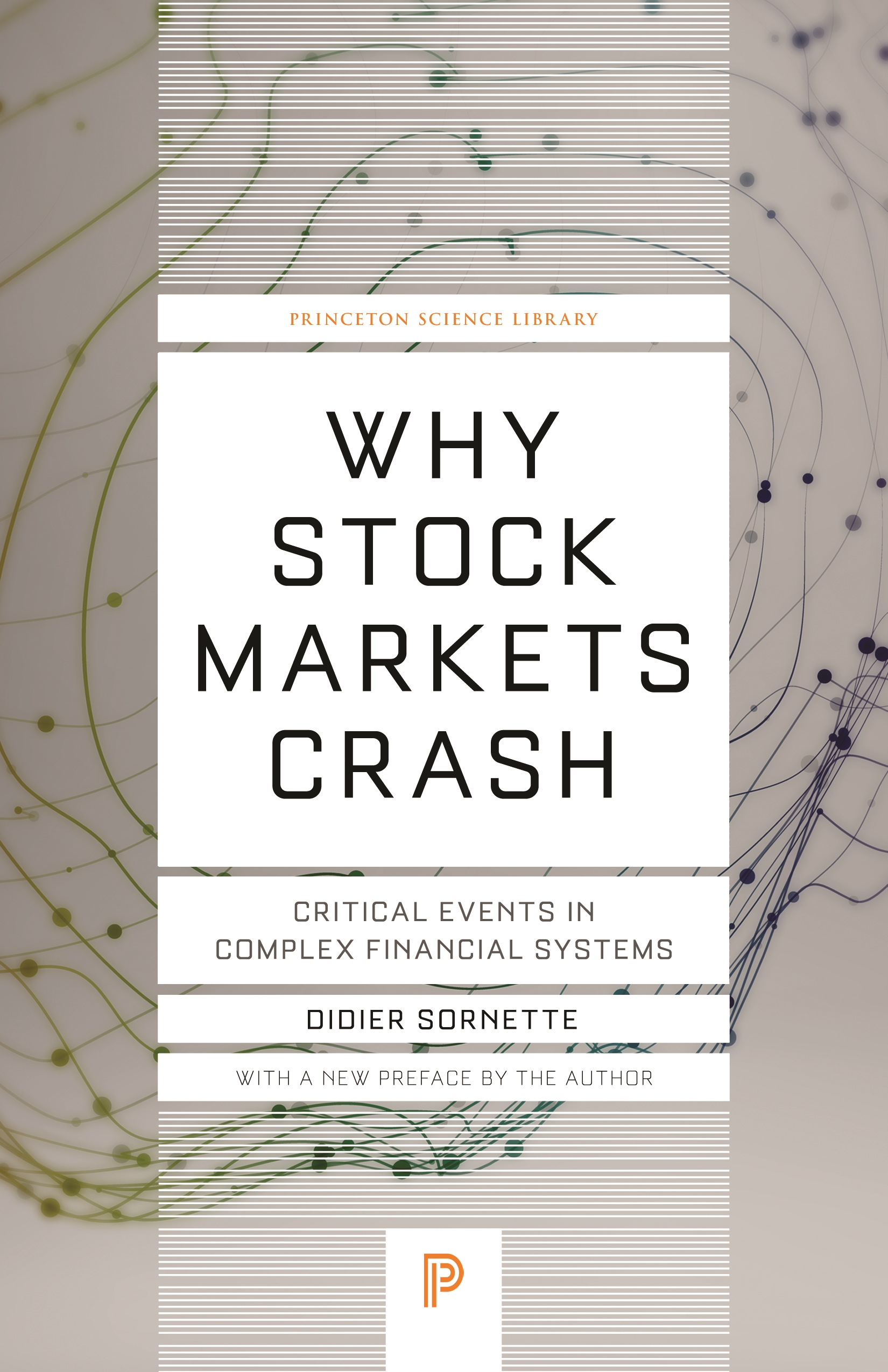
The journey of economic growth is cyclical, marked by expansion and contraction, boom and bust. A stock market crash, typically defined as a rapid, significant, and often unexpected decline in stock prices across a major market index, is not merely a blip; it’s a dramatic repricing of assets, often triggered by a confluence of economic, psychological, and geopolitical factors that have been brewing beneath the surface. It represents a collective loss of confidence, a sudden realization that valuations have become disconnected from underlying realities, or a reaction to an unforeseen shock. Examining these forces allows us to identify the fissures in the foundation of seemingly robust markets, helping to comprehend the intricate web of catalysts that could precipitate the next major downturn.
Historical Echoes and Cyclical Patterns: Lessons from the Past
History, while not repeating itself exactly, often rhymes with remarkable consistency, offering invaluable insights into the anatomy of financial crises. The study of past market crashes reveals recurring themes: periods of irrational exuberance, the proliferation of speculative bubbles, the build-up of excessive debt, and the eventual unwinding of these imbalances.
The Anatomy of Past Crashes: Bubbles and Reckonings
Consider the Great Depression, sparked by the Wall Street Crash of 1929. This was a period characterized by widespread speculation, margin buying, and a credit-fueled economy. The euphoria preceding the crash led to wildly inflated stock prices, detached from corporate earnings and economic fundamentals. When confidence faltered, the ensuing panic selling triggered a cascade that exposed deep structural weaknesses in the banking system and the broader economy, leading to a decade of hardship.
More recently, the Dot-Com Bubble burst in 2000 served as another poignant example. The late 1990s witnessed an explosion of internet-based companies, many with little to no revenue but astronomical valuations based on speculative future growth. Investors, fearing to miss out on “the new economy,” poured money into these ventures. When the reality of profitability (or lack thereof) began to set in, the bubble popped, wiping out trillions in market value and sending many tech darlings into oblivion. This episode highlighted the danger of speculative mania overriding fundamental analysis.
The 2008 Global Financial Crisis, on the other hand, was rooted in a different beast: an overleveraged housing market and complex financial instruments. A housing bubble fueled by subprime mortgages and lax lending standards eventually burst, leading to a domino effect through the financial system via mortgage-backed securities and collateralized debt obligations. This crash underscored the systemic risks posed by opaque financial products and interconnected global markets. In each instance, a period of perceived invincibility was followed by a sharp and painful repricing, demonstrating the market’s innate tendency to correct excesses.
Market Cycles and Mean Reversion
Financial markets are inherently cyclical. Periods of expansion and bull markets create an environment where risk appetite grows, valuations climb, and caution often diminishes. However, these periods inevitably sow the seeds of their own demise. As valuations stretch beyond historical averages, the “margin of safety” for investors shrinks. Mean reversion, the tendency for asset prices or returns to revert to their long-term average, is a powerful force. While the timing is unpredictable, stretched valuations across various metrics (like price-to-earnings ratios, market capitalization to GDP, or the Shiller PE ratio) often indicate that the market is “expensive” and therefore more vulnerable to a significant drawdown. A prolonged period of low volatility can also lull investors into a false sense of security, leading to greater risk-taking and ultimately, greater exposure when volatility inevitably returns.
Mounting Economic Headwinds: Present-Day Vulnerabilities
While history offers a template, the specific catalysts for a future crash will always be rooted in contemporary economic conditions. Today, several significant headwinds are gathering force, posing considerable risks to market stability.
Inflationary Pressures and Interest Rate Hikes
One of the most immediate and pervasive threats is persistent inflation. After decades of relative price stability, the global economy has contended with elevated inflation levels, driven by supply chain disruptions, unprecedented fiscal stimulus, and shifts in consumer demand. Central banks, particularly the U.S. Federal Reserve, have responded aggressively by raising interest rates to tame inflation. While necessary, higher interest rates have several profound implications for the stock market. They increase borrowing costs for businesses, potentially dampening corporate profits and investment. They also make bonds and other fixed-income assets more attractive relative to equities, drawing capital away from the stock market. Furthermore, a rapidly rising interest rate environment can expose vulnerabilities in highly leveraged companies and individuals, potentially triggering defaults and credit crunches.
Debt Overhangs: Corporate, Consumer, and Sovereign
Another significant vulnerability lies in the vast accumulation of debt across all sectors. Corporate debt levels have surged in recent years, often fueled by low interest rates. Many “zombie companies” – businesses that are barely able to cover their interest payments – have proliferated, sustained by cheap credit. When interest rates rise, these companies face an existential threat, potentially leading to bankruptcies and job losses.
Consumer debt, particularly credit card and auto loan debt, has also climbed, making households more susceptible to economic shocks. A weakening job market or rising rates could push many consumers into distress, impacting spending and aggregate demand. Lastly, sovereign debt levels in many nations are at historic highs. While not a direct stock market crash trigger, excessive government debt limits fiscal flexibility to respond to crises and can lead to concerns about long-term economic stability, potentially dampening investor confidence.
Real Estate Market Fragilities
The real estate market often acts as both a barometer and an accelerator of economic health. In many regions globally, housing prices have soared over the past decade, outpacing income growth and raising concerns about affordability and sustainability. High interest rates are now cooling these markets, but a sharp decline in real estate values could have ripple effects. Homeowners with large mortgages might see their equity disappear, reducing consumer wealth and spending. A downturn in commercial real estate, already facing challenges from remote work trends, could impact banks heavily exposed to property loans, potentially leading to a credit crunch.
The Digital Age and Algorithmic Trading: New Risks and Exacerbators
The technological revolution has fundamentally reshaped financial markets, introducing new efficiencies but also novel risks that can exacerbate downturns.
High-Frequency Trading and Flash Crashes
The advent of high-frequency trading (HFT) and algorithmic trading, where powerful computers execute millions of trades in milliseconds, has transformed market dynamics. While HFT can provide liquidity, it also introduces the risk of “flash crashes.” These are rapid, severe market declines that occur in minutes, often with no clear fundamental cause, due to automated selling triggered by algorithms. The May 6, 2010, Flash Crash, where the Dow Jones Industrial Average plummeted by nearly 1,000 points in minutes before recovering, demonstrated how interconnected and sensitive modern markets have become. In a genuinely stressed environment, such algorithmic cascades could amplify selling pressure, turning a correction into a full-blown crash.
Social Media and Information Cascades
The rapid dissemination of information (and misinformation) through social media platforms represents another modern risk. In an age where news breaks instantly, rumors and unverified reports can spread like wildfire, influencing investor sentiment and potentially triggering herd behavior. A negative headline or a viral post, regardless of its accuracy, can lead to panic selling among retail and even institutional investors, accelerating market declines beyond what fundamental analysis might dictate. The speed at which information travels leaves less time for reasoned analysis, making markets more prone to sentiment-driven volatility.
Geopolitical Instability and Unforeseen Shocks
Beyond economic fundamentals, the global political landscape and the increasing frequency of “black swan” events represent ever-present threats to financial stability.
Supply Chain Disruptions and Resource Scarcity
The fragility of global supply chains was starkly exposed during the COVID-19 pandemic and exacerbated by geopolitical conflicts. Dependencies on specific regions for critical components, energy, or raw materials mean that localized disruptions can have widespread economic consequences. A major conflict in a resource-rich region, an extreme weather event impacting agricultural output, or a trade war leading to tariffs and export bans can trigger inflation, reduce corporate earnings, and stifle economic growth, all of which are detrimental to stock market valuations. The ongoing energy transition also introduces complexities, as shifts away from fossil fuels can create volatility in energy markets.
International Conflicts and Trade Wars
Geopolitical tensions, whether between major powers or in strategically vital regions, cast a long shadow over financial markets. Full-blown international conflicts can disrupt global trade, trigger sanctions, displace populations, and divert resources, leading to significant economic contraction. Even the threat of such conflicts or sustained trade wars can create uncertainty, deter investment, and negatively impact corporate profitability, particularly for multinational companies. Investors typically seek stability, and a volatile geopolitical climate often leads to a flight to safety, away from riskier assets like stocks.
The Specter of Unpredictable Events
Finally, the world remains susceptible to “black swan” events – highly improbable, high-impact events that are nearly impossible to predict. The COVID-19 pandemic served as a stark reminder of how a non-financial shock can profoundly disrupt economies and markets globally. Future black swans could emerge from various sources: novel pandemics, catastrophic climate-related events (e.g., massive droughts, floods, or unprecedented heatwaves impacting global food supply or infrastructure), major cyberattacks on critical financial infrastructure, or rapid technological shifts that render entire industries obsolete. These events, by their very nature, are difficult to mitigate but underscore the inherent unpredictability and fragility of the global system.
Investor Psychology and Behavioral Biases: Fueling the Fire
Beneath all the economic and geopolitical factors lies the bedrock of human emotion, a powerful force that can amplify market swings and often serves as the final accelerant for a crash.
The Fear-Greed Cycle and Irrational Exuberance
Markets are driven not just by logic but by psychology. During bull markets, “greed” tends to dominate, leading to “irrational exuberance” where investors bid up asset prices beyond their intrinsic value, often fueled by the fear of missing out (FOMO). This creates speculative bubbles, where the market disconnects from fundamentals. When the tide turns, “fear” takes over, triggering panic selling as investors rush to exit positions, leading to a downward spiral. This emotional pendulum, swinging from extreme optimism to deep pessimism, often exacerbates both upswings and downturns.

Herding Behavior and Panic Selling
Humans are social creatures, and this translates into “herding behavior” in financial markets. Investors often follow the crowd, particularly during times of uncertainty. When a significant downturn begins, the initial selling can trigger more selling as others observe the trend and assume there’s a good reason for it, even if they don’t fully understand it. This collective rush to the exit can quickly overwhelm market liquidity, leading to rapid price declines and converting an orderly correction into a full-blown crash. The psychological phenomenon of confirmation bias, where investors seek out information that confirms their existing beliefs, can also blind them to warning signs during bull markets or amplify negative sentiment during downturns.
In conclusion, the question is not if the stock market will crash, but when and why. While predicting the precise timing of a crash is impossible, understanding the multitude of factors at play – historical patterns of speculation and debt, contemporary economic challenges like inflation and high interest rates, the amplifying effects of modern technology, the uncertainties of geopolitical instability, and the undeniable influence of human psychology – provides a comprehensive framework for recognizing the conditions that precede such an event. Investors would be wise to remain vigilant, diversify their portfolios, maintain a long-term perspective, and avoid being swept away by either excessive euphoria or debilitating fear, for it is in understanding these underlying mechanisms that one can best navigate the inherent volatility of financial markets.
aViewFromTheCave is a participant in the Amazon Services LLC Associates Program, an affiliate advertising program designed to provide a means for sites to earn advertising fees by advertising and linking to Amazon.com. Amazon, the Amazon logo, AmazonSupply, and the AmazonSupply logo are trademarks of Amazon.com, Inc. or its affiliates. As an Amazon Associate we earn affiliate commissions from qualifying purchases.