
The stock market, a complex ecosystem of sentiment, data, and future expectations, frequently experiences fluctuations that can leave investors questioning the immediate drivers of value loss. While a single, definitive reason for a market downturn on any given day is rare, a confluence of macroeconomic indicators, corporate performance updates, geopolitical events, and shifts in investor psychology often conspire to push prices lower. Understanding these intertwined factors is crucial for navigating market volatility and making informed investment decisions.
Macroeconomic Headwinds Weighing on Markets
One of the most potent forces influencing stock market direction is the broader macroeconomic environment. When the foundational elements of an economy show signs of weakness or instability, it creates a ripple effect that dampens corporate earnings expectations and investor confidence.
Persistent Inflationary Pressures
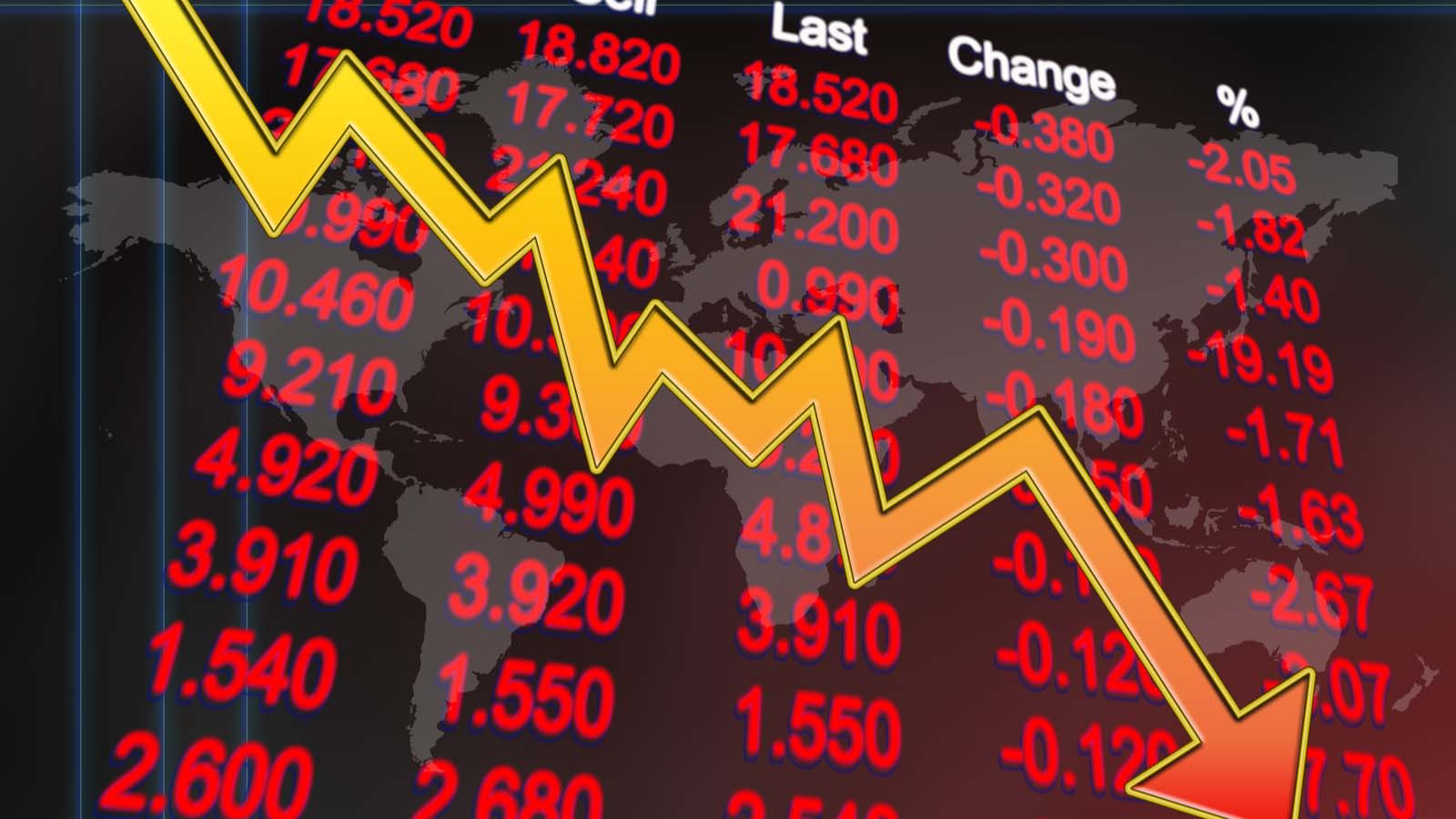
Inflation, particularly when it proves to be more persistent than anticipated, acts as a significant headwind for equity markets. Higher inflation erodes purchasing power, increasing the cost of goods and services for consumers and input costs for businesses. This squeeze on margins can translate directly into lower corporate profits. Furthermore, rampant inflation can necessitate aggressive responses from central banks, leading to higher interest rates. The market often reacts negatively to inflation data that exceeds forecasts, signaling potential further erosion of real returns and the likelihood of tighter monetary policy.
Central Bank Policy and Interest Rate Hikes
Central banks, such as the Federal Reserve in the United States or the European Central Bank, wield immense power over financial markets through their monetary policy decisions. When inflation is high, central banks typically respond by raising benchmark interest rates. Higher interest rates increase the cost of borrowing for companies, making it more expensive to finance expansion, research, and development, or even day-to-day operations. This often leads to a reassessment of future earnings and a downward revision of stock valuations, especially for growth-oriented companies whose future cash flows are discounted at a higher rate. Moreover, higher rates make fixed-income investments, like bonds, more attractive relative to equities, drawing capital away from the stock market.
Economic Growth Concerns and Recession Fears
Indicators of slowing economic growth, such as weaker-than-expected GDP reports, declining manufacturing output, or a downturn in consumer spending, can significantly contribute to a market sell-off. Investors constantly weigh the probability of a recession – a sustained period of economic contraction. During such periods, corporate earnings typically decline sharply, unemployment rises, and consumer demand weakens. The anticipation or confirmation of an economic slowdown directly impacts corporate profitability forecasts across almost all sectors, leading to broad-based selling as investors attempt to de-risk their portfolios. Employment data, specifically rising unemployment claims or a slowdown in job creation, is often watched closely as a leading indicator of economic health and can trigger market jitters.
Corporate Performance and Future Outlook
While macroeconomic factors paint the broad picture, the health and prospects of individual companies form the bedrock of stock valuations. Disappointing corporate news can cascade across entire sectors or even the broader market.
Disappointing Earnings Reports and Guidance
A company’s quarterly earnings report is a critical event for investors. When a company misses its earnings expectations, fails to meet revenue targets, or provides a pessimistic outlook (guidance) for future quarters, its stock price typically takes a hit. Such disappointments can signal underlying issues like weaker demand, increased competition, or operational inefficiencies. If several major companies or a critical sector (e.g., technology, financials) report poor results or lower their forecasts, it can drag down the entire market, as investors extrapolate these challenges across similar businesses. Supply chain disruptions, rising labor costs, and input price inflation are frequently cited reasons for earnings misses, directly impacting profitability.
Shifting Consumer Behavior and Demand
Consumer spending is a primary driver of economic activity and corporate profits. Shifts in consumer behavior, whether due to economic uncertainty, changing preferences, or the impact of inflation on discretionary income, can significantly affect companies, particularly those in retail, consumer discretionary, and hospitality sectors. A notable decline in consumer confidence or reported weakness in retail sales figures can trigger concerns about future revenue streams for a wide array of businesses, leading to a broader market decline. For instance, if inflation pushes consumers to prioritize necessities, companies selling non-essential goods and services may see a sharp drop in demand, impacting their stock performance.
Geopolitical Instability and Global Events
Beyond the economy and corporate balance sheets, the geopolitical landscape plays an increasingly significant role in market dynamics. Instability can introduce uncertainty and risk that is difficult to quantify, often leading to a flight to safety.
International Conflicts and Political Uncertainty
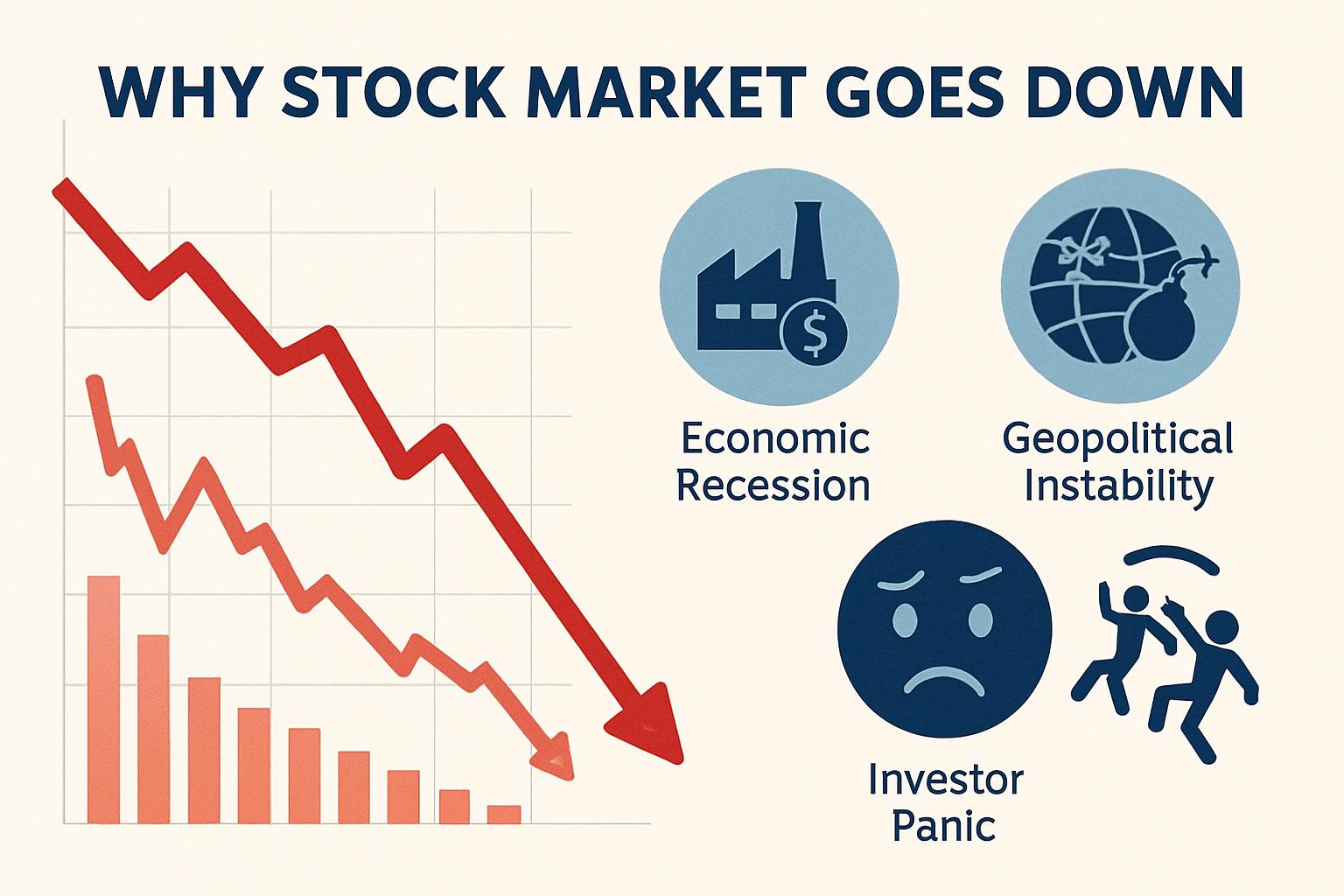
Geopolitical tensions, such as ongoing conflicts, trade wars, or significant political instability in key regions, can trigger market downturns. These events create uncertainty, disrupt global supply chains, and can escalate into broader economic challenges. For example, conflicts can lead to energy price spikes, divert government spending, or damage international trade relations, all of which negatively impact corporate profits and global economic growth. The fear of escalation or the long-term consequences of such events often leads investors to sell off riskier assets like stocks in favor of safer havens like gold or government bonds.
Energy Shocks and Commodity Price Volatility
Sudden and significant changes in commodity prices, particularly energy prices (oil, natural gas), can have a profound impact on the stock market. An unexpected surge in oil prices, often triggered by geopolitical events or supply disruptions, increases transportation and production costs for nearly all businesses, leading to higher inflation and reduced corporate profitability. Conversely, a sharp drop in commodity prices, while beneficial for some sectors, can signal weakening global demand or pose significant challenges for energy-producing companies and nations, leading to sector-specific or broader market declines. Volatility in these essential inputs creates an environment of unpredictability that equity markets dislike.
Investor Sentiment and Technical Pressures
Market movements are not solely driven by fundamentals; investor psychology and technical trading patterns also play a critical role, especially in the short term.
Fear, Uncertainty, and Market Psychology
Investor sentiment is a powerful, albeit often irrational, force in the stock market. During periods of heightened uncertainty, fear can quickly spread, leading to panic selling. News cycles, social media, and herd mentality can amplify negative sentiment, creating a downward spiral even if underlying fundamentals haven’t drastically changed. The CBOE Volatility Index (VIX), often called the “fear index,” tends to spike during market downturns, reflecting the increased demand for options to hedge against further losses. This psychological component can exacerbate declines, turning a measured correction into a more significant sell-off.
Technical Breakdowns and Algorithmic Trading
Technical analysis, which involves studying past market data, primarily price and volume, to identify patterns and predict future price movements, can also contribute to daily market shifts. When key support levels (price points where buying interest has historically emerged) are broken, it can trigger further selling as traders and algorithms programmed to react to these signals unload positions. The increasing prevalence of algorithmic and high-frequency trading means that programmed responses to news, technical indicators, or even small price movements can rapidly accelerate market downturns, creating momentum that can be difficult for human traders to counter in the short term.
Navigating Market Volatility: A Prudent Approach for Investors
When stocks are down, the natural inclination can be to panic. However, a strategic, long-term perspective is often the most beneficial approach.
Maintaining a Long-Term Investment Horizon
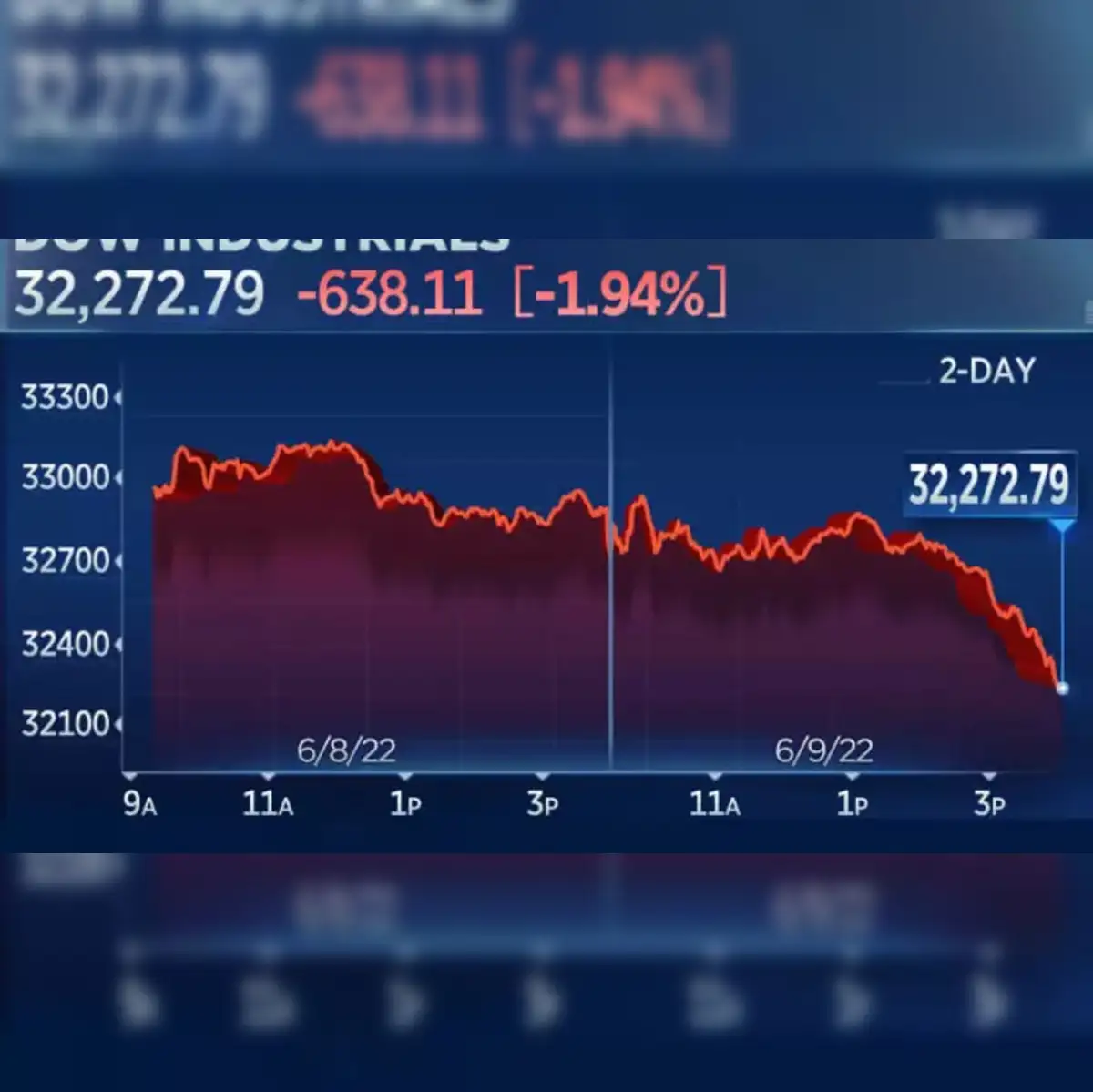
For most investors, especially those saving for retirement or other distant goals, daily or even monthly market fluctuations are part of the investment journey. Historically, equity markets have recovered from every downturn and continued their upward trajectory over the long run. Focusing on long-term goals and resisting the urge to make drastic portfolio changes based on short-term market noise helps to avoid selling low and missing subsequent recoveries. Time in the market generally trumps timing the market.
Diversification and Portfolio Rebalancing
A well-diversified portfolio, spread across various asset classes, industries, and geographies, is crucial for mitigating risk. While diversification may not prevent losses in a broad market downturn, it can cushion the impact by ensuring that not all investments are equally exposed to specific risks. During a market decline, it can also be an opportune time to rebalance a portfolio, selling assets that have performed relatively well to buy those that have fallen in price, thereby buying low and selling high over time.
Focusing on Quality and Fundamental Strength
In turbulent times, companies with strong balance sheets, consistent cash flows, sustainable competitive advantages, and robust business models tend to weather storms more effectively. Rather than getting caught up in the daily market frenzy, investors can use downturns as an opportunity to identify and accumulate shares in high-quality companies whose long-term prospects remain intact, but whose stock prices have been indiscriminately pulled down by broader market sentiment. Fundamental analysis – assessing a company’s intrinsic value – becomes even more critical when external factors create noise.
In conclusion, a stock market downturn is rarely the result of a single event. Instead, it typically emerges from a complex interplay of economic data, corporate results, global events, and the unpredictable nature of human psychology and algorithmic trading. Understanding these contributing factors allows investors to frame current market events within a broader context, fostering a disciplined approach that prioritizes long-term growth over short-term reactions.
aViewFromTheCave is a participant in the Amazon Services LLC Associates Program, an affiliate advertising program designed to provide a means for sites to earn advertising fees by advertising and linking to Amazon.com. Amazon, the Amazon logo, AmazonSupply, and the AmazonSupply logo are trademarks of Amazon.com, Inc. or its affiliates. As an Amazon Associate we earn affiliate commissions from qualifying purchases.