
Interest rates are the lifeblood of modern economies, influencing everything from the cost of your morning coffee to the stability of global markets. Far more than just a number, “today’s interest rate” is a dynamic indicator reflecting economic health, monetary policy, and investor sentiment. For individuals, businesses, and governments alike, understanding current interest rates is paramount to making informed financial decisions. It determines the cost of borrowing for a mortgage, the returns on a savings account, and the viability of business investments. This article delves into the intricacies of interest rates, exploring what they are, the forces that shape them, their profound impact on various facets of our financial lives, and how to navigate the ever-shifting landscape.
Understanding the Fundamentals of Interest Rates
At its core, an interest rate is the cost of borrowing money or the return on lending money. It’s the price paid by a borrower for the use of assets they don’t own, typically expressed as a percentage of the principal amount over a specific period. This seemingly simple concept underpins the vast machinery of global finance.
Defining Interest Rates: The Cost of Money
Think of money as a commodity. Just like any other commodity, it has a price. When you borrow money, you’re essentially renting it, and the interest rate is your rent payment. Conversely, when you save money in a bank, you’re lending it to the bank, and they pay you interest as compensation for using your funds. This price reflects several factors: the time value of money (a dollar today is worth more than a dollar tomorrow), the risk of default by the borrower, and inflation (the erosion of purchasing power over time). Understanding this fundamental definition is the first step to deciphering the broader impact of interest rates.
Key Types of Interest Rates
While “today’s interest rate” might sound singular, there’s a multitude of rates that apply to different financial products and economic activities. Each plays a distinct role:
- Federal Funds Rate (or equivalent Central Bank Rate): This is the benchmark rate set by a country’s central bank (e.g., the Federal Reserve in the U.S., the European Central Bank, the Bank of England). It influences how much commercial banks charge each other for overnight lending, and in turn, impacts all other interest rates in the economy.
- Prime Rate: Typically 3% higher than the federal funds rate, this is the interest rate commercial banks charge their most creditworthy corporate customers. It’s a reference point for many variable-rate consumer loans.
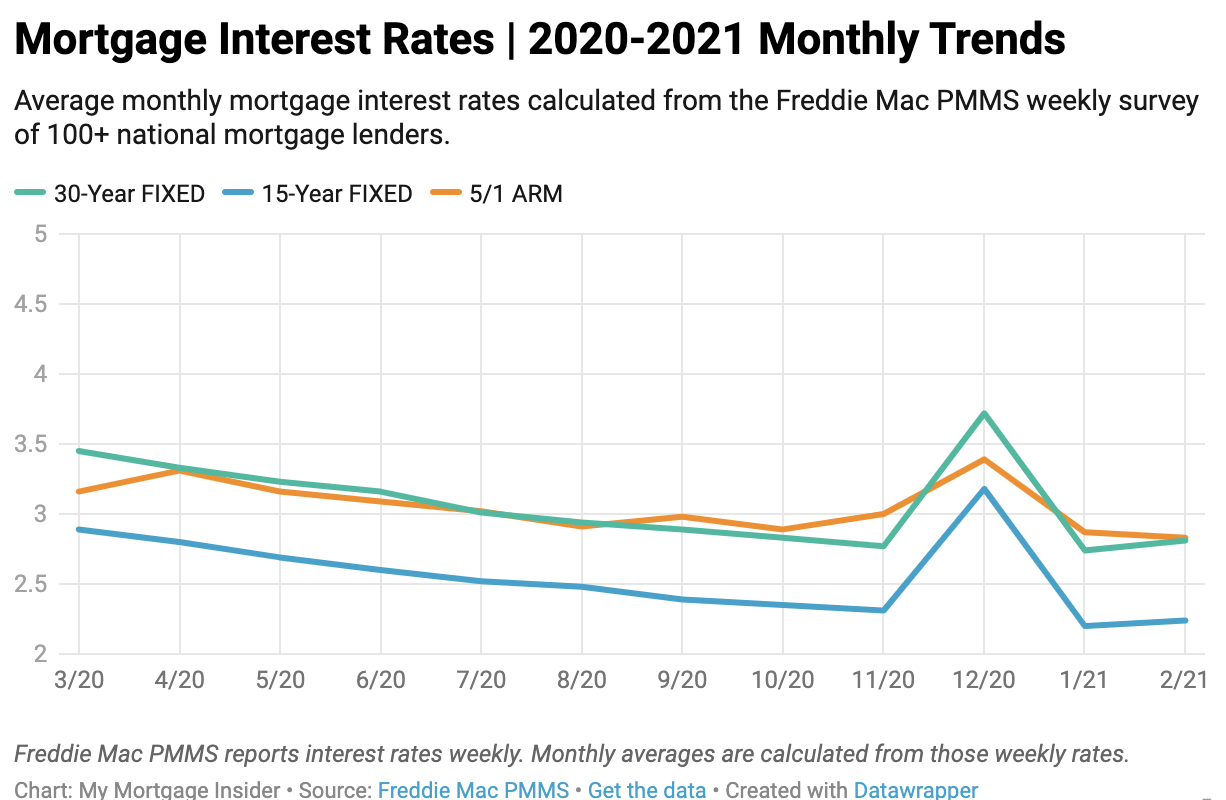
- Mortgage Rates: The rates at which individuals borrow to purchase homes, influenced by the central bank rate, bond markets, and lender-specific factors. These can be fixed (unchanging over the loan’s life) or adjustable (fluctuating with market rates).
- Auto Loan Rates: Interest rates for financing vehicle purchases, usually influenced by credit score, loan term, and market conditions.
- Credit Card Interest Rates (APRs): Annual Percentage Rates charged on credit card balances, often among the highest due to the unsecured nature of the debt and convenience of revolving credit.
- Savings Account & Certificate of Deposit (CD) Rates: The interest paid by banks to depositors, reflecting the bank’s need for funds and prevailing market rates.
- Bond Yields: The return an investor receives on a bond, which is inversely related to bond prices and heavily influenced by central bank policy and economic outlook.
The Role of Central Banks
Central banks are the primary architects of interest rate policy. Their main mandates are typically to maintain price stability (control inflation), maximize employment, and ensure the stability of the financial system. They achieve these goals primarily by adjusting their benchmark interest rate. By raising rates, they aim to slow down an overheating economy and curb inflation by making borrowing more expensive and saving more attractive. Conversely, by lowering rates, they stimulate economic growth by making borrowing cheaper, encouraging spending and investment. The pronouncements and actions of central banks, therefore, are closely watched by markets worldwide.
Factors Influencing Today’s Rates
The specific value of “today’s interest rate” is not a static figure but rather a moving target, shaped by a complex interplay of economic forces, policy decisions, and global events. Understanding these underlying drivers is crucial for anticipating rate movements and their potential effects.
Economic Indicators: Inflation, GDP, and Employment
Key macroeconomic data points provide central banks with the information they need to make interest rate decisions:
- Inflation: Perhaps the most significant driver. If inflation (the rate at which prices rise) is high or rising, central banks typically raise interest rates to cool down demand and bring prices under control. If inflation is low or falling, they might consider lowering rates to stimulate economic activity.
- Gross Domestic Product (GDP): This measures the total value of goods and services produced in an economy. Strong GDP growth often suggests a healthy, expanding economy, which can lead to higher interest rates as demand for capital increases. Slow or negative GDP growth might prompt rate cuts to encourage investment and consumption.
- Employment Data: Low unemployment and strong wage growth can signal an economy operating at or near full capacity, potentially leading to inflationary pressures and higher rates. Conversely, high unemployment might lead central banks to lower rates to spur job creation.
- Consumer Spending and Business Investment: These indicators reflect economic confidence. Robust spending and investment can push rates higher, while a slowdown might lead to lower rates.
Monetary Policy Decisions
As mentioned, central banks directly influence short-term interest rates through their monetary policy decisions. These decisions are not made in a vacuum but are carefully considered by committees (e.g., the Federal Open Market Committee in the U.S.) based on extensive economic analysis. The guidance they provide on future rate paths (forward guidance) also plays a significant role in shaping market expectations and long-term rates. Market participants constantly try to predict central bank moves, and unexpected announcements can lead to significant shifts in bond yields and other rates.
Global Economic Landscape
Interest rates are not determined in isolation within a single country. The interconnectedness of the global economy means that events and policies in one region can ripple across borders:
- Global Growth Prospects: A slowdown in major global economies can reduce demand for goods and services worldwide, potentially leading to lower global interest rates as central banks try to stimulate activity.
- Geopolitical Events: Conflicts, trade wars, or political instability can introduce uncertainty, causing investors to seek safe-haven assets like government bonds, which can drive bond yields (and thus long-term interest rates) down.
- Currency Exchange Rates: Interest rate differentials between countries can influence capital flows. Higher rates in one country might attract foreign investment, strengthening its currency, while lower rates might deter it.
How Current Rates Impact Your Personal Finance
The prevailing interest rate environment has a direct and often profound impact on the financial well-being of individuals. From managing debt to growing wealth, every financial decision is, to some extent, influenced by the cost of money.

Borrowing: Mortgages, Loans, and Credit Cards
- Mortgages: For most people, a mortgage is their largest debt. When interest rates are low, the cost of borrowing for a home decreases, making homeownership more affordable and increasing buying power. Existing homeowners with variable-rate mortgages might see their monthly payments fall, while those with fixed rates might consider refinancing to lock in a lower payment. Conversely, high rates make mortgages more expensive, potentially pricing some buyers out of the market and increasing monthly costs for variable-rate borrowers.
- Auto Loans and Personal Loans: Similar to mortgages, lower interest rates translate to cheaper car payments and more affordable personal financing, encouraging consumer spending. Higher rates make these loans more expensive, potentially deterring purchases of big-ticket items.
- Credit Cards: Credit card interest rates (APRs) are typically variable and often linked to the prime rate. When central banks raise rates, credit card APRs usually follow, increasing the cost of carrying a balance. This underscores the importance of paying off credit card debt promptly, especially in a rising rate environment.
Saving and Investing: High-Yield Accounts and Bonds
- Savings Accounts and CDs: For savers, higher interest rates are generally good news. Banks become more competitive, offering higher annual percentage yields (APYs) on savings accounts, money market accounts, and certificates of deposit (CDs). This provides a greater incentive to save and allows cash to grow more quickly.
- Bonds: Bond prices and interest rates have an inverse relationship. When interest rates rise, newly issued bonds offer higher yields, making existing lower-yield bonds less attractive, thus pushing their prices down. For investors holding bonds, rising rates can mean a decrease in the market value of their existing holdings. Conversely, falling rates increase the value of existing bonds.
- Stock Market: The impact on the stock market is more nuanced. Rising interest rates can make borrowing more expensive for companies, potentially reducing their profits and making their stocks less attractive. Higher rates also make bonds more competitive as an investment, drawing some money away from stocks. However, if rate hikes are a response to a strong economy, corporate earnings might still be robust. Falling rates, on the other hand, can make borrowing cheaper for companies and boost investor confidence, often supporting higher stock valuations.
Debt Management Strategies
In a fluctuating interest rate environment, proactive debt management is key. When rates are low, consider refinancing high-interest debt (like personal loans or student loans) to secure a lower rate. If you have variable-rate debt, consider consolidating it into a fixed-rate loan to lock in payments before rates potentially rise further. Building an emergency fund becomes even more critical, reducing the need to borrow at potentially high rates during unforeseen circumstances.
Implications for Businesses and the Broader Economy
Interest rates exert a powerful influence not just on individual finances but also on the strategic decisions of businesses and the overall trajectory of the national and global economy.
Business Investment and Expansion
Businesses rely heavily on borrowing to fund operations, capital expenditures, and expansion projects. When interest rates are low, the cost of debt financing decreases, making it more attractive for companies to take out loans for new equipment, research and development, or facility expansion. This stimulates economic growth, creates jobs, and fosters innovation. Conversely, high interest rates increase borrowing costs, which can deter investment, slow down expansion plans, and potentially lead to layoffs as businesses cut back. Small businesses, often more reliant on borrowed capital, are particularly sensitive to rate changes.
Consumer Spending and Demand
Interest rates are a key lever for influencing consumer behavior. Lower rates make it cheaper for individuals to borrow for large purchases like homes and cars, and they can also reduce the cost of existing debt, freeing up more disposable income. This encourages consumer spending, which is a major component of GDP, and helps to fuel economic growth. Higher rates, by making borrowing more expensive and increasing the cost of existing debt, can dampen consumer enthusiasm, reduce spending, and lead to a slowdown in economic activity. This is the primary mechanism central banks use to combat inflation – by reducing demand.
Market Volatility and Investor Sentiment
Changes or anticipated changes in interest rates can lead to significant volatility in financial markets. Bond markets are directly affected, but equity markets also react as investors re-evaluate the future earnings potential of companies and the attractiveness of alternative investments. Rising rates can make investors more cautious, as they perceive higher borrowing costs for companies and a more competitive environment for bonds. Falling rates often boost investor confidence, as they signal cheaper capital and potentially stronger economic growth. This investor sentiment can create ripple effects across all asset classes, from real estate to commodities.
Navigating the Current Rate Environment
Given the dynamic nature and far-reaching impact of interest rates, successfully navigating the current environment requires vigilance, strategic planning, and, at times, professional guidance.
Staying Informed with Reliable Sources
The first step to effective navigation is to stay informed. Regularly follow news and analysis from reputable financial institutions, economic publications, and central bank announcements. Understand the reasoning behind rate decisions and the forward guidance provided by policymakers. Look beyond just the headline numbers to grasp the underlying economic conditions that are driving these decisions. Subscribing to financial news alerts and using financial tools that track current rates can provide timely updates crucial for making prompt adjustments to your financial strategy.
Strategic Financial Planning
In a rising rate environment, prioritizing debt reduction, especially high-interest variable-rate debt, becomes critical. Consider locking in lower fixed rates where possible for long-term borrowing needs. For savers, look for competitive high-yield savings accounts or short-term CDs that can capitalize on increasing rates. In a falling rate environment, explore refinancing opportunities for mortgages and other loans, and consider longer-term fixed-income investments if you believe rates will continue to drop. Regularly review your budget, adjust spending, and re-evaluate your investment portfolio to ensure it aligns with the prevailing economic conditions and your personal financial goals.

Consulting Financial Professionals
While understanding the basics is essential, the complexities of interest rate movements and their personalized implications can be daunting. A qualified financial advisor can provide invaluable guidance tailored to your specific situation. They can help you assess your debt structure, optimize your savings and investment strategies, and plan for major financial goals in light of the current and projected interest rate environment. Whether you’re considering a new mortgage, planning for retirement, or managing a business, professional advice can help you make sound decisions that leverage favorable rates and mitigate risks.
Understanding “today’s interest rate” is not merely an academic exercise; it’s a practical necessity for anyone looking to build financial security and prosperity. By grasping the fundamentals, recognizing the influencing factors, and adapting your financial strategies accordingly, you can better navigate the economic tides and make informed choices that serve your long-term financial interests.
aViewFromTheCave is a participant in the Amazon Services LLC Associates Program, an affiliate advertising program designed to provide a means for sites to earn advertising fees by advertising and linking to Amazon.com. Amazon, the Amazon logo, AmazonSupply, and the AmazonSupply logo are trademarks of Amazon.com, Inc. or its affiliates. As an Amazon Associate we earn affiliate commissions from qualifying purchases.