
Wall Street, a name synonymous with global finance, capital markets, and economic power, conjures images of towering skyscrapers, bustling trading floors, and the ceaseless flow of money. Yet, the origins of this iconic street’s name are far more humble, rooted not in financial wizardry but in the practicalities of 17th-century colonial defense. Understanding “why Wall Street is called Wall Street” unravels a fascinating journey from a rudimentary wooden barrier to the undisputed heart of American — and often global — financial activity, a narrative steeped in the evolution of money, trade, and economic ambition.
The Dutch Roots of a Financial Icon
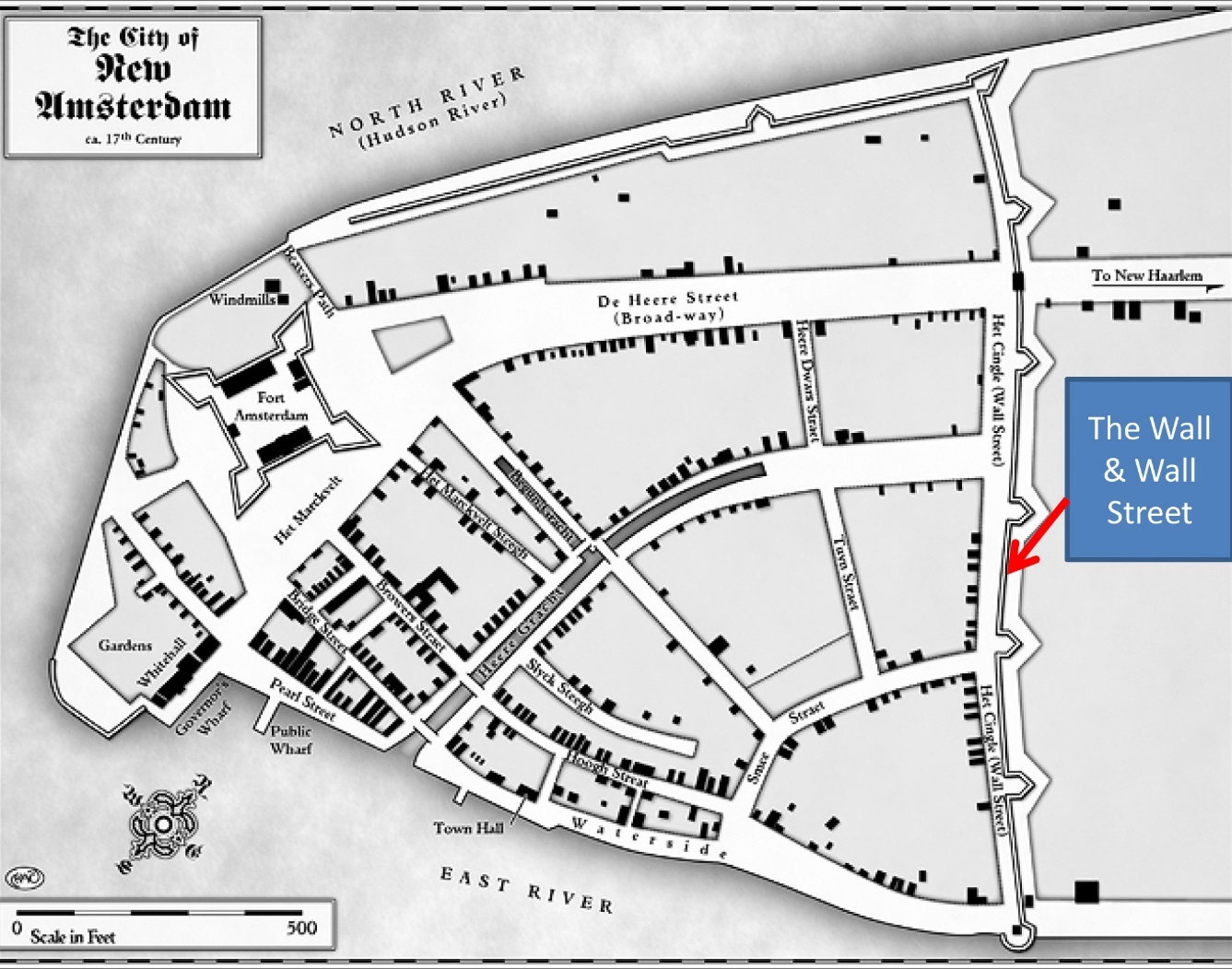
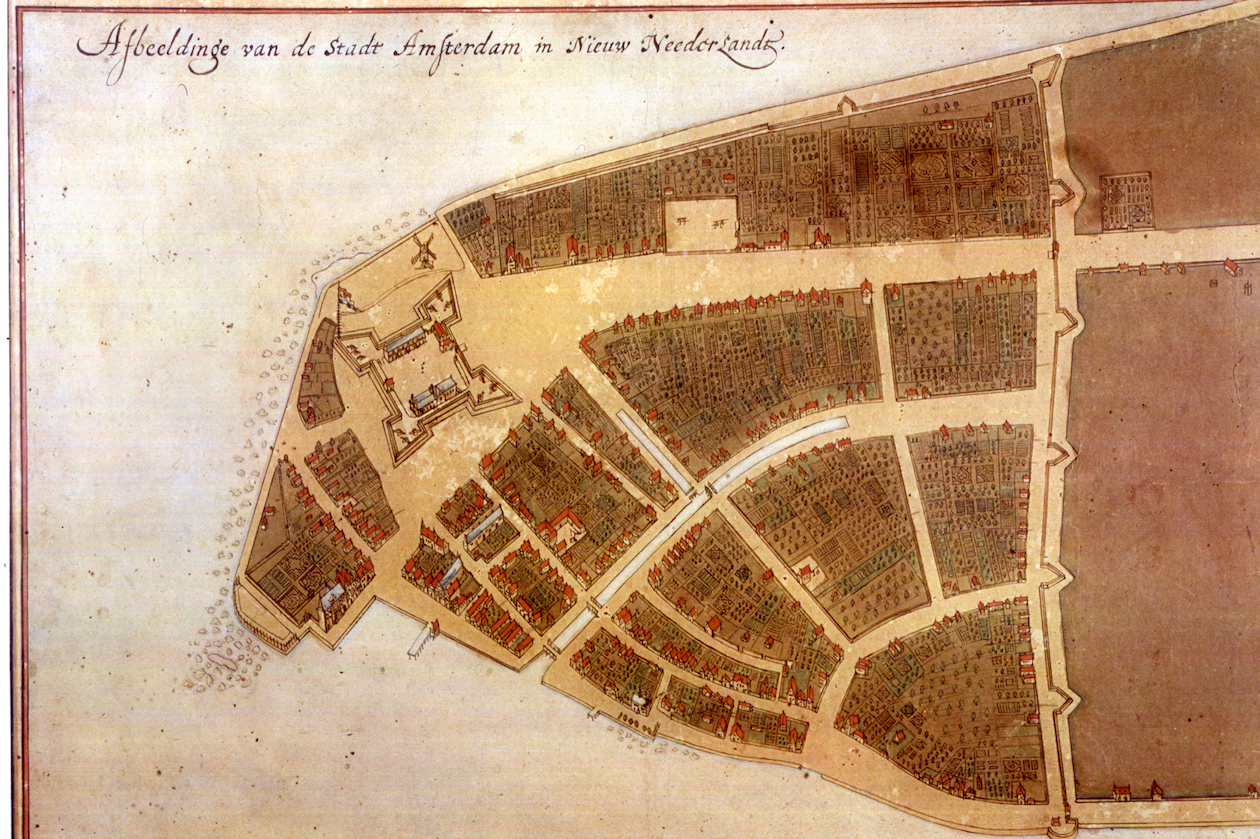
The story of Wall Street begins not with bankers and brokers, but with Dutch settlers and a very real, very physical wall. In the early 17th century, the southern tip of Manhattan Island was the bustling, if nascent, port town of New Amsterdam, a vital trading post for the Dutch West India Company. The strategic location, coupled with the lucrative fur trade, attracted various groups, making the settlement a valuable, yet vulnerable, asset.
New Amsterdam and the Defensive Wall
In 1653, amidst growing tensions with the English colonies to the north and potential threats from Native American tribes, the pragmatic Dutch Governor Peter Stuyvesant ordered the construction of a defensive palisade across the northern boundary of the settlement. This wall, stretching from river to river—from the Hudson to the East River—was a rudimentary but effective fortification. Built primarily from timber and earth, it stood about 12 feet high, fortified with watchtowers and gates. Its purpose was unequivocally clear: to protect the valuable assets and burgeoning population of New Amsterdam from external threats, thereby ensuring the stability necessary for economic activity to flourish. This early emphasis on protecting property and trade, even if rudimentary, foreshadowed the street’s later role in safeguarding and facilitating financial assets.
From Stockade to Street
Over time, the defensive necessity of the wall diminished. The English eventually took control of New Amsterdam in 1664, renaming it New York. The physical wall, no longer serving its primary purpose, began to deteriorate. By the early 18th century, it was largely dismantled, and the materials repurposed. However, the path that ran alongside this once-crucial barrier, a well-trodden thoroughfare, retained the memory of its former namesake. This path officially became “Wall Street.” Even as the physical manifestation of defense vanished, the concept of a boundary, and the stability it once represented, implicitly transferred to the street itself, setting a silent precedent for an organized financial district where transactions could occur with a degree of security and order.
The Emergence of American Financial Markets
The transformation of a simple colonial lane into the epicenter of finance was not immediate but rather a gradual evolution driven by the burgeoning economic needs of a young nation. As the United States gained independence, it faced the monumental task of establishing a stable economy, funding its government, and facilitating commerce. Wall Street, with its central location near the port and growing commercial activity, was perfectly poised to become the stage for these developments.
The Buttonwood Agreement: A Foundation of Finance
A pivotal moment occurred on May 17, 1792. Twenty-four stockbrokers and merchants gathered under a buttonwood tree outside 68 Wall Street. They signed what became known as the Buttonwood Agreement, an unassuming document that laid the foundational stone for organized securities trading in the United States. Prior to this, securities—primarily government bonds issued to finance the Revolutionary War and shares of early banks like the Bank of New York—were traded informally, often in coffee houses or by individual negotiation. The agreement, however, was revolutionary in its simplicity: it committed the signatories to trade securities only among themselves and to charge a fixed commission.
This agreement was a landmark event for financial markets. It introduced a degree of order, transparency, and trust into what was previously a chaotic, fragmented market. By establishing rules and a framework for trading, it significantly reduced risk for investors and facilitated greater liquidity. This move was crucial for capital formation, allowing the young American government and nascent industries to raise funds more efficiently, directly supporting the nation’s economic growth and stability. The Buttonwood Agreement, therefore, marks the true conceptual birth of Wall Street as a financial hub.
Early Trading and the Birth of Exchanges
With the Buttonwood Agreement in place, the informal group of brokers began meeting regularly. Initially, their meetings continued outdoors or in various commercial establishments. The need for a more structured and permanent venue soon became apparent. This organized trading body eventually formalized itself into the “New York Stock & Exchange Board” in 1817, which would later be renamed the New York Stock Exchange (NYSE).
The establishment of a formal exchange was a critical step in the professionalization of finance. It provided a centralized marketplace where buyers and sellers could meet, prices could be discovered efficiently, and transactions could be executed with greater confidence. This institutionalization was vital for attracting larger investors and capital, transforming speculative ventures into more systematic investment opportunities. The shift from ad-hoc dealings to a regulated exchange underscored the growing sophistication of the American financial system and its capacity to handle increasingly complex financial instruments.
Federal Hall and the First Securities
Even before the Buttonwood Agreement, the area around Wall Street played a significant role in the nation’s financial life. Federal Hall, located at the corner of Wall and Nassau Streets, served as the first capital of the United States. It was here that George Washington was inaugurated as president and the Bill of Rights was ratified. Crucially, it was also the site where the U.S. government issued its first securities – debt instruments to finance the war and establish the new republic.
The issuance of these early government bonds was instrumental in creating the initial market for securities in America. These instruments provided a secure, albeit sometimes volatile, investment opportunity, attracting capital from both domestic and international investors. The proximity of Federal Hall to the trading activities on Wall Street naturally solidified the street’s connection to national finance, linking government policy, public debt, and private investment in a tightly knit geographical and economic nexus. This early blending of public finance and private trading set a precedent for Wall Street’s multifaceted role in the national economy.
Wall Street’s Ascendance as a Global Financial Powerhouse
Throughout the 19th and early 20th centuries, Wall Street solidified its position, transforming from a national financial center into a global powerhouse. Several factors contributed to this meteoric rise, primarily its ability to effectively channel vast amounts of capital to fuel America’s rapid industrialization and expansion.
From Local Trades to National Capital Hub
As the United States grew in size and economic complexity, so too did Wall Street’s reach. The development of advanced communication technologies, such as the telegraph, and improved transportation networks, like railroads, allowed information and capital to flow more rapidly and efficiently across the vast nation. This connectivity enabled Wall Street to serve as the primary conduit for financing major national projects, attracting investment from both American and international sources. It became the definitive hub where local investment opportunities coalesced into national capital streams, directing funds towards promising ventures across various states and industries.
The Industrial Revolution and Capital Formation
The American Industrial Revolution, spanning from the mid-19th to the early 20th century, was perhaps the greatest catalyst for Wall Street’s growth. The era saw unprecedented demand for capital to build railroads, steel mills, factories, and expand vital industries. Wall Street proved adept at meeting this demand, orchestrating massive financings through stock and bond issuances. Investment banks, brokerage houses, and exchanges on Wall Street developed sophisticated mechanisms to raise, distribute, and manage this capital, essentially becoming the engine room for the nation’s industrial expansion.
This era cemented Wall Street’s identity as a place where vast fortunes were made and lost, and where the economic destiny of corporations and entire sectors was often decided. The ability of Wall Street to efficiently pool and deploy capital on such a massive scale was critical to America’s transformation into the world’s leading industrial power, underscoring its indispensable role in economic development.
The New York Stock Exchange: Epitome of Modern Markets
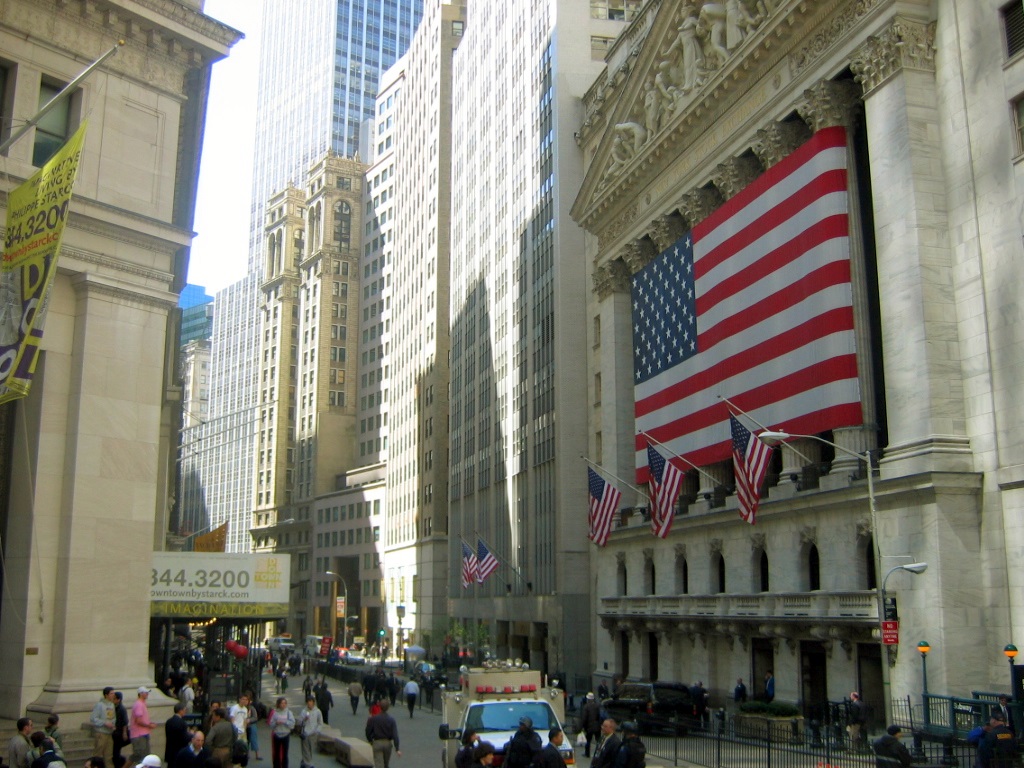
At the heart of Wall Street’s ascendancy stood the New York Stock Exchange (NYSE). With its iconic building and the frantic energy of its trading floor, the NYSE became the physical and symbolic embodiment of modern capital markets. It evolved into the world’s largest stock exchange, facilitating the trading of shares in the most powerful and influential corporations.
The NYSE’s strict listing requirements, robust regulatory framework, and unparalleled liquidity attracted companies seeking to raise capital and investors looking for opportunities. Its influence extended far beyond American borders, making it a benchmark for global market performance and a key indicator of international economic health. The NYSE on Wall Street represented the ultimate confluence of capital, opportunity, and ambition, solidifying its place as the definitive institution of global finance.
Beyond the Name: The Enduring Legacy of Wall Street
While the name “Wall Street” originated from a simple defensive barrier, its meaning has far transcended its literal roots. Today, it represents a complex ecosystem of financial institutions, markets, and economic philosophies, wielding immense power and influence over global economies.
Symbol of Capitalism and Investment
Wall Street has become a global metaphor for free-market capitalism, private enterprise, and the pursuit of wealth through investment. It symbolizes the dynamic interplay of risk and reward, innovation and regulation, speculation and stability. For many, it embodies the American dream of economic opportunity and upward mobility; for others, it represents the potential excesses and inequalities inherent in an unfettered financial system. Regardless of perspective, its symbolic power is undeniable, reflecting the very essence of modern economic life. It is where capital is aggregated, allocated, and ultimately, where value is often determined.
Economic Influence and Regulation
The economic influence of Wall Street is staggering. Its banks, investment firms, and exchanges fund governments, corporations, and projects worldwide. Decisions made within its financial corridors can have profound effects on global markets, employment, and economic stability. This immense power has, at various points in history, led to economic booms, but also to significant crises, prompting calls for greater regulation. From the Great Depression to the 2008 financial crisis, the events originating on or influenced by Wall Street have frequently led to reevaluations of financial regulation, aiming to balance market freedom with systemic stability and investor protection. This constant tension between innovation and control continues to shape its identity and operations.
The Future of Finance on Wall Street
In the 21st century, the concept of “Wall Street” is evolving. While the physical street and its iconic buildings remain important, the financial industry is increasingly decentralized and digitized. Technological advancements like FinTech, blockchain, and artificial intelligence are transforming how financial services are delivered, traded, and managed. High-frequency trading, algorithmic investments, and online brokerage platforms have democratized access to markets, moving financial interactions beyond the traditional trading floor.
Despite these changes, “Wall Street” endures as a powerful brand and a conceptual center for global finance. Its historical significance, combined with its ongoing innovation and adaptation, ensures that the street, or at least the idea it represents, will continue to play a pivotal role in the world’s economic future. The legacy of that rudimentary wooden wall continues to resonate, albeit in a vastly more complex and interconnected financial world, reminding us that even the most sophisticated systems can have the simplest of origins.
aViewFromTheCave is a participant in the Amazon Services LLC Associates Program, an affiliate advertising program designed to provide a means for sites to earn advertising fees by advertising and linking to Amazon.com. Amazon, the Amazon logo, AmazonSupply, and the AmazonSupply logo are trademarks of Amazon.com, Inc. or its affiliates. As an Amazon Associate we earn affiliate commissions from qualifying purchases.