
In the realm of finance, the concept of a percentage is far more than a simple mathematical ratio. It is the universal language of value, risk, and growth. Whether you are evaluating the performance of a stock portfolio, determining the affordability of a mortgage, or calculating the tax implications of a side hustle, understanding “what is a percentage of” a specific financial figure is the cornerstone of fiscal literacy. By converting raw numbers into relative values, percentages allow investors and earners to compare disparate assets, measure progress over time, and make informed decisions that align with long-term wealth goals.
The Fundamental Role of Percentages in Personal Finance
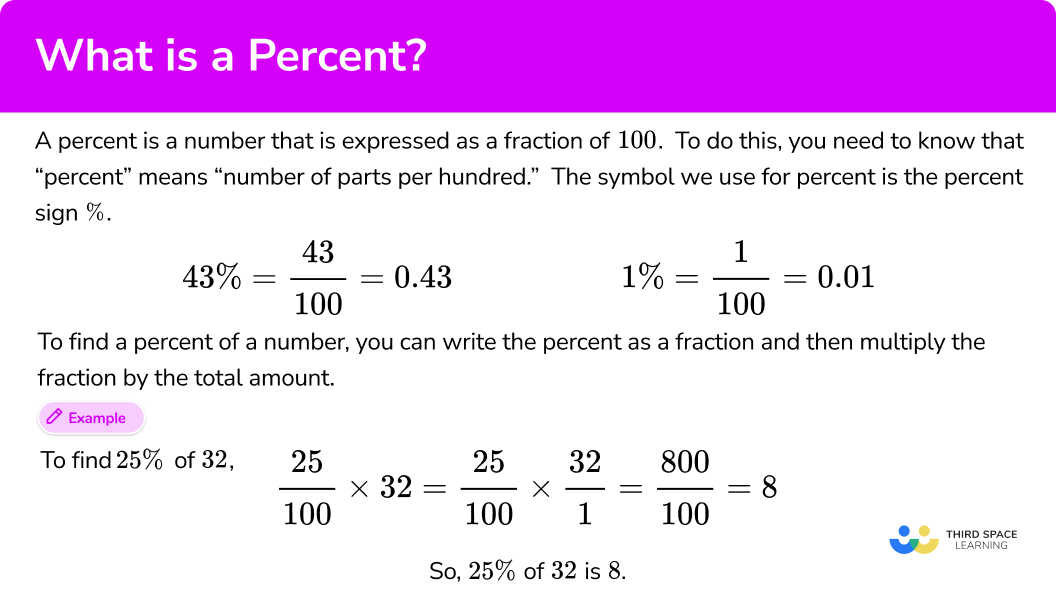
At its core, a percentage represents a fraction of 100. While this seems elementary, its application in personal finance is what separates those who struggle with debt from those who build generational wealth. Percentages provide a standardized scale to measure the efficiency of your money.
Understanding Interest Rates and APY
When you deposit money into a high-yield savings account or take out a loan, the most critical number you encounter is the interest rate. This is the percentage of the principal balance that is either paid to you (as an earner) or charged to you (as a borrower). However, there is a distinction between the nominal interest rate and the Annual Percentage Yield (APY).
The APY reflects the real rate of return on an investment or the real cost of a loan, taking into account the effect of compounding interest. Compounding is the process where the interest you earn also earns interest. For example, a 5% interest rate compounded monthly results in a higher APY than 5% compounded annually. Understanding what percentage of your balance is being added through compounding is essential for maximizing savings.
The Impact of Inflation on Purchasing Power
Inflation is perhaps the most persistent “percentage” in the financial world. It represents the rate at which the general level of prices for goods and services is rising. If the annual inflation rate is 3%, the purchasing power of your currency has effectively decreased by that same percentage. For a financial plan to be successful, your income and investment returns must exceed the percentage of inflation. If your savings account offers a 2% return but inflation is at 4%, you are technically losing 2% of your purchasing power every year, despite the nominal balance of your account increasing.
Credit and the Debt-to-Income Ratio
Lenders use percentages to assess your creditworthiness. One of the most important metrics is the Debt-to-Income (DTI) ratio. This is the percentage of your gross monthly income that goes toward paying debts. A common benchmark for financial health is keeping your DTI below 36%. If a mortgage payment represents 25% of your income and other debts represent 20%, your DTI is 45%, which may signal to lenders that you are overextended. Knowing what percentage of your income is “spoken for” by creditors is the first step in regaining control of your cash flow.
Measuring Investment Performance: Yield and ROI
For investors, percentages are the ultimate scorecard. They allow for the comparison of a volatile tech stock against a stable government bond or a rental property. Without percentages, it would be impossible to determine which asset is working harder for your future.
Calculating Return on Investment (ROI)
The most common metric in the investing world is Return on Investment (ROI). This is calculated by taking the gain or loss of an investment and dividing it by the original cost. The result is expressed as a percentage.
If you purchase a stock for $1,000 and sell it for $1,200, your profit is $200. While the dollar amount is clear, the ROI—20%—is the figure that tells you the efficiency of that trade. Comparing this 20% to the performance of the S&P 500 (which historically averages about 10% annually) helps you determine if your active management is actually providing alpha, or excess return.
Dividend Yields and Portfolio Growth
For income-focused investors, the “dividend yield” is a vital percentage. It is calculated by dividing the annual dividend payment by the current share price. If a company pays $2.00 in dividends annually and the stock price is $50, the dividend yield is 4%. This percentage allows investors to compare the income-generating potential of different stocks regardless of their share prices. A high-yield stock might offer a 6% return in cash flow, but investors must also consider what percentage of the company’s earnings are being paid out (the payout ratio) to ensure the dividend is sustainable.
Capital Gains and Tax Percentages
Every investment gain eventually meets its match: the tax man. Understanding what percentage of your profits will be lost to capital gains tax is crucial for calculating your “net” or “real” return. In many jurisdictions, short-term capital gains (assets held for less than a year) are taxed at your ordinary income tax rate, which could be as high as 37%. Long-term capital gains are often taxed at lower rates, such as 0%, 15%, or 20%. By understanding these percentages, savvy investors can engage in “tax-loss harvesting,” selling losing positions to offset gains and reduce the overall percentage of their wealth lost to taxation.
Business Finance: Profit Margins and Operational Efficiency
Whether you are a solopreneur, a freelancer, or a corporate executive, the health of a business is measured through percentage-based margins. These figures reveal the underlying strength of a business model and its ability to weather economic downturns.
Gross vs. Net Profit Margin
Profit margin is a percentage that expresses how much out of every dollar of sales a company actually keeps in earnings.
- Gross Profit Margin: This is the percentage of revenue exceeding the cost of goods sold (COGS). It reveals how efficiently a company produces its products.
- Net Profit Margin: This is the “bottom line” percentage. It takes into account all expenses, including taxes, interest, and operating costs.
A company might have high revenue, but if its net profit margin is only 2%, it has very little room for error. Conversely, a luxury brand might have lower total sales but a 40% net profit margin, making it a highly resilient and profitable enterprise.
Debt-to-Equity and Leverage
In business finance, leverage is the use of borrowed money to increase the potential return of an investment. The debt-to-equity ratio is a percentage (often expressed as a decimal) that shows how much a company is financing its operations through debt versus wholly-owned funds. If a business has a high debt-to-equity ratio, a large percentage of its monthly revenue must be dedicated to debt service, increasing the risk of insolvency if sales dip.
Market Share and Revenue Growth
Growth is rarely measured in absolute dollars alone. Instead, stakeholders look at “Year-over-Year (YoY) Growth” as a percentage. If a business grew its revenue by 15% this year compared to last, it suggests a healthy trajectory. Additionally, “Market Share” is the percentage of total sales in an industry generated by a particular company. Dominating a high percentage of the market provides “moats” or competitive advantages that allow for pricing power and brand stability.
Strategic Allocation: The Percentages Behind Wealth Building
Financial success is rarely the result of luck; it is usually the result of a disciplined adherence to specific percentage-based frameworks. These rules of thumb help individuals manage risk and ensure they are saving enough for the future.
The 50/30/20 Rule for Budgeting
One of the most effective ways to manage personal cash flow is the 50/30/20 rule. This framework suggests allocating your after-tax income into three distinct categories:
- 50% to Needs: This includes essential costs like housing, groceries, utilities, and insurance.
- 30% to Wants: This covers discretionary spending, such as dining out, travel, and hobbies.
- 20% to Financial Goals: This percentage is strictly for debt repayment beyond minimums, emergency fund contributions, and retirement investments.
By focusing on these percentages rather than fixed dollar amounts, the budget remains scalable. Whether you earn $50,000 or $500,000, the percentage-based approach ensures that as your income grows (lifestyle creep), your savings and investments grow proportionally.
Asset Allocation and Risk Tolerance
In a brokerage account, “what is a percentage of” refers to your asset allocation. This is the distribution of your total portfolio across different asset classes, such as 70% stocks, 20% bonds, and 10% real estate or commodities.
Your age and risk tolerance dictate these percentages. A younger investor might have 90% of their portfolio in equities to capture long-term growth, as they have the time to recover from market volatility. Someone approaching retirement might shift their allocation so that 50% is in stable, income-producing bonds. Rebalancing—the act of selling assets that have grown to represent too high a percentage of your portfolio and buying those that have shrunk—is the primary mechanism for maintaining a target risk profile.
The Psychological Impact of Percentage-Based Decisions
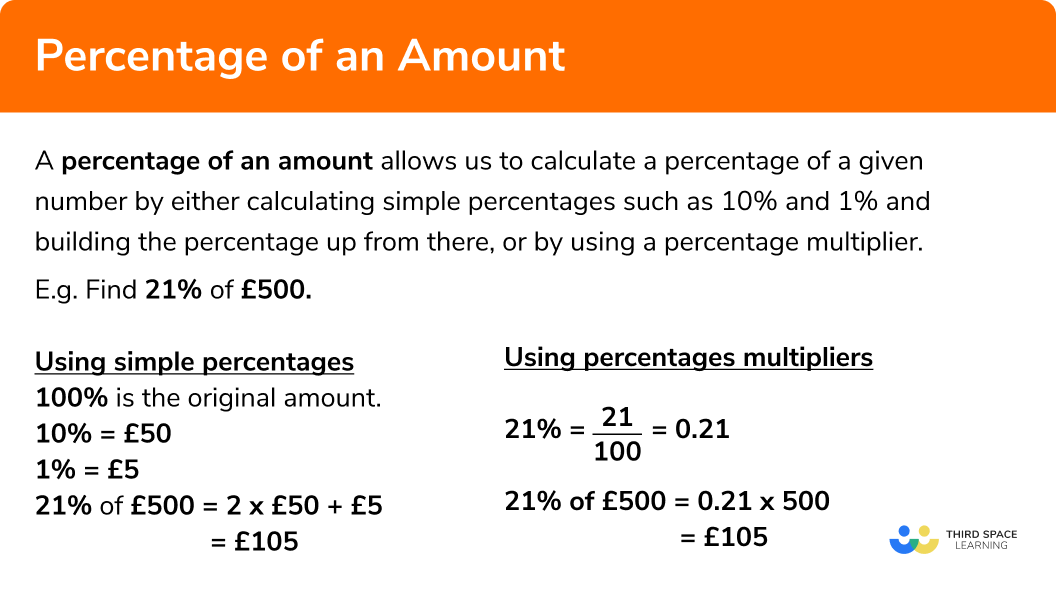
Human psychology is often poorly equipped to handle large numbers, but it responds acutely to percentages. This is why retailers use “20% off” rather than “$5 off”—the percentage feels more significant. In finance, we can use this bias to our advantage.
When you view a market dip not as a loss of $10,000 but as a 5% “sale” on the entire market, your perspective shifts from fear to opportunity. Similarly, when you realize that increasing your savings rate by just 1% of your income can result in years of earlier retirement due to the power of compounding, the task of wealth building feels more achievable.
Ultimately, mastering the question of “what is percentage of” in your financial life is about gaining a sense of proportion. It allows you to ignore the noise of fluctuating daily balances and focus on the ratios that truly matter: your savings rate, your investment yield, your debt-to-income ratio, and your net profit margin. In the world of money, those who understand the percentages are those who eventually own the numbers.
aViewFromTheCave is a participant in the Amazon Services LLC Associates Program, an affiliate advertising program designed to provide a means for sites to earn advertising fees by advertising and linking to Amazon.com. Amazon, the Amazon logo, AmazonSupply, and the AmazonSupply logo are trademarks of Amazon.com, Inc. or its affiliates. As an Amazon Associate we earn affiliate commissions from qualifying purchases.