
The stock market is a complex ecosystem, a barometer of economic health and investor sentiment, often reacting with swift and sometimes brutal force to a myriad of global and domestic factors. When headlines declare the market is “tanking,” it inevitably triggers anxiety among investors, from seasoned professionals to first-time retail participants. Understanding why such downturns occur is crucial, not just for financial planning, but for maintaining a rational perspective amidst the often-emotional backdrop of market volatility. Today’s market downturns are rarely the result of a single isolated event; rather, they are typically a confluence of macroeconomic forces, geopolitical tensions, shifts in corporate earnings, and evolving investor psychology.

To truly grasp the dynamics behind a market slump, we must delve beyond the surface-level panic and examine the underlying drivers. This includes dissecting the current economic landscape, understanding the policy responses of central banks, analyzing corporate performance, and recognizing the profound impact of global events. By breaking down these intricate components, we can gain a clearer picture of the present situation and better equip ourselves for navigating future market uncertainties.
Deciphering Market Volatility: Corrections, Crashes, and Bear Markets
The term “tanking” can mean different things to different people, depending on their experience and risk tolerance. Financial professionals use specific terminology to categorize market declines, which helps in understanding the severity and potential duration of a downturn.
What Constitutes a “Tank”? Defining Market Declines
Not all market drops are created equal. A market correction is typically defined as a decline of 10% or more from a recent peak in a major index (like the S&P 500). Corrections are relatively common, often occurring annually, and are considered a healthy part of the market cycle, clearing out excesses and allowing for new growth. A bear market, however, is a more severe and prolonged downturn, characterized by a sustained drop of 20% or more from recent highs. Bear markets can last for months or even years and are often associated with economic recessions. Finally, a market crash is a sudden, sharp, and often unexpected drop in stock prices, typically over a very short period (days or weeks), signifying a significant loss of confidence or a major systemic shock. While terrifying, crashes are rarer than corrections or bear markets. Understanding these distinctions helps frame the current situation and manage expectations. A market “tanking today” could be anything from the start of a minor correction to a precipitous plunge indicative of deeper issues.
The Psychology of Fear and Opportunity
Beyond the numbers, market downturns are profoundly influenced by human psychology. Fear and greed are powerful emotions that drive investor behavior. When prices are falling, fear can lead to panic selling, where investors offload assets to stop further losses, often exacerbating the decline. This “herd mentality” can create a self-fulfilling prophecy, pushing prices down further than fundamentals might dictate. Conversely, for some astute investors, a market “tanking” presents an opportunity. Lower prices mean assets can be acquired at a discount, potentially leading to significant gains when the market eventually recovers. The key is to distinguish between rational risk assessment and irrational emotional reactions, using a pre-defined investment strategy rather than knee-jerk responses.
Key Macroeconomic Headwinds Driving the Downturn
Current market declines are frequently rooted in a complex interplay of macroeconomic factors that ripple through the global economy, impacting corporate profitability, consumer spending, and investor confidence.
The Inflationary Pressure Cooker
One of the most persistent and pervasive issues contributing to market volatility has been persistent inflation. After decades of relatively low and stable prices, many economies have experienced a surge in inflation, driven by a combination of strong consumer demand (fueled by pandemic-era stimulus), supply chain disruptions, and geopolitical events impacting commodity prices. High inflation erodes purchasing power, making goods and services more expensive, which can lead to reduced consumer spending and lower corporate profits. For investors, inflation reduces the real return on investments, making them less attractive unless their returns significantly outpace the inflation rate.
Central Banks’ Hawkish Stance: Interest Rate Hikes
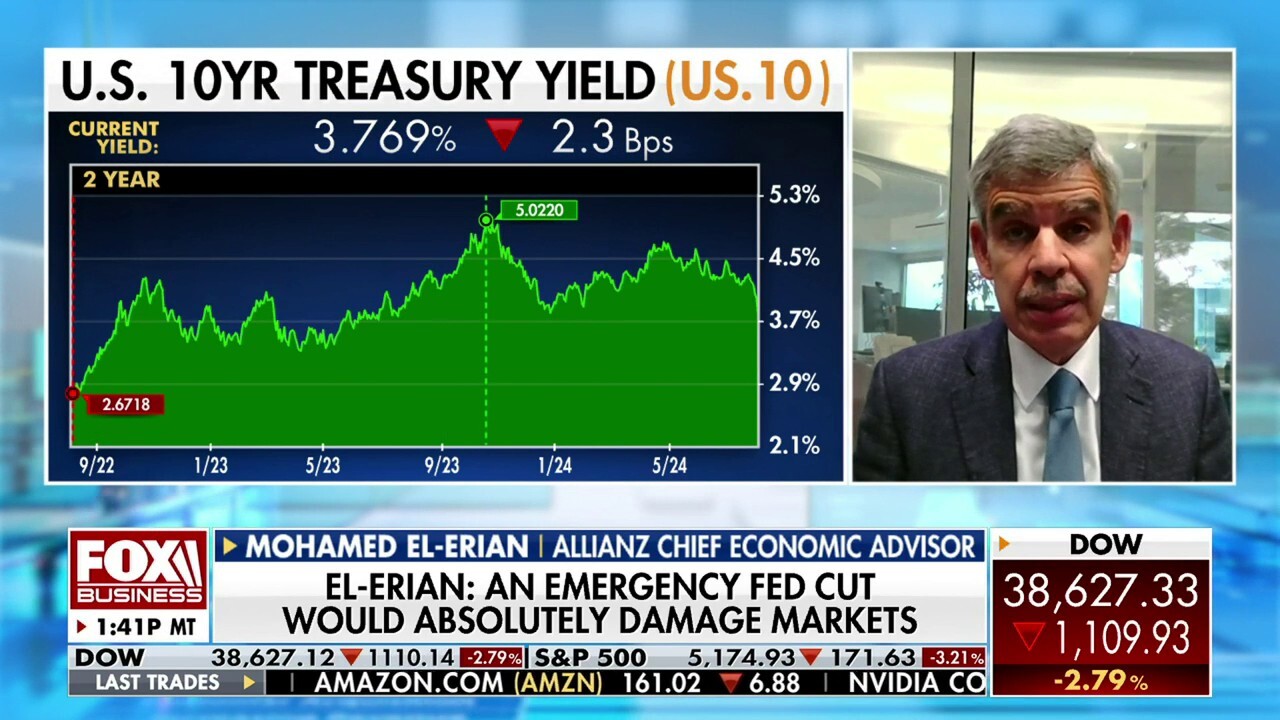
In response to surging inflation, central banks worldwide, notably the U.S. Federal Reserve, have adopted a more hawkish monetary policy. This typically involves raising benchmark interest rates. The goal is to cool down the economy by making borrowing more expensive, thereby reducing demand and bringing inflation back down to target levels. However, higher interest rates have several significant implications for the stock market:
- Increased Borrowing Costs: Companies face higher costs for debt financing, which can squeeze profit margins and reduce their capacity for investment and expansion.
- Discounting Future Earnings: Higher interest rates are used in financial models to discount future corporate earnings to their present value. A higher discount rate means future earnings are worth less today, which can depress stock valuations, particularly for growth companies whose profitability is often projected far into the future.
- Alternative Investments Become More Attractive: As interest rates rise, bonds and other fixed-income securities offer more competitive returns, drawing capital away from riskier equity investments.
The speed and magnitude of these rate hikes can be particularly jarring for the market, as investors adjust to a rapidly changing interest rate environment after years of ultra-low rates.
Recessionary Fears and Economic Slowdown
The aggressive tightening of monetary policy by central banks, while necessary to combat inflation, carries the inherent risk of slowing economic growth too much, potentially pushing economies into a recession. A recession is typically defined as two consecutive quarters of negative GDP growth. Fears of an impending recession weigh heavily on the stock market because recessions generally lead to:
- Reduced Corporate Earnings: Businesses face declining demand for their products and services, leading to lower sales and profits.
- Higher Unemployment: Companies may lay off workers to cut costs, further dampening consumer spending.
- Reduced Consumer Confidence: Economic uncertainty makes consumers and businesses more cautious, delaying purchases and investments.
The market often anticipates recessions, and stock prices can begin to fall well before an official declaration, reflecting investors’ expectations of a difficult economic period ahead.
Geopolitical Instability and Supply Chain Disruptions
Beyond monetary policy and inflation, geopolitical events can introduce significant instability. Conflicts, trade wars, and political tensions can disrupt global supply chains, increase commodity prices (especially energy), and create uncertainty that deters investment. These disruptions exacerbate inflationary pressures and can lead to shortages, further hampering economic activity. The interconnectedness of the global economy means that events in one region can have far-reaching effects, influencing everything from energy costs for businesses to the availability of consumer goods, ultimately impacting corporate profitability and investor sentiment.
Sector-Specific Sensitivities and Impact on Portfolios
Not all sectors of the economy react identically to market downturns. Different industries have varying sensitivities to macroeconomic factors, leading to uneven performance across portfolios.
Growth vs. Value: A Shifting Preference
During periods of rising interest rates and economic uncertainty, there is often a notable shift in investor preference from growth stocks to value stocks. Growth stocks are companies expected to grow earnings at an above-average rate, often trading at higher valuations based on future potential. These are particularly sensitive to rising interest rates because their future earnings are discounted more heavily. Many technology companies fall into this category. In contrast, value stocks are typically mature companies with stable earnings, established dividends, and often trade at lower price-to-earnings multiples. They tend to be less volatile and are often seen as safer havens during downturns, as their intrinsic value is more tied to current assets and cash flows rather than distant future projections.
Resilience of Defensive Stocks
In a tanking market, certain sectors are considered more “defensive” because their products and services are consistently in demand regardless of the economic cycle. These include consumer staples (e.g., food, beverages, household goods), utilities (e.g., electricity, water), and healthcare. People continue to buy groceries, pay utility bills, and seek medical care even during recessions. Consequently, companies in these sectors tend to have more stable earnings and can offer a degree of resilience to portfolios when the broader market is declining.
The Vulnerability of High-Growth Tech
The technology sector, a dominant force in recent market bull runs, often finds itself particularly vulnerable when the market tanks. Many tech companies are considered growth stocks, relying on significant future growth for their lofty valuations. When economic growth slows, interest rates rise, and capital becomes more expensive, the attractiveness of these future-oriented companies diminishes. Furthermore, some tech companies operate on razor-thin margins or rely heavily on venture capital funding, making them susceptible to tighter credit conditions and reduced investor appetite for risk. This can lead to sharp pullbacks in tech stock valuations, disproportionately impacting portfolios heavily weighted in this sector.
Navigating the Storm: Strategies for Investors
While the reasons for a market downturn are complex, the question for many investors quickly shifts to “What should I do?” Panic is rarely a profitable strategy; instead, a disciplined approach is essential.
The Importance of a Long-Term Perspective
One of the most crucial principles during a market downturn is to maintain a long-term investment perspective. Historical data overwhelmingly shows that equity markets tend to recover from even severe downturns, eventually reaching new highs. Focusing on short-term daily fluctuations can lead to emotional decisions that deviate from well-thought-out financial plans. For investors with a long time horizon, market dips can be viewed as temporary setbacks within a broader upward trend.
Rebalancing and Diversification
A market tanking is an opportune moment to review and potentially rebalance your portfolio. If certain asset classes or sectors have significantly outperformed or underperformed, your portfolio’s allocation might have drifted from your target. Rebalancing involves selling off some overperforming assets (which might now be overpriced) and buying into underperforming ones (which might be relatively cheap). This helps maintain your desired risk level and can be a disciplined way to “buy low.” Furthermore, diversification across different asset classes (stocks, bonds, real estate), geographies, and sectors remains a cornerstone of risk management. A diversified portfolio is less susceptible to the extreme swings of any single investment.
Considering Dollar-Cost Averaging
For investors who continue to contribute regularly to their investment accounts (e.g., through a 401(k) or IRA), dollar-cost averaging becomes particularly powerful during a downturn. This strategy involves investing a fixed amount of money at regular intervals, regardless of market conditions. When prices are low, your fixed investment buys more shares; when prices are high, it buys fewer. Over time, this averages out your purchase price and removes the need to try and “time the market,” a notoriously difficult endeavor.
Avoiding Emotional Decisions
The most challenging aspect of investing in a tanking market is suppressing the urge to make emotional decisions. Selling all holdings out of fear crystallizes losses and locks in the downturn’s impact. Similarly, trying to perfectly time the market’s bottom is often futile. Instead, adhere to your predetermined investment plan, which should be based on your financial goals, risk tolerance, and time horizon. Consult with a financial advisor if the emotional weight becomes too heavy, as professional guidance can provide a rational framework during stressful times.
The Path Forward: Resilience and Recovery
While a market tanking can feel like an unending descent, it’s vital to remember that financial markets are cyclical. Downturns, while painful, are an inherent part of the economic and investment landscape.
Identifying Potential Catalysts for Rebound
Market recoveries are often sparked by new information or shifts in economic conditions that alleviate investor concerns. These potential catalysts can include:
- Peaking Inflation: Clear signs that inflation is consistently declining could lead central banks to slow or halt interest rate hikes.
- Central Bank Policy Pivot: A shift from aggressive tightening to a more accommodative stance (or even rate cuts) can signal confidence in economic stability.
- Improved Corporate Earnings Outlook: Companies adapting to new economic realities and providing more optimistic guidance can boost confidence.
- Resolution of Geopolitical Tensions: A de-escalation of conflicts or a reduction in trade disputes can remove significant sources of uncertainty.
- Innovation and Productivity Gains: New technologies or efficiency improvements can drive future economic growth and corporate profitability.
Investors look for these signals as signs that the worst is over and a rebound is on the horizon.

Market Cycles: An Inevitable Pattern
History demonstrates that market cycles—characterized by periods of growth (bull markets) followed by contractions (bear markets or corrections)—are an inevitable and recurring pattern. Every major market downturn throughout history has eventually been followed by a recovery and, ultimately, new highs. While the timing and duration of these cycles are unpredictable, the underlying resilience of the global economy and the long-term growth trajectory of businesses typically ensure a return to prosperity. Understanding this cyclical nature provides context and encourages patience, reinforcing the idea that a tanking market is a temporary phase, not an end state.
In conclusion, a market tanking today is a multifaceted phenomenon driven by a complex interplay of economic, political, and psychological factors. While disconcerting, a comprehensive understanding of these drivers and a disciplined, long-term investment strategy are the most powerful tools an investor can possess to navigate these challenging periods and ultimately emerge stronger.
aViewFromTheCave is a participant in the Amazon Services LLC Associates Program, an affiliate advertising program designed to provide a means for sites to earn advertising fees by advertising and linking to Amazon.com. Amazon, the Amazon logo, AmazonSupply, and the AmazonSupply logo are trademarks of Amazon.com, Inc. or its affiliates. As an Amazon Associate we earn affiliate commissions from qualifying purchases.