
Starting a business is an exciting venture, brimming with potential and the promise of independence. However, before the thrill of entrepreneurship can truly take hold, a fundamental question must be addressed: how much money will it actually cost? The truth is, there’s no one-size-fits-all answer. The financial outlay can range from a few hundred dollars for a lean online service to millions for a capital-intensive manufacturing plant. Understanding the various components of startup costs, recognizing the factors that influence them, and meticulously planning your finances are crucial steps on the path to successful business ownership.

This article delves into the financial realities of launching a new enterprise, providing insights into the typical expenses, strategies for estimating costs, and approaches to securing the necessary capital, all within the comprehensive framework of business finance.
Understanding the Landscape of Startup Costs
Before detailing specific expenses, it’s vital to grasp the overarching types of costs involved in bringing a business to life. These categories help entrepreneurs categorize and account for their expenditures more effectively.
Initial Investment vs. Ongoing Operating Expenses
The financial journey of a startup is typically bifurcated into two major cost phases. The initial investment encompasses all the one-time expenditures required to get the business operational. This includes everything from legal registration fees and initial equipment purchases to website development and the first batch of inventory. These are the costs incurred before the business can even open its doors or offer its services.
Once the business is up and running, it transitions into incurring ongoing operating expenses. These are the recurring costs essential to keep the business functioning day-to-day. Examples include rent, utilities, salaries, marketing campaigns, raw materials, and maintenance. While not strictly “startup” costs, having enough working capital to cover these expenses for the first few months, or even a year, is a critical component of the initial financial planning and often needs to be factored into the total “money to start a business” equation. A common pitfall for new entrepreneurs is underestimating the need for sustained operating capital.
Fixed vs. Variable Costs
Another important distinction lies between fixed and variable costs. Fixed costs are expenses that do not change regardless of the level of business activity. Examples include monthly rent, insurance premiums, and salaries for core staff. These costs remain constant whether you sell one product or a thousand, at least within a certain range of operations.
Variable costs, conversely, fluctuate directly with the volume of goods produced or services rendered. If you sell more products, your raw material costs, packaging costs, and shipping costs will increase. If you provide more services, you might incur higher hourly wages for contract staff or increased usage-based software fees. Identifying and managing variable costs is crucial for understanding your break-even point and profitability as your business scales.
Key Cost Categories for Most New Businesses
While every business is unique, there are common financial categories that almost all startups will encounter. Dissecting these helps to create a comprehensive financial forecast.
Legal and Administrative Fees
Establishing a legitimate business requires navigating a maze of legal and administrative requirements. These include:
- Business Registration: Fees for registering your business name, entity type (sole proprietorship, LLC, corporation) with state or federal authorities.
- Licenses and Permits: Depending on your industry and location, you might need various professional licenses, health permits, zoning permits, or environmental permits.
- Legal Counsel: Costs for drafting founder agreements, terms of service, privacy policies, intellectual property protection (trademarks, copyrights), and other critical legal documents.
- Accounting Setup: Setting up initial accounting software, obtaining an Employer Identification Number (EIN), and potentially consulting with an accountant for tax structure advice.
These costs can range from a few hundred dollars for a simple online sole proprietorship to several thousands for a complex entity requiring extensive legal work and multiple permits.
Technology and Infrastructure
In today’s digital age, technology is often at the core of even the most traditional businesses.
- Website Development: Costs for domain registration, web hosting, design, and e-commerce functionality. This can vary from a few hundred for a DIY template site to tens of thousands for a custom-built, feature-rich platform.
- Software Subscriptions: Essential tools like accounting software, CRM systems, project management tools, communication platforms, and industry-specific applications.
- Equipment: Computers, printers, specialized machinery, POS systems, security cameras, or even industrial equipment for manufacturing.
- Office Setup: Furniture, internet service, phones, and utility deposits if you operate from a physical office space.
Marketing and Branding
Getting the word out and establishing your brand identity are non-negotiable expenses.
- Brand Identity Design: Logo creation, brand guidelines, stationery, and packaging design.
- Initial Marketing Campaigns: Costs for digital advertising (Google Ads, social media ads), print ads, PR outreach, content creation, or SEO optimization.
- Promotional Materials: Business cards, brochures, flyers, signage.
- Market Research: Understanding your target audience and competitive landscape might require initial investment in market research tools or consultants.
Inventory and Supplies
For businesses selling physical products, inventory is often one of the largest upfront costs.
- Raw Materials: For manufacturers.
- Finished Goods: For retailers or e-commerce businesses.
- Packaging: Materials to safely and attractively package your products.
- Shipping Supplies: Boxes, labels, tape.
- Operational Supplies: Office supplies, cleaning supplies, tools needed for service delivery.
Real Estate and Workspace
The need for physical space significantly impacts startup costs.
- Rent/Lease Deposits: Often requires first and last month’s rent plus a security deposit.
- Leasehold Improvements: Costs to customize or build out a rented space (e.g., renovations, fixtures, fittings).
- Utilities: Deposits and initial service setup fees for electricity, water, gas, and waste management.
- Property Purchase: For businesses looking to own their premises, this is a massive capital outlay, often financed through commercial mortgages.
Personnel Costs
Even if you’re a solopreneur, you might need to budget for some form of external help.
- Salaries/Wages: For employees, if you hire from day one. This includes not just the salary but also employer taxes, benefits (health insurance, retirement contributions), and payroll processing fees.
- Contractors/Freelancers: Payments for specific tasks like web development, graphic design, legal advice, or administrative support.
- Recruitment Costs: Fees for headhunters or job board postings.
Insurance
Protecting your business from unforeseen events is critical.
- General Liability Insurance: Covers risks of injury to customers or property damage.
- Property Insurance: Protects your physical assets.
- Professional Liability (E&O): For service-based businesses, covering claims of negligence or errors.
- Workers’ Compensation: Required if you have employees.
- Product Liability: For businesses selling physical products.
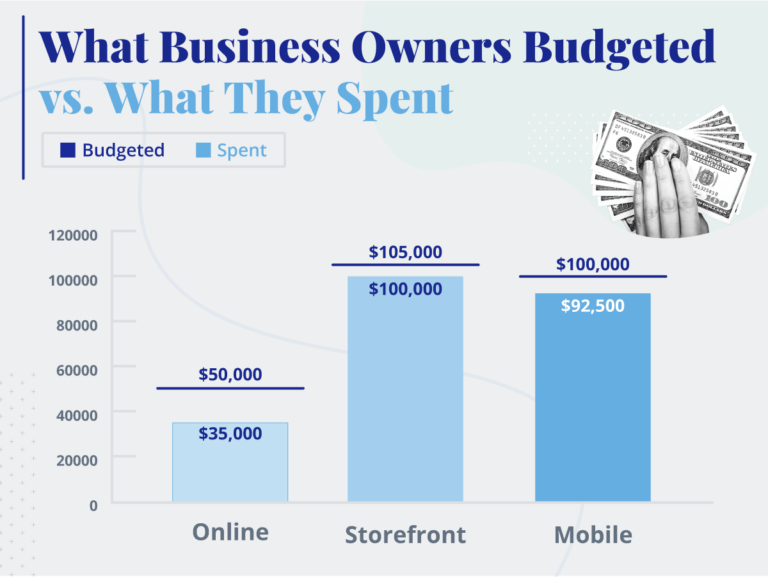
The Spectrum of Startup Costs: From Lean to Capital-Intensive
The actual amount of money needed is highly dependent on the business model. This spectrum highlights the vast difference in financial requirements.
Low-Cost Startups: Under $5,000 – $10,000
These businesses typically leverage existing skills, digital platforms, and minimal physical assets.
- Examples: Freelance consulting, online coaching, content creation (blogging, YouTube), dropshipping, affiliate marketing, virtual assistant services, graphic design, social media management, tutoring.
- Typical Costs: Domain name, web hosting, professional software subscriptions (e.g., Adobe Creative Cloud, accounting software), professional liability insurance, basic marketing. Many can be started from a home office with existing equipment.
Moderate-Cost Startups: $10,000 – $50,000
These often involve a physical presence, specialized equipment, or significant inventory.
- Examples: Small retail boutique, local service business (e.g., landscaping, cleaning, handyman), small restaurant/cafe (food truck might be lower), personal training studio, non-technical e-commerce with own inventory, small marketing agency with an office.
- Typical Costs: Lease deposits and build-out, initial inventory, some specialized equipment, advanced POS systems, more extensive marketing campaigns, hiring one or two part-time staff, comprehensive insurance.
High-Cost Startups: $50,000+ to Millions
These businesses require substantial upfront capital for infrastructure, research and development, or large-scale operations.
- Examples: Manufacturing plants, tech startups requiring significant R&D or proprietary hardware development, large retail chains, full-service restaurants, medical clinics, complex software-as-a-service (SaaS) platforms, breweries.
- Typical Costs: Purchasing real estate or long-term commercial leases, expensive machinery and equipment, extensive R&D, patent registration, significant staff salaries and benefits, large inventory, complex IT infrastructure, regulatory compliance for specific industries, widespread marketing campaigns, and often, venture capital funding.
Strategies for Funding Your Business and Managing Costs
Once you have a clear picture of your potential startup costs, the next step is to figure out how to finance them and how to keep them under control.
Bootstrapping and Self-Funding
Many entrepreneurs start by funding their businesses using personal savings, credit cards, or loans from friends and family. This approach, known as bootstrapping, allows for complete control and avoids debt or equity dilution but limits the scale and speed of growth. It’s often viable for low-cost startups.
Debt Financing
This involves borrowing money that must be repaid with interest.
- Small Business Loans: Offered by traditional banks, credit unions, and online lenders. Often requires a solid business plan, collateral, and a good personal credit score.
- SBA Loans: Government-backed loans (in the US) that offer more favorable terms and lower down payments, making them accessible to a wider range of small businesses.
- Lines of Credit: Flexible borrowing options that allow access to funds as needed, up to a certain limit.
- Equipment Leasing: Instead of buying expensive equipment outright, businesses can lease it, spreading costs over time.
Equity Financing
For businesses with high growth potential, especially in the tech sector, equity financing is common.
- Angel Investors: High-net-worth individuals who invest their own money in early-stage companies in exchange for an equity stake.
- Venture Capital (VC) Firms: Professional investors who manage funds from various sources and invest in companies with significant growth potential, typically in exchange for substantial equity and often a board seat.
- Crowdfunding: Raising small amounts of capital from a large number of people, often through online platforms. This can be equity-based (investors get a share) or reward-based (backers receive a product or perk).
Cost-Saving Measures and Lean Startup Principles
Regardless of your funding source, adopting a lean approach can significantly reduce initial outlays.
- Start Small and Scale: Don’t build out a huge operation on day one. Start with a minimum viable product (MVP) or service and expand as you gain customers and revenue.
- Utilize Free/Freemium Tools: Leverage free versions of software, open-source solutions, and free online marketing channels (e.g., organic social media, content marketing) whenever possible.
- Second-Hand Equipment: Consider purchasing used furniture, equipment, or machinery in good condition to save significantly.
- Remote Work/Co-working Spaces: Avoid expensive long-term leases by operating from home, using co-working spaces, or hiring a remote team.
- Outsource Non-Core Functions: Instead of hiring full-time staff for tasks like accounting, legal, or IT, outsource them to freelancers or agencies as needed.
The Critical Importance of a Financial Plan and Emergency Fund
No matter the size or type of business, a meticulously crafted financial plan is the cornerstone of successful entrepreneurship.
Developing a Comprehensive Business Plan
Your business plan should include a detailed financial section that projects startup costs, operating expenses, revenue forecasts, and cash flow statements. This isn’t just for attracting investors; it’s a critical roadmap for you, the entrepreneur, to understand the financial viability and requirements of your venture. It forces you to research costs thoroughly and make realistic assumptions.
Estimating Startup Costs Accurately
Underestimating costs is a common mistake. Be conservative in your revenue projections and generous in your cost estimates. Research industry averages, get multiple quotes for significant purchases, and speak to other entrepreneurs in your field. It’s always better to have too much capital than too little.
The Role of Working Capital and an Emergency Buffer
Beyond the initial one-time startup expenses, a critical component often overlooked is working capital – the funds needed to cover operating expenses until your business becomes profitable and self-sustaining. Experts often recommend having enough working capital to cover at least 3-6 months of operating expenses. Furthermore, always budget an emergency fund. Unexpected costs will arise, whether it’s a piece of equipment breaking down, a sudden spike in material costs, or a slower-than-expected revenue ramp-up. A contingency fund, typically 15-25% of your total estimated startup costs, acts as a financial safety net.

Conclusion
The question of “how much money does it take to start a business” elicits a complex answer, varying immensely based on the industry, business model, and entrepreneurial ambition. From the leanest online ventures requiring just a few hundred dollars to multi-million-dollar enterprises, the common thread is the absolute necessity of thorough financial planning. By meticulously researching and categorizing all potential costs, making realistic projections, exploring appropriate funding avenues, and adopting cost-saving strategies, entrepreneurs can navigate the financial hurdles and lay a robust foundation for their business’s success. Understanding the numbers is not just about securing funding; it’s about building a sustainable and profitable future.
aViewFromTheCave is a participant in the Amazon Services LLC Associates Program, an affiliate advertising program designed to provide a means for sites to earn advertising fees by advertising and linking to Amazon.com. Amazon, the Amazon logo, AmazonSupply, and the AmazonSupply logo are trademarks of Amazon.com, Inc. or its affiliates. As an Amazon Associate we earn affiliate commissions from qualifying purchases.