
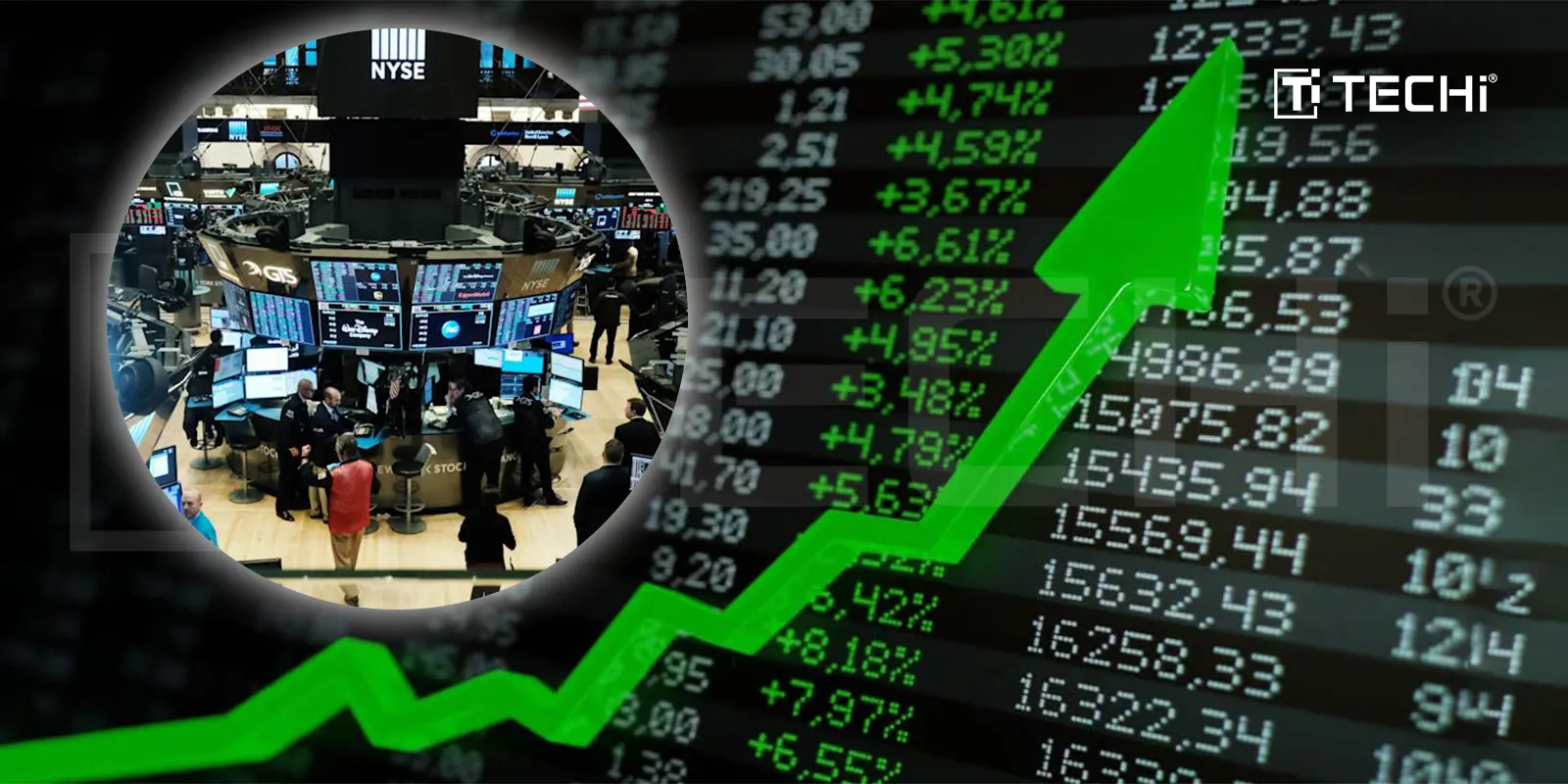
For many investors, the sudden cessation of market activity on certain days can be a perplexing, if not frustrating, experience. While some holidays, like Christmas or New Year’s Day, are universally recognized and expected to halt financial trading, others, such as Good Friday, often raise questions. The closure of the stock market on Good Friday is not merely an arbitrary decision; it is a tradition deeply rooted in historical practice, operational necessity, and a broader synchronization with the global financial landscape. Understanding why the New York Stock Exchange (NYSE) and NASDAQ, along with other major financial markets, observe this particular day offers valuable insight into the intricate workings of modern finance and the enduring influence of established customs.
The Historical Roots of Good Friday’s Market Closure
The practice of closing financial markets on Good Friday stems from a confluence of historical, religious, and cultural factors that have shaped Western economies for centuries. While the United States prides itself on a separation of church and state, many of its foundational institutions, including its financial markets, inherited practices established during periods when religious observance was more explicitly integrated into public life.
A Legacy of Religious Observance
Good Friday holds immense significance in Christianity, commemorating the crucifixion of Jesus Christ. Historically, in many Western countries, including the United States, this day was observed with solemnity, quiet reflection, and a widespread cessation of regular business activities. Financial markets, much like other sectors, adopted this tradition, providing a day for workers and institutions to observe the holiday.
This practice is not unique to Good Friday. Many market holidays, such as Christmas Day, trace their origins to major religious observances. Over time, as societies evolved and became more diverse, these religious holidays gradually transformed into secular or de facto federal holidays for specific industries, including finance, recognized more for their traditional observance than their strictly religious connotation in a pluralistic society.
Evolution into a De Facto Federal Holiday
While Good Friday is not one of the eleven official federal holidays recognized by the U.S. government for all its employees, it is widely treated as such within the financial sector. The Federal Reserve System, commercial banks, and credit unions across the United States are typically closed on Good Friday, significantly impacting the infrastructure required for market operations.
The NYSE and NASDAQ, the two largest stock exchanges in the U.S., explicitly include Good Friday in their annual holiday schedules. This puts it on par with other major market closures such as Martin Luther King, Jr. Day, Presidents’ Day, Memorial Day, Juneteenth, Independence Day, Labor Day, Thanksgiving Day, Christmas Day, and New Year’s Day. This consistent observation underscores its status as an established and non-negotiable break in the financial calendar, despite its distinct origin compared to some of the purely civic holidays. This institutionalized closure reflects a broader industry consensus that predates many current regulatory frameworks, showing the deep-seated nature of these traditions.
Operational and Economic Rationale for the Closure
Beyond historical tradition, there are compelling operational and economic reasons why the stock market pauses its frenetic activity on Good Friday. These practical considerations ensure market stability, fairness, and efficient processing of transactions, particularly in an increasingly interconnected global financial system.
Synchronization with Global Markets and Banks
One of the primary operational drivers for the Good Friday closure is the need for synchronization with major international financial centers. Many developed economies with historically strong Christian traditions, such as the United Kingdom, Germany, France, Canada, Australia, and parts of Asia, also observe Good Friday as a bank and market holiday.
If U.S. markets were to remain open while many of its key trading partners and global financial hubs were closed, it would create significant inefficiencies and potential market distortions. Trading volumes would be drastically reduced, liquidity would dry up, and the ability to price assets accurately based on global sentiment would be severely hampered. This fragmented trading environment could lead to increased volatility and greater risks for investors, as critical information or liquidity might be unavailable from major overseas markets. By closing, U.S. markets ensure they are aligned with a substantial portion of the global financial ecosystem, promoting stability and equitable access to information and capital.
Banking System Interdependence
The stock market’s ability to function relies heavily on the underlying banking system for clearing and settlement of trades. When an investor buys or sells shares, the actual transfer of ownership and funds (settlement) doesn’t happen instantaneously. It typically takes a couple of business days (T+2, or trade date plus two days) for the transaction to be fully settled.
Since most commercial banks and the Federal Reserve are closed on Good Friday, the critical infrastructure for processing these financial transactions is unavailable. If the stock market were to remain open, trades executed on that day would face severe delays or outright inability to settle. This would disrupt the entire post-trade processing ecosystem, creating a backlog, increasing counterparty risk, and potentially leading to systemic issues. The closure ensures that all components of the financial engine – from trading platforms to the banking networks that facilitate money movement – are in sync, preventing operational bottlenecks and safeguarding the integrity of the settlement process.
Employee Well-being and Industry Tradition
While often overlooked, the human element also plays a role. The financial industry is known for its demanding pace and long hours. Providing a standardized holiday offers a crucial break for the thousands of traders, analysts, brokers, support staff, and other professionals who make the markets run. This contributes to employee well-being and helps mitigate burnout, ultimately supporting a healthier and more sustainable work environment.
Furthermore, tradition itself holds significant weight in the financial world. The established rhythm of market holidays, including Good Friday, provides a predictable framework for planning and operations. Changing such a deeply ingrained practice would require substantial justification and coordination across numerous stakeholders, which currently does not appear to be a priority given the accepted benefits of the current system.
Impact on Investors and Market Activity
A market closure, particularly one extending over a long weekend, has various implications for investors, influencing trading strategies, information dissemination, and market psychology. Understanding these impacts is crucial for navigating the financial landscape effectively.

Halting Momentum and Speculation
One immediate effect of a market closure is the complete pause in trading momentum. News that breaks over the Good Friday weekend, whether positive or negative, cannot be immediately acted upon by investors. This enforced break can prevent impulsive, knee-jerk reactions that might otherwise occur during continuous trading. It provides a period for investors to digest information, reflect, and formulate more considered strategies before the markets reopen.
For day traders and those engaged in short-term speculation, the closure means a temporary halt to their activities. Positions must either be closed before the holiday or held through the weekend, exposing them to potential “gap risk” – where prices open significantly higher or lower than their closing levels due to events occurring during the closure.
Implications for Economic Data Releases
Major economic reports and corporate earnings announcements are typically scheduled around market operations. On market holidays like Good Friday, significant economic data releases from government agencies (e.g., employment reports, inflation data, GDP figures) are usually postponed until the next trading day. This avoids a scenario where critical market-moving information is released when markets are closed, only to create an unpredictable frenzy upon reopening.
However, sometimes geopolitical events, natural disasters, or unexpected corporate news can occur over the holiday weekend. In such cases, the full impact of these events is reflected in market prices only when trading resumes, often leading to increased volatility during the opening hours of the subsequent trading session.
Futures, Options, and Other Asset Classes
While the main equity markets (stocks) are closed, the activity in other financial instruments can vary. Some derivatives markets, particularly those for commodities (like oil or gold) or currencies, might have modified operating hours or even remain open (e.g., on electronic platforms like the CME Globex). However, futures and options on equity indices (like S&P 500 futures) often follow the lead of the underlying stock market and are either closed or operate with significantly reduced hours.
Crucially, the decentralized nature of cryptocurrency markets means they operate 24/7, 365 days a year, regardless of traditional holidays. This offers continuous trading opportunities but also exposes investors to uninterrupted volatility and makes it an entirely different proposition from traditional equity markets. Investors in multiple asset classes need to be aware of the specific holiday schedules for each market they participate in.
Pre-Holiday and Post-Holiday Trading Behavior
There is often observed “holiday effect” in financial markets. Trading volumes tend to be lighter in the days leading up to a long holiday weekend, as institutional investors and many individual traders choose to reduce their exposure to avoid weekend risk. This reduced liquidity can sometimes lead to increased volatility or unusual price movements.
Conversely, the first trading day after a long holiday can sometimes see increased activity as pent-up demand or supply hits the market, and investors react to any news that accumulated over the closure. Understanding these behavioral patterns can be an element of tactical investing, though general market direction is rarely dictated solely by holiday effects.
The Future of Market Holidays
In an increasingly digitized and globalized world, the concept of market holidays, especially those rooted in historical religious observances, occasionally prompts debate. The relentless march of technology and the emergence of “always-on” trading platforms raise questions about the long-term sustainability of traditional market closures.
Digitalization vs. Tradition
The rise of 24/7 trading in assets like cryptocurrencies demonstrates that continuous market operation is technologically feasible. Advanced electronic trading systems and global connectivity could theoretically allow markets to operate with minimal human intervention around the clock, perhaps with staggered shifts for human oversight. This poses a challenge to the traditional model of fixed trading hours and universal holidays.
However, the inertia within established financial institutions is immense. The benefits of tradition, predictable pauses, and synchronized global breaks are still highly valued by many market participants. The wholesale overhaul of market holiday schedules would be a monumental undertaking, requiring international coordination and consensus that is far from forthcoming.
Balancing Efficiency and Employee Welfare
The debate often boils down to a balance between maximizing market efficiency (more trading hours, fewer closures) and ensuring the welfare of the vast workforce that supports the financial ecosystem. The current system, with its defined holidays, provides scheduled respite that is vital for preventing burnout and maintaining the health and productivity of employees.
While the appeal of perpetual trading might seem logical from a purely technological standpoint, the human element remains critical. The complexity of financial markets still requires sophisticated human judgment, oversight, and intervention, which necessitates periods of rest. Therefore, market holidays serve a practical purpose beyond mere tradition, contributing to a more sustainable working environment for thousands.

Global Harmonization Efforts
There is an ongoing, albeit slow, movement towards greater harmonization of financial regulations and practices across major global financial centers. While achieving a perfectly aligned holiday schedule worldwide is likely an insurmountable task due to diverse cultural, religious, and national holidays, there could be efforts to standardize certain key closures or to adapt market infrastructures to better manage cross-border trading during fragmented holiday periods. For now, Good Friday stands as one of the few days where many major global markets find common ground in their collective pause.
In conclusion, the closure of the stock market on Good Friday is a multifaceted tradition rooted in historical religious observance that has evolved into an essential operational practice within the modern financial world. It ensures synchronization with global markets, facilitates the orderly settlement of trades via the banking system, and provides a necessary respite for market participants. While technology may challenge these traditions in the long run, the current system reflects a robust balance between historical practice, operational necessity, and the human needs of the financial industry, offering a predictable rhythm in the often unpredictable world of investing.
aViewFromTheCave is a participant in the Amazon Services LLC Associates Program, an affiliate advertising program designed to provide a means for sites to earn advertising fees by advertising and linking to Amazon.com. Amazon, the Amazon logo, AmazonSupply, and the AmazonSupply logo are trademarks of Amazon.com, Inc. or its affiliates. As an Amazon Associate we earn affiliate commissions from qualifying purchases.