
The digital age has revolutionized the way we conduct business, transforming the traditional marketplace into a vast, interconnected online ecosystem. For entrepreneurs, small business owners, freelancers, and even individuals looking to offload unused items or cultivate a new income stream, the question “Where can I sell online?” is more relevant and opportune than ever. The answer, however, isn’t singular; it’s a dynamic landscape brimming with diverse platforms, each offering unique advantages and catering to different business models and financial objectives. Understanding these avenues is the first critical step toward establishing a profitable online presence and tapping into the immense potential of e-commerce.
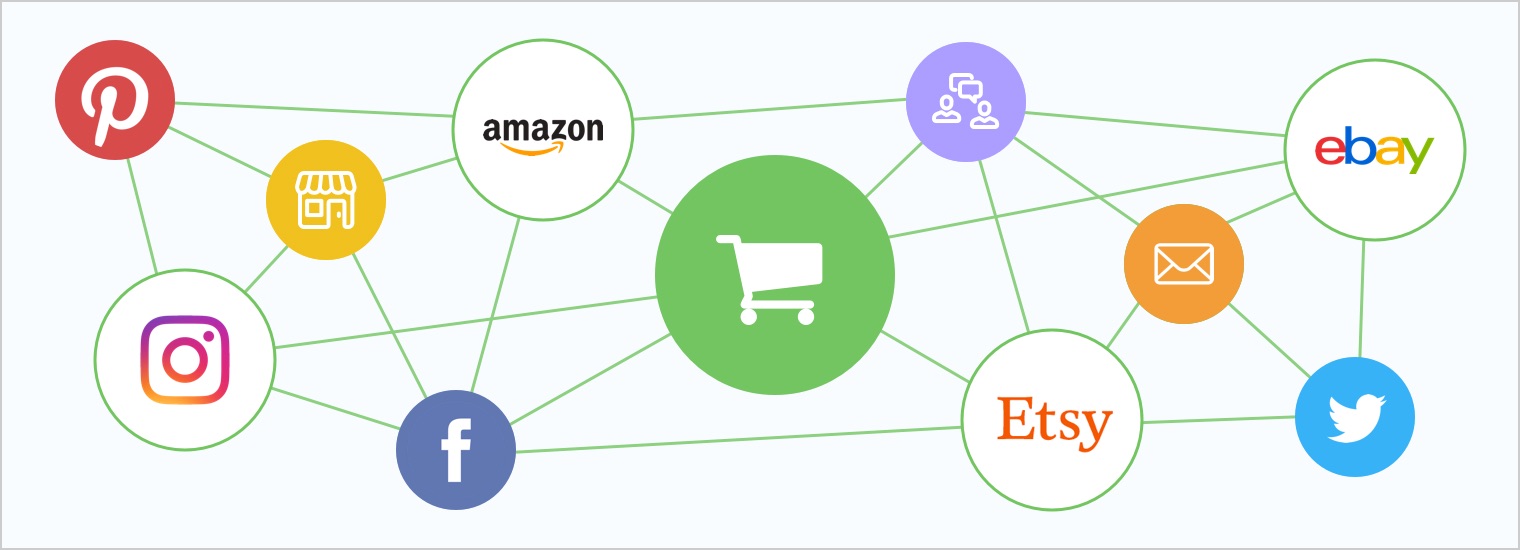
This guide will dissect the various pathways available for online selling, focusing on the financial implications, income generation potential, and strategic considerations pertinent to each. We’ll explore the behemoths of online retail, the allure of niche marketplaces, the power of building your own digital storefront, and even the burgeoning opportunities for selling services and digital products. By understanding the intricacies of each option, you can make an informed decision that aligns with your specific product, target audience, business goals, and financial aspirations.
Understanding the E-commerce Landscape
Before diving into specific platforms, it’s crucial to grasp the overarching context of online selling. The digital economy is a vibrant and ever-evolving space, offering unprecedented opportunities for income generation and wealth creation. However, success isn’t accidental; it requires strategic planning, a clear understanding of your value proposition, and an awareness of the financial commitments involved.
The Rise of Online Selling
The internet has democratized commerce, enabling anyone with a product or service to reach a global audience. This accessibility has fueled an explosion in online income generation, transforming side hustles into full-time businesses and allowing established companies to expand their reach exponentially. From handcrafted goods to digital courses, from vintage clothing to sophisticated software, nearly anything can be sold online. This accessibility means lower overhead costs compared to brick-and-mortar stores, greater flexibility, and the potential for significant profit margins if executed effectively. The initial investment can range from practically nothing (e.g., selling on a social media marketplace) to a substantial sum for a fully customized e-commerce site, making online selling adaptable to various budget levels.
Key Considerations Before Choosing a Platform
Selecting the right platform is pivotal to your financial success and operational efficiency. Several factors should guide your decision, each with direct implications for your bottom line:
- Product Type: What are you selling? Physical goods, digital downloads, or services? The nature of your offering will heavily dictate suitable platforms. For instance, handmade crafts might thrive on Etsy, while consulting services belong on freelance platforms.
- Target Audience: Who are you trying to reach? A broad consumer base or a specific niche? Marketplaces like Amazon cater to mass markets, while a specialized platform might connect you with highly engaged, niche buyers. Understanding your audience helps you choose where they already congregate online.
- Business Goals & Scale: Are you looking for a supplementary income, a full-time venture, or an enterprise-level operation? Some platforms are better suited for casual selling, while others provide robust tools for scaling a large business. Your desired growth trajectory will influence your platform choice, as will your expected revenue and profit margins.
- Budget & Fees: Each platform comes with its own fee structure, including listing fees, transaction fees, subscription costs, and payment processing charges. These can significantly impact your profitability. A thorough cost analysis is non-negotiable before committing to a platform.
- Level of Control & Branding: Do you want full control over your brand identity, customer data, and website design, or are you comfortable operating within a platform’s established framework? Building your own store offers maximum control but requires more effort in marketing and traffic generation.
Popular Marketplaces: Reaching a Broad Audience
For many aspiring online sellers, marketplaces offer the easiest entry point. They provide a ready-made audience and established infrastructure, significantly reducing the initial hurdles of setting up an online business.
E-commerce Giants
These platforms boast colossal user bases and robust ecosystems, making them ideal for reaching a wide array of potential customers, though at the cost of higher competition and platform fees.
- Amazon: The undisputed king of e-commerce, Amazon offers two primary selling options:
- Individual Seller: For those selling fewer than 40 items a month, with a per-item fee.
- Professional Seller: A monthly subscription fee for unlimited sales, access to advanced tools, and eligibility for Fulfillment by Amazon (FBA). FBA allows Amazon to store, pick, pack, and ship your products, streamlining logistics but incurring additional storage and fulfillment fees.
- Financial Insight: High sales volume potential, but substantial competition, referral fees (typically 8-15% of the selling price), and FBA fees can eat into profit margins. Success often requires competitive pricing and strong product differentiation.
- eBay: A pioneering online auction and fixed-price marketplace, eBay is excellent for new and used goods, collectibles, and unique items. Its auction format can be great for demand-driven pricing.
- Financial Insight: Lower entry barrier than Amazon, with listing fees (often a small amount or free for a limited number of listings) and final value fees (typically 10-12.9% of the total sale amount). Selling often relies on competitive bidding or attractive fixed prices to drive revenue.
- Etsy: The go-to platform for handmade, vintage, and craft supplies. Etsy fosters a community of creators and buyers who appreciate unique, artisan goods.
- Financial Insight: Relatively low listing fees ($0.20 per item) and a transaction fee (6.5% of the total sale amount), plus payment processing fees. It’s an excellent platform for creative entrepreneurs to build a brand and generate income from their passion.
- Walmart Marketplace: Positioned to compete with Amazon, Walmart Marketplace allows third-party sellers to list products on Walmart.com. It’s often seen as an opportunity for sellers already established on other major platforms.
- Financial Insight: Generally no monthly fees, but referral fees (typically 8-15%) are charged per sale. Walmart aims for competitive pricing, so managing your margins is crucial.
Niche & Specialized Marketplaces
These platforms cater to specific product categories or consumer interests, offering a more targeted approach. While the audience may be smaller, they are often highly engaged and willing to pay a premium for specialized items.
- Poshmark/Depop: Popular for selling clothing, accessories, and beauty products, especially used or vintage items. They function like social networks for fashion.
- Financial Insight: Relatively high transaction fees (Poshmark: $2.95 for sales under $15, 20% for sales $15+, Depop: 10% on total transaction), but the ease of listing and built-in community can drive quick sales and clear out inventory for profit.
- Reverb: A dedicated marketplace for musical instruments and gear. Sellers range from individuals to large retailers.
- Financial Insight: Transaction fee of 5% plus payment processing fees. It offers a targeted audience of musicians, often leading to better prices for specialized gear than general marketplaces.
- ArtFire: Similar to Etsy, but with a focus on handmade goods, fine art, and craft supplies.
- Financial Insight: Offers various subscription plans (ranging from free with higher transaction fees to paid plans with lower transaction fees). It’s an alternative for artisans seeking a different audience.
Social Commerce Platforms
Leveraging the massive user bases of social media, these platforms integrate shopping directly into the social experience, blurring the lines between browsing and buying.
- Facebook Marketplace: An informal peer-to-peer marketplace within Facebook, ideal for local sales of used goods, vehicles, and even services.
- Financial Insight: Largely free for peer-to-peer sales, making it excellent for local transactions and quick income. For businesses shipping items, a selling fee applies (5% per shipment, or a flat fee of $0.40 for shipments of $8.00 or less).
- Instagram Shopping/Pinterest Buyable Pins: These features allow businesses to tag products in posts or pins, linking directly to product pages or enabling in-app purchases.
- Financial Insight: While the platforms themselves don’t charge direct selling fees for this functionality (they profit from advertising), you’ll typically be directing traffic to your own e-commerce store, where your chosen payment processor and platform fees apply. The value lies in driving traffic and conversions.
Building Your Own Online Store: Control and Branding
For those seeking greater control, stronger branding, and direct customer relationships, building a standalone e-commerce website is the preferred route. This approach offers significant long-term financial benefits and scalability.
E-commerce Website Builders
These platforms provide the tools and infrastructure to create and manage your own online store without needing extensive coding knowledge.
- Shopify: The industry leader for e-commerce website builders, offering a comprehensive suite of tools for everything from product management to shipping and marketing. It’s highly scalable and suitable for businesses of all sizes.
- Financial Insight: Monthly subscription fees (starting around $29/month) plus transaction fees (typically 0.5% to 2% if not using Shopify Payments, otherwise just standard payment processing rates). While an initial investment, the control over branding, customer data, and lower per-transaction fees (compared to marketplaces) can lead to higher long-term profitability.
- WooCommerce (for WordPress): A free, open-source plugin that turns any WordPress website into a fully functional e-commerce store. It offers immense flexibility and customization.
- Financial Insight: The plugin itself is free, but you’ll need to pay for web hosting, a domain name, and potentially premium themes or extensions. This can be more cost-effective than Shopify for those comfortable with WordPress, offering greater control over costs and no direct transaction fees from WooCommerce itself (only payment processor fees).
- Wix/Squarespace: All-in-one website builders that also offer robust e-commerce capabilities. They are known for their user-friendly drag-and-drop interfaces and beautiful design templates.
- Financial Insight: Monthly subscription fees (e-commerce plans typically start around $20-$30/month) with no additional transaction fees from the platform, only payment processing fees. Ideal for visually driven brands or those wanting an integrated website and store.
The Benefits of Owning Your Platform
Building your own store offers several compelling advantages, especially from a financial perspective:
- Full Brand Control: Every aspect of your online presence—from design to customer experience—is dictated by you, fostering stronger brand identity and customer loyalty. This brand equity is a significant long-term asset.
- Lower Long-Term Transaction Fees: While there are subscription costs, the absence of per-sale listing or referral fees (common on marketplaces) means more of each sale goes directly into your pocket.
- Data Ownership: You own all customer data, enabling more effective marketing campaigns, retargeting efforts, and personalized customer service, which directly contributes to repeat business and higher customer lifetime value.
- Scalability: Dedicated e-commerce platforms are built to grow with your business, supporting increasing inventory, traffic, and sales volumes without forcing you into a platform’s specific rules or limitations.
Considerations for Self-Hosted Stores
While offering immense upside, building your own store requires attention to several technical and financial details:
- Domain Name & Hosting: You’ll need to purchase a unique domain name and secure reliable web hosting (unless using an all-in-one builder like Shopify). These are recurring costs.
- Payment Gateways: You’ll need to integrate a payment processor (e.g., PayPal, Stripe, Square) to accept online payments. These services charge transaction fees.
- Marketing & SEO: Unlike marketplaces that provide built-in traffic, you are solely responsible for driving visitors to your site through search engine optimization (SEO), social media marketing, paid advertising, and content marketing. This requires a dedicated budget and strategic effort.
Beyond Products: Selling Services and Digital Goods Online
The concept of “selling online” extends far beyond physical products. The digital realm offers vast opportunities for individuals and businesses to monetize skills, expertise, and creative output.
Freelance Marketplaces
These platforms connect skilled professionals with clients seeking specific services, from writing and design to programming and consulting. They are excellent avenues for generating income from your expertise.
- Upwork/Fiverr: Two of the largest freelance marketplaces. Upwork focuses on a broader range of professional services, often for larger projects, while Fiverr is known for its “gig” economy, offering smaller, standardized services.
- Financial Insight: Both platforms charge service fees (Upwork: a tiered fee ranging from 20% down to 5% based on lifetime earnings with a client; Fiverr: 20% on all sales). While these fees are substantial, the platforms provide access to a global client base, secure payment processing, and dispute resolution, making them effective for building a client portfolio and generating consistent income.
- Toptal/PeoplePerHour: Toptal specializes in connecting clients with top-tier freelance software developers, designers, and finance experts, commanding higher rates. PeoplePerHour offers a broader range of freelance services.
- Financial Insight: Toptal vets freelancers stringently, which can lead to higher earning potential. PeoplePerHour charges a tiered service fee. The key financial benefit of these platforms is the ability to leverage specialized skills into direct income streams without the overhead of traditional employment.
Selling Digital Products
Digital products—like e-books, online courses, templates, and software—offer incredibly high-profit margins because they have no inventory costs and can be sold repeatedly with minimal additional effort.
- Online Course Platforms (Teachable, Thinkific, Kajabi): These platforms enable educators and experts to create, host, and sell online courses.
- Financial Insight: They typically operate on subscription models, often with transaction fees on lower-tier plans. The upfront investment is in content creation, but once a course is made, it can generate passive income for years, offering substantial ROI.
- E-book & Template Marketplaces (Gumroad, Creative Market, Amazon Kindle Direct Publishing): These platforms facilitate the sale of digital files.
- Financial Insight: Gumroad takes a percentage per sale (typically 10%), making it easy to start. Creative Market has a revenue share model (around 60% to the seller). Amazon KDP offers royalties (up to 70%) for e-books. The potential for scalable, passive income is a major draw here, requiring strong marketing to drive initial sales.
Monetizing Content
For creators who build an audience, platforms designed for content monetization offer recurring income streams.
- Patreon: Allows fans to support creators through monthly subscriptions, offering exclusive content or perks.
- Financial Insight: Charges a platform fee (5-12% of earnings, depending on the plan) plus payment processing fees. It’s ideal for building a stable, recurring income from a dedicated community.
- Substack: A platform for writers to publish newsletters and offer paid subscriptions.
- Financial Insight: Takes a 10% cut of subscription revenue. Excellent for journalists, writers, and analysts looking to monetize their insights directly.
Essential Strategies for Online Selling Success
Regardless of where you choose to sell online, certain fundamental strategies are critical to maximizing your income and building a sustainable business. These are not platform-specific but rather universal principles for financial success in e-commerce.
Optimizing Product Listings and Descriptions
Your product’s presentation is paramount. High-quality images, compelling descriptions that highlight benefits, clear pricing, and accurate specifications are crucial. For services, detailed portfolios and clear deliverables are key. Better listings lead to higher conversion rates and fewer returns, directly impacting your profit margins.
Pricing Strategies and Profit Margins
Effective pricing is an art and a science. You must cover your costs (product, shipping, platform fees, marketing) while remaining competitive and offering value to customers. Understanding your break-even point and calculating your gross and net profit margins for each sale is essential for long-term financial viability. Consider various pricing models, from competitive pricing to value-based pricing, depending on your product and market position.
Marketing and Promotion Tactics
Driving traffic to your products or services is non-negotiable. This involves:
- Search Engine Optimization (SEO): Optimizing your listings or website content with relevant keywords to rank higher in search results.
- Social Media Marketing: Engaging with potential customers, showcasing products, and running targeted ad campaigns.
- Email Marketing: Building an email list for direct communication with customers about new products, promotions, and exclusive offers.
- Paid Advertising: Investing in ads on platforms like Google, Facebook, or Instagram to reach a wider audience.
A well-executed marketing strategy directly translates to increased sales and revenue.
Customer Service and Reputation Management
Exceptional customer service builds trust, encourages repeat business, and generates positive reviews—all vital for long-term income growth. Prompt communication, transparent policies, and efficient problem-solving contribute to a strong reputation, which is a significant asset in the online world. Negative feedback, if unaddressed, can severely impact sales.
Managing Logistics (Shipping, Returns, Inventory)
For physical products, efficient logistics are critical. This includes choosing reliable shipping carriers, setting clear shipping costs, managing inventory levels to avoid stockouts or overstock, and having a fair and straightforward returns policy. Poor logistical management can lead to dissatisfied customers, increased costs, and ultimately, reduced profitability.
In conclusion, the question “Where can I sell online?” opens up a world of income-generating opportunities. Whether you opt for the broad reach of a marketplace, the control of your own e-commerce site, or the specialized avenues for services and digital goods, success hinges on strategic planning, diligent execution, and a keen understanding of the financial dynamics at play. By carefully considering your product, audience, goals, and the specific advantages and costs of each platform, you can confidently navigate the e-commerce landscape and build a thriving online business. The journey to online selling success is a marathon, not a sprint, demanding continuous learning, adaptation, and a relentless focus on delivering value and optimizing your financial performance.
aViewFromTheCave is a participant in the Amazon Services LLC Associates Program, an affiliate advertising program designed to provide a means for sites to earn advertising fees by advertising and linking to Amazon.com. Amazon, the Amazon logo, AmazonSupply, and the AmazonSupply logo are trademarks of Amazon.com, Inc. or its affiliates. As an Amazon Associate we earn affiliate commissions from qualifying purchases.