
The Dow Jones Industrial Average (DJIA), often simply referred to as “the Dow,” stands as one of the most widely recognized and oldest stock market indices globally. Comprising 30 large, publicly-owned companies based in the United States, it serves as a critical barometer for the health of the U.S. stock market and, by extension, the broader economy. When we observe the Dow on an upward trajectory, it signals more than just a good day for a handful of companies; it often reflects a complex interplay of macroeconomic forces, corporate performance, investor sentiment, and global economic conditions. Understanding “why the Dow is up” requires a deep dive into these multifaceted drivers, offering insights not just for seasoned investors but for anyone seeking to comprehend the pulse of the financial world.
A rising Dow typically indicates a period of economic optimism and growth, where businesses are thriving, employment is strong, and consumer confidence is high. However, the reasons behind its ascent are rarely monolithic. They can range from pivotal shifts in monetary policy and technological advancements to robust corporate earnings and positive geopolitical developments. This article will unravel the primary factors contributing to an upward trend in the Dow, providing a comprehensive analysis for those keen on deciphering market movements and their implications for personal finance and investment strategies.
Understanding the Dow Jones Industrial Average (DJIA)
To grasp why the Dow might be rising, it’s essential first to understand what it is and what it represents. Far from a simple average of 30 stock prices, the DJIA is a price-weighted index that offers a snapshot of the performance of some of America’s largest and most influential corporations.
What is the DJIA?
The Dow Jones Industrial Average was created in 1896 by Charles Dow and Edward Jones. Its initial purpose was to track the performance of industrial sector companies, reflecting the dominant economic activities of the era. Over time, its composition has evolved significantly to include companies from various sectors, such as technology, healthcare, finance, and retail, making it a broader, though still limited, representation of the U.S. economy. Unlike market-cap weighted indices like the S&P 500, where companies with larger market capitalizations have a greater impact, the Dow is price-weighted. This means that stocks with higher share prices have a proportionally greater influence on the index’s value, regardless of their total market value.
Its Significance in the Market
Despite its limitations (being composed of only 30 companies and being price-weighted), the DJIA remains highly significant. It is frequently cited in news reports and serves as a quick reference point for market performance. Its historical longevity and the prominence of its constituent companies give it psychological importance, often influencing broader investor sentiment. A rising Dow can inspire confidence, encouraging more investment, while a falling Dow can trigger apprehension. For many, it’s the most accessible gauge of whether the “market is up” or “market is down,” even if it doesn’t represent the entire market universe.
Key Components and Calculation
The 30 companies that make up the Dow are selected by the editors of The Wall Street Journal. The selection is not based on rigid quantitative rules but rather aims to choose companies that represent a significant portion of the U.S. market and have an excellent reputation, demonstrated sustained growth, and appeal to a large number of investors. Companies are added or removed periodically to maintain the index’s relevance. The calculation involves summing the prices of the 30 stocks and dividing by a “Dow Divisor,” a number adjusted for stock splits and other structural changes to ensure historical continuity. This divisor makes comparing the index value over time meaningful, despite changes in its components. When the Dow is up, it means the collective value of these 30 influential stocks has increased.
Macroeconomic Factors Driving Market Gains
The performance of the Dow is intrinsically linked to the broader macroeconomic environment. Favorable economic conditions provide a fertile ground for corporate profitability, which in turn fuels investor confidence and stock market gains.
Economic Growth and Corporate Earnings
One of the most direct catalysts for a rising Dow is robust economic growth. When the Gross Domestic Product (GDP) expands, it typically signifies increased production, higher consumer spending, and greater business investment. This translates directly into stronger corporate revenues and, critically, higher earnings. Companies listed on the Dow are often bellwethers of economic activity; if they are reporting solid profits, growing their sales, and issuing optimistic forecasts, it encourages investors to buy their stocks, driving up share prices and, consequently, the Dow. Strong corporate earnings reports are a powerful signal of underlying economic health and a primary reason for sustained market uptrends.
Interest Rates and Monetary Policy
The actions of central banks, particularly the U.S. Federal Reserve, have a profound impact on the stock market. Low interest rates, for instance, make borrowing cheaper for businesses, enabling them to invest in expansion, research, and development, which can boost future earnings. Lower rates also make it less attractive to hold money in savings accounts or bonds, pushing investors towards riskier, higher-return assets like stocks. Conversely, a stable or decreasing interest rate environment can signal that the central bank is confident in the economy’s ability to absorb lower rates without igniting inflation, further boosting market confidence. When the Fed implements accommodative monetary policies, such as quantitative easing or maintaining low benchmark rates, it often acts as a significant tailwind for the stock market.
Inflationary Pressures and Consumer Spending
The relationship between inflation and the Dow is nuanced. Moderate inflation can be a sign of a healthy, growing economy, as it often coincides with increased consumer demand and pricing power for businesses. Companies can pass on higher costs to consumers, maintaining profit margins. When consumer spending is strong, it directly benefits companies across various sectors, from retail to technology to industrials, many of which are Dow components. High consumer confidence, driven by job security and rising wages, leads to greater discretionary spending, which fuels corporate growth and boosts stock valuations. However, persistently high or runaway inflation can erode purchasing power and corporate profits, potentially turning into a headwind. A “goldilocks” scenario of moderate, controlled inflation often provides the best backdrop for market gains.
Sector-Specific Performance and Innovation
While the Dow represents a cross-section of the economy, specific sectors and innovative breakthroughs often take the lead in driving its upward momentum.
Strength in Specific Industries

At any given time, certain sectors outperform others due. For example, a surge in technological innovation might see tech giants driving the Dow higher, while increased infrastructure spending could boost industrial companies. Similarly, breakthroughs in healthcare or robust financial sector performance due to favorable economic conditions can disproportionately contribute to the Dow’s gains. The Dow’s composition, though diverse, can be heavily influenced by the performance of a few dominant companies within these leading sectors. When multiple key components from strong sectors are simultaneously performing well, their collective impact can significantly lift the entire index. This highlights the importance of understanding which industries are currently experiencing tailwinds.
Impact of Innovation and Productivity Gains
Technological innovation is a perpetual engine of economic growth and market appreciation. New products, services, and efficiency improvements can lead to increased productivity, lower costs, and expanded market reach for companies. Whether it’s advancements in artificial intelligence, biotechnology, renewable energy, or digital infrastructure, these innovations create new industries and revitalize existing ones. Companies that successfully innovate and adapt often see their stock prices rise, directly impacting the Dow. Productivity gains, driven by automation and technological adoption, allow companies to produce more with less, leading to higher profit margins and greater shareholder value. A period of rapid innovation often correlates with a bullish market, as investors anticipate future growth.
Global Economic Interplay
No major economy operates in isolation. The U.S. economy, and therefore the Dow, is heavily influenced by global economic conditions. Strong growth in major trading partners, stable international trade relations, and a generally peaceful geopolitical landscape can create a favorable environment for Dow companies, many of which have significant international operations and revenue streams. Increased global demand for American products and services, reduced trade barriers, or coordinated global economic policies can all contribute to the profitability of multinational corporations listed on the Dow, translating into higher stock prices and an upward movement for the index. Conversely, global instability or economic slowdowns can quickly reverse these trends.
Investor Sentiment and Market Dynamics
Beyond fundamental economic and corporate data, the psychological aspect of the market – investor sentiment – plays a crucial role in determining whether the Dow is up or down.
Confidence and Bullish Outlook
Market movements are not purely rational; they are also driven by human emotions and expectations. When investors are confident about the future prospects of the economy and corporate earnings, they tend to buy stocks, pushing prices higher. This “bullish” sentiment can be self-reinforcing: as the Dow rises, more investors are drawn in, creating further upward momentum. Positive news cycles, optimistic analyst reports, and a general sense of stability can contribute to this confidence. Conversely, fear and uncertainty can lead to selling. Therefore, a prevailing bullish outlook among institutional and retail investors is a significant factor in explaining why the Dow continues to climb.
Technical Analysis and Market Momentum
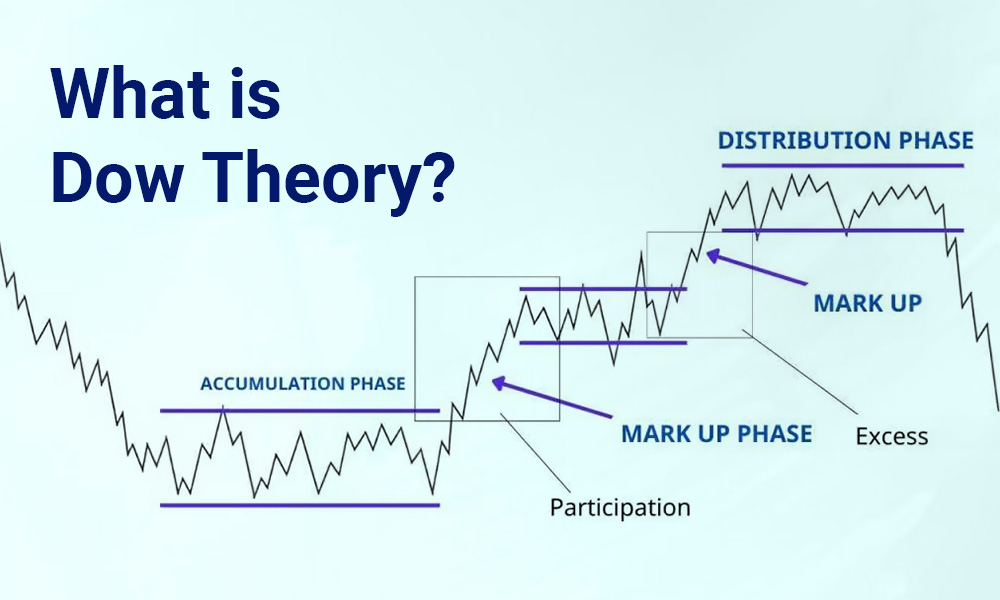
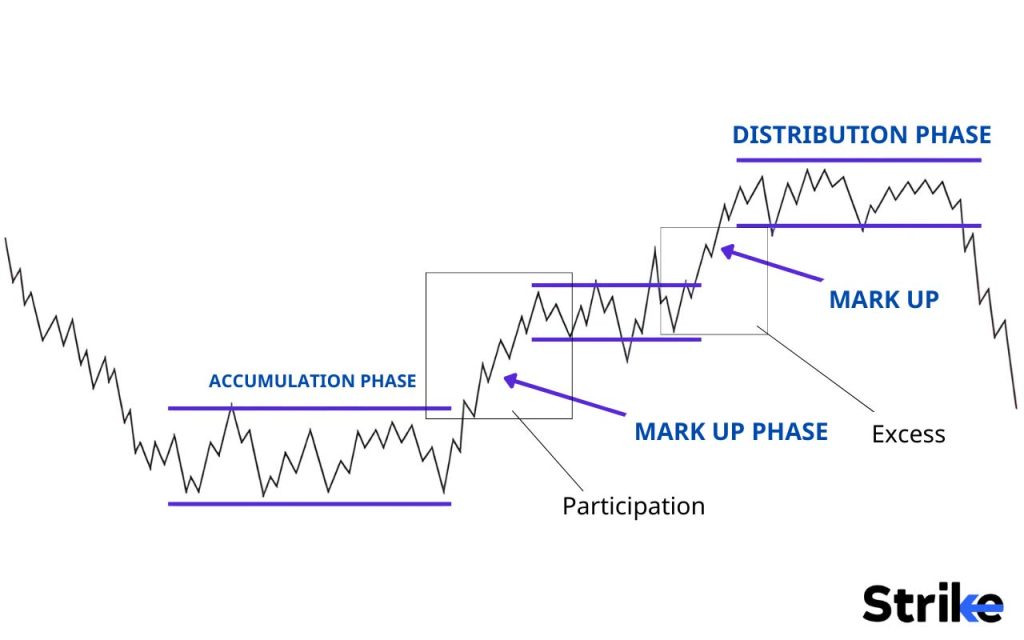
Technical analysis, which involves studying past market data, primarily price and volume, to forecast future price movements, also influences short-to-medium-term Dow movements. Traders and investors often look for patterns, trends, and momentum indicators. When the Dow breaks above key resistance levels or exhibits strong upward momentum on its charts, it can attract further buying interest from technically oriented traders. The “fear of missing out” (FOMO) can also play a role, as investors jump into a rising market to capitalize on perceived gains. While fundamentals dictate long-term value, technical factors and market momentum can explain significant short-term swings and why a rally continues once it has started.
Geopolitical Stability and Risk Appetite
Geopolitical stability significantly impacts investor risk appetite. Periods of peace, predictable international relations, and the absence of major global crises tend to encourage investors to take on more risk, shifting capital into equities. Conversely, geopolitical tensions, conflicts, or significant policy uncertainties can lead to market volatility and a flight to safety, where investors sell stocks and buy assets like government bonds or gold. When the global political landscape is relatively calm, and major risks appear contained, investors are more willing to invest in growth assets, benefiting the Dow. A reduction in perceived geopolitical risk fosters confidence and supports a bullish market environment.
Navigating a Rising Market: What Investors Should Consider
While a rising Dow is generally good news, it’s crucial for investors to approach such periods with a thoughtful and strategic mindset. Euphoria can lead to poor decisions, just as panic can during downturns.
Diversification and Risk Management
Even in a bull market, diversification remains paramount. A rising tide lifts all boats, but not all boats equally. Concentrating investments in a few high-flying stocks or sectors can expose an investor to significant risk if those specific holdings underperform or correct sharply. A well-diversified portfolio across different asset classes (stocks, bonds, real estate), industries, and geographies helps mitigate specific company or sector risk. Regularly rebalancing your portfolio to maintain your desired asset allocation ensures that you’re not overexposed to any single area, even if it’s performing exceptionally well. Risk management also involves understanding your personal risk tolerance and adjusting your investments accordingly, regardless of market direction.
Long-Term vs. Short-Term Perspectives
For most individual investors, adopting a long-term perspective is key, especially during market rallies. While it’s tempting to chase short-term gains, timing the market is notoriously difficult. A rising Dow might experience periodic corrections or pullbacks, and reacting emotionally to these short-term fluctuations can be detrimental to long-term wealth creation. Investors focused on the long term understand that market uptrends are often punctuated by volatility but tend to deliver positive returns over decades. Stick to your investment plan, avoid impulsive decisions based on daily market headlines, and focus on your financial goals rather than fleeting market movements.
The Importance of Fundamental Analysis
Even when the Dow is soaring, the underlying fundamentals of the companies within it are what truly matter for sustainable growth. Don’t get swept up in speculative bubbles. Conduct thorough fundamental analysis of your holdings. Are the companies you own genuinely growing their earnings? Do they have strong balance sheets, competitive advantages, and sound management? Are their valuations reasonable given their growth prospects? A rising Dow driven purely by sentiment without strong fundamental backing can be precarious. Savvy investors use periods of market strength to reassess their holdings, trimming positions in overvalued assets and identifying new opportunities that still offer good value, ensuring their portfolio is built on a solid foundation.
In conclusion, a rising Dow Jones Industrial Average is a complex indicator, reflecting a confluence of positive macroeconomic factors, strong corporate performance, technological innovation, favorable investor sentiment, and global stability. For investors, understanding these drivers is crucial not just for interpreting market signals but for making informed decisions that align with their long-term financial goals, even as the market reaches new heights.
aViewFromTheCave is a participant in the Amazon Services LLC Associates Program, an affiliate advertising program designed to provide a means for sites to earn advertising fees by advertising and linking to Amazon.com. Amazon, the Amazon logo, AmazonSupply, and the AmazonSupply logo are trademarks of Amazon.com, Inc. or its affiliates. As an Amazon Associate we earn affiliate commissions from qualifying purchases.