
Tesla’s journey on the stock market has been nothing short of extraordinary, captivating investors and analysts alike with its meteoric rise. For years, the question “why is Tesla stock so high?” has lingered, often asked with a mix of awe, skepticism, and genuine curiosity. To unravel this complex puzzle, one must delve deep into the company’s unique position, its future prospects, market dynamics, and the intricate psychology of investing in a disruptive innovator. From an investment perspective, Tesla’s valuation isn’t merely a reflection of its current profitability but a powerful testament to market expectations, technological leadership, and the profound vision of its enigmatic CEO, Elon Musk. Understanding this requires moving beyond traditional metrics and embracing a more holistic view of future potential and market sentiment that defines high-growth, transformative companies.

Disruptive Innovation and Market Leadership
At the heart of Tesla’s high valuation lies its undisputed position as a pioneer and leader in several transformative industries. Investors are not just buying into a car company; they are investing in a technology powerhouse positioned at the nexus of electric vehicles, renewable energy, and artificial intelligence. This disruptive edge offers a compelling narrative for long-term growth and market dominance, justifying a premium valuation.
Pioneer in Electric Vehicles (EVs)
Tesla didn’t just build electric cars; it redefined the automotive industry. Before Tesla, EVs were largely seen as niche, underperforming alternatives. Tesla made them desirable, high-performance, and technologically advanced. The company’s early mover advantage allowed it to establish significant brand equity and a loyal customer base. Investors recognize that Tesla not only created the premium EV market but continues to set the pace for innovation in range, performance, and charging infrastructure. This leadership position translates into sustained revenue growth and potential for global market share expansion, fueling investor confidence that traditional automakers are still struggling to catch up. The vast and growing total addressable market for EVs, driven by environmental concerns and government incentives, positions Tesla perfectly for continued expansion, promising substantial future earnings.
Advanced Battery Technology and Manufacturing
A crucial, yet often underestimated, pillar of Tesla’s investment thesis is its vertical integration and expertise in battery technology and manufacturing. Batteries are the most expensive component of an EV, and Tesla’s relentless focus on reducing costs, improving energy density, and scaling production through innovations like its 4680 cells and giga-press manufacturing methods offers a significant competitive advantage. This internal capability reduces reliance on external suppliers, improves margins, and accelerates product development cycles. Investors view Tesla’s battery technology as a core differentiator that not only enhances its EV offerings but also underpins its growing energy storage business (Powerwall, Megapack). The ability to produce high-performance, cost-effective batteries at scale is a critical factor in driving down EV prices, accelerating adoption, and ultimately, boosting Tesla’s profitability and market capitalization.
Autonomous Driving Ambitions (FSD)
Perhaps one of the most speculative, yet potentially most valuable, aspects of Tesla’s future is its Full Self-Driving (FSD) technology. While still in beta and facing regulatory hurdles, the promise of true autonomous driving represents an enormous untapped revenue stream. If Tesla successfully deploys FSD, it could transition from a high-margin vehicle manufacturer to a highly profitable software and services company, operating a vast robotaxi network. This potential shift in business model, with its recurring revenue and extremely high profit margins, is a key driver of investor optimism and a significant contributor to the “optionality premium” in Tesla’s stock price. The market capitalizes not just on current earnings but on the potential for future, paradigm-shifting revenue streams.
Visionary Leadership and Brand Momentum
Beyond its technological prowess, Tesla benefits immensely from its charismatic leader and an incredibly strong brand that transcends traditional corporate identity. This unique blend of leadership and brand power significantly influences investor perception and market valuation, positioning Tesla as more than just a company, but a movement.
Elon Musk’s Influence and Investor Confidence
Elon Musk is arguably the most influential CEO of our time, and his persona is inextricably linked to Tesla’s stock performance. His audacious vision, engineering acumen, and relentless pursuit of seemingly impossible goals inspire immense confidence among investors, particularly retail investors. Musk’s ability to articulate a compelling future – sustainable energy, space exploration, AI advancement – creates a powerful narrative that attracts capital. While his controversial statements can introduce volatility, his track record of turning ambitious visions into reality (SpaceX, PayPal, Tesla) fosters a deep belief in Tesla’s long-term potential. This “Musk premium” is a significant factor in the stock’s high valuation, as investors are betting on his continued ability to innovate and execute.
Cult-like Following and Brand Loyalty
Tesla has cultivated a brand loyalty that few other automotive or tech companies can match. Its customers are often passionate advocates, actively promoting the brand and its mission. This “cult-like” following reduces marketing costs and creates a powerful word-of-mouth engine. From an investment perspective, strong brand loyalty translates into predictable demand, high customer retention, and pricing power. Furthermore, Tesla’s brand is synonymous with innovation, sustainability, and luxury, appealing to a broad demographic willing to pay a premium for its products. This strong brand momentum ensures continued sales and allows the company to navigate competitive pressures more effectively, underpinning its revenue stability and growth prospects.
Media Attention and Public Perception
Tesla consistently dominates headlines, whether through product announcements, technological breakthroughs, or Elon Musk’s pronouncements. This continuous media attention, both positive and negative, keeps Tesla top-of-mind for consumers and investors alike. While sometimes tumultuous, this constant visibility translates into enormous public awareness and intrigue. For investors, particularly retail investors, this high level of engagement means that Tesla is always a topic of discussion, attracting new capital and reinforcing existing positions. The company leverages this public perception to its advantage, using social media and direct communication to shape narratives and foster a sense of participation among its stakeholders, reinforcing its unique market position.
Growth Potential and Future Markets
Tesla’s valuation isn’t just about what it is today, but what investors believe it will become tomorrow. The company’s ambitious growth strategies, diversification into new sectors, and global expansion plans paint a picture of exponential revenue and profit growth, justifying a forward-looking valuation.
Global Expansion and Gigafactories
Tesla’s strategy of building Gigafactories across continents (e.g., Shanghai, Berlin, Texas) is a clear indicator of its commitment to global market dominance. These factories not only increase production capacity but also reduce logistics costs and allow Tesla to adapt its offerings to regional demands. Each new Gigafactory represents a significant increase in potential vehicle deliveries and market penetration, opening up vast new revenue streams. Investors recognize that the global EV market is still in its infancy, and Tesla’s proactive expansion positions it to capture a disproportionate share of this explosive growth. The scalability of its manufacturing processes and supply chain further strengthens the investment thesis, promising efficient expansion and economies of scale.

Diversification into AI, Robotics, and Energy
While known for EVs, Tesla is increasingly positioning itself as a leader in AI and robotics, with projects like the Optimus humanoid robot and advanced AI software development. These ventures, though nascent, offer additional avenues for future growth and diversification. The underlying AI technology developed for FSD can be applied to various other sectors, potentially unlocking new markets and revenue streams beyond transportation. Similarly, Tesla’s energy division, encompassing solar panels, Powerwall battery storage, and Megapack utility-scale batteries, is a rapidly expanding segment. As the world transitions to renewable energy, Tesla’s integrated solutions offer a compelling value proposition. These diversified growth vectors provide multiple shots on goal for investors, reducing reliance on any single product line and bolstering the long-term investment case.
Software and Services Revenue Potential
A critical component of Tesla’s future valuation lies in its potential to generate high-margin software and services revenue. Beyond the initial vehicle sale, subscriptions to FSD, premium connectivity, and potential future services like ride-hailing networks represent recurring income streams. This shift from a transactional hardware model to a recurring software and services model can dramatically increase profitability and investor appeal, as software companies typically command higher valuations due to their scalability and lower marginal costs. The extensive data collected from its fleet of vehicles also provides an invaluable asset for continuous improvement and new service development, creating a virtuous cycle of innovation and revenue generation.
Market Dynamics and Investment Sentiment
Beyond the fundamentals of the company, external market forces and the collective psychology of investors play a crucial role in inflating stock prices, particularly for highly visible and polarizing stocks like Tesla. These dynamics create a feedback loop that can propel a stock far beyond traditional valuation metrics.
Retail Investor Enthusiasm and Social Media Influence
Tesla is a darling of retail investors, often driven by a belief in the company’s mission, its products, and Elon Musk. The accessibility of trading platforms and the rise of financial social media communities (e.g., Reddit, Twitter) amplify this enthusiasm. Retail investors, often less focused on traditional valuation metrics and more on long-term vision and market disruption, pour significant capital into Tesla, creating strong buying pressure. This collective bullish sentiment can act as a powerful force, pushing the stock higher and creating a positive feedback loop where rising prices attract more buyers.
Short Squeeze Dynamics
For a long time, Tesla was one of the most heavily shorted stocks on the market, with many institutional investors betting against its success. However, any positive news or unexpected growth could trigger a “short squeeze,” where short sellers are forced to buy back shares to cover their positions, driving the price up even further. This dynamic creates an inherent upward bias, as large short positions can fuel rapid price surges during periods of positive momentum, amplifying the stock’s volatility but also contributing to its upward trajectory. The risk of being squeezed often deters new short sellers, reducing selling pressure over time.
Inclusion in Major Indices (e.g., S&P 500)
Tesla’s inclusion in prestigious indices like the S&P 500 in December 2020 was a significant catalyst. This event forced passive funds and institutional investors tracking these indices to buy billions of dollars worth of Tesla stock, regardless of their individual valuation opinions, simply to match the index’s composition. Such forced buying creates enormous demand, driving up the stock price. Index inclusion also grants a company greater legitimacy and visibility among a broader institutional investor base, leading to sustained interest and investment.
Low Interest Rate Environment (Historically)
Historically, periods of low interest rates have favored growth stocks like Tesla. When the cost of borrowing is low, investors are more willing to take on risk and invest in companies that promise high future returns, even if current profitability is modest or valuations appear stretched. Low interest rates reduce the “discount rate” used in valuation models, making future earnings more valuable today and thus inflating current stock prices. While the interest rate environment has shifted, the legacy impact of previous low-rate periods contributed significantly to Tesla’s dramatic ascent.
Valuation Metrics and Investor Expectations
Tesla’s valuation often defies conventional financial analysis, leading many to question its sustainability. However, for a disruptive growth company, traditional metrics are often complemented, or even superseded, by forward-looking projections and an assessment of its “optionality.”
High Price-to-Earnings (P/E) Ratios and Growth Multiples
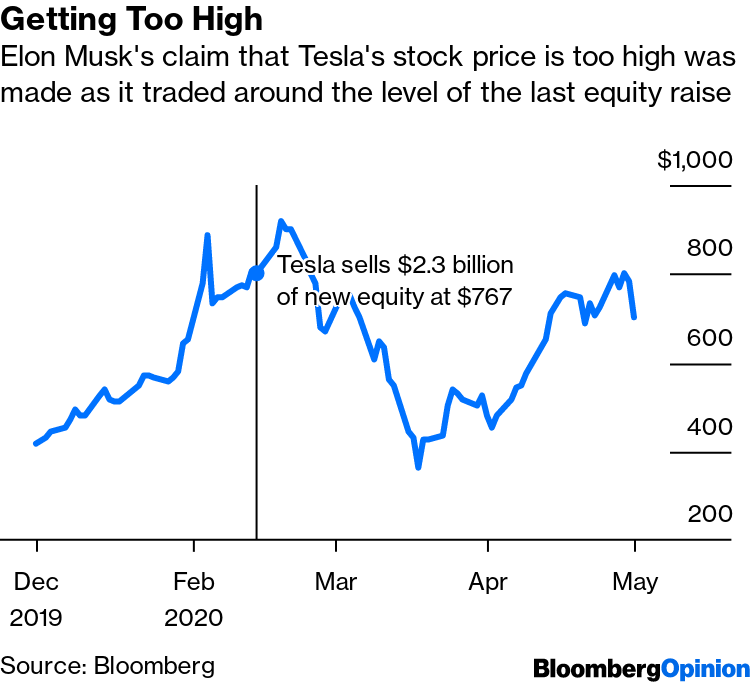
Compared to established automakers, Tesla’s Price-to-Earnings (P/E) ratio and other valuation multiples (like Price-to-Sales) have historically been extraordinarily high. While traditional value investors might balk at such figures, growth investors justify these high multiples by projecting massive future earnings growth. They argue that Tesla is not merely an automotive company but a fast-growing technology firm whose early investments in R&D, manufacturing, and AI will pay off handsomely in the decades to come. The market prices in the expectation of future dominance rather than current profitability, leading to a significant premium for anticipated growth.
Discounted Cash Flow (DCF) Models and Long-Term Projections
Sophisticated investors attempting to value Tesla often rely on Discounted Cash Flow (DCF) models, which project the company’s future cash flows far into the future (10-20 years or more) and discount them back to the present. For Tesla, these models incorporate aggressive assumptions about market share, profitability, and the success of its diversified ventures (FSD, energy, robotics). While highly sensitive to assumptions, these models can theoretically justify a high present valuation if the long-term growth and profitability projections are sufficiently optimistic. Investors are essentially betting on Tesla’s ability to achieve its ambitious goals and capture substantial market share in multiple, high-growth industries.
The “Optionality” Premium
A significant portion of Tesla’s valuation can be attributed to what investors call “optionality.” This refers to the potential value of future opportunities that are not yet fully realized or even clearly defined. For Tesla, optionality includes the successful deployment of a robotaxi network, commercialization of its AI and robotics technologies, massive expansion of its energy business, or even breakthroughs in new battery chemistries. These potential ventures, while speculative, offer immense upside. Investors are willing to pay a premium today for the option to participate in these future, potentially transformative, revenue streams. This “optionality premium” reflects the market’s belief in Tesla’s capacity to innovate and exploit new markets, making it a unique investment proposition that defies simplistic valuation.
In conclusion, Tesla’s high stock valuation is a multifaceted phenomenon driven by a confluence of factors: its pioneering role in disruptive technologies, the visionary leadership of Elon Musk, a powerful brand that fosters extreme loyalty, aggressive global expansion, vast future growth opportunities in AI and energy, and dynamic market forces fueled by retail investor enthusiasm and short squeeze dynamics. While traditional valuation metrics often struggle to capture its full essence, the market continues to price in Tesla’s exceptional growth potential, its long-term strategic optionality, and its unique ability to reshape multiple industries. For investors, Tesla represents not just a stock, but a significant bet on the future of technology and sustainable living, a narrative that continues to command a premium in the global financial markets.
aViewFromTheCave is a participant in the Amazon Services LLC Associates Program, an affiliate advertising program designed to provide a means for sites to earn advertising fees by advertising and linking to Amazon.com. Amazon, the Amazon logo, AmazonSupply, and the AmazonSupply logo are trademarks of Amazon.com, Inc. or its affiliates. As an Amazon Associate we earn affiliate commissions from qualifying purchases.