
The sudden closure of a major financial institution like Chase Bank, even if temporary or localized, can trigger immediate concerns for individuals and businesses alike. In an era where seamless access to funds and financial services is often taken for granted, encountering a “closed” sign can disrupt carefully laid plans, from paying bills to processing payroll. Far from being arbitrary, bank closures are typically the result of a structured set of operational protocols, regulatory requirements, or unforeseen circumstances. Understanding these reasons, and more importantly, how to navigate them using modern financial tools, is crucial for maintaining financial stability and peace of mind.
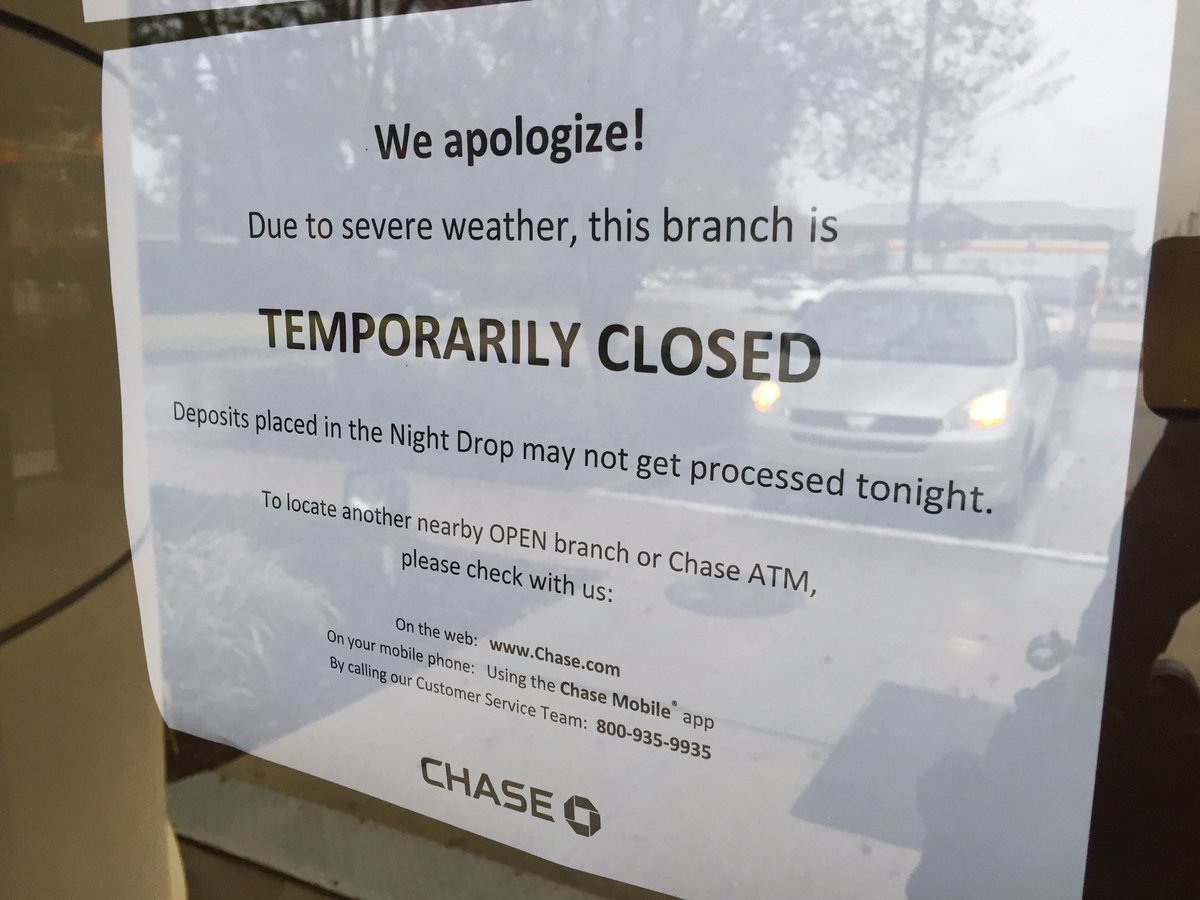
This article delves into the various reasons behind bank closures, the immediate and broader financial implications for account holders, and strategies for ensuring uninterrupted access to your money and services, even when physical branches are inaccessible. For anyone relying on Chase Bank for their daily financial needs, knowing what to do when the doors are shut is an essential component of sound financial management.
The Rationale Behind Bank Closures: A Financial Institution’s Operational Realities
Banks operate under a complex web of regulations, public service expectations, and internal protocols that dictate their hours of operation. When a Chase Bank branch is closed, it’s rarely without a specific and often unavoidable reason, impacting the broader financial ecosystem.
Federal Holidays and Scheduled Breaks
The most common and predictable reason for any bank closure, including Chase, is the observance of federal holidays. These include New Year’s Day, Martin Luther King, Jr. Day, Presidents’ Day, Memorial Day, Juneteenth National Independence Day, Independence Day, Labor Day, Columbus Day, Veterans Day, Thanksgiving Day, and Christmas Day. On these days, the Federal Reserve Bank, which processes transactions between banks, is also closed. This means that even if a bank were open, many critical financial operations, such as check clearing, wire transfers, and ACH transactions, would be paused until the next business day. For consumers and businesses, this translates into delayed processing of deposits, payments, and transfers, necessitating proactive financial planning around these dates.
Branch-Specific Events and Maintenance
Beyond federal holidays, a specific Chase branch might be closed due to localized issues. These can range from planned events like system upgrades, renovations, or intensive staff training sessions designed to improve service delivery, to unforeseen circumstances such as power outages, plumbing issues, or a temporary lack of staffing. Such closures are typically communicated in advance when possible, allowing customers to make alternative arrangements or visit another nearby branch. For example, a branch undergoing a significant technological overhaul might need to close its doors for a few days to ensure a smooth transition and minimal disruption once new systems are live. These localized closures highlight the need for customers to check specific branch hours and statuses before making a trip.
System-Wide Operational or Security Measures
While less frequent, there are rare occasions when a financial institution like Chase might need to implement a system-wide closure or a significant operational pause. This could be due to a major technology overhaul affecting core banking systems, a response to a widespread cybersecurity threat, or even a coordinated effort to address critical internal issues that require all hands on deck without customer-facing operations. Such events are exceptionally rare and typically managed with extreme care and communication, given their potential to impact millions of customers. The priority in such scenarios is often data integrity, system security, and ensuring a robust return to service.
Natural Disasters and Public Safety Concerns
In situations of extreme weather, natural disasters (hurricanes, blizzards, floods, earthquakes), or local civil emergencies, Chase Bank branches, like other businesses, will prioritize the safety of their employees and customers. Closures in these circumstances are often mandated by local authorities or deemed necessary to protect assets and prevent staff from traveling during hazardous conditions. The duration of such closures can be unpredictable, depending on the severity of the event and the time required for recovery and restoration of safe operating conditions. This underscores the importance of having emergency financial plans that do not solely rely on physical branch access.
Navigating Financial Disruptions: Impact on Personal and Business Finances
When a bank branch closes, even temporarily, the ripples can be felt across personal and business financial landscapes. Understanding these potential impacts allows for better preparation and mitigation strategies.
Immediate Transactional Challenges
The most immediate impact of a bank closure is the inability to conduct in-person transactions. This means no cash deposits or withdrawals beyond ATM limits, no cashing of checks, no wire transfers initiated at the counter, and no access to bank representatives for complex account inquiries. For individuals who rely on cash income or frequent cash transactions, this can pose a significant hurdle. Businesses might struggle with making large cash deposits from daily sales or disbursing cash payrolls. The delay in check clearing or wire transfers due to federal holidays can also affect cash flow, especially for time-sensitive payments.
Loan Payments and Financial Deadlines
Bank closures can complicate adherence to financial deadlines. While most automated loan payments and bill pays typically process as scheduled through digital channels, any manual payment requiring a branch visit could be delayed. This is particularly relevant for those who prefer to make payments in cash or require assistance with specific transactions. Understanding the cut-off times for payments, especially around holidays, is critical to avoid late fees or disruptions to credit scores. For instance, a loan payment due on a holiday might technically be due the next business day, but proactive scheduling via online banking can eliminate any ambiguity.
Business Continuity for Small and Medium Enterprises (SMEs)
For small and medium-sized businesses, bank closures can present acute challenges to operations. Payroll processing, which often requires significant cash movements or direct interface with bank services, can be delayed. Businesses with high cash volumes, like retail or hospitality, may struggle to deposit their daily takings, leading to security concerns and cash flow issues. Access to business lines of credit or specific merchant services might also be impacted if in-person verification or assistance is required. This highlights the need for businesses to diversify their payment acceptance methods and leverage robust online banking platforms.
Access to Emergency Funds and Cash
In an emergency, immediate access to cash can be paramount. While ATMs provide 24/7 access, they come with daily withdrawal limits, which might be insufficient for larger unexpected expenses. If a physical branch is the only option for a substantial cash withdrawal or a specific transaction, its closure can leave individuals in a precarious position. This underscores the importance of having an emergency fund that is not entirely reliant on one access point, and potentially having a small amount of cash on hand for immediate, critical needs.
Leveraging Digital Tools: Maintaining Financial Access During Closures
The modern banking landscape offers a robust suite of digital tools designed to provide continuous financial access, even when physical branches are unavailable. These tools are indispensable during unexpected or planned closures.
The Power of Online and Mobile Banking
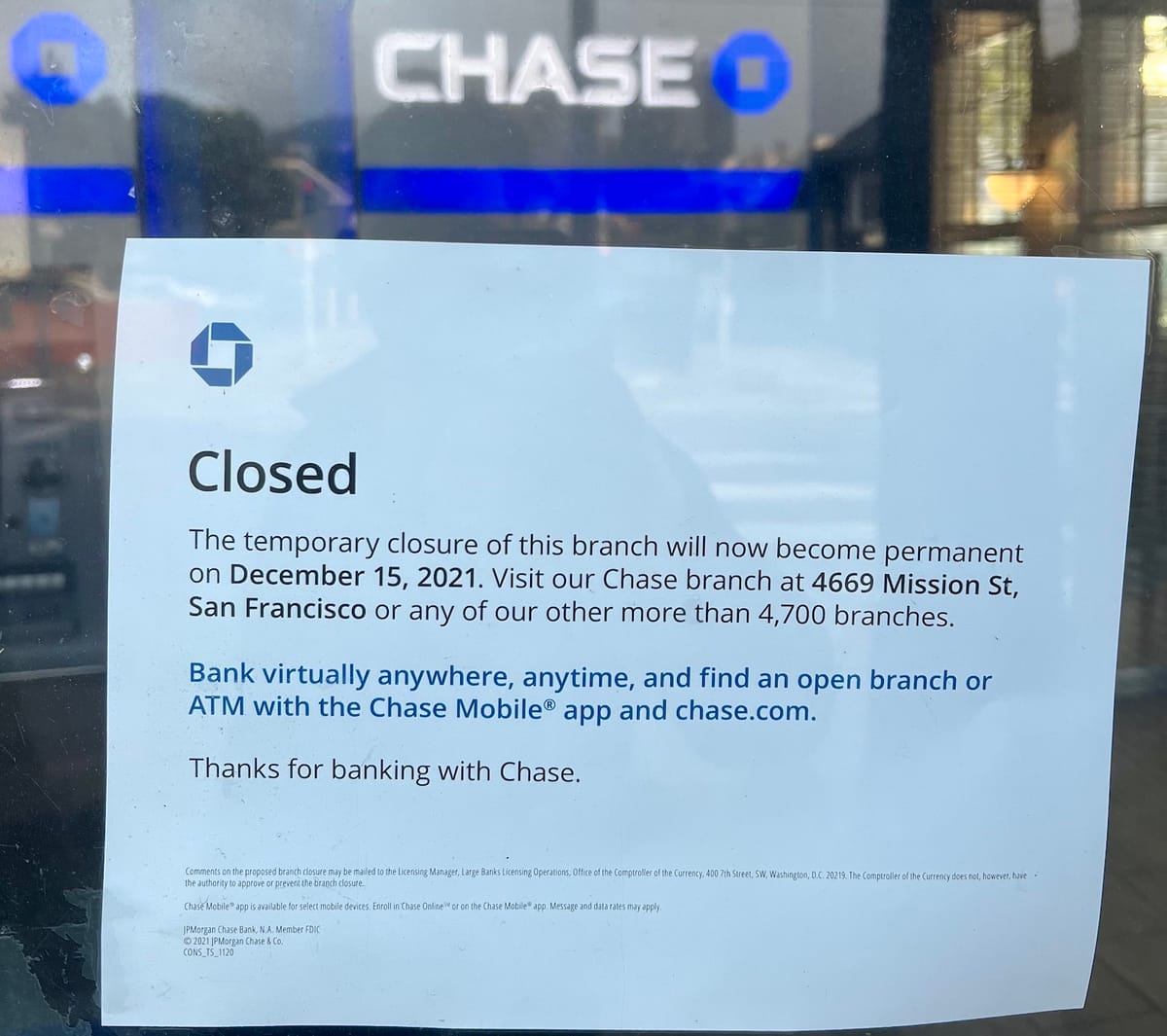
Chase’s online banking portal and mobile app are powerful financial hubs that largely circumvent the need for a physical branch visit. Through these platforms, customers can check account balances, review transaction history, pay bills, transfer funds between accounts or to external recipients (e.g., via Zelle), and even deposit checks remotely using their smartphone camera. For businesses, these platforms often offer more advanced features for managing multiple accounts, payroll services, and business credit lines. Mastering these digital tools ensures that most routine financial tasks can be completed from anywhere, at any time.
ATM Functionality Beyond Cash
Modern ATMs have evolved significantly beyond simple cash dispensers. Many Chase ATMs now allow for various transactions, including cash and check deposits without a teller, balance inquiries, transfers between accounts, and even certain payment services. These machines become critical lifelines during branch closures, providing a tangible touchpoint for essential banking services when human interaction is not possible. Familiarizing oneself with the capabilities of local ATMs can be a significant advantage.
Third-Party Payment Apps and Digital Wallets
Beyond the bank’s direct offerings, a variety of third-party payment applications and digital wallets can serve as crucial alternatives for transactions. Services like Zelle (often integrated directly into banking apps), PayPal, Venmo, Apple Pay, Google Pay, and Samsung Pay allow for instant money transfers, online purchases, and in-store payments without needing physical cash or a bank card. These tools can bridge gaps when traditional banking services are inaccessible, enabling peer-to-peer payments or contactless retail transactions.
Preparing for Digital Reliance
To effectively leverage digital tools, preparation is key. This includes setting up online banking access, downloading and getting familiar with the mobile app, knowing your login credentials (and keeping them secure), and understanding how to use features like mobile check deposit or Zelle transfers before a closure occurs. Activating account alerts and notifications can also provide timely updates on account activity or any service changes.
Proactive Financial Planning: Minimizing the Impact of Unexpected Closures
While digital tools offer immense convenience, true financial resilience comes from proactive planning that anticipates and mitigates the impact of banking service disruptions.
Building a Robust Emergency Fund
The cornerstone of financial resilience is a well-funded emergency savings account. This fund should ideally hold three to six months’ worth of living expenses and be readily accessible (liquid). By having a robust emergency fund, individuals and businesses can weather unexpected expenses or income disruptions without relying solely on immediate access to a specific bank branch for large withdrawals or loans. This cash buffer provides a critical safety net.
Diversifying Banking Relationships
Relying on a single financial institution can create vulnerabilities. Establishing accounts with more than one bank or credit union can provide an invaluable backup. If one bank’s systems are down or a local branch is closed, you still have access to funds and services through another. This diversification can apply to checking accounts, savings accounts, or even credit cards, ensuring that you always have an alternative avenue for managing your money.
Understanding Overdraft Protection and Credit Lines
While not a primary solution, understanding the functionality and cost of overdraft protection on checking accounts or having access to a line of credit can provide a temporary safety net during unexpected cash flow issues. It’s crucial to use these features judiciously, as they often come with fees or interest charges. However, in a dire situation where immediate funds are needed and bank access is limited, they can prevent more significant financial distress.
Preparing a Financial “Go-Kit”
In an emergency, having critical financial information readily available is paramount. A “go-kit” could include a secure list of bank account numbers, credit card numbers, contact information for your financial institutions, copies of important documents (like identification and insurance policies), and details of recurring payments. This information should be stored securely, both physically and perhaps digitally encrypted, enabling you to manage your finances remotely if displaced or unable to access your usual resources.
Staying Informed and Prepared: Your Role in Financial Resilience
Navigating the occasional closure of a financial institution like Chase Bank is part of modern financial management. By staying informed and adopting proactive habits, individuals and businesses can ensure their financial well-being remains unperturbed.
Official Communication Channels
The most reliable sources for information regarding Chase Bank’s operating status are its official communication channels. This includes the bank’s official website, which usually features an “Alerts” or “Branch Locator” section with real-time updates. The Chase mobile app is another excellent resource, often pushing notifications about branch closures or service disruptions. Additionally, official social media accounts (e.g., Twitter, Facebook) are frequently used by banks to disseminate urgent information. Always cross-reference information with these official sources to avoid misinformation.
Setting Up Account Alerts and Notifications
Utilize the notification features offered by Chase Bank. You can often set up alerts for various account activities, balance thresholds, or even general service announcements. These notifications can keep you informed about potential disruptions or changes in service, allowing you to react promptly and make necessary adjustments to your financial activities.
Local News and Community Resources
In cases of natural disasters or widespread emergencies, local news outlets and community resources (e.g., city government websites, emergency management agencies) often provide consolidated information about which essential services, including banks, are open or closed in your area. This can be particularly useful when communication infrastructure is challenged.

The Long-Term View: Building Financial Agility
Ultimately, the occasional closure of a bank branch, whether for a holiday or an emergency, serves as a powerful reminder of the importance of financial agility. Developing sound financial habits – such as building an emergency fund, diversifying banking relationships, mastering digital banking tools, and staying informed – not only mitigates the impact of such events but also strengthens your overall financial resilience. In a dynamic world, being prepared for unexpected disruptions is not just good practice; it’s an essential component of intelligent financial stewardship.
aViewFromTheCave is a participant in the Amazon Services LLC Associates Program, an affiliate advertising program designed to provide a means for sites to earn advertising fees by advertising and linking to Amazon.com. Amazon, the Amazon logo, AmazonSupply, and the AmazonSupply logo are trademarks of Amazon.com, Inc. or its affiliates. As an Amazon Associate we earn affiliate commissions from qualifying purchases.