
Advanced Micro Devices (AMD), a powerhouse in the semiconductor industry, has experienced periods of significant stock volatility. While AMD has celebrated remarkable growth over the past decade, its stock performance is not immune to the broader economic climate, intense market competition, and specific company-related developments. For investors, understanding the drivers behind these downturns is crucial for informed decision-making. This article delves into the multi-faceted reasons that can contribute to AMD’s stock fluctuations, analyzing market dynamics, competitive pressures, financial performance, and future outlook from an investment perspective.
Understanding the Broader Market Headwinds Affecting Tech Stocks
The semiconductor industry, despite its critical role in the global economy, is highly cyclical and susceptible to wider economic trends. When AMD’s stock experiences a decline, it’s often not an isolated event but rather part of a larger trend impacting technology companies or the market as a whole.

Macroeconomic Factors and Their Impact on Investor Sentiment
Global macroeconomic conditions frequently dictate the ebb and flow of capital into and out of growth-oriented sectors like technology. Periods of high inflation, rising interest rates, or the specter of a recession can significantly cool investor appetite for riskier assets. Central banks tightening monetary policy to combat inflation, for instance, makes borrowing more expensive, which can depress corporate earnings and make future earnings streams less valuable in present terms. This “risk-off” sentiment often leads investors to rotate out of high-growth tech stocks, including AMD, and into more defensive sectors or fixed-income assets. Geopolitical tensions, trade disputes, and supply chain disruptions further exacerbate this uncertainty, leading to broad-based market corrections that drag down even fundamentally strong companies.
Sector-Specific Challenges and Industry Cycles
The semiconductor industry is renowned for its boom-and-bust cycles. Periods of high demand can lead to overinvestment and increased production, eventually resulting in an oversupply when demand inevitably wanes. Conversely, sudden demand surges can expose supply chain vulnerabilities, leading to component shortages and higher costs. While the long-term trend for semiconductors remains robust due to digitalization and AI, short-term imbalances between supply and demand can create significant price volatility for industry giants like AMD. Furthermore, increased regulatory scrutiny on tech monopolies or international trade policies affecting chip manufacturing can also introduce uncertainty, prompting investors to re-evaluate their positions.
Key Factors Contributing to AMD’s Company-Specific Stock Declines
Beyond macro trends, several company-specific factors and competitive dynamics within the semiconductor market can exert downward pressure on AMD’s stock price. These often relate directly to AMD’s operational performance, market positioning, and investor expectations.
Intense Competitive Pressures in Core Markets
AMD operates in one of the most fiercely competitive technological landscapes. In the CPU market, it faces a formidable rival in Intel, which historically dominated the space. While AMD has made significant inroads with its Ryzen processors, reclaiming market share and pushing innovation, Intel’s resurgence or introduction of competitive products can pose a threat. Similarly, in the GPU market, Nvidia remains a dominant force, particularly in high-end gaming and the crucial data center/AI segments. Any perceived weakening of AMD’s competitive edge in terms of performance, power efficiency, or pricing for its CPUs (Ryzen, EPYC) or GPUs (Radeon, Instinct) can trigger investor concern and lead to stock depreciation. Announcements from competitors about next-generation architectures or market share gains are closely watched metrics that can impact AMD’s valuation.
Inventory Adjustments and Demand Fluctuations
During periods of economic slowdown, businesses and consumers tend to reduce spending on discretionary items and capital expenditures. This often leads to an accumulation of inventory in the supply chain – both at the manufacturer (AMD) level and at their customers’ (PC OEMs, data centers) level. When channel inventory builds up, customers slow down new orders, leading to reduced revenue and potentially lower-than-expected guidance from AMD. The company’s gaming segment, for instance, can be particularly sensitive to economic cycles and cryptocurrency mining trends. A sharp decline in consumer electronics demand or a post-pandemic normalization of PC sales can necessitate inventory corrections, impacting AMD’s immediate financial performance and outlook.
Valuation Concerns and Profit-Taking
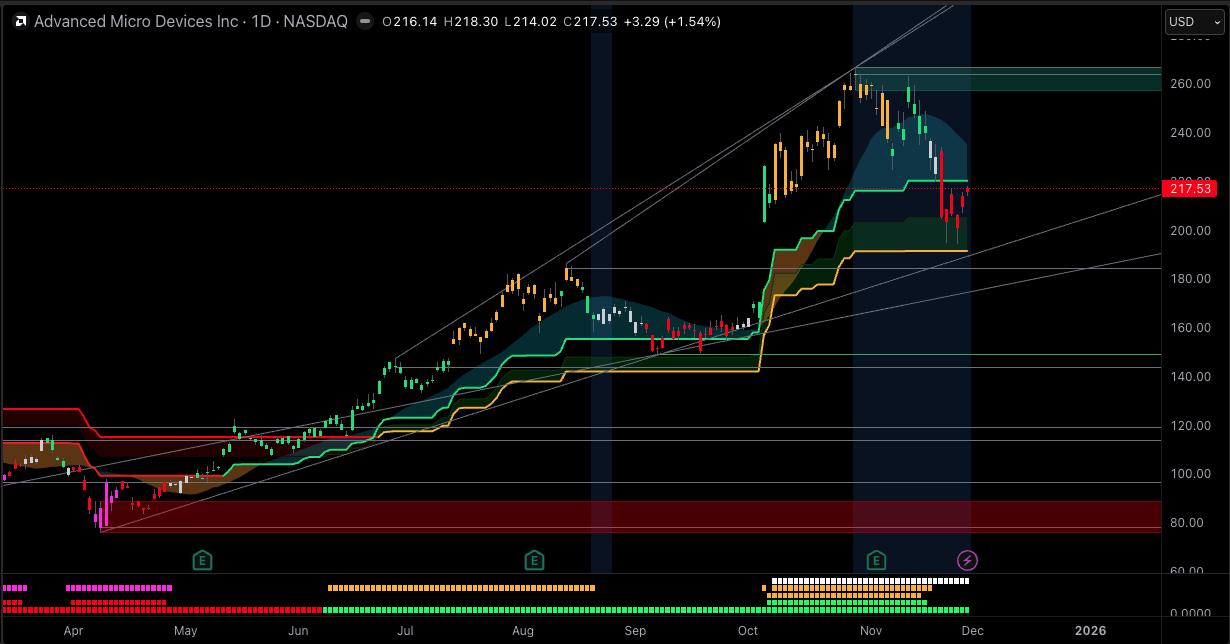
Following periods of rapid growth and strong stock performance, AMD’s valuation multiples (e.g., Price-to-Earnings, Price-to-Sales) can become elevated. While high valuations can be justified by robust growth prospects, they also make the stock more susceptible to downturns if the company fails to meet or exceed aggressive growth expectations. Even a slight miss on earnings per share or revenue forecasts, or a conservative outlook for the upcoming quarter, can trigger a sharp sell-off as investors re-evaluate whether the premium valuation is still warranted. Additionally, after a significant run-up, some long-term investors may engage in profit-taking, selling shares to lock in gains, which can contribute to downward pressure, especially during periods of broader market weakness.
Analyzing AMD’s Financial Performance and Investor Guidance
Investor confidence in AMD is heavily tied to its financial results and the company’s future guidance. Any deviation from positive trends or expected trajectories can significantly influence stock movements.
Disappointing Earnings or Revenue Guidance
One of the most immediate catalysts for a stock drop is when AMD reports quarterly earnings or provides future guidance that falls short of analyst consensus estimates. Even if the company shows year-over-year growth, if it doesn’t meet the “whisper numbers” or analyst expectations, the stock can be penalized. Factors contributing to an earnings miss could include lower-than-expected chip sales volumes, price compression due to competition, higher operating expenses (e.g., increased R&D, manufacturing costs), or unfavorable currency exchange rates. Similarly, a conservative outlook for the next quarter or fiscal year, perhaps due to anticipated slowdowns in specific markets (e.g., PC, gaming) or increased competitive intensity, can cause significant concern among investors who price future growth into current valuations.
Profitability Margins and Operational Efficiency
Beyond top-line revenue, investors closely scrutinize AMD’s profitability margins – gross margin, operating margin, and net margin. A decline in these metrics, even if revenue continues to grow, signals potential issues. This could be due to a shift in product mix towards lower-margin segments, increased manufacturing costs, higher marketing and R&D expenses, or aggressive pricing strategies to gain market share. Sustained pressure on margins can erode investor confidence in AMD’s ability to translate sales into sustainable profits, questioning the efficiency of its operations and long-term earnings potential. Therefore, any indication that AMD is struggling to maintain or expand its profitability can lead to a negative reassessment of its stock value.
Strategic Investments, Acquisitions, and Debt Levels
AMD’s strategic decisions, including major acquisitions (like Xilinx) or significant capital expenditures, are also under investor microscope. While such moves can be transformational and unlock new growth avenues, they also carry risks. Large acquisitions can lead to integration challenges, dilution of existing shares if financed through stock, or increased debt burden if financed through borrowings. A high debt-to-equity ratio can make the company appear riskier, particularly in a rising interest rate environment, potentially leading to a stock decline. Investors analyze whether these strategic moves are accretive to earnings in the long run or merely adding short-term financial strain.
Investor Outlook and Potential Pathways Forward for AMD
Despite potential short-term headwinds and stock drops, AMD’s long-term investment narrative often remains compelling due to its strong product portfolio and strategic positioning in high-growth markets.
Long-Term Growth Prospects in Data Center and AI
One of AMD’s most significant long-term growth drivers is its robust presence and expanding market share in the data center segment with its EPYC processors and Instinct AI accelerators. The insatiable demand for cloud computing, enterprise servers, and artificial intelligence infrastructure ensures a sustained need for high-performance computing solutions. AMD’s competitive offerings in these areas are critical to its future success. Any indication of slowing growth in these segments or increased competition could be a concern, but sustained innovation and market penetration here represent a strong bullish case for the company’s future revenue and profitability. Investors often weigh short-term cyclical downturns against these powerful secular growth trends.
Navigating Short-Term Volatility and Market Narratives
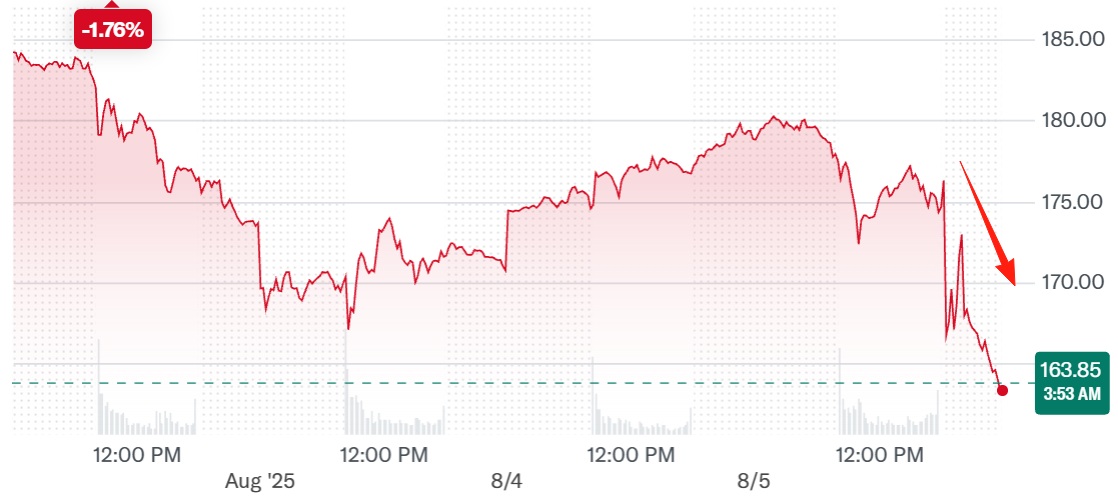
The investment community’s perception of AMD can be heavily influenced by market narratives, analyst ratings, and media coverage. Downgrades from prominent analysts, negative news reports, or even viral social media discussions can amplify selling pressure, regardless of the company’s underlying fundamentals. For long-term investors, distinguishing between transient market noise and fundamental shifts in AMD’s business model or competitive standing is paramount. Understanding that semiconductor stocks are prone to volatility means recognizing that pullbacks can represent buying opportunities for those with a high conviction in AMD’s innovation pipeline and execution strategy.
What Investors Should Consider Next
For current and prospective investors, a thorough due diligence process involves continuous monitoring of AMD’s financial reports, product roadmaps, competitive landscape, and the broader macroeconomic environment. Questions to consider include: Is the stock drop primarily due to temporary macro factors or fundamental weaknesses in the business? Are valuation levels becoming more attractive after a correction? How is AMD’s management team addressing current challenges and positioning the company for future growth? Diversification, a long-term perspective, and a clear understanding of personal risk tolerance are always advisable when investing in volatile sectors like semiconductors. While stock drops can be concerning, they also serve as critical moments for investors to re-evaluate their theses and make strategic adjustments.
aViewFromTheCave is a participant in the Amazon Services LLC Associates Program, an affiliate advertising program designed to provide a means for sites to earn advertising fees by advertising and linking to Amazon.com. Amazon, the Amazon logo, AmazonSupply, and the AmazonSupply logo are trademarks of Amazon.com, Inc. or its affiliates. As an Amazon Associate we earn affiliate commissions from qualifying purchases.