
When managing your household budget or maintaining a long-term emergency stockpile, the intersection of health, logistics, and financial prudence often leads to questions about product shelf life. While water is a fundamental commodity, the perception of “expired” water is frequently misunderstood by consumers, leading to unnecessary waste and the premature replacement of bottled supplies. From a personal finance perspective, discarding water that is still perfectly viable is an erosion of value. Understanding the reality of water degradation is essential for optimizing your pantry management and ensuring your financial resources aren’t poured down the drain.
The Reality of Shelf Life and Plastic Degradation
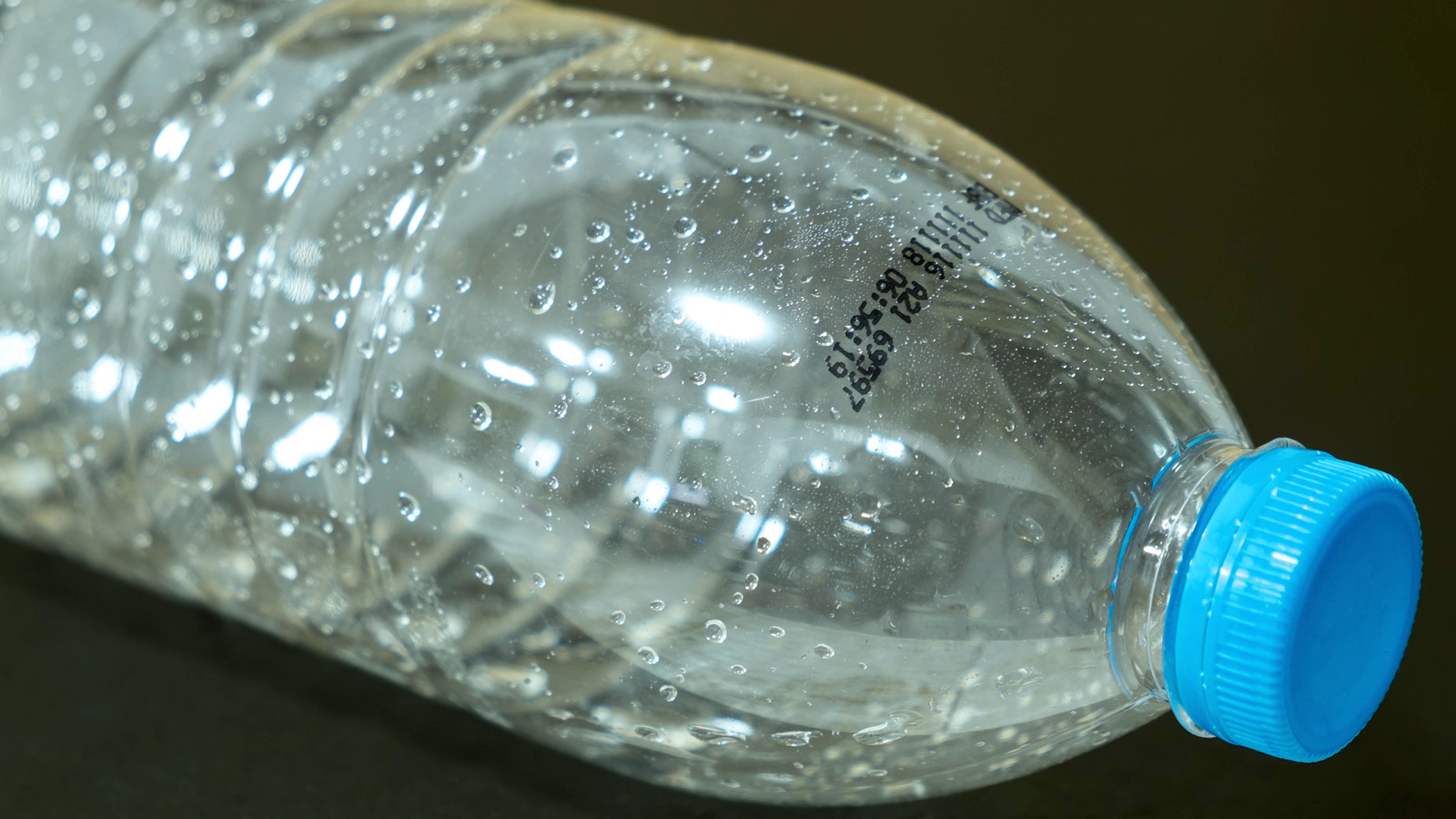
To understand what “expired” water looks like, one must first distinguish between the water itself and the vessel that contains it. Water, as a chemical compound (H2O), does not expire. However, commercial bottled water is subject to the limitations of its packaging, which is the primary driver of the “best-by” date stamped on the bottle.
Plastic Permeability and Chemical Leaching
Most bottled water is stored in polyethylene terephthalate (PET) plastic. While this material is effective for short-term retail storage, it is not impervious to the environment over extended periods. Plastic is porous at a molecular level. Over months or years, the container may allow microscopic amounts of atmospheric gases or chemicals from the surrounding environment to permeate the plastic walls.
Furthermore, plastic degrades when exposed to heat and ultraviolet light. As the plastic breaks down, it may leach antimony or phthalates—compounds used in the manufacturing process—into the water. When evaluating whether water has “expired,” you are rarely looking at a change in the water’s chemical makeup, but rather a change in the integrity of the plastic container.
The Financial Cost of Waste
From a money management standpoint, treating water like perishable produce is a financial error. If a consumer discards a six-month-old case of bottled water simply because of a printed date, they are effectively paying a premium for water that likely remains potable. By understanding that “best-by” dates are often regulatory requirements rather than safety thresholds, you can extend the lifecycle of your stockpiled goods, reducing the frequency of replacement and maintaining a leaner, more efficient household budget.
Visual and Sensory Indicators of Compromised Water
While the water itself rarely “spoils,” it can become compromised due to storage conditions. When inspecting your stockpiles, look for specific indicators that the water is no longer safe for consumption. These visual markers are rarely about the water turning “bad” in a biological sense, but rather about the contamination of the container and the subsequent alteration of the water’s properties.
Cloudiness and Particulate Matter
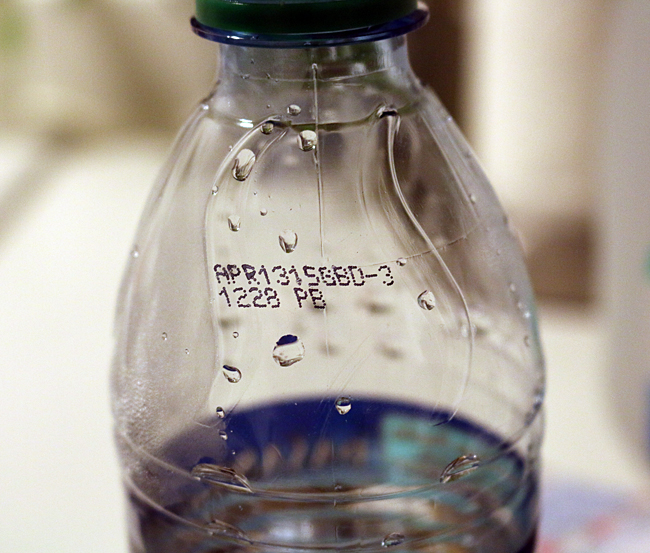
If you hold a bottle of water up to a bright light and observe cloudiness, sediment at the bottom, or floating debris, the integrity of the seal has likely been breached. This is a primary indicator that bacteria, mold, or environmental contaminants have entered the container. If the water is not clear, do not consume it. In the context of emergency preparedness, keeping a stock that requires constant disposal due to contamination is a sunk cost that can be avoided through climate-controlled storage.
Odor and Taste Shifts
Water stored in non-ideal conditions—such as a hot garage or a shed—often absorbs the ambient smell of its surroundings. If you open a bottle and notice an odor resembling gasoline, paint, or a heavy “plastic” chemical smell, the water has been tainted by the leaching of the container or external pollutants. Even if the water is technically sterile, the sensory experience of drinking it will be unpleasant. From a consumer value perspective, this renders the product useless, underscoring the importance of storing your assets in cool, dark, and odor-free environments.
Signs of Seal Compromise
Inspect the neck of the bottle and the cap. If the seal appears warped, cracked, or show signs of tampering, the contents must be considered unsafe. A compromised seal allows oxygen and light to enter, fostering the growth of biofilms. These colonies often appear as a slimy residue on the interior surface of the bottle. If you see a film coating the inside walls when the water is swirled, it is time to discard the supply.
Storage Strategies for Financial Efficiency
Managing water supplies effectively is an exercise in resource optimization. Just as one would manage an investment portfolio to avoid depreciation, one must manage physical assets to prevent loss. By implementing rigorous storage standards, you minimize the risk of your stockpile reaching an “expired” state, thereby protecting your initial investment.
The FIFO Method
The “First-In, First-Out” (FIFO) method is a staple of business inventory management, and it is equally effective for household financial planning. By rotating your water stock—using the oldest bottles first and placing newer purchases at the back of the storage area—you ensure that your supply remains within its optimal window of freshness. This prevents the “hidden loss” that occurs when bottles are pushed to the back of a cabinet, forgotten, and ultimately thrown away because the plastic has degraded.
Environmental Controls
The rate at which water “expires” is directly correlated with the environment in which it is kept. High temperatures accelerate the leaching of chemicals from PET plastic. If you store your water in a climate-controlled area of your home, you can significantly extend the usable life of the product. Investing in proper storage space—whether it be a cool basement or a pantry away from heat-producing appliances—is a move that pays dividends by reducing the need for replacement.
Investing in Better Containers
If you are concerned about the longevity of your stockpile, consider diversifying your storage methods. Relying solely on thin-walled, single-use plastic bottles is a high-turnover strategy. For long-term emergency reserves, investing in high-density polyethylene (HDPE) containers or food-grade stainless steel canisters provides a much higher return on investment. While the upfront cost is higher, the durability and protection against chemical leaching make these containers a more sustainable and cost-effective choice for long-term preparedness.
The Verdict on Safety and Value
Ultimately, identifying “expired” water is a process of physical inspection rather than blind adherence to printed dates. If the water remains in a sealed, undamaged container that has been stored in a cool, dark, and clean environment, it is highly likely to be safe for consumption far beyond its “best-by” date.
When you see a date on a bottle, view it as a suggestion regarding the optimal quality of the container, not a hard deadline for the water’s safety. By adopting a critical, inspection-based approach to your stockpiles, you save money, reduce household waste, and maintain a more reliable reserve. Water is a vital resource, and protecting its quality through smart storage is an essential component of disciplined personal financial management. Whenever you find yourself questioning whether to discard a case of water, remember: look for the physical indicators of degradation, assess the storage history, and make an informed decision based on physical reality rather than the manufactured fear of an arbitrary date.
aViewFromTheCave is a participant in the Amazon Services LLC Associates Program, an affiliate advertising program designed to provide a means for sites to earn advertising fees by advertising and linking to Amazon.com. Amazon, the Amazon logo, AmazonSupply, and the AmazonSupply logo are trademarks of Amazon.com, Inc. or its affiliates. As an Amazon Associate we earn affiliate commissions from qualifying purchases.