
In an era where digital services are deeply woven into the fabric of daily life and global commerce, the phrase “Is [major service] down?” sends ripples of concern across individuals and enterprises alike. When that service is Amazon, a titan of both e-commerce and cloud computing through Amazon Web Services (AWS), an outage transcends mere inconvenience, evolving into a critical event with far-reaching technical and operational implications. The question, “Why is Amazon down today?”, immediately triggers an investigation into complex technical infrastructures, intricate software systems, and the inherent vulnerabilities of even the most robust digital ecosystems. This deep dive into the technical underpinnings of service disruptions explores the multifaceted reasons behind such outages, their immediate effects, and the sophisticated recovery mechanisms employed to restore normalcy, all strictly through a technological lens.
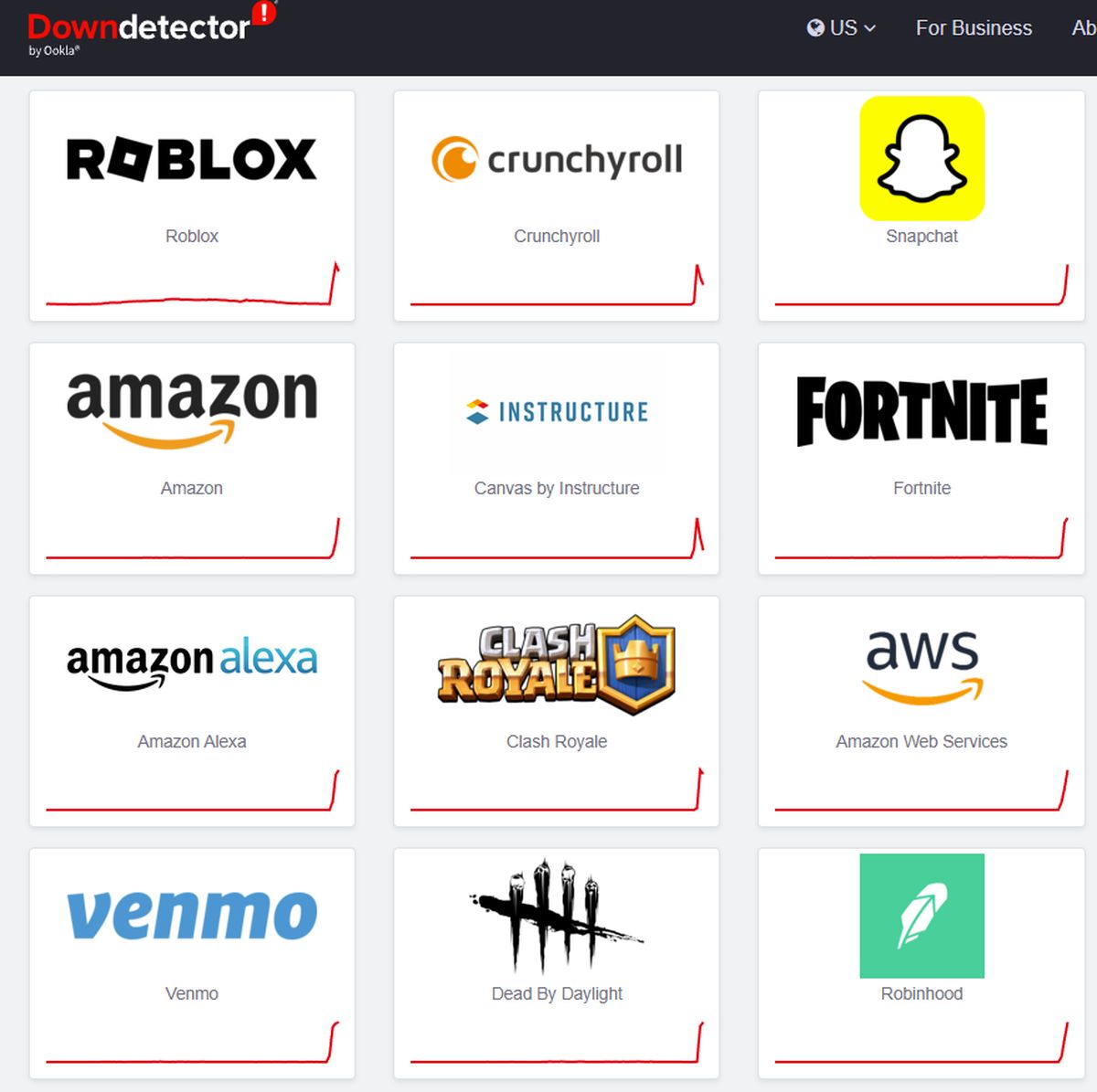
Understanding the Anatomy of a Major Outage
An Amazon outage, whether affecting its retail website or its vast AWS cloud, is never a simple event. It’s often the culmination of intricate technical challenges within a highly distributed and interconnected system. To comprehend “why” it’s down, one must first grasp the sheer scale and complexity of what keeps Amazon running.
The Complex Infrastructure of Amazon Web Services (AWS)
At the heart of Amazon’s operational stability is AWS, the world’s leading cloud provider. AWS operates across numerous “Regions” globally, each a distinct geographic area designed for isolation and fault tolerance. Within each Region are multiple “Availability Zones” (AZs), physically separate data centers with independent power, networking, and cooling. This multi-layered architecture is engineered for resilience, meaning a failure in one AZ or even an entire Region should ideally not bring down the entire global service. However, the sheer volume of services running on AWS – from Netflix to countless startups – creates an immense web of dependencies. A fundamental service like Amazon S3 (Simple Storage Service) or EC2 (Elastic Compute Cloud) experiencing issues can therefore have a domino effect across applications and websites hosted on AWS, even if they are themselves configured for high availability. The complexity arises from the orchestration of millions of virtual machines, petabytes of data, and an unfathomable number of network connections, all managed by sophisticated software layers.
Cascading Failures and Interdependencies
One of the most insidious aspects of large-scale system failures is the potential for cascading effects. A seemingly minor issue in one component, under specific load conditions or a rare set of circumstances, can trigger a chain reaction across dependent services. For instance, a network misconfiguration in a core router in one data center might overload another, leading to a service degradation that then impacts a crucial authentication service. If this authentication service is required by many other AWS services to function, the initial localized network problem quickly escalates into a wider outage. These interdependencies are incredibly difficult to model comprehensively in advance, despite rigorous testing and simulation. The interconnected nature of modern cloud infrastructure means that even with best practices like microservices architecture, a foundational component’s failure can propagate unexpectedly.
Regional vs. Global Impact
The scope of an Amazon outage is a key indicator of its underlying cause. A regional outage typically points to an issue contained within a specific AWS Region (e.g., US-East-1). This could be due to a localized power failure, a specific network hardware malfunction, or a software deployment error unique to that geographical area. While disruptive for businesses and users primarily located in or relying on that Region, services in other Regions remain operational. A global outage, however, is far rarer and often suggests a problem with a universally shared service, a wide-area network failure affecting multiple regions, or a critical flaw in global control plane software that manages the entire AWS infrastructure. Understanding this distinction is crucial for both Amazon’s incident response teams and for developers designing resilient applications on AWS, encouraging multi-region deployment strategies to mitigate localized failures.
Common Causes Behind Service Disruptions
Downtime for a system as robust as Amazon’s is rarely due to a single, easily identifiable factor. More often, it’s a confluence of triggers, ranging from the mundane to the malicious, all interacting within a complex technical environment.
Technical Glitches and Software Bugs
Despite rigorous testing, software is inherently prone to bugs. A new code deployment, an update to an operating system, or even a configuration change in a critical application can introduce unforeseen defects. These bugs might lie dormant until a specific set of conditions is met – perhaps a particular traffic spike, a unique data query, or an interaction with another updated component. When these glitches affect core services, they can lead to crashes, resource exhaustion, or incorrect logic, causing widespread service degradation or outright failure. The challenge is magnified by the sheer volume of code and the continuous integration/continuous deployment (CI/CD) pipelines that frequently update Amazon’s vast software ecosystem.
Hardware Malfunctions and Infrastructure Failures
Beneath the layers of software lies a massive physical infrastructure comprising servers, storage devices, networking equipment, power supplies, and cooling systems. Hardware, regardless of quality, has a finite lifespan and can fail unexpectedly. A faulty power distribution unit, a malfunctioning network switch, a corrupted storage drive, or an overheating server rack can all contribute to outages. While Amazon invests heavily in redundant hardware and proactive maintenance, a rare synchronous failure or a single point of failure that somehow bypasses redundancy measures can still occur, leading to localized or broader disruptions.
Network Connectivity Issues
The internet is a network of networks, and Amazon’s services rely heavily on robust global connectivity. Issues can arise at various points:
- Internal Network Failures: Problems within Amazon’s own vast internal data center networks, such as misconfigured routers, overloaded switches, or fiber optic cable cuts, can isolate parts of their infrastructure.
- External Network Provider Issues: Amazon relies on various internet service providers (ISPs) and peering partners to connect its network to the rest of the world. An issue with one of these external providers can affect users’ ability to reach Amazon services.
- DNS Resolution Problems: The Domain Name System (DNS) translates human-readable domain names (like amazon.com) into IP addresses. DNS outages or misconfigurations, either internal to Amazon or at major public DNS providers, can make services unreachable even if the underlying infrastructure is functioning correctly.
Cyberattacks and Security Breaches
Malicious actors pose an ever-present threat. Cyberattacks can manifest in several ways that lead to downtime:
- Distributed Denial-of-Service (DDoS) Attacks: These involve overwhelming a service with a flood of illegitimate traffic, making it unavailable to legitimate users. Amazon’s AWS Shield provides protection, but exceptionally large or sophisticated attacks can still challenge defenses.
- Ransomware and Malware: While less common for the primary AWS infrastructure itself, attacks on customer instances or internal systems could potentially cause disruptions if critical systems are compromised.
- Exploitation of Vulnerabilities: Attackers might exploit zero-day vulnerabilities in software or misconfigurations to gain unauthorized access, potentially disrupting services or causing data corruption that leads to an outage.
Human Error: The Unpredictable Variable
Despite sophisticated automation and stringent change management protocols, human error remains a significant factor in many outages. A misconfigured firewall rule, an incorrect command executed on a production server, an oversight during a system upgrade, or a flawed deployment script can all lead to catastrophic failures. Even the most experienced engineers can make mistakes, especially under pressure or when dealing with systems of immense complexity. Amazon, like other tech giants, employs extensive review processes and automated checks to mitigate this, but it cannot be entirely eliminated.
Environmental Factors and Natural Disasters
Though less frequent, external environmental factors can also play a role. Natural disasters such as earthquakes, floods, hurricanes, or severe storms can impact data centers, affecting power grids, network infrastructure, and physical access. While Amazon’s multi-region architecture is designed to withstand regional disasters by shifting workloads, an extreme event affecting multiple interconnected points could still cause significant disruption. Furthermore, less dramatic events like localized power grid failures or cooling system malfunctions in a data center can also lead to issues.

The Immediate Impact of Amazon Downtime
When Amazon goes down, the repercussions are felt far beyond the immediate inconvenience to online shoppers. Its dual role as an e-commerce giant and the backbone of countless digital services means an outage creates a ripple effect across vast sectors of the digital economy.
Disruption to E-commerce and Retail Operations
For consumers, the most noticeable impact is the inability to access Amazon.com for shopping. This directly translates to lost sales revenue for Amazon itself and for the millions of third-party sellers who rely on the platform to reach customers. Beyond immediate transactions, customer trust and brand reputation can take a hit, especially if outages are frequent or prolonged. Businesses that integrate with Amazon’s various APIs for order processing, inventory management, or customer service also experience significant operational hurdles, leading to delays and potential financial losses.
Broad Impact on Businesses Relying on AWS
Perhaps the most significant consequence of an AWS outage is the widespread disruption to the myriad businesses, from small startups to Fortune 500 companies, that depend on its cloud infrastructure. Websites, mobile applications, streaming services, financial platforms, healthcare systems, and government agencies all host critical components or entire operations on AWS. An outage affecting services like EC2, S3, RDS (Relational Database Service), or Lambda can effectively paralyze these businesses, rendering their own services unavailable to their customers. This can lead to massive revenue losses, reputational damage, and operational backlogs for affected enterprises, highlighting the critical importance of cloud resilience strategies.
User Frustration and Service Accessibility Challenges
For end-users, an Amazon outage means more than just being unable to shop. It can mean being unable to stream movies (if the streaming service uses AWS), access productivity tools, or even use smart home devices that rely on AWS backend services. This widespread inaccessibility quickly leads to user frustration, potentially driving users to alternative services or damaging their perception of reliability across the broader internet, even if the issue is specific to Amazon. The immediate rush to social media platforms to confirm “Is Amazon down?” underscores the collective reliance on these critical digital infrastructures.
Amazon’s Response and Recovery Protocols
When an outage strikes, Amazon’s incident response is a highly coordinated and technically intensive operation, driven by sophisticated monitoring and pre-defined protocols aimed at rapid detection, isolation, and remediation.
Incident Response Teams and Communication Strategies
Amazon maintains dedicated, highly specialized incident response teams operating 24/7. Their first priority upon detecting an anomaly is to verify the issue, determine its scope (regional vs. global), and identify the affected services. Concurrently, communication protocols are activated. Status pages (like status.aws.amazon.com) are updated to inform customers about the ongoing situation, providing transparent, albeit sometimes technically terse, updates on the investigation and resolution progress. Internally, rapid communication channels ensure that relevant engineering teams – from networking to storage to compute – are mobilized to diagnose and resolve the root cause. This involves sifting through vast amounts of telemetry data, logs, and system metrics to pinpoint the precise failure point.
Redundancy, Resiliency, and Disaster Recovery Measures
A cornerstone of Amazon’s infrastructure design is redundancy and resiliency. This includes:
- N+1 Redundancy: Ensuring that critical components have at least one backup (N+1) or even multiple backups (N+N) so that a single failure doesn’t bring down the system.
- Automated Failover: Systems are designed to automatically switch to backup resources in different Availability Zones or Regions if a primary system fails.
- Geographic Distribution: Deploying services across multiple, geographically dispersed data centers and regions to protect against localized disasters.
- Infrastructure as Code: Managing infrastructure components through code, allowing for rapid and consistent deployment of fixes or restoration of known good configurations.
- Chaos Engineering: Proactively injecting failures into systems to test their resilience and identify weaknesses before they cause real outages.
During an outage, these measures are leveraged to either automatically recover or to provide alternative pathways for engineers to reroute traffic and restore services manually.
Post-Mortem Analysis and System Hardening
Once an outage is resolved, the technical work is far from over. Amazon conducts rigorous “post-mortems” or “root cause analyses.” This involves a detailed technical investigation into what happened, why it happened, and what steps can be taken to prevent recurrence. These analyses are critical for continuous improvement and system hardening. They often result in:
- Software Patches and Updates: Fixing identified bugs or vulnerabilities.
- Infrastructure Upgrades: Replacing faulty hardware or improving network architecture.
- Process Improvements: Refining incident response protocols or change management procedures.
- Architectural Changes: Redesigning service components to be more resilient or less interdependent.
The insights gained from each outage are invaluable, driving evolutionary changes across Amazon’s vast technical landscape.
Lessons Learned and the Future of Cloud Reliability
Every major outage, regardless of the provider, serves as a powerful reminder of the inherent complexities and vulnerabilities within our digital infrastructure. For Amazon and its customers, these incidents drive continuous innovation in system design and operational practices.
The Imperative for Distributed Architectures
The recurring theme from outages is the critical need for truly distributed and fault-tolerant architectures. Developers building on AWS are increasingly encouraged to move beyond single-AZ or even single-Region deployments. Strategies like multi-region active-active architectures, where services run concurrently in multiple geographic locations, and robust cross-region data replication are becoming standard for mission-critical applications. The goal is to design systems that can automatically detect, isolate, and recover from failures in one part of the infrastructure without impacting the entire service, ensuring business continuity even during significant disruptions.
AI and Automation in Proactive Monitoring
The future of preventing and mitigating outages heavily relies on advanced artificial intelligence and automation. Machine learning models are increasingly being employed to analyze vast streams of telemetry data, identify anomalous patterns indicative of impending failures, and even predict potential issues before they escalate. Automated remediation systems can then trigger pre-defined actions, such as rerouting traffic, isolating faulty components, or rolling back problematic deployments, often faster than human operators. This shift from reactive troubleshooting to proactive, AI-driven operations is crucial for maintaining ultra-high availability in ever-growing and increasingly complex cloud environments.

The Shared Responsibility Model in Cloud Computing
Finally, outages reinforce the concept of the “shared responsibility model” in cloud computing. While Amazon (the cloud provider) is responsible for the security of the cloud (the underlying infrastructure, hardware, software, networking, and facilities), the customer is responsible for security in the cloud (their data, applications, operating systems, network configurations, and access management). When an outage occurs, it prompts both Amazon to review its foundational infrastructure and its customers to review their application architectures, disaster recovery plans, and redundancy strategies. Understanding and diligently fulfilling these respective responsibilities is paramount to achieving the highest levels of reliability and resilience in a world where “why is Amazon down today?” can bring swathes of the digital economy to a halt. The continuous pursuit of technical excellence, embracing new paradigms like edge computing for even greater distribution, and fostering a culture of resilience are the cornerstones for navigating the inevitable complexities of operating at Amazon’s scale.
aViewFromTheCave is a participant in the Amazon Services LLC Associates Program, an affiliate advertising program designed to provide a means for sites to earn advertising fees by advertising and linking to Amazon.com. Amazon, the Amazon logo, AmazonSupply, and the AmazonSupply logo are trademarks of Amazon.com, Inc. or its affiliates. As an Amazon Associate we earn affiliate commissions from qualifying purchases.