
The digital landscape is a graveyard of fleeting viral sensations, a testament to the ephemeral nature of internet fame. Yet, amidst the countless memes and trends that flare up only to quickly fade, some few entities manage to transcend their initial burst of popularity, evolving into enduring digital brands. One such surprising survivor is the Annoying Orange, a character that defined an era of YouTube comedy and, against all odds, carved out a sustained niche in the ever-shifting media ecosystem. The question isn’t so much “did it disappear?” but rather, “how did a brand built on a singular, somewhat polarizing gag manage to adapt, diversify, and remain relevant?”
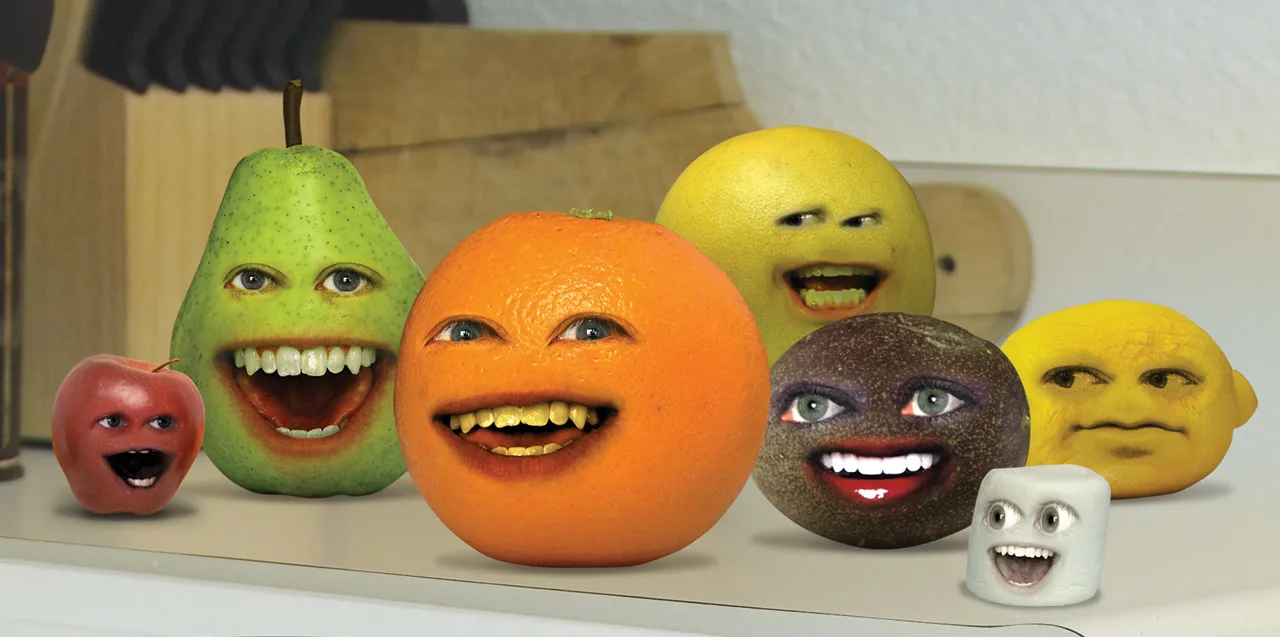
From Viral Sensation to Digital Brand Phenomenon
The story of Annoying Orange is a masterclass in leveraging early digital momentum into a robust, multi-platform brand. Its inception was humble, yet its impact was undeniable.
The Genesis of a Global IP
In October 2009, independent filmmaker Dane Boedigheimer uploaded a simple video to YouTube titled “The Annoying Orange.” Featuring a sentient, often grating, orange fruit with a perpetually high-pitched voice and a penchant for bad puns, the concept was rudimentary: an orange annoying other fruits and vegetables until they met a grisly, knife-inflicted end. The humor was broad, the animation primitive, but the character struck a nerve. Within months, Annoying Orange became a YouTube phenomenon, racking up millions of views per video and attracting a massive subscriber base.
This rapid ascent wasn’t merely a fluke; it was a potent demonstration of early internet virality. The character’s distinct voice, repetitive catchphrases (“HEY! HEY APPLE!”), and the novelty of its premise made it highly shareable. It tapped into a burgeoning appetite for quirky, creator-led content that felt raw and unfiltered, a stark contrast to traditional media. This initial success provided the fertile ground for what would become a formidable digital intellectual property.
Leveraging Early Digital Momentum
What separated Annoying Orange from countless other one-hit wonders was the strategic foresight to recognize its potential beyond a series of standalone YouTube videos. Boedigheimer and his team quickly understood that they had created more than just a viral meme; they had established a brand with a recognizable voice, a distinctive visual identity, and a loyal audience. This realization prompted a crucial shift from simply producing content to actively managing and expanding the brand.
Early efforts focused on merchandise, allowing fans to extend their engagement with the brand beyond the screen. T-shirts, toys, and other licensed products began to appear, turning a digital character into a tangible presence in the physical world. This diversification was a critical step, laying the groundwork for transforming fleeting online fame into a sustainable commercial enterprise. It demonstrated an understanding of brand extension and the value of creating multiple revenue streams, a hallmark of successful brand building in the digital age.
Navigating the Shifting Sands of Digital Media
The challenge for any digital brand is not just to capture attention, but to sustain it. As the internet evolved, so too did audience expectations, content consumption habits, and the competitive landscape. Annoying Orange faced the critical task of maintaining its brand identity while adapting to these changes.
Brand Expansion Beyond YouTube
A significant strategic move for Annoying Orange was its venture into traditional media, most notably with “The Annoying Orange” animated television series on Cartoon Network, which premiered in 2012. This leap from user-generated content platform to a major cable network was ambitious and represented a calculated risk in brand diversification. The show aimed to expand the brand’s reach to a younger, broader demographic, leveraging the established character into a more narrative-driven format.
Beyond television, the brand extended into mobile applications and video games, further embedding the character into various aspects of daily digital life. These expansions were not merely opportunistic; they were deliberate attempts to build a more comprehensive brand ecosystem, ensuring that Annoying Orange wasn’t solely reliant on the fickle algorithms and trends of YouTube. By establishing a presence across multiple platforms and media types, the brand mitigated risk and reinforced its cultural footprint. This strategy showcased a sophisticated understanding of cross-platform branding, a crucial element for longevity in a fragmented media environment.
The Challenge of Sustained Relevance

Maintaining relevance is perhaps the biggest hurdle for any brand born of internet virality. As YouTube matured, the platform became saturated with content creators, and audience tastes grew more sophisticated. The initial shock value and novelty of Annoying Orange’s simple premise began to wane. New forms of humor, different content styles, and emerging creators constantly vied for attention.
For Annoying Orange, the challenge was to evolve its brand without abandoning its core appeal. This meant navigating a delicate balance: how to keep the “annoying” essence that made it famous while introducing fresh elements to prevent stagnation. The brand had to contend with the natural lifecycle of internet trends, where yesterday’s sensation often becomes today’s forgotten relic. This required continuous monitoring of audience engagement, an iterative approach to content creation, and a willingness to experiment with new formats and collaborators, all while ensuring the brand’s core identity remained intact.
The Strategic Evolution of a Niche Brand
Successful brands are not static; they are dynamic entities that continuously adapt their strategies to remain pertinent and resonant with their target audience. Annoying Orange’s continued presence is a testament to its strategic evolution.
Adapting Content for New Audiences
The brand’s content strategy underwent significant changes over the years. While the core “annoying” premise remained, the creators diversified the narrative structure, introduced new recurring characters, and experimented with different comedic scenarios. They also paid close attention to YouTube’s evolving content trends, incorporating elements like challenges, collaborative videos, and even reacting to other internet phenomena. This adaptation was crucial for engaging newer generations of viewers who might not have been familiar with the brand’s origins.
Furthermore, Annoying Orange wasn’t afraid to evolve its production values. While maintaining its distinctive visual style, the animation quality improved, and the storytelling became more complex. This allowed the brand to retain its unique charm while presenting a more polished and engaging product, demonstrating an understanding that brand development often involves continuous refinement and investment in production quality to meet higher audience expectations.
Community Engagement and Brand Loyalty
A key component of Annoying Orange’s enduring success lies in its ability to foster and maintain a loyal community. Despite its polarizing nature, the character cultivated a dedicated fanbase. The brand consistently engaged with its audience through comments, social media, and fan-centric content. This direct interaction helped solidify brand loyalty, turning casual viewers into committed followers.
Merchandise continued to play a vital role in this engagement, allowing fans to express their affinity for the brand. The development of an overarching lore and consistent character development also encouraged deeper investment from the community. In an age where authenticity and connection are paramount, Annoying Orange understood that a successful brand isn’t just about broadcasting content; it’s about building a relationship with its audience, transforming them from passive consumers into active participants and advocates.
The Enduring Legacy of an “Annoying” Icon
Annoying Orange’s trajectory offers invaluable insights into the intricacies of digital brand building and longevity. Far from disappearing, it has cemented its place as a pioneering example of sustained success in the chaotic world of online content.
Lessons in Digital Brand Longevity
The journey of Annoying Orange provides a robust case study for any aspiring digital brand or content creator. Key takeaways include:
- Leverage Virality Strategically: Don’t just enjoy the moment; plan how to convert initial viral success into long-term brand equity through merchandise, licensing, and platform diversification.
- Embrace Cross-Platform Expansion: Relying solely on one platform is risky. Expanding into television, games, and other digital spaces builds resilience and reaches new demographics.
- Adaptation Without Abandonment: Evolve content, refine production, and explore new trends, but always maintain the core identity and unique selling proposition that made the brand popular in the first place.
- Cultivate Community: Engage with your audience, foster loyalty, and create opportunities for fans to interact with and invest in the brand. This human connection is invaluable.
- Patience and Persistence: The digital landscape is ever-changing. Sustained success requires continuous effort, experimentation, and a long-term vision beyond immediate trends.

What “Happened” Next: Sustained Presence and Future Prospects
So, what “happened” to Annoying Orange? It didn’t fade into obscurity; it matured. It transcended its initial identity as a fleeting internet gag to become a bona fide digital media brand. Today, the Annoying Orange YouTube channel remains active, boasting a massive subscriber count and consistently releasing new content, including shorts, collaborations, and long-form videos. The character continues to resonate with new generations, a testament to its creators’ ability to keep the brand fresh and relevant.
Annoying Orange stands as a significant touchstone in internet culture, illustrating how a simple, unconventional idea, when coupled with astute brand management and strategic evolution, can not only survive but thrive for over a decade in the volatile digital realm. It serves as a living legacy, demonstrating that even the most “annoying” of brands can achieve remarkable and enduring success through thoughtful strategy and unwavering dedication to its audience.
aViewFromTheCave is a participant in the Amazon Services LLC Associates Program, an affiliate advertising program designed to provide a means for sites to earn advertising fees by advertising and linking to Amazon.com. Amazon, the Amazon logo, AmazonSupply, and the AmazonSupply logo are trademarks of Amazon.com, Inc. or its affiliates. As an Amazon Associate we earn affiliate commissions from qualifying purchases.