
The stock market, a dynamic barometer of economic health and corporate performance, generally trends upward over the long term, reflecting innovation, growth, and human ingenuity. However, this ascent is punctuated by periods of profound turbulence – moments when the market doesn’t just dip but plummets, often with alarming speed and severity. These events, known as stock market crashes, evoke fear, uncertainty, and significant financial loss, leaving investors and economists alike scrambling to understand their causes. While unpredictable in their precise timing and magnitude, crashes are not random occurrences. They are the culmination of complex interactions between economic fundamentals, investor psychology, geopolitical events, and systemic vulnerabilities. Understanding these underlying mechanisms is crucial for any investor navigating the inherent volatility of financial markets.
Understanding the Anatomy of a Market Correction vs. Crash
Before delving into the specific triggers, it’s essential to differentiate between normal market fluctuations and true market crashes. Not every dip is a disaster, and recognizing the nuances can help investors maintain perspective.
Distinguishing Corrections from Crashes
A market correction is a relatively common and healthy phenomenon where the stock market, or an individual asset, declines by 10% to 20% from its recent high. Corrections typically occur over days, weeks, or a few months and are often a natural response to overheating markets, overvaluation, or minor economic concerns. They serve to ‘correct’ prices back towards more reasonable levels. Historically, corrections happen every few years and are an integral part of a healthy market cycle.
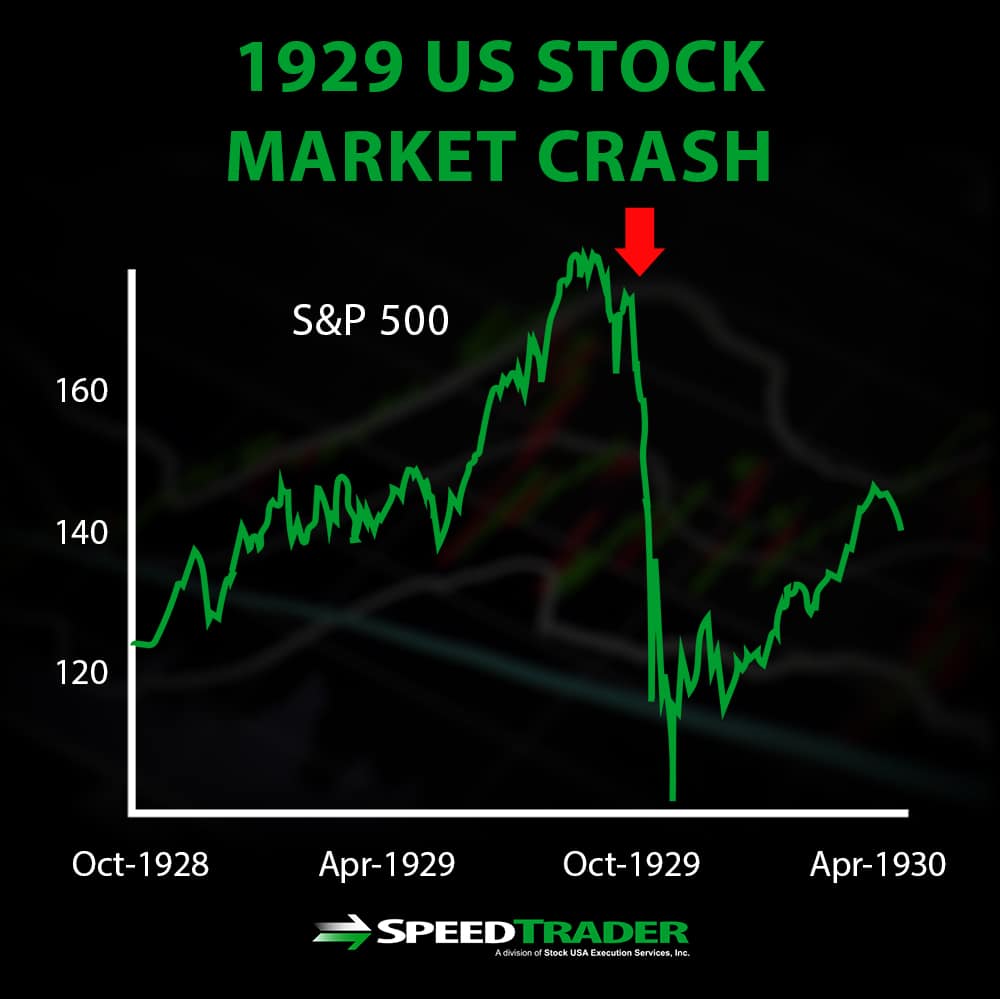
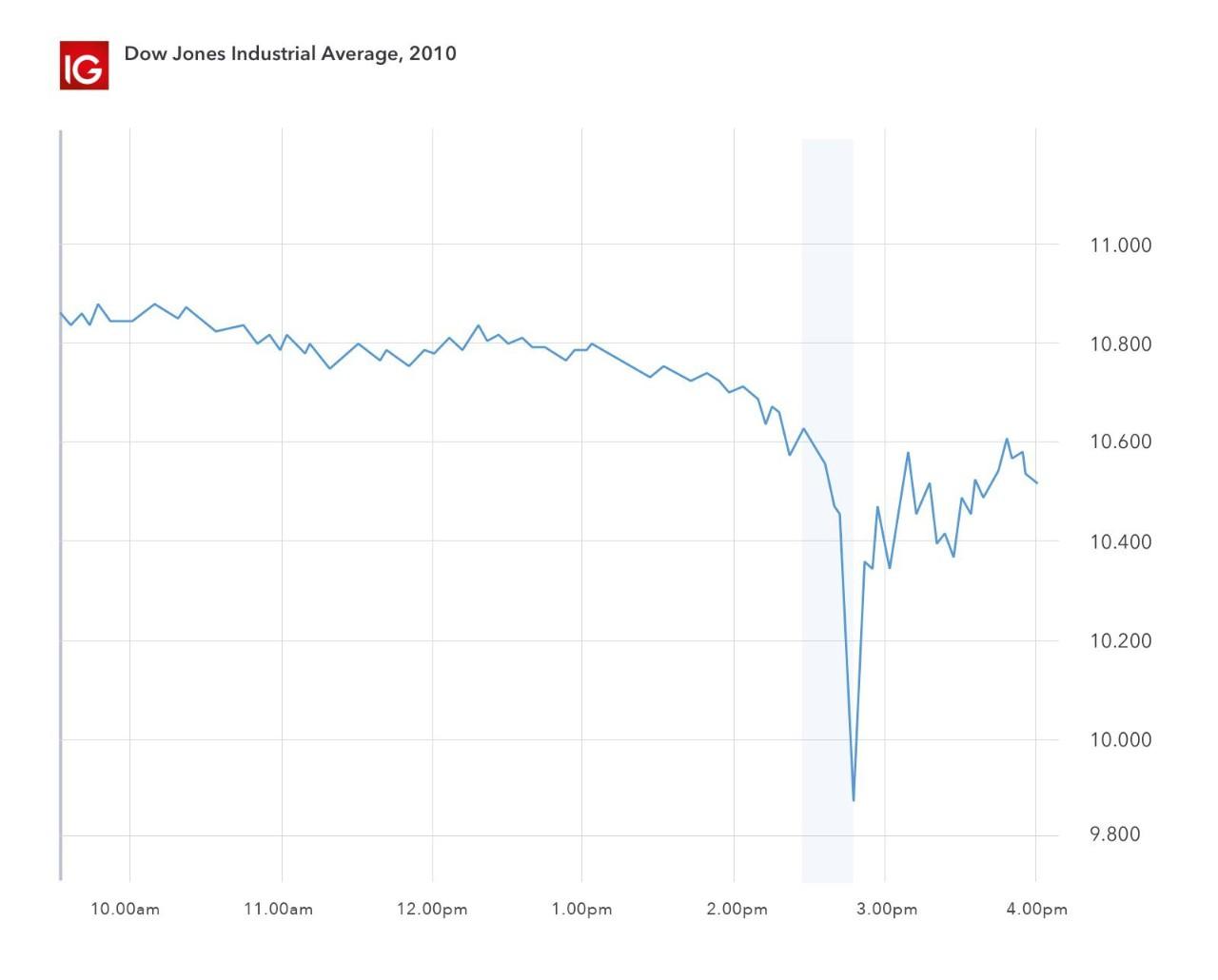
In contrast, a stock market crash is a much more severe and rapid decline, typically defined as a drop of 20% or more in major market indices (like the S&P 500) over a very short period, often days or even hours. Crashes are characterized by widespread panic selling, extreme volatility, and a profound loss of confidence among investors. They are rarer than corrections but have far more significant and lasting impacts on wealth, economic activity, and psychological well-being. Think of events like Black Monday in 1987, the Dot-com Bust of 2000-2002, the Global Financial Crisis of 2008, or the sharp, pandemic-induced drop in March 2020.
The Role of Investor Psychology
At the heart of every significant market downturn is human emotion. Investor psychology plays an outsized role in amplifying market movements, particularly crashes. When markets are rising, greed often takes over, leading to irrational exuberance and speculative behavior where assets are bought at increasingly high prices, sometimes with little regard for fundamental value. This ‘fear of missing out’ (FOMO) can propel bubbles.
However, when negative news or an initial price dip occurs, the pendulum swings violently to fear and panic. As prices fall, investors, driven by the instinct to preserve capital and avoid further losses, begin selling. This initial selling can trigger more selling as others observe the downward trend and follow suit, creating a “herd mentality.” This snowball effect, fueled by fear, can quickly turn a modest downturn into a full-blown crash as prices spiral downward, often detached from underlying company valuations. The emotional cycle of boom and bust is a fundamental, recurring pattern in financial markets.
Key Economic Triggers of Stock Market Crashes
While psychology exacerbates crashes, fundamental economic conditions often provide the initial spark. These macroeconomic factors can create an environment ripe for a market collapse.
Recessions and Economic Downturns
A close correlation exists between stock market crashes and economic recessions. A recession, generally defined as two consecutive quarters of negative GDP growth, signifies a broad contraction in economic activity – falling consumer spending, declining corporate profits, rising unemployment, and reduced investment. When businesses see their revenues and profits shrink, their stock values naturally fall. Investors, anticipating or reacting to a weakening economy, sell off equities, leading to a market decline that can easily morph into a crash if economic conditions deteriorate rapidly or unexpectedly. Historically, major crashes have either preceded or coincided with significant economic recessions, serving as a leading indicator of economic trouble or a direct reflection of it.
Asset Bubbles Bursting
One of the most potent triggers for a crash is the bursting of an asset bubble. An asset bubble forms when the price of an asset (like stocks, real estate, or commodities) rises rapidly and significantly beyond its intrinsic value, driven by speculation and irrational enthusiasm rather than fundamental growth or earnings. Investors, seeing prices continually rise, pile in, fearing they will miss out on easy gains. This speculative fervor detaches prices from economic reality.
Examples include the Dot-com bubble of the late 1990s, where internet company stocks soared to unsustainable valuations, or the U.S. housing bubble of the mid-2000s. When some event – a rise in interest rates, a change in sentiment, or a realization that the valuations are unsustainable – causes early investors to sell, the bubble “bursts.” The sudden widespread selling leads to a rapid and dramatic collapse in prices, often triggering a broader market crash.
Geopolitical Events and Global Crises
External shocks that introduce widespread uncertainty and risk can quickly destabilize markets. Geopolitical events, such as wars (e.g., the Gulf War’s impact on oil prices), major terrorist attacks (9/11), or significant political instability in key economic regions, can trigger market downturns. These events create uncertainty about future economic stability, supply chains, and international trade, prompting investors to seek safer assets and offload equities.
Global crises, like pandemics (e.g., COVID-19 in 2020) or natural disasters affecting major economic centers, can also spark crashes. The COVID-19 pandemic, for instance, led to unprecedented lockdowns, halting economic activity worldwide and causing one of the fastest bear market plunges in history. These events often involve an unpredictable element that makes them particularly disruptive.
Monetary Policy Shifts
Central banks, like the U.S. Federal Reserve, wield significant power over the economy through monetary policy. Their primary tools include setting interest rates and managing the money supply. When inflation is high, central banks may raise interest rates to cool down the economy. While necessary to control inflation, higher interest rates make borrowing more expensive for businesses and consumers, slowing economic growth. They also make bonds and other fixed-income investments more attractive relative to stocks, causing capital to flow out of equities. If interest rates are raised too aggressively or unexpectedly, they can “choke off” economic growth and trigger a market downturn. Conversely, an era of ultra-low interest rates can fuel asset bubbles by making debt cheap and encouraging excessive speculation. A sudden reversal or unexpected tightening of policy can then pop these bubbles.
Financial and Systemic Factors
Beyond economic and psychological triggers, specific financial structures and systemic weaknesses can make markets more vulnerable to crashes or exacerbate their severity.
Excessive Leverage and Debt
High levels of debt, both at the corporate and individual level, can create significant fragility within the financial system. When companies take on excessive debt, they become more vulnerable to economic downturns or rising interest rates, as their ability to service that debt diminishes. If profits decline, highly leveraged companies face a greater risk of default, which can impact their stock prices and trigger broader fears about corporate solvency.
Similarly, in individual investing, using “margin” (borrowing money to buy stocks) can amplify both gains and losses. During a market downturn, if the value of an investor’s portfolio falls below a certain threshold, they may receive a “margin call” – a demand from their broker to deposit additional funds or sell securities. Widespread margin calls can force large-scale selling, accelerating a market decline and contributing to a crash. The subprime mortgage crisis of 2008 highlighted how excessive leverage throughout the financial system (banks, individuals, and institutions) could create a domino effect of defaults and market collapse.
Lack of Regulation and Financial Innovation Gone Awry
History teaches us that periods of inadequate financial regulation or the unchecked proliferation of complex, poorly understood financial products can precede major crashes. The Great Depression of 1929 revealed how rampant speculation, lack of oversight, and fragile banking systems could lead to systemic collapse. In the lead-up to the 2008 financial crisis, the proliferation of complex mortgage-backed securities and credit default swaps, often coupled with lax lending standards and regulatory blind spots, created an opaque and interconnected web of risk that few truly understood. When the underlying housing market began to falter, these instruments rapidly lost value, triggering a cascade of failures among financial institutions. Without robust oversight, financial innovations, while often beneficial, can also create new avenues for systemic risk that can destabilize markets.
Interconnectedness of Global Markets
In today’s globalized economy, financial markets are deeply interconnected. A major crisis in one significant economy or financial sector can quickly ripple across the world. Technological advancements and the liberalization of capital flows mean that negative news or a significant market downturn in one region can trigger sell-offs in others almost instantaneously. For example, a debt crisis in a major European economy could cause investors worldwide to reduce their exposure to risk, leading to selling across global equity markets. Similarly, a collapse in commodity prices could severely impact resource-dependent nations, with knock-on effects for their trading partners and global financial institutions. This interconnectedness means that no market operates in isolation, making “contagion” a constant risk during times of financial stress.
The Aftermath and Investor Resilience
While crashes are painful, they are also an inherent part of the economic cycle and offer crucial lessons for long-term investors.
The Path to Recovery
One of the most reassuring aspects of stock market history is that every crash has ultimately been followed by a recovery. While the duration and intensity of recoveries vary, markets have consistently rebounded over time. The long-term trend of the stock market is upward, reflecting the underlying growth of economies, corporate innovation, and human progress. Those who sell in panic during a crash often lock in their losses and miss out on the subsequent rebound, which can be swift and substantial. Patience and a long-term perspective are therefore vital during turbulent times. The market’s ability to recover demonstrates its inherent resilience and adaptability.
Lessons for Investors
Market crashes, while unsettling, provide invaluable lessons for investors. Key among these is the importance of diversification across different asset classes (stocks, bonds, real estate), geographies, and sectors to mitigate risk. Maintaining a long-term investing horizon helps weather short-term volatility, focusing instead on compounding returns over decades. Dollar-cost averaging, investing a fixed amount regularly regardless of market fluctuations, can smooth out purchase prices and reduce the risk of buying only at market peaks. Crucially, investors should always have an emergency fund (3-6 months of living expenses) in liquid assets to avoid being forced to sell investments at a loss during a downturn. The most critical lesson is to avoid panic selling. Instead, view downturns as potential opportunities to buy quality assets at discounted prices.
Government and Central Bank Interventions
During and after a severe market crash, governments and central banks often step in with various interventions to stabilize the economy and financial markets. Central banks may drastically cut interest rates, provide liquidity to banks, and engage in quantitative easing (buying assets) to stimulate lending and economic activity. Governments may implement fiscal stimulus packages, including tax cuts, spending increases, or direct aid, to boost demand and support struggling industries and individuals. Bailouts of critical financial institutions, though controversial, are sometimes deemed necessary to prevent a broader systemic collapse. These coordinated policy responses aim to restore confidence, prevent a deeper recession, and pave the way for recovery, illustrating the proactive role that authorities play in mitigating the fallout from financial crises.
Conclusion
Stock market crashes are complex, multi-faceted events driven by a confluence of economic imbalances, speculative excesses, human psychology, and unforeseen external shocks. They are not simply random acts of financial misfortune but rather the painful, albeit often necessary, rebalancing of a system that has become out of sync with underlying realities. While their timing and exact triggers remain difficult to predict, understanding the various factors that contribute to them – from asset bubbles and geopolitical events to excessive leverage and monetary policy shifts – empowers investors to approach markets with greater knowledge and resilience. By adopting a long-term perspective, embracing diversification, and resisting the urge to panic, investors can navigate the inevitable turbulence of market cycles and position themselves for sustained financial growth despite the occasional, dramatic downturn.
aViewFromTheCave is a participant in the Amazon Services LLC Associates Program, an affiliate advertising program designed to provide a means for sites to earn advertising fees by advertising and linking to Amazon.com. Amazon, the Amazon logo, AmazonSupply, and the AmazonSupply logo are trademarks of Amazon.com, Inc. or its affiliates. As an Amazon Associate we earn affiliate commissions from qualifying purchases.