
The allure of vintage clothing extends far beyond mere age; it encapsulates a complex interplay of design principles, historical context, market perception, and strategic branding. In an increasingly homogenized fashion landscape, vintage items offer a distinct proposition, carving out a unique identity that resonates deeply with consumers seeking authenticity, individuality, and sustainable choices. Understanding what truly makes an item “vintage” is crucial not only for enthusiasts and collectors but also for brands aiming to leverage nostalgia, foster unique identities, or even integrate circular practices into their core strategy. It’s about more than just old garments; it’s about a specific brand promise and aesthetic integrity.
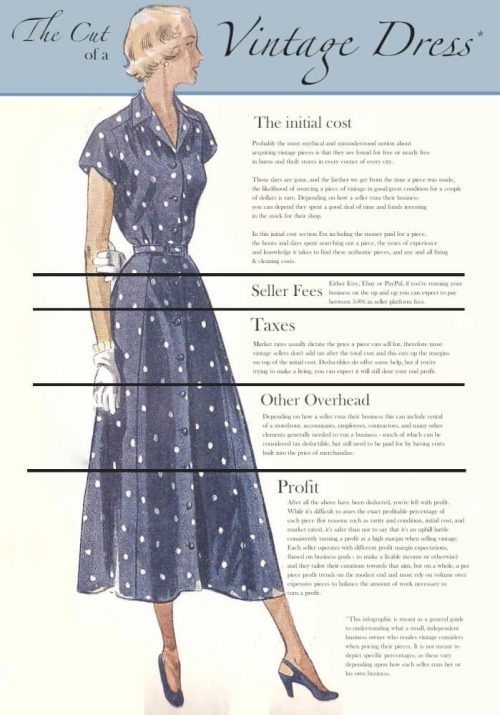
Defining Vintage: Beyond Just “Old”
The most common misconception about vintage clothing is that any pre-owned or old garment qualifies. However, the designation “vintage” carries specific connotations that elevate an item beyond mere secondhand status. It represents a curated selection, a deliberate identification with a past era’s style and quality, establishing a distinct brand identity for the clothing itself.
The Age Factor and Its Nuances
While age is a primary criterion, it’s not the sole determinant. Generally, an item is considered vintage when it is at least 20 years old but less than 100 years old. Garments exceeding 100 years typically fall into the “antique” category. This 20-year threshold is not arbitrary; it signifies enough time has passed for a distinct stylistic period to have emerged, evolved, and then been succeeded by subsequent trends. This creates a clear temporal brand mark. For example, a dress from the year 2000, while only 24 years old today, would distinctly embody the Y2K aesthetic, differentiating itself sharply from contemporary designs. The appeal lies in this temporal distinction, allowing the garment to carry the branding of its specific decade.
The Element of Rarity and Historical Significance
True vintage often possesses an element of rarity or historical significance that enhances its perceived value and brand prestige. This isn’t just about limited production runs; it can involve items that exemplify a pivotal moment in fashion history, were worn by influential figures, or represent a specific cultural movement. A mass-produced item from the 1980s might be “old,” but if it doesn’t embody characteristic design elements or contribute to a broader historical narrative, its “vintage” branding might be weaker. Conversely, a relatively simple dress from a lesser-known designer that perfectly encapsulates the shift from 1950s conservatism to 1960s liberation becomes a significant piece, elevated by its story and its contribution to the fashion brand narrative of an era. The scarcity of well-preserved, historically significant pieces naturally drives up their appeal and unique market positioning.
Aesthetic and Design Principles of Vintage Apparel
The core of a vintage item’s brand identity lies in its aesthetic and design. These elements are not merely stylistic choices but fundamental attributes that distinguish it from contemporary fashion, acting as inherent branding markers that communicate its origins and value.
Silhouette and Cut: A Window to Eras
Each fashion era is characterized by distinct silhouettes and cuts that define its overall aesthetic. These shapes are arguably the most immediate visual cues for identifying a garment’s vintage status. Think of the nipped waists and full skirts of the 1950s, the boxy, unfitted dresses of the 1920s, the exaggerated shoulder pads of the 1980s, or the flared trousers of the 1970s. These are not just trends; they are foundational design branding that instantly dates an item. Contemporary fashion often reinterprets these silhouettes, but true vintage pieces present them in their original, unadulterated form, offering an authentic design experience that current reproductions can seldom fully replicate. This authenticity is a powerful brand differentiator.
Fabric and Construction Quality
The tactile experience of vintage clothing often sets it apart. Prior to the fast fashion era, garments were generally constructed with greater attention to detail and using higher-quality, often natural, fabrics. Woolens were richer, silks more luxurious, and cottons more substantial. The decline in perceived value of clothing has seen a shift towards cheaper, synthetic blends. Vintage items, by contrast, frequently showcase superior craftsmanship: hand-finished seams, durable stitching, sturdy linings, and meticulous tailoring. These elements speak to a time when clothing was made to last, imbuing vintage pieces with an inherent brand promise of quality and longevity that resonates with discerning consumers today. This enduring quality is a significant part of their appeal and their internal branding.
Unique Details and Embellishments
Beyond broad silhouettes and fabric choices, specific details and embellishments serve as micro-markers of vintage authenticity. These can include particular button styles, zipper types (metal versus plastic, specific brands), lace patterns, embroidery techniques, or appliqué designs that were popular or unique to certain periods. For instance, bakelite buttons are a hallmark of certain mid-century pieces, just as specific types of intricate beadwork might define a 1920s flapper dress. These small, often overlooked details are critical for authentication and contribute significantly to the overall aesthetic brand identity of a vintage garment, allowing it to tell a more nuanced story of its origin.
The Branding and Market Perception of Vintage
The market for vintage clothing is robust because it taps into potent consumer desires: individuality, sustainability, and a connection to history. The branding of vintage is less about a designer label and more about the item’s inherent narrative and unique value proposition.
Cultivating Authenticity and Storytelling
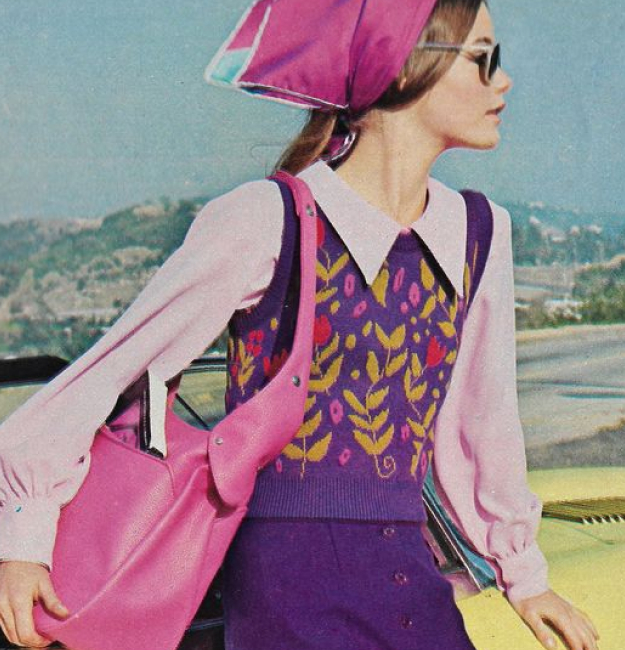
One of the most powerful brand attributes of vintage clothing is its inherent authenticity. Each piece carries a unique story, a past life, which contrasts sharply with mass-produced new garments. This storytelling aspect is a key driver for consumers who want their wardrobe to reflect a distinct personal brand and a deeper connection to their purchases. Vintage sellers and brands often lean into this narrative, highlighting provenance, the era’s cultural context, or the unique journey of an item. This creates an emotional resonance that transcends mere utility, building a powerful brand experience around discovery and individuality.
The Role of Scarcity in Value Perception
Unlike contemporary fashion, which relies on continuous production and planned obsolescence, vintage inherently thrives on scarcity. Each true vintage piece is, by its nature, limited. This scarcity model is a fundamental branding mechanism, driving up perceived value and desirability. When a consumer acquires a unique vintage item, they know it’s unlikely they will see someone else wearing the exact same piece, offering an exclusive brand experience. This exclusivity is a significant draw, fostering a sense of unique personal style and acting as a compelling counter-narrative to the ubiquity of fast fashion.
Bridging Nostalgia and Modern Trends
Vintage fashion adeptly bridges the gap between historical reverence and contemporary relevance. While celebrating the styles of the past, true vintage pieces are often integrated into modern wardrobes in innovative ways. This fusion creates a unique style brand – “vintage-inspired” or “retro chic” – that allows wearers to express individuality while remaining fashion-forward. The market embraces this blend, with designers frequently drawing inspiration from past eras, further validating the enduring appeal and stylistic currency of vintage aesthetics. This constant interplay ensures that vintage remains not just a historical artifact but a living, evolving element of contemporary personal and corporate branding within fashion.
Authenticating Vintage: A Brand’s Due Diligence
For both sellers and discerning buyers, the ability to authenticate a vintage item is paramount. It protects the integrity of the market and reinforces the value proposition that “vintage” represents. This authentication process is essentially a due diligence required to uphold the brand promise of a vintage item.
Labels, Tags, and Manufacturing Marks
The most direct clues to an item’s origin and age often come from its labels and tags. These can include designer names, brand logos, size tags, care instructions, and “Made In” labels. Researching the history of these labels—when a particular brand existed, changed its logo, or shifted manufacturing locations—can precisely date an item. For instance, the presence of an ILGWU (International Ladies’ Garment Workers’ Union) tag with a specific color or serial number can pinpoint the manufacturing decade of a garment made in the USA. These tags are intrinsic branding elements, acting as historical timestamps and vital clues in the authentication process.
Condition, Wear, and Preservation
While wear and tear are natural for older items, the type and extent of wear can also inform authenticity. Genuine vintage items often show signs of careful use and preservation rather than neglect. Fabric degradation, fading, minor repairs, or the gentle patina of age can all be indicators of authenticity. Conversely, an item claiming to be very old but appearing suspiciously pristine might warrant closer inspection. The condition directly impacts the market value and the overall perception of the item’s “vintage brand” – a well-preserved piece commands a higher premium and conveys a stronger sense of enduring quality.
Expert Appraisal and Provenance
For highly valuable or historically significant pieces, expert appraisal is often necessary. Experienced vintage dealers and fashion historians possess a deep knowledge of design history, fabric evolution, construction techniques, and period-specific details. Their expertise can definitively confirm an item’s age and authenticity, assigning it a verified vintage brand. Provenance – the documented history of an item’s ownership and origin – can also significantly enhance its value and authenticity, especially for pieces associated with famous designers or individuals. This established lineage adds another layer to its unique brand story.
Vintage as a Sustainable and Distinctive Brand Choice
Beyond its aesthetic appeal and historical significance, the embrace of vintage clothing aligns with modern values, solidifying its place as a conscious and compelling brand choice for both consumers and businesses.
Environmental Impact and Circularity
In an era of growing environmental consciousness, vintage clothing offers a powerful solution to the fashion industry’s waste problem. By extending the lifecycle of existing garments, buying vintage directly contributes to circular economy principles, reducing demand for new production, conserving resources, and minimizing landfill waste. This ethical dimension adds a strong layer to the “vintage” brand, appealing to environmentally aware consumers who seek to make responsible purchasing decisions. It positions vintage not just as a style choice, but as a lifestyle brand committed to sustainability.

Personal Style and Brand Differentiation
For the individual, vintage clothing is an unparalleled tool for personal brand differentiation. In a world saturated with identical fast fashion, wearing vintage allows for the creation of a truly unique and inimitable personal style. It offers a way to curate a wardrobe that tells a story, expresses individuality, and stands out from the crowd. This pursuit of distinctiveness is a powerful motivator, enabling consumers to define their personal brand through their sartorial choices. For retailers, selling vintage allows them to build a niche brand known for curated selection, sustainable practices, and unique offerings, distinguishing themselves from mainstream fashion outlets. The ultimate brand of vintage clothing, therefore, is its inherent ability to provide authenticity, quality, and a unique narrative in a world often lacking all three.
aViewFromTheCave is a participant in the Amazon Services LLC Associates Program, an affiliate advertising program designed to provide a means for sites to earn advertising fees by advertising and linking to Amazon.com. Amazon, the Amazon logo, AmazonSupply, and the AmazonSupply logo are trademarks of Amazon.com, Inc. or its affiliates. As an Amazon Associate we earn affiliate commissions from qualifying purchases.